So, you're curious about growing your Philodendron Verrucosum using LECA? You've come to the right place! This unique and eye-catching plant can thrive in a LECA setup, and it's a fantastic option for those wanting to try something different from traditional soil. By the end of this guide, you'll be equipped with all the knowledge you need to embark on your LECA journey with confidence.
We'll walk through everything from selecting your materials and preparing your plant, to maintaining a healthy LECA environment. You'll also learn how to address common issues and keep your Philodendron Verrucosum looking its best. Let's dive into the details and get started!
Getting to Know Philodendron Verrucosum
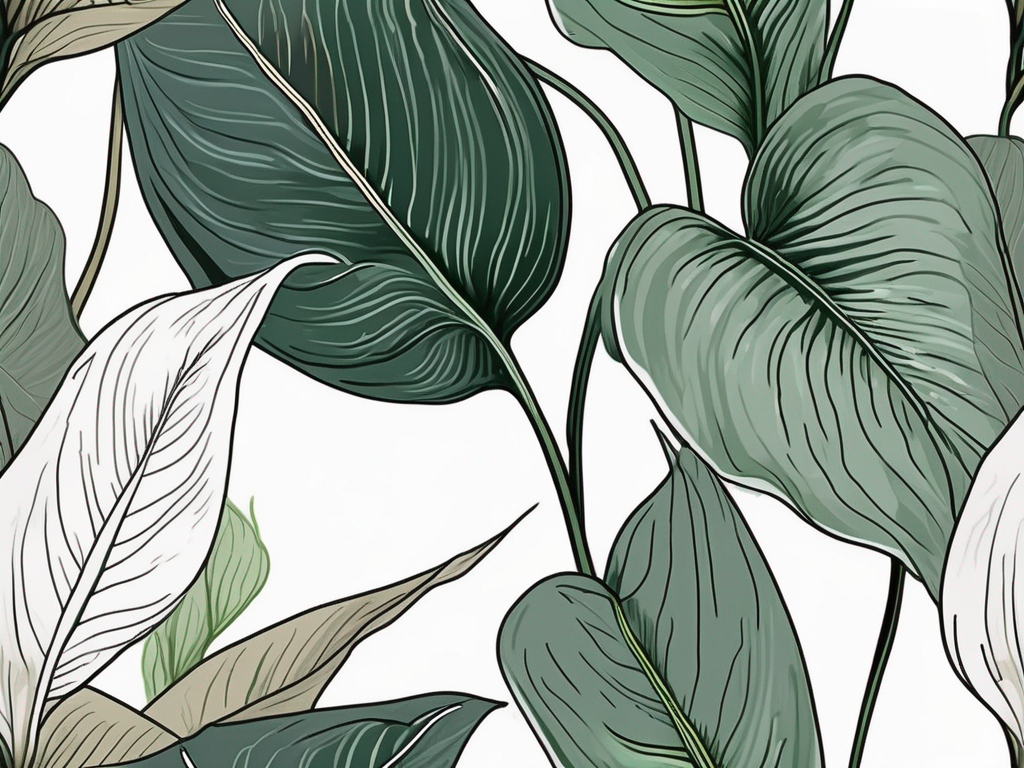
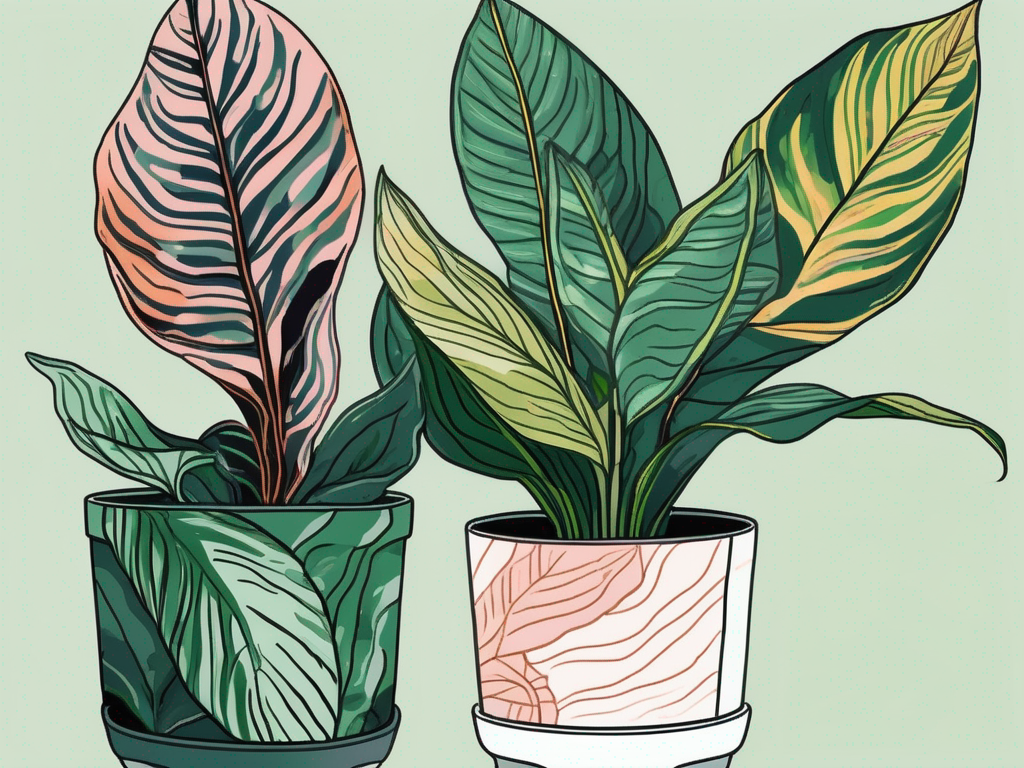
First things first, let's talk about what makes the Philodendron Verrucosum so special. This tropical beauty hails from Central and South America, and it's known for its striking heart-shaped leaves with deep green and velvety textures. The leaf undersides often feature a captivating reddish hue, adding to its charm.
As a climbing plant, the Philodendron Verrucosum can grow quite tall if given the support it needs. It's a favorite among plant lovers for its dramatic foliage and relatively easygoing nature. While it can be grown in soil, using LECA has its own unique benefits, which we'll explore throughout this guide.
Why Choose LECA?
LECA, or Lightweight Expanded Clay Aggregate, is a growing medium that's gaining popularity among houseplant enthusiasts. But why choose LECA over traditional soil, especially for a plant like the Philodendron Verrucosum? Here are a few reasons:
- Better Drainage: LECA is excellent for preventing root rot, as it allows excess water to drain away, keeping roots healthy and happy.
- Reduced Risk of Pests: Soil can sometimes attract pests like fungus gnats, but LECA offers a cleaner environment that's less inviting to these nuisances.
- Consistency: LECA provides a stable growing medium that doesn't compact over time, so your plant's roots can grow freely.
- Reusability: Unlike soil, LECA can be cleaned and reused, making it a more sustainable option.
With these benefits, it's easy to see why LECA is an appealing choice for growing your Philodendron Verrucosum. Plus, it's just plain fun to try something new!
Gathering Your Supplies
Before you start, you'll need to gather a few essentials. Here's a handy list to make sure you have everything you need:
- LECA: You can find LECA balls at most garden centers or order them online. Make sure to rinse them thoroughly to remove any dust or debris before use.
- Pot with Drainage Holes: Choose a pot with sufficient drainage to allow excess water to escape.
- Nutrient Solution: Since LECA doesn't provide nutrients, you'll need a hydroponic nutrient solution to feed your plant. These are widely available online or at garden stores.
- Philodendron Verrucosum: Of course, you'll need your plant! Look for a healthy specimen with vibrant leaves and a strong root system.
- Support Pole or Trellis: Because the Philodendron Verrucosum is a climber, consider adding a support structure to help it grow upright.
With these supplies in hand, you're ready to start the exciting process of transitioning your Philodendron Verrucosum to a LECA setup.
Preparing Your Philodendron Verrucosum
The first step in transitioning your Philodendron Verrucosum to LECA is to prepare the plant. This involves removing it from its current environment and getting it ready for its new home. Here's how to do it:
Step 1: Remove the Plant from the Pot
Carefully take your Philodendron Verrucosum out of its pot. Be gentle to avoid damaging the roots. If it's a bit stuck, you can gently tap the sides of the pot or use a thin tool to loosen the soil around the edges.
Step 2: Clean Off the Roots
Once the plant is out, you'll need to clean off as much soil as possible from the roots. You can do this by gently shaking the plant or using your fingers to remove the soil. Rinse the roots under lukewarm water to remove any remaining soil particles. This step is crucial, as any leftover soil can cause issues in a LECA setup.
Step 3: Trim Any Damaged Roots
Inspect the roots for any signs of damage or rot. Trim away any unhealthy roots with clean, sharp scissors or pruning shears. Healthy roots are firm and white, so focus on removing any that appear mushy or discolored.
Now that your Philodendron Verrucosum is all cleaned up, it's ready to settle into its new LECA environment.
Setting Up Your LECA System
With your plant prepped and ready, it's time to set up the LECA system. This involves creating a suitable environment for your Philodendron Verrucosum to thrive. Let's break down the steps:
Step 1: Prepare the Pot
Start by filling the pot with a layer of LECA balls, about an inch or two deep. This will act as the base layer and help with drainage. Make sure the pot has drainage holes to allow excess water to escape.
Step 2: Position the Plant
Place your Philodendron Verrucosum on top of the base layer of LECA. Spread out the roots gently to encourage them to grow in different directions. This will help the plant establish itself more effectively in its new environment.
Step 3: Fill with LECA
Carefully add more LECA balls around the plant, covering the roots. Make sure the plant is stable and upright as you fill the pot. Keep adding LECA until it's about an inch below the rim of the pot. This space will allow room for watering without overflowing.
Step 4: Add the Nutrient Solution
Mix your hydroponic nutrient solution according to the package instructions. Pour the solution into the pot, making sure it reaches the bottom layer of LECA. The water level should be just below the top of the LECA balls, allowing the plant to absorb what it needs without sitting in water.
With your LECA system set up, your Philodendron Verrucosum is ready to start its new phase of growth. How exciting is that?
Caring for Your Philodendron Verrucosum in LECA
Now that you've got your plant settled in its new LECA home, it's important to know how to care for it properly. Let's go over the key aspects of maintaining your Philodendron Verrucosum in a LECA setup:
Light Requirements
Philodendron Verrucosum thrives in bright, indirect light. While it can tolerate lower light conditions, you'll notice more vibrant foliage and growth with adequate lighting. Avoid direct sunlight, as this can scorch the leaves and damage the plant.
Watering and Nutrients
One of the benefits of using LECA is that it makes watering a bit more straightforward. Since the LECA balls retain moisture, you won't need to water as frequently as you would with soil. Monitor the water level in the pot and top it up when it gets low, usually every 1-2 weeks. Remember to add the nutrient solution to the water to ensure your plant gets the nutrients it needs.
Humidity and Temperature
As a tropical plant, Philodendron Verrucosum appreciates higher humidity levels. Aim for 60-80% humidity to keep it happy. You can use a humidifier, mist the plant occasionally, or place a tray of water nearby to increase humidity. In terms of temperature, keep your plant in a warm environment between 65-80°F (18-27°C).
By keeping these care tips in mind, you'll provide your Philodendron Verrucosum with everything it needs to thrive in its LECA setup.
Addressing Common Issues
Even with the best care, you might encounter some challenges along the way. Here are a few common issues you might face with your Philodendron Verrucosum in LECA, and how to address them:
Yellowing Leaves
If you notice yellowing leaves, it could be due to overwatering or nutrient deficiencies. Check the water level and adjust if necessary, and ensure you're using the correct nutrient solution. It's also a good idea to check the roots for any signs of rot.
Root Rot
Root rot can occur if the plant is sitting in too much water. Make sure the water level is just below the top of the LECA balls and that the pot has proper drainage. If you suspect root rot, remove the plant from the LECA, trim any affected roots, and replant in fresh LECA.
Pests
While LECA reduces the risk of pests, they're not impossible to encounter. Keep an eye out for common pests like spider mites or aphids. If you spot any, wipe the leaves with a damp cloth or use an insecticidal soap to treat the issue.
With these solutions in your toolkit, you'll be well-prepared to handle any bumps in the road with your Philodendron Verrucosum.
Maintaining a Healthy LECA Environment
Maintaining a healthy environment for your Philodendron Verrucosum in LECA involves regular care and attention. Here are some ongoing maintenance tips to keep in mind:
Cleaning the LECA
Every few months, it's a good idea to rinse the LECA to remove any buildup of salts or nutrients. Remove the plant from the pot, rinse the LECA balls thoroughly, and refresh the nutrient solution. This will help prevent any imbalances that could affect your plant's health.
Monitoring Root Health
Keep an eye on the roots to ensure they're healthy and growing well. Healthy roots should be firm and white. If you notice any signs of rot, address the issue promptly as discussed in the previous section.
Adjusting for Growth
As your Philodendron Verrucosum grows, it may outgrow its pot. If you notice the plant becoming top-heavy or roots growing out of the pot, consider repotting it into a larger container with fresh LECA. This will give your plant more room to grow and continue thriving.
By incorporating these maintenance tips into your routine, you'll help your Philodendron Verrucosum flourish in its LECA environment.
Creating a Beautiful Plant Display
Now that your Philodendron Verrucosum is thriving in its LECA setup, why not showcase it as part of your home decor? Here are some ideas to create a stunning plant display:
Choosing the Right Spot
Find a spot in your home that offers bright, indirect light. A well-lit corner or a spot near a window with filtered light would be ideal. Make sure the location is free from drafts and extreme temperature changes.
Incorporating Support Structures
Since the Philodendron Verrucosum is a climber, incorporate a support pole or trellis into your display. This will help the plant grow vertically and create an eye-catching focal point in your home.
Mixing with Other Plants
For a lush, green display, consider grouping your Philodendron Verrucosum with other plants. Choose a variety of textures and heights to create a dynamic arrangement. Some great companion plants include Monstera, Pothos, and ferns, which all thrive in similar conditions.
With a little creativity, you can create a beautiful plant display that showcases your Philodendron Verrucosum and enhances your home decor.
Final Thoughts
Growing your Philodendron Verrucosum in LECA can be a rewarding experience, offering unique benefits like better drainage and reduced pest issues. By following the steps outlined in this guide, you'll be well on your way to enjoying a healthy and thriving plant.
At Cafe Planta, we're passionate about helping plant lovers care for their green companions. If you have any questions or need advice, feel free to email us or send a message on Instagram. We're here to support you on your plant journey and help you create a beautiful, thriving plant collection in your home.