So, you've decided to give your Tradescantia a new home in LECA, huh? That's quite a leap into the world of semi-hydroponics, and it's a journey that's both exciting and rewarding. Whether you're a seasoned plant parent or just starting out, learning to grow Tradescantia in LECA can open up a whole new way of caring for houseplants.
In this guide, we'll be chatting about what LECA is, why it’s a great option for your Tradescantia, and how to make the transition from soil. We’ll also cover tips on watering, feeding, and troubleshooting common issues. By the end, you'll have the confidence to nurture your Tradescantia in this innovative medium. Ready to get started? Let’s dig in!
What is LECA?
Before diving into the nitty-gritty of growing Tradescantia in LECA, let's get familiar with our star medium. LECA stands for Lightweight Expanded Clay Aggregate. Imagine tiny, round clay balls that are baked to create a porous, lightweight substrate. These little guys are perfect for plant people who want to experiment with a soil-free environment.
The magic of LECA lies in its ability to retain moisture while providing excellent aeration for the roots. It doesn’t compact like soil, which means the roots can breathe and stretch out comfortably. Plus, since LECA is inorganic, it reduces the risk of pests and diseases that can often plague soil-grown plants. Sounds like a dream, right?
Now, you might be wondering, "Why would I switch from good old soil to these clay balls?" The answer is simple: control. LECA gives you more control over the moisture levels, making it easier to prevent overwatering—a common pitfall for many plant lovers. It’s especially handy for plants like Tradescantia, which prefer to dry out a bit between waterings.
Why Choose LECA for Tradescantia?
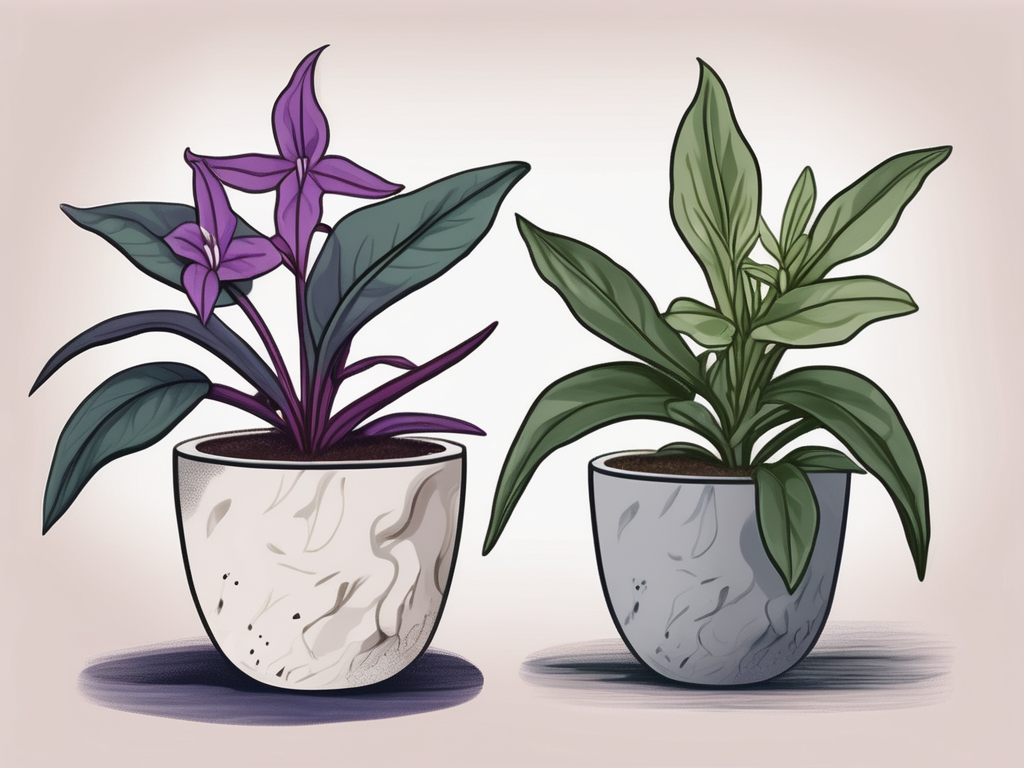
Tradescantia, also known as the wandering Jew or spiderwort, is a popular choice among plant lovers for its vibrant foliage and easy-going nature. But why does LECA make such a good match for this plant? Let’s break it down.
- Moisture Control: Tradescantia doesn't like to sit in soggy soil. LECA allows you to control the moisture levels, preventing root rot and other water-related issues.
- Less Mess: No more dealing with messy soil spills! LECA is clean and easy to handle, making repotting a breeze.
- Improved Root Health: The airy environment that LECA provides helps promote healthy root growth, which is crucial for a thriving Tradescantia.
- Pest Reduction: Since LECA doesn't harbor pests like soil can, you'll likely see fewer uninvited guests setting up camp in your plant's pot.
On the flip side, you do have to be mindful of nutrient management. Since LECA is inert, it doesn't provide any nutrients to your plant on its own. But don’t worry—we’ll tackle that later on.
Getting Started: Transitioning from Soil to LECA
Switching your Tradescantia from soil to LECA might sound daunting, but it’s actually a straightforward process. Think of it as a plant spa day—an opportunity to refresh and rejuvenate your green friend. Here’s how you can do it:
Prepare Your Materials
- LECA balls (rinsed and soaked)
- A container with drainage holes
- Net pots or nursery pots with slits
- Watering can with distilled or filtered water
- Liquid fertilizer suitable for hydroponic use
Step-by-Step Guide
- Remove the Plant from Soil: Gently remove your Tradescantia from its pot and shake off as much soil as possible. Rinse the roots under lukewarm water to remove any remaining dirt.
- Inspect the Roots: Check for any damaged or rotting roots and trim them with clean scissors. Healthy roots should be firm and white.
- Prepare the LECA: Rinse the LECA balls thoroughly to remove any dust. Soak them overnight in water to allow them to absorb moisture.
- Pot Your Plant: Place a layer of LECA at the bottom of the pot. Position your Tradescantia in the center and fill around the roots with more LECA until the pot is filled.
- Watering: Add water to the pot until it reaches just below the base of the plant. This ensures the roots are encouraged to grow down into the LECA.
And there you have it, a freshly repotted Tradescantia ready to flourish in its new home!
Watering Your Tradescantia in LECA
Watering can be a bit different when you're using LECA, but it’s all about finding your rhythm. The goal is to keep the LECA moist but not waterlogged. Here's a handy guide to keep your watering game strong:
How Often to Water
Frequency will depend on your environment and the specific needs of your plant. Generally, you’ll want to water your Tradescantia every 7-10 days. Check the reservoir to see if it needs topping up.
Signs Your Plant Needs Water
- LECA feels dry to the touch
- The plant starts wilting or looking droopy
- Leaves may become dull or lose their vibrancy
Watering Tips
- Use Filtered Water: Tap water can contain minerals that build up in LECA. Filtered water helps prevent this.
- Don't Overfill: Keep the water level just below the plant's base to allow the roots to access moisture without being submerged.
- Observe Your Plant: Every plant is unique, so pay attention to how your Tradescantia responds and adjust your watering schedule accordingly.
Feeding Your Tradescantia
Since LECA doesn’t provide any nutrients, you’ll need to feed your Tradescantia regularly to keep it happy and healthy. Here’s how to get it right:
Choosing the Right Fertilizer
Opt for a liquid fertilizer that's suitable for hydroponics. These are designed to dissolve easily in water and provide all the nutrients your plant needs.
How Often to Fertilize
During the growing season (spring and summer), feed your Tradescantia every 2-4 weeks. In the cooler months, reduce feeding to once a month or even less.
Tips for Fertilizing
- Follow Instructions: Always dilute the fertilizer according to the package instructions to avoid burning the roots.
- Watch for Signs: Yellowing leaves or lackluster growth can indicate a lack of nutrients. Conversely, browning tips may mean over-fertilization.
- Flush the LECA: Every few months, rinse the LECA thoroughly to remove any salt build-up from the fertilizer.
Dealing with Common Issues
Even with the best care, sometimes things don’t go as planned. Here’s how to troubleshoot some common problems you might encounter:
Root Rot
Root rot is less common in LECA but can still happen if the plant is left sitting in water for too long. If you notice mushy roots, cut away the affected areas and adjust your watering habits.
Pest Infestations
While LECA reduces the chances of pests, they can still occasionally appear. If you spot any, treat your plant with insecticidal soap or neem oil.
Nutrient Deficiency
Signs of nutrient deficiency include yellowing leaves or stunted growth. Ensure you're fertilizing regularly and adjusting based on your plant’s needs.
Remember, every plant is unique, and what works for one might not work for another. It’s all about observing and adapting to your plant’s specific requirements.
Creating a Beautiful Display with Tradescantia in LECA
Not only does LECA offer practical benefits, but it also provides a stylish way to showcase your Tradescantia. Here are some ideas to jazz up your plant display:
Choosing the Right Container
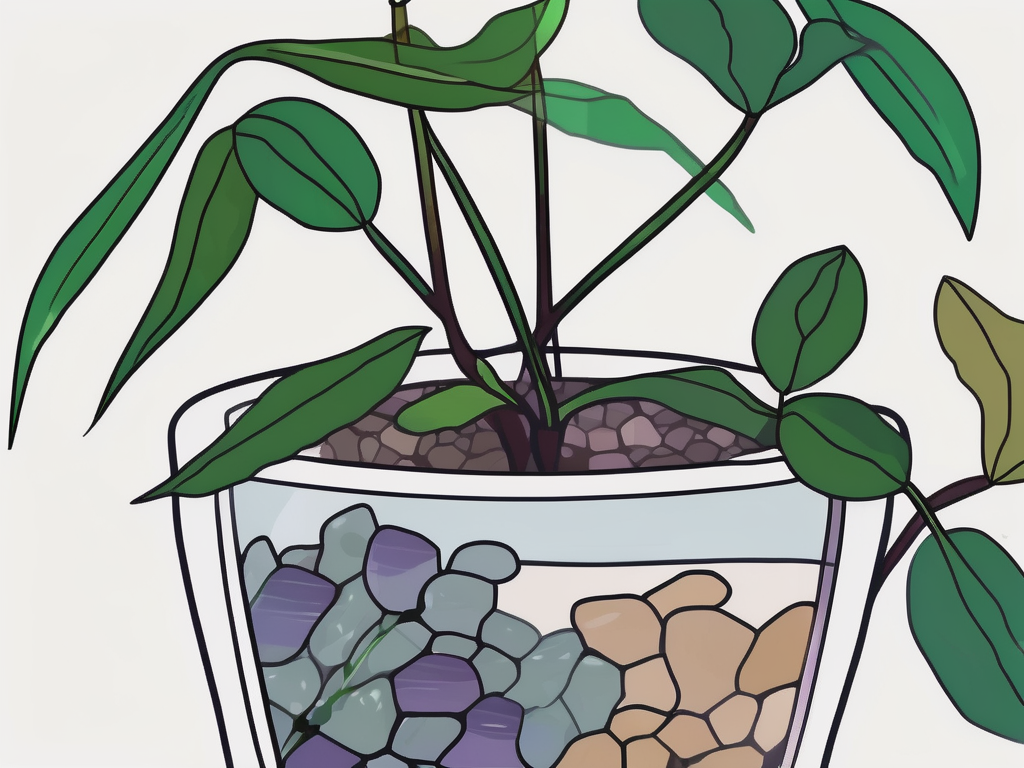
Transparent pots are a popular choice because they allow you to see the LECA and monitor root health. They also give a modern, clean look to your plant setup.
Grouping Plants
Tradescantia looks stunning when grouped with other plants. Consider creating a small cluster of LECA-grown plants for a cohesive and modern aesthetic.
Playing with Colors
The vibrant hues of Tradescantia’s leaves can be complemented by colorful pots or decorative stones placed on top of the LECA.
Ultimately, the way you display your plants is an expression of your personal style. Have fun experimenting with different arrangements until you find the perfect look for your space.
Long-Term Care and Maintenance
Once you've got the hang of growing Tradescantia in LECA, maintaining its health long-term is all about consistency and observation. Here’s how to keep your plant thriving:
Regular Checks
- Inspect Roots: Every few months, check the roots for signs of rot or nutrient deficiencies.
- Monitor Water Levels: Keep an eye on the water reservoir to ensure your plant never dries out completely.
- Observe Growth: Healthy growth is a good indicator that your plant is happy with its environment and care routine.
Seasonal Adjustments
Plants naturally slow down in the winter months, so you may need to adjust your care routine. Reduce watering and feeding slightly to match the plant’s reduced growth.
Repotting
Unlike with soil, you won’t need to repot as frequently with LECA. However, if your plant outgrows its current container, it’s time to upsize. Simply repeat the initial potting process and give your Tradescantia more room to grow.
With a little attention and care, your Tradescantia will continue to flourish in its LECA home for years to come.
Final Thoughts
Growing Tradescantia in LECA can be a game-changer for plant lovers looking to try something new. You get to enjoy a cleaner, more controlled environment for your plants, while also reducing the risk of overwatering and pests. Plus, it’s a great way to showcase your creativity in plant display!
At Cafe Planta, we’re passionate about helping you create a beautiful, thriving plant collection. Whether you're looking for unique houseplants or plant care accessories, we’ve got you covered. If you have any questions about plant care, feel free to email us or drop us a message on Instagram. We’re here to help you connect with nature and each other through the joy of plants.