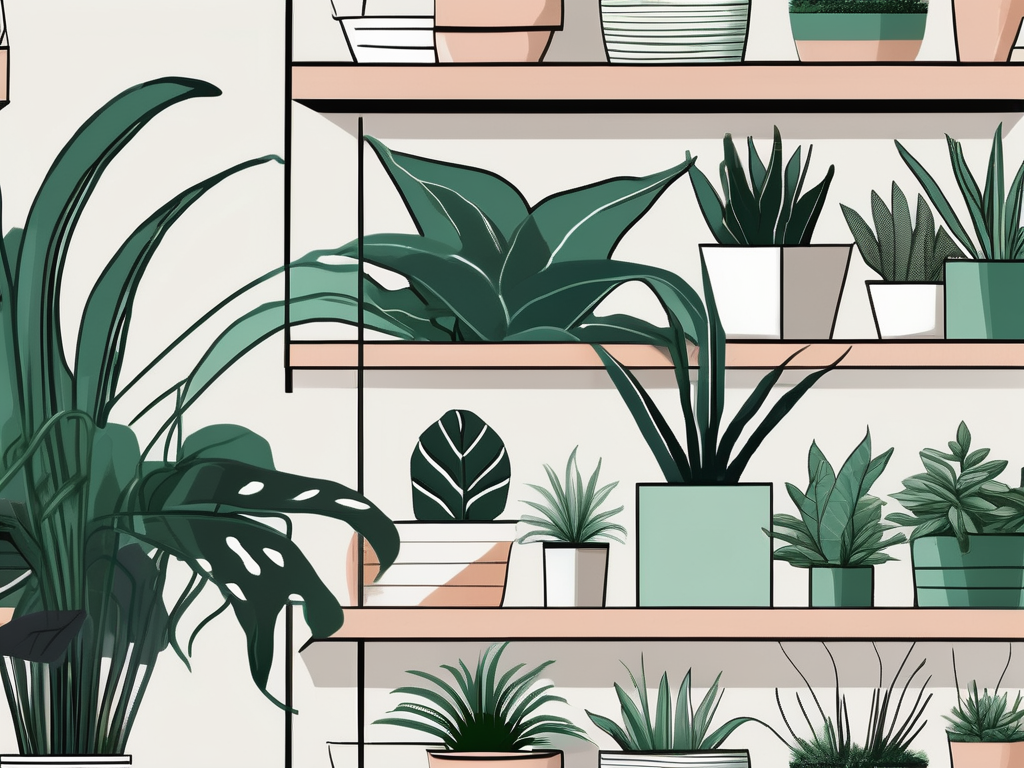
Houseplants have a way of transforming a space, adding a touch of life and warmth that few other decor elements can. If you're new to the world of indoor greenery, don't worry—caring for houseplants doesn't have to be complicated. With the right choices and some basic know-how, you can cultivate a thriving indoor garden that brings joy and beauty into your home.
In this post, we'll walk you through some of the best houseplants for beginners, focusing on those that are not only beautiful but also easy to care for. From selecting the right plants to potting, watering, and troubleshooting common issues, you'll find everything you need to start your journey as a plant parent.
Choosing the Right Plants
When you're just getting started with houseplants, it's important to choose plants that match your lifestyle and the conditions of your home. Some plants thrive in bright, sunny spots, while others prefer low light and less attention. Here are a few beginner-friendly options to consider:
- Snake Plant (Sansevieria): Known for its striking, upright leaves, the snake plant is incredibly low maintenance. It tolerates low light and infrequent watering, making it perfect for busy plant people.
- Pothos (Epipremnum aureum): With its trailing vines and heart-shaped leaves, pothos is both attractive and easy to grow. It can adapt to various light conditions and can be propagated easily, making it a favorite among beginners.
- Peace Lily (Spathiphyllum): If you're looking for a plant that blooms indoors, the peace lily is a great choice. It's forgiving of low light and prefers to dry out between waterings.
- Spider Plant (Chlorophytum comosum): This plant is known for its arching leaves and "baby" plants that dangle from the parent. It's resilient and can handle a bit of neglect.
These plants not only survive but thrive with minimal effort, making them ideal for beginners. As you gain confidence, you can explore more challenging varieties.
Understanding Light Requirements
One of the most crucial aspects of plant care is understanding light requirements. Different plants have different needs, and placing a plant in the wrong spot can lead to stress or even death. Here's a quick rundown to help you out:
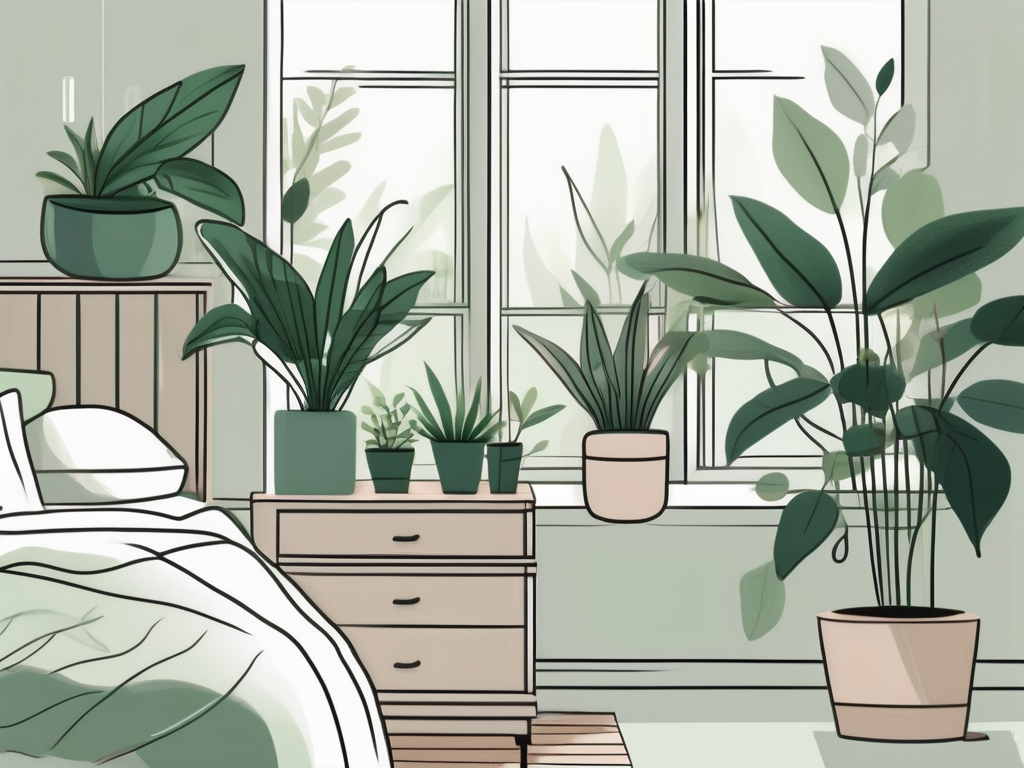
- Bright, indirect light: This is suitable for most houseplants. You can achieve this by placing the plant near a window with sheer curtains or a few feet away from a sunny window.
- Low light: Some plants, like the snake plant and pothos, can tolerate low-light conditions. These are perfect for rooms with minimal natural light.
- Direct sunlight: Very few houseplants need or can tolerate direct sunlight. This intense light can scorch leaves, so it's best to avoid placing your plants in direct sun unless they specifically require it.
Consider the natural lighting in your home and choose plants that will thrive in those conditions. If needed, you can also use grow lights to supplement natural light, especially during the darker months of the year.
Potting and Soil Care
Potting might seem straightforward, but using the right soil and pot can make a big difference in your plant's health. Here are some tips to get you started:
- Drainage: Always use pots with drainage holes to prevent water from accumulating at the bottom, which can lead to root rot.
- Soil Mix: Most houseplants do well in a general-purpose potting mix, but you might want to tailor the mix for specific plants. For instance, succulents prefer a well-draining cactus mix.
- Repotting: Over time, plants outgrow their pots. Repotting every 1-2 years can provide more space for roots to grow. It's also a great opportunity to refresh the soil.
When potting your plant, make sure to leave some space at the top of the pot for water. After repotting, give your plant a good drink to help it settle into its new home.
Watering Wisdom
Watering is where many new plant parents struggle. It's easy to overwater or underwater, leading to issues like root rot or wilting. To avoid these problems, keep the following in mind:
- Check the soil: Before watering, stick your finger into the soil about an inch deep. If it feels dry, it's time to water. If it's still moist, wait a few more days.
- Water thoroughly: When it's time to water, do so until you see water draining from the bottom of the pot. This ensures that the entire root system gets hydrated.
- Adjust for seasons: Most houseplants need less water in the winter when they're not actively growing. Be sure to adjust your watering schedule accordingly.
Remember, it's generally better to underwater than overwater. Most plants can recover from a little drought, but overwatering can quickly lead to root problems.
Dealing with Pests and Fungal Issues
Even the most diligent plant parent can encounter pests or fungal issues from time to time. The good news is that most problems are manageable with a little effort:
- Common pests: Keep an eye out for pests like spider mites, aphids, and mealybugs. You can often wash them off with water or treat them with insecticidal soap.
- Fungal issues: If you notice mold or mildew on your plant, it could be a sign of overwatering or poor air circulation. Allow the top layer of soil to dry out and ensure your plants have good airflow.
- Prevention: Regularly inspect your plants and clean their leaves with a damp cloth to keep them dust-free. This not only helps prevent pests but also allows the plant to photosynthesize more efficiently.
Being proactive and observant can help you catch and address problems early, keeping your plants healthy and happy.
Designing with Plants
Part of the fun of having houseplants is incorporating them into your home decor. Plants can be a beautiful, natural element in any space, and they offer endless design possibilities:
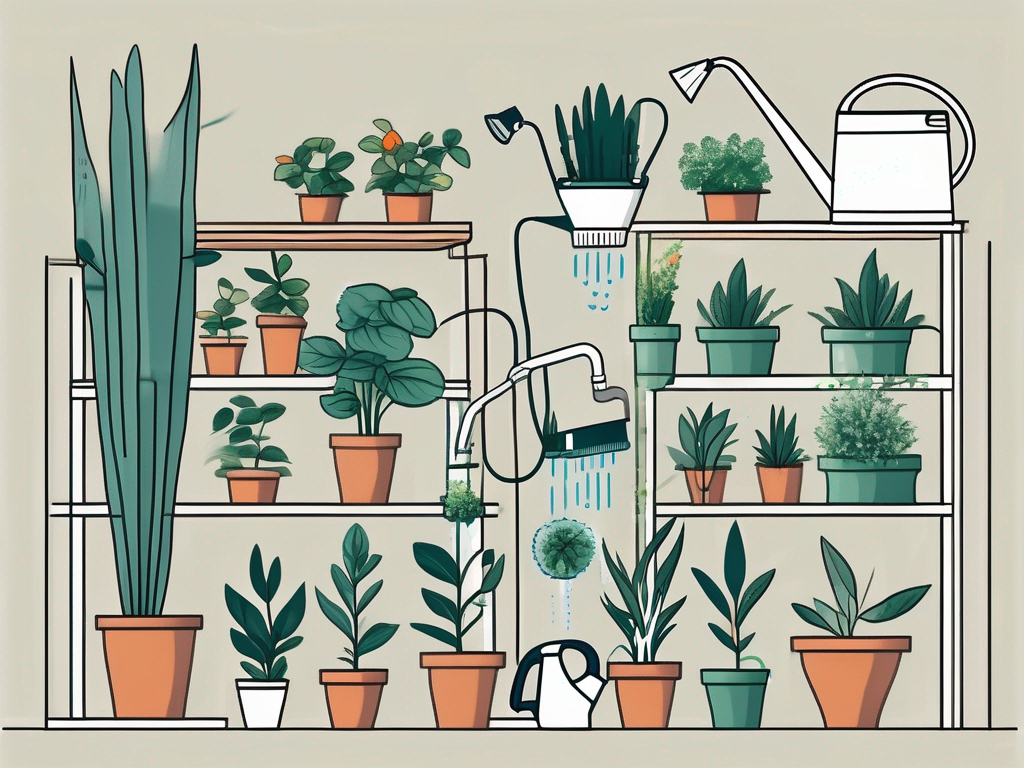
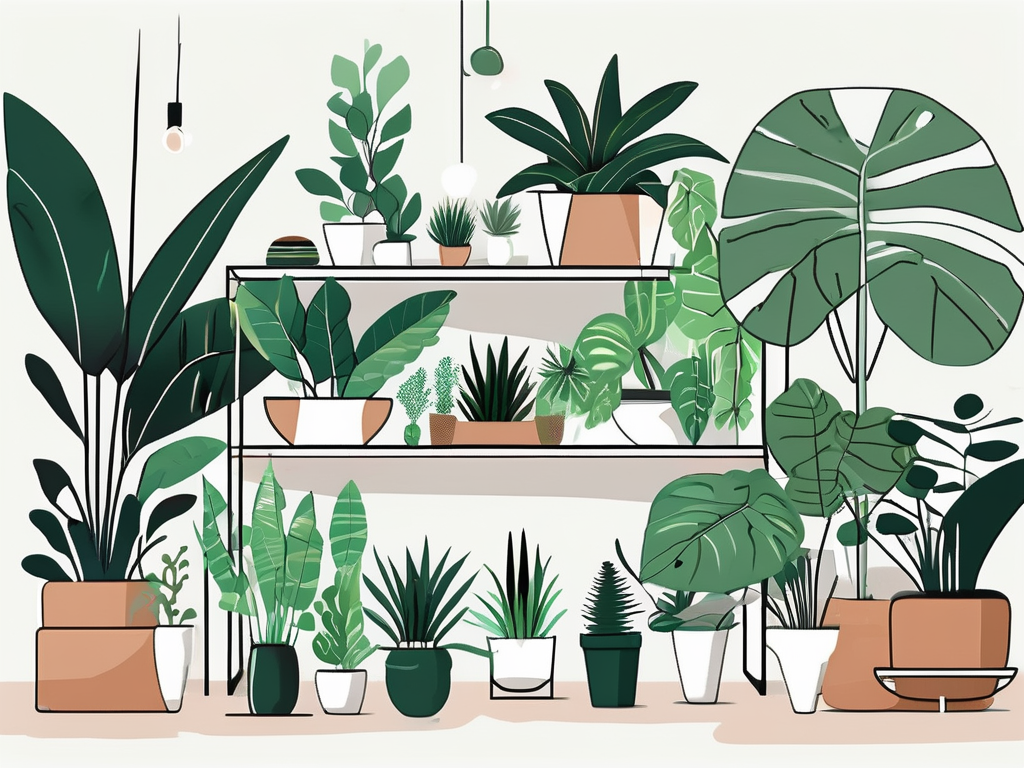
- Group plants together: Create a lush corner by grouping different plants with varying heights and textures. This not only looks fantastic but also creates a microclimate that can benefit the plants.
- Use plant stands: Elevate smaller plants with stands to add visual interest and make the most of vertical space.
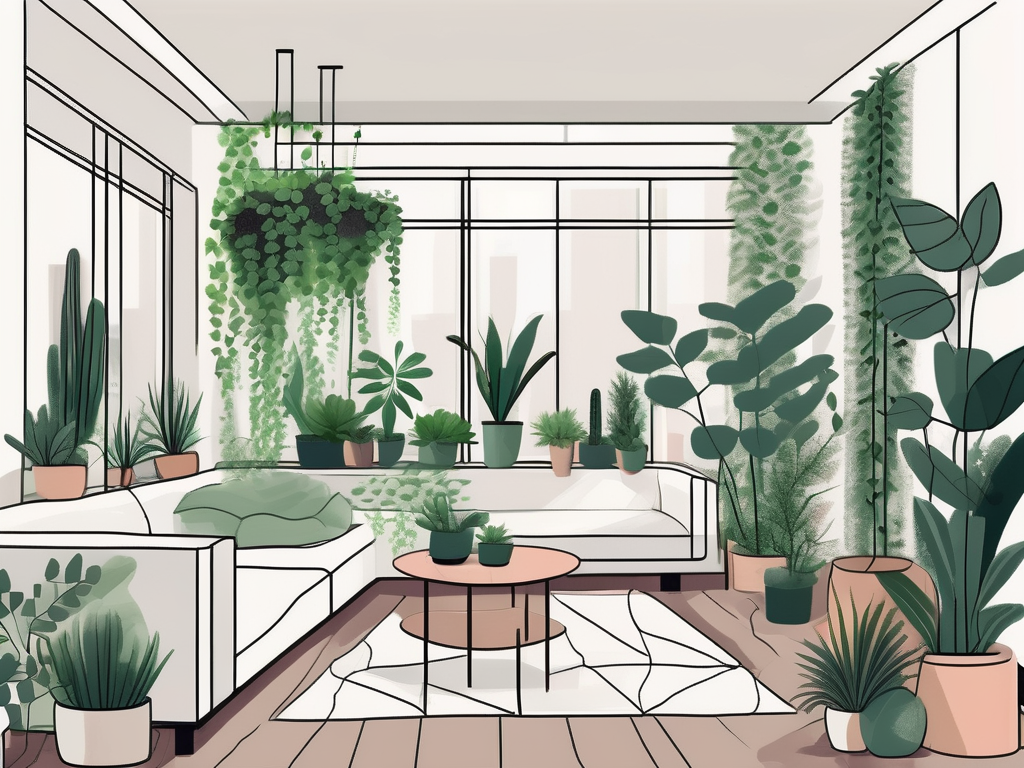
- Hanging plants: If you're short on floor space, consider hanging planters. They're perfect for trailing plants like pothos and spider plants.
Experiment with different arrangements until you find something that feels right for your space. Remember, there are no hard and fast rules—let your creativity be your guide!
Plant Parenting: Building Confidence
As a new plant parent, it's normal to feel uncertain at times. But with each plant you care for, you'll learn more about what works and what doesn't. Here are some tips to build your confidence:
- Start small: Begin with one or two plants and gradually expand your collection as you become more comfortable with their care.
- Learn from mistakes: Every plant parent makes mistakes. Use these experiences as learning opportunities rather than setbacks.
- Ask for help: Whether it's a friend with a green thumb or an online plant community, don't hesitate to seek advice or share your successes and challenges.
Remember, plant care is a journey, not a destination. Celebrate your successes and keep learning along the way.
Expanding Your Plant Knowledge
Once you've mastered the basics, you might want to dive deeper into the world of plants. Here are some resources and ideas for expanding your knowledge:
- Books and blogs: There are countless books and online resources dedicated to houseplant care. Find ones that resonate with you and explore the wealth of information they offer.
- Online communities: Join plant groups on social media or forums where you can connect with other plant lovers, share experiences, and ask questions.
- Workshops and classes: Many local plant shops and botanical gardens offer workshops on plant care. These can be a fun way to learn hands-on and meet other plant people.
The more you learn, the more rewarding your plant journey will become. Plus, you'll be better equipped to tackle any challenges that come your way.
Final Thoughts
Bringing houseplants into your home is a delightful way to invite nature in and brighten up your space. With a little patience and the right plants, you'll find that caring for an indoor garden can be a fulfilling and enjoyable experience.
At Cafe Planta, we're here to support you on your plant journey. Whether you're looking for a new addition to your collection or need help with plant care, feel free to reach out to us via email or connect with us on Instagram. We believe in the power of plants to bring people together and look forward to sharing our passion with you.