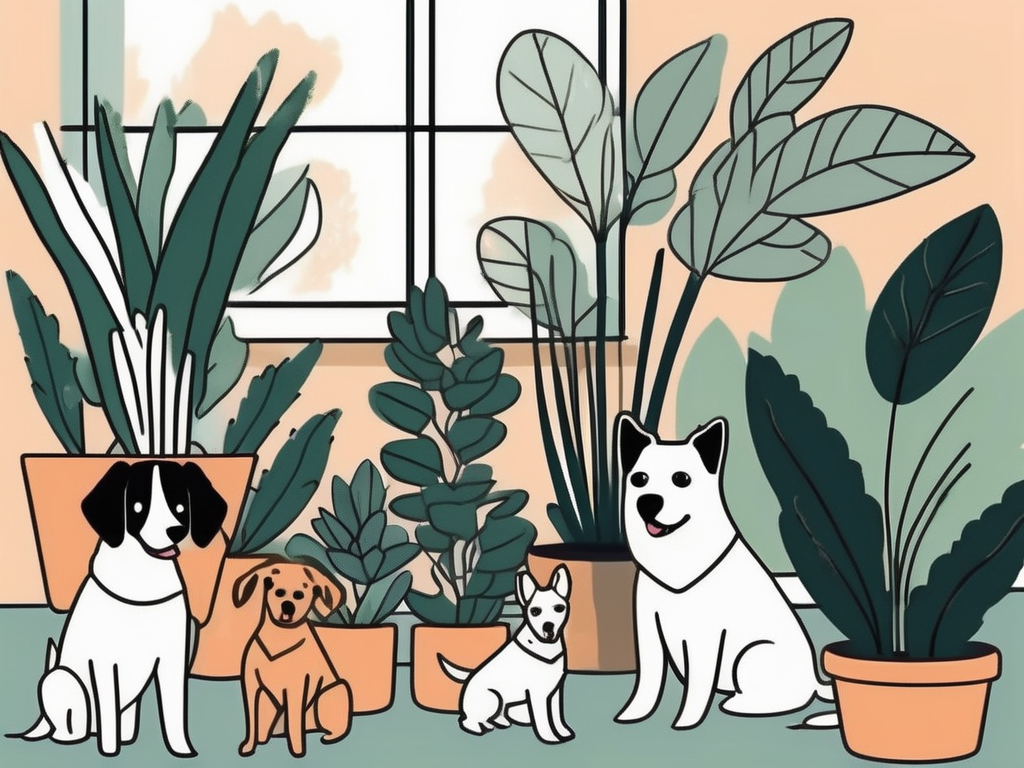
There's nothing quite like the joy of having a furry friend in your life. Dogs bring a bundle of love, energy, and sometimes a bit of chaos into our homes. But when it comes to houseplants, not all greenery is dog-friendly. Some plants can be toxic to our canine companions, and it's crucial to know which ones to avoid.
In this article, we'll walk you through a variety of houseplants that could pose a risk to your dog. We'll also discuss why they're harmful and share tips on keeping your home both green and safe. So, whether you're a seasoned plant parent or just starting out, keep reading to ensure your home is a safe haven for both your plants and pups.
Why Some Houseplants Are Toxic to Dogs
Let's kick things off by understanding why some houseplants can be harmful to dogs. It's not just about the plant itself, but often about the chemicals they produce as a defense mechanism. These chemicals can be irritants or downright toxic.
Plants produce a variety of substances to deter herbivores, including alkaloids, glycosides, and saponins. While these might sound like terms from a science class, they're essentially natural compounds that can cause anything from mild irritation to serious health issues in dogs. For example, glycosides can affect heart function, while saponins can irritate the digestive system.
Interestingly, what makes a plant toxic to dogs doesn't always affect humans or other animals. This is why it's essential to research the plants you bring into your home, especially if you have pets. Being informed is the first step to prevention.
Common Toxic Houseplants
Now, let's delve into some of the most common houseplants that can be toxic to dogs. These are popular choices for homes but can pose a hidden danger to your furry friends.
1. Aloe Vera
Known for its soothing properties, Aloe Vera is a staple in many homes. However, it's not as friendly to dogs as it is to humans. The gel inside the leaves is generally safe, but the plant's skin contains saponins and anthraquinones, which can cause vomiting, diarrhea, and lethargy in dogs.
2. Philodendron
Philodendrons are beloved for their lush green leaves and ease of care. But they contain calcium oxalate crystals, which can irritate your dog's mouth and throat, leading to drooling and difficulty swallowing.
3. Dieffenbachia
Also known as dumb cane, Dieffenbachia is another plant with calcium oxalate crystals. If ingested, it can cause oral irritation, swelling, and in severe cases, difficulty breathing.
4. Sago Palm
This plant is highly toxic to dogs. All parts of the Sago Palm contain cycasin, which can lead to liver failure, seizures, and even death. If you have a dog, it's best to avoid this plant entirely.
5. Pothos
Pothos are popular for their hardiness, but they contain insoluble calcium oxalate crystals that can irritate a dog's mouth and throat. Symptoms include drooling, vomiting, and difficulty swallowing.
Recognizing Symptoms of Plant Poisoning
Even with the best precautions, accidents can happen. It's crucial to recognize the symptoms of plant poisoning in dogs so you can act quickly.
Common signs of plant poisoning include:
- Vomiting or diarrhea
- Excessive drooling
- Lethargy or weakness
- Tremors or seizures
- Difficulty breathing
- Irritation or swelling of the mouth and throat
If you notice any of these symptoms, contact your vet immediately. Quick action can make a significant difference in the outcome.
Safe Alternatives to Toxic Plants
Don't worry, you don't have to give up on having houseplants altogether. Many beautiful and non-toxic alternatives can still give your home the green touch you crave.
1. Spider Plant
Spider plants are not only safe for dogs but are also known for their air-purifying qualities. They're easy to care for and can thrive in various lighting conditions.
2. Boston Fern
Boston ferns are lush and lovely, and fortunately, they're safe for pets. They prefer a bit more humidity, so they're perfect for bathrooms or kitchens.
3. Areca Palm
Areca palms are another pet-friendly option that adds a tropical feel to your home. They require bright, indirect light and regular watering.
4. Calathea
Known for their stunning leaf patterns, Calatheas are non-toxic to dogs and can add a splash of color to your space. They prefer low to medium light and high humidity.
Practical Tips for Dog-Proofing Your Plant Collection
Keeping your dog safe from toxic plants doesn't mean you have to forgo your love of greenery. Here are some practical tips to ensure both your plants and pets coexist peacefully.
- Placement is Key: Keep toxic plants out of your dog's reach. Consider hanging planters, wall-mounted shelves, or tall plant stands.
- Training and Deterrents: Teach your dog to avoid plants. Use deterrents like citrus peels, as dogs generally dislike the smell.
- Choose Dog-Safe Plants: Prioritize non-toxic plants in your home to minimize risk.
- Regular Monitoring: Keep an eye on your dog and your plants. Check for any signs of nibbling or disturbance.
The Role of Plant Decor in Pet-Friendly Homes
Plants do more than just beautify a space; they can improve air quality, reduce stress, and create a calming atmosphere. In a pet-friendly home, the goal is to enjoy these benefits without compromising your dog's safety.
By carefully selecting plants and strategically placing them, you can create a harmonious environment. Consider using plants to delineate spaces or add life to areas your dog doesn't frequent. Remember, every home is unique, so experiment with arrangements that fit your lifestyle and space.
Engaging Your Dog with Safe Plant Activities
Believe it or not, your dog can also enjoy the greenery without consuming it. Here are some fun ways to engage your dog with safe plant activities:
- Dog-Safe Herbs: Grow herbs like mint or basil that are safe for dogs and can be used for training treats.
- Indoor Dog Garden: Create a small area with dog-friendly plants for your pup to explore.
- Nature Walks: Take your dog on walks in nature to satisfy their curiosity and reduce their interest in indoor plants.
These activities can enrich your dog's environment and keep them entertained, reducing the likelihood they'll mess with your indoor plants.
When Accidents Happen: Steps to Take
If you suspect your dog has ingested a toxic plant, don't panic. Here's a quick guide on what to do:
- Identify the Plant: Knowing exactly what your dog ingested can help your vet determine the best treatment.
- Contact Your Vet: Call your vet or an emergency veterinary service immediately. Provide them with as much information as possible.
- Follow Professional Advice: Your vet may suggest bringing your dog in or monitoring them at home, depending on the situation.
It's always better to be safe than sorry, so don't hesitate to reach out for professional help if you have any concerns.
Final Thoughts
Creating a home that is both lush with greenery and safe for your furry friend might seem challenging, but it's entirely doable. With the right knowledge and precautions, you can enjoy the beauty of houseplants without compromising your dog's health and safety.
At Cafe Planta, we offer a variety of houseplants, including safe options for pet owners. If you have questions or need assistance, feel free to email us or reach out on Instagram. We're here to help you create a thriving plant collection that complements your life with your pet.