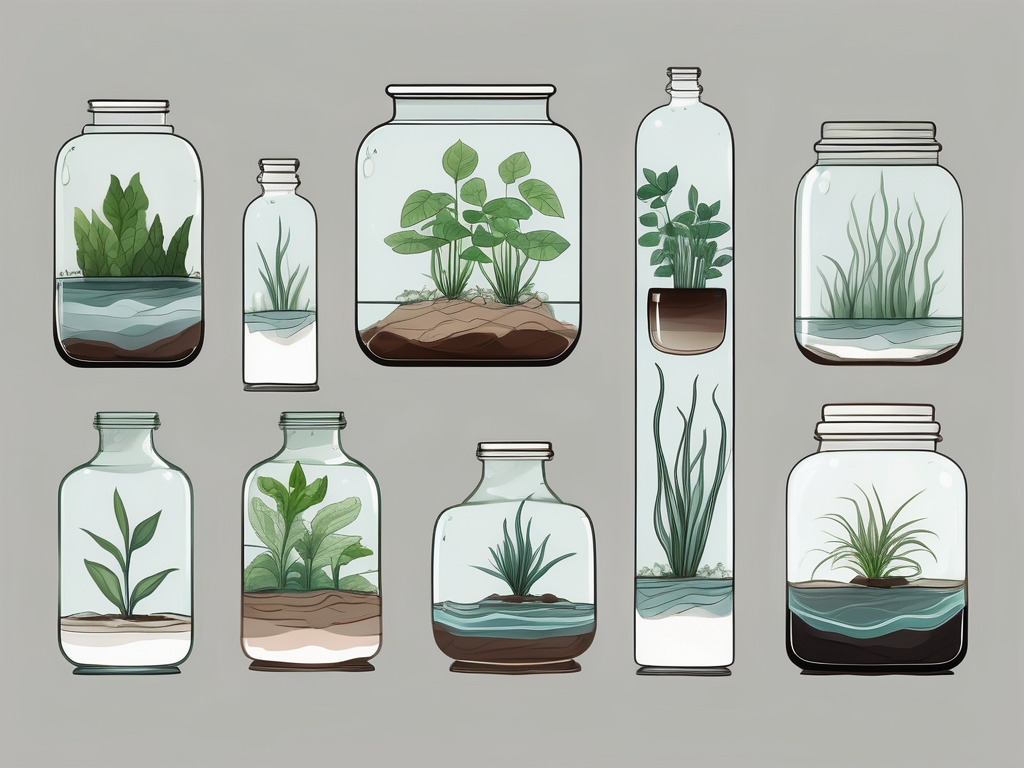
Houseplants can bring a touch of nature into your home, and the idea of growing these plants in water might seem a bit magical. It's not only possible but also a rewarding way to cultivate green beauty without the mess of soil. Imagine the ease of maintaining a plant that requires minimal care and yet thrives beautifully in a simple glass jar or vase.
This article will guide you through the world of houseplants that thrive in water. We'll cover everything from picking the right plants to understanding their care needs. By the end, you'll have a clear picture of how to incorporate these easy-care plants into your home decor, adding a splash of nature to your living space.
Why Grow Plants in Water?
Growing houseplants in water, also known as hydroponic gardening, has been around for ages. It's a fantastic choice for plant lovers who might not have time to deal with soil or those who prefer a cleaner approach to plant care. But why exactly should you consider this method?
First off, it's a low-maintenance option. Forget about dirt and the hassle of repotting. When you grow plants in water, you're eliminating many common issues associated with soil, like pests and soil-borne diseases. Plus, the water method allows you to see the roots in action, which is not only fascinating but also helps you monitor the plant's health directly.
And let's not forget the aesthetic appeal. Plants in clear water containers can look incredibly stylish, complementing modern and minimalist home interiors beautifully. They bring a fresh, serene vibe to any room, making them a perfect addition whether you're a seasoned plant parent or just dipping your toes into the world of indoor gardening.
Choosing the Right Plants
Not all plants are suited for life in water. Some thrive while others might struggle. So, how do you choose the right ones? Here's a list of some popular houseplants that love water:
- Pothos (Epipremnum aureum): Known for its heart-shaped leaves and trailing vines, Pothos is incredibly forgiving and one of the easiest plants to grow in water.
- Philodendron: Similar to Pothos, Philodendrons are adaptable and thrive with minimal care. Their lush foliage makes them a favorite for indoor spaces.
- Spider Plant (Chlorophytum comosum): This plant is not just easy to care for but also purifies the air. Spider plants grow well in water and can be propagated easily.
- Lucky Bamboo (Dracaena sanderiana): Technically not a bamboo, this plant is a symbol of good fortune. It grows well in water, making it a favorite for offices and homes.
- Peace Lily (Spathiphyllum): While typically grown in soil, Peace Lilies can adapt to water. They need a bit more attention compared to others but are worth the effort.
When selecting your plant, consider factors like the amount of light available, the size of the space, and your personal style preferences. Remember, these plants should be placed in a location where they get indirect sunlight, which is ideal for most water-grown plants.
Getting Started with Water Propagation
Once you've chosen the plants you want to grow, it's time to get started. Water propagation is a simple process, and here's how you can do it:
- Choose a Healthy Cutting: Select a healthy stem or leaf from your plant. Ensure the cutting is at least 4-6 inches long and has a few leaves.
- Remove Lower Leaves: Trim off any leaves that might be submerged in water. This helps prevent rot and keeps the water clean.
- Place in a Container: Use a glass jar or vase filled with water. Make sure the water level covers the nodes where roots will grow but doesn't submerge the leaves.
- Change Water Regularly: Change the water every week to prevent stagnation and ensure the plant gets enough oxygen.
- Monitor and Wait: Place your plant in a spot with indirect sunlight and watch as roots start to develop. This can take a few weeks, so be patient.
Once the roots are a couple of inches long, your plant is well on its way to thriving in water. This process not only helps in growing new plants but can also revive ones that are struggling in soil.
Caring for Water-Grown Plants
Now that your plants are happily growing in water, let's talk about how to care for them. While they are low-maintenance, a few tips can help keep them healthy and vibrant:
Firstly, keep an eye on the water level. Water can evaporate quickly, especially in warmer months, so make sure the roots are always submerged. Use filtered or distilled water if possible, as tap water can contain chlorine and other chemicals that might not be ideal for your plants.
Next, consider adding a liquid fertilizer every month or so. Since the plants aren't getting nutrients from the soil, a diluted fertilizer can help provide them with the necessary nutrients to grow well.
Finally, clean the container every few weeks. This prevents algae buildup and keeps the roots healthy. Simply rinse the container and refill it with fresh water and your plant is ready to go.
Incorporating Water-Grown Plants into Your Decor
Once you've got the hang of growing plants in water, it's time to think about how you can use them to enhance your home decor. The transparent containers not only showcase the plant but also add a touch of elegance and simplicity to your space.
Consider placing a row of small glass vases on your windowsill. The light filtering through the water creates a beautiful effect, and you'll have a mini indoor garden that's easy to maintain. For larger spaces, a statement vase with a single, substantial plant like a Philodendron can be a striking centerpiece on a dining table or sideboard.
You can also experiment with different container shapes and sizes to suit your decor style. From classic mason jars to sleek, modern glassware, there's no shortage of options to explore. And don't be afraid to mix and match plants for a more eclectic look.
Common Challenges and How to Overcome Them
While growing plants in water is generally trouble-free, you might encounter a few challenges along the way. Here are some common issues and how to address them:
One problem is yellowing leaves. This can be due to several factors, such as inadequate light, lack of nutrients, or even too much water. Make sure your plant is getting enough light and consider adding a liquid fertilizer to the water.
If you notice algae build-up, it's often a sign that the water isn't being changed frequently enough or that too much light is hitting the water. Keep the container clean and place it in a spot with indirect sunlight to keep algae at bay.
Sometimes, the roots can rot if they're submerged for too long. Ensure that only the roots are in the water, and the leaves are above the waterline. If you notice signs of rot, trim the affected roots and change the water immediately.
Benefits of Growing Plants in Water
There are several benefits to growing your houseplants in water. For starters, it's a cleaner method that avoids the mess of potting soil. If you've ever dealt with spilled soil, you'll appreciate the tidiness.
Additionally, water-grown plants are generally less prone to pests. Soil can harbor insects and diseases, but water is a less inviting environment for these nuisances. This means less time spent dealing with pest control and more time enjoying your plants.
Growing plants in water is also a great way to propagate new plants. If you have a thriving Pothos or Philodendron, you can easily take cuttings and start new plants to share with friends or expand your collection. It's a fun and rewarding way to spread the love of plants.
Combining Water and Soil Methods
If you're someone who loves variety, you might consider combining water and soil methods for a dynamic plant display. This approach allows you to enjoy the benefits of both methods while creating a rich, textured look in your home.
For example, you could have a few plants thriving in water alongside potted plants in soil. This mix can add depth to your decor and offer a bit more flexibility in terms of plant choice. Some plants might start their life in water and later transition to soil once their roots are established.
It's all about finding what works best for your lifestyle and space. Feel free to experiment with different combinations until you find the perfect balance that suits your home.
Creating a Maintenance Schedule
Even though water-grown plants are low-maintenance, having a routine can ensure they continue to thrive. Here's a simple schedule to keep your plants happy:
- Weekly: Change the water to keep it fresh and oxygenated.
- Monthly: Add a diluted liquid fertilizer to provide necessary nutrients.
- Bi-Monthly: Clean the container to prevent algae and mineral deposits.
By sticking to this routine, you'll be able to enjoy the beauty of your plants without much fuss. Plus, it offers a relaxing opportunity to connect with your plants regularly, observing their growth and making any necessary adjustments.
Final Thoughts
Growing houseplants in water is a delightful way to bring greenery into your home with minimal fuss. From low-maintenance care to decorative appeal, water-grown plants offer numerous benefits that make them a great choice for any plant lover.
At Cafe Planta, we believe in the power of plants to transform spaces and bring joy. If you have any questions or need advice, feel free to email us or reach out on Instagram. We're here to help you on your plant journey, whether you're just starting out or looking to expand your collection.