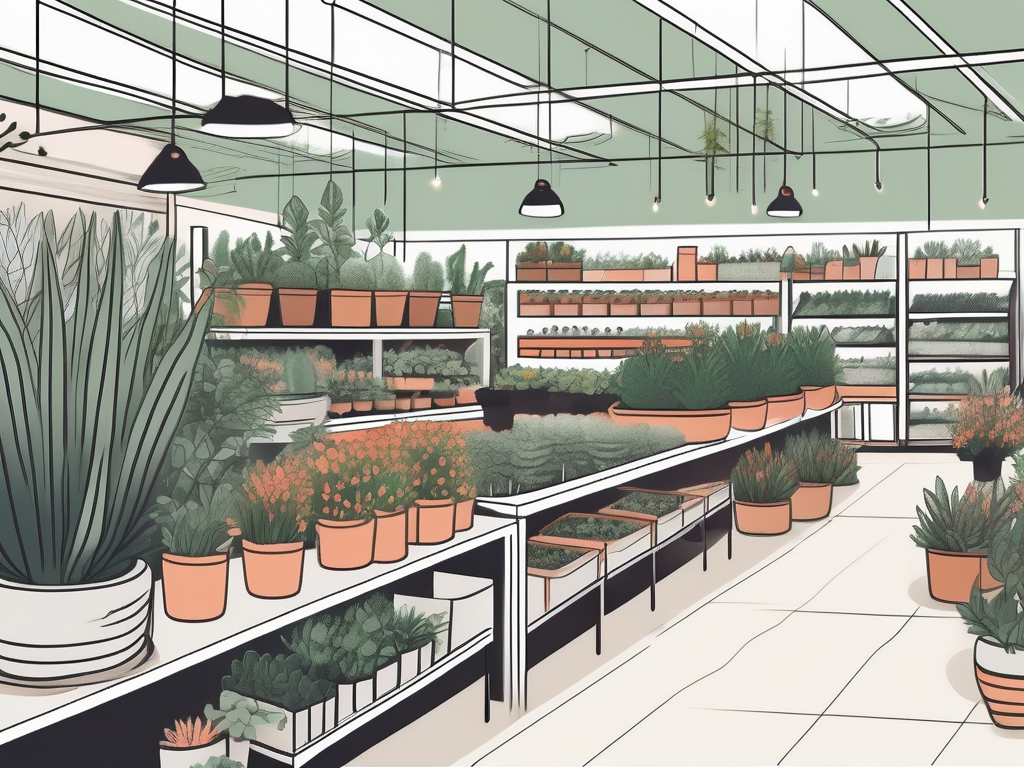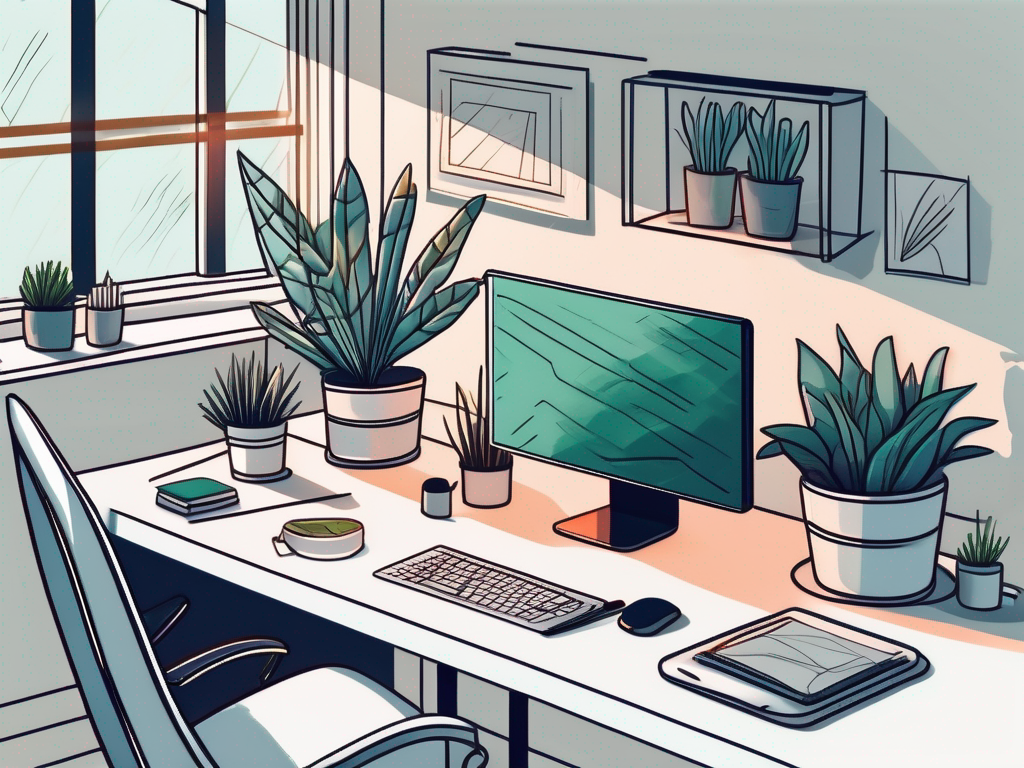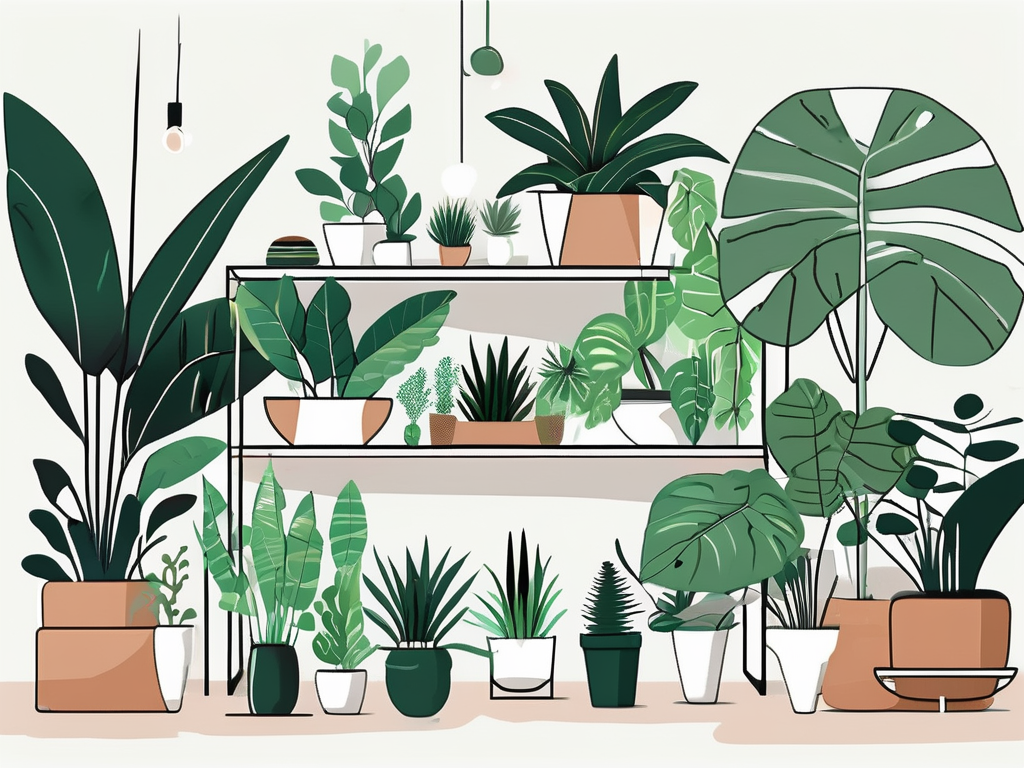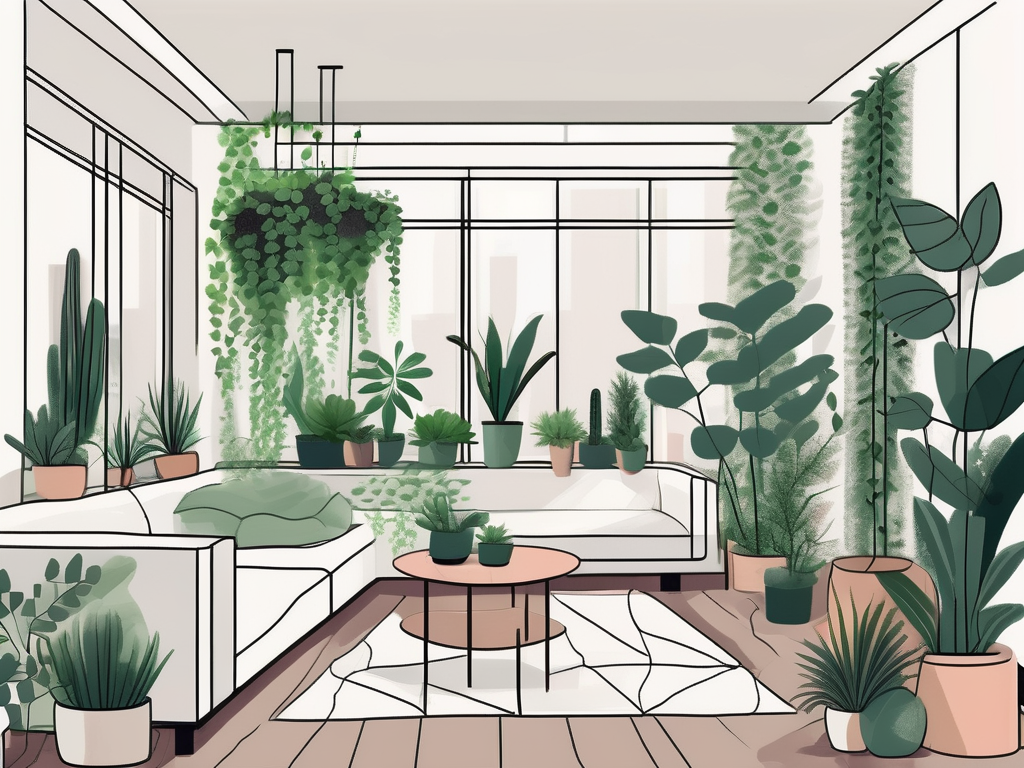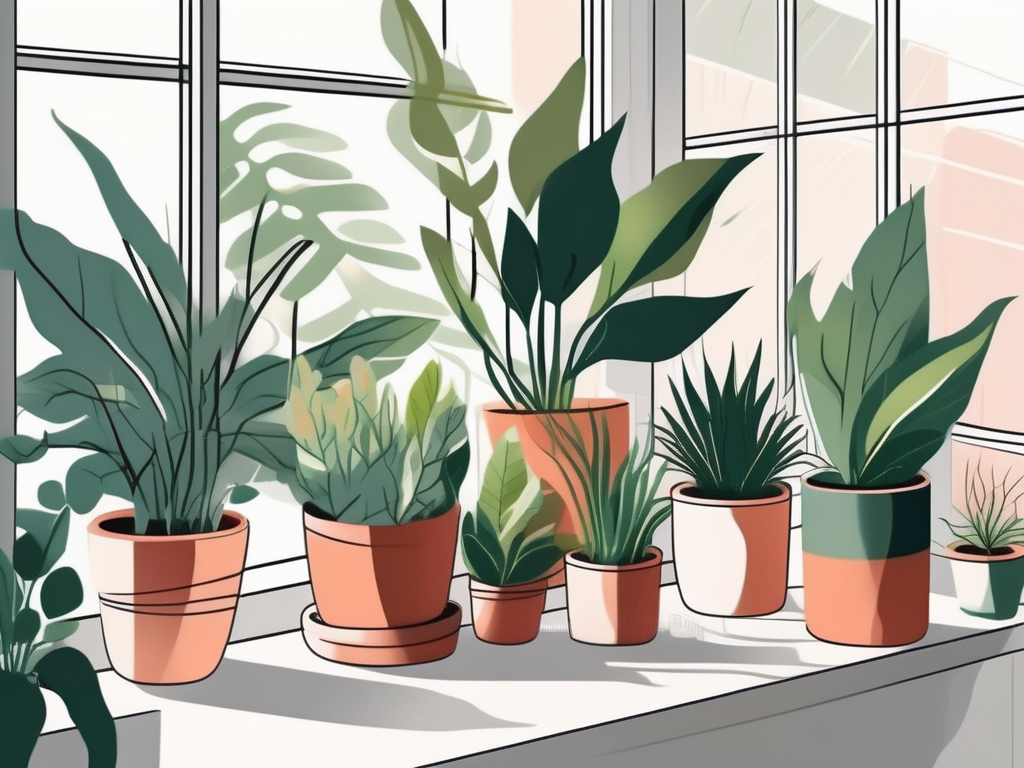
Houseplants are more than just a pretty face in your home; they’re companions that can boost your mood and help you feel more connected to nature. Whether you're looking to jazz up your living space or just want to add a splash of greenery, indoor gardening is a rewarding hobby that anyone can enjoy.
In this guide, we'll cover everything you need to know to start your journey as a plant parent. From choosing the right plants for your space to troubleshooting common issues, you'll be well-equipped to nurture your indoor garden.
Choosing the Right Houseplants for Your Space
Starting with the right plants can make all the difference in your indoor gardening experience. Some plants are more forgiving than others, so it’s wise to begin with species that are known for being easy-going. Think of it like picking a starter pet; you probably wouldn’t begin with a high-maintenance breed.
Consider your home’s lighting conditions first. Light is a critical factor for plant growth, and not all plants have the same needs. Here are a few types to consider based on typical home environments:
- Low Light: Snake plants and pothos are excellent choices for dim corners.
- Medium Light: Peace lilies and ZZ plants can thrive with indirect sunlight.
- Bright Light: Succulents and cacti love a sunny windowsill.
Beyond lighting, think about the climate of your space. Is it humid, like a rainforest, or more arid, like a desert? Tropical plants like ferns love humidity, while succulents prefer dry conditions. By matching plants to your environment, you’re setting them—and yourself—up for success.
Potting and Soil Care
Once you've chosen your plants, it's time to get your hands dirty—literally. The right pot and soil can make a world of difference in how well your plants grow. Let’s break it down:
First, select the right pot. It should have drainage holes to prevent water from pooling at the bottom, which can lead to root rot. While those decorative pots without holes look nice, they’re more suited to being outer covers rather than primary homes for your plants.
Now, onto soil. Not all soils are created equal, and using the wrong type can hinder plant growth. Here’s a quick guide:
- General Potting Soil: Suitable for most houseplants, this mix usually contains peat moss, vermiculite, and perlite.
- Cacti and Succulent Mix: Designed for fast drainage, this soil is ideal for plants that don’t like sitting in water.
- Orchid Bark: Perfect for orchids, which need more airflow around their roots.
When potting your plant, gently loosen the roots and fill around them with your chosen soil, pressing down lightly to eliminate air pockets. Water thoroughly, allowing excess to drain out. Your plant is now ready to settle in its new home!
Watering Wisely
Watering might seem straightforward, but it’s an area where many new plant parents trip up. Too much love (or water) can be just as harmful as too little. The key is to know your plant’s needs and to check for signs of thirst.
A common rule of thumb is to let the top inch of soil dry out before watering again. This works for most houseplants, but always check specific needs; some plants, like succulents, prefer to dry out completely between waterings.
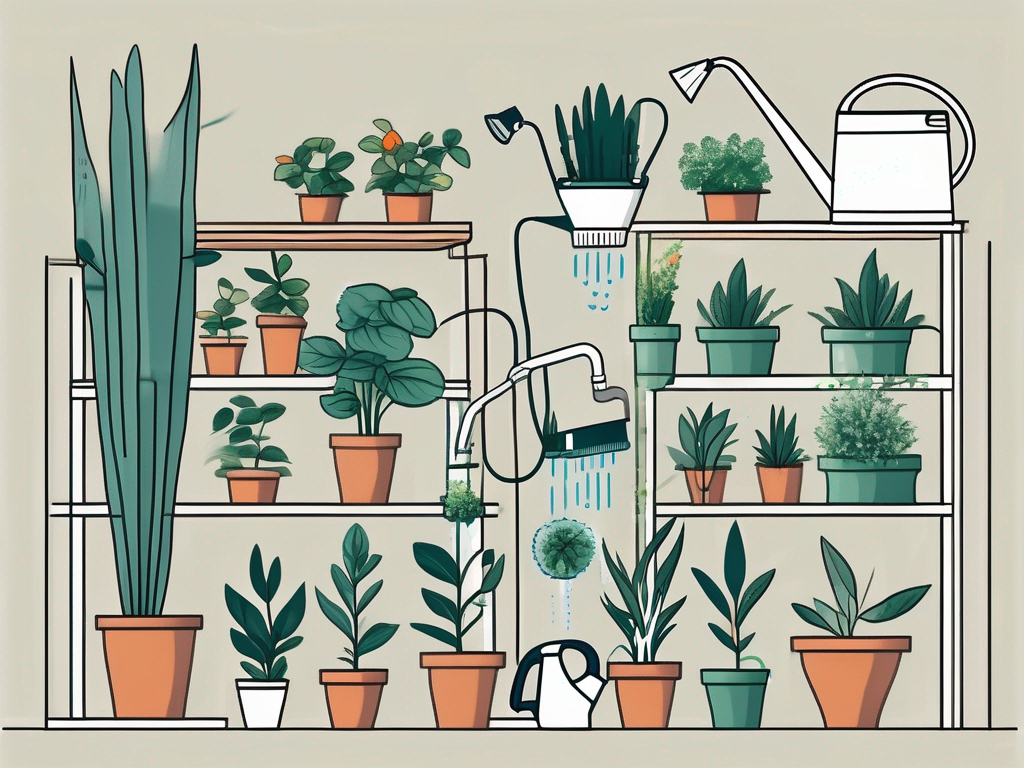
Here are some tips to help you find the right balance:
- Finger Test: Stick your finger into the soil up to the first knuckle. If it feels dry, it’s time to water.
- Weight Test: Lift the pot to gauge its weight. A light pot typically means dry soil.
- Observe Leaves: Wilting can indicate both overwatering and underwatering. Check the soil to confirm.
When watering, aim for a slow, deep soak rather than a quick sprinkle. This encourages roots to grow deeper, making your plant more resilient. Remember, it’s better to underwater than overwater—you can always add more water, but you can’t take it away.
Dealing with Pests and Fungal Issues
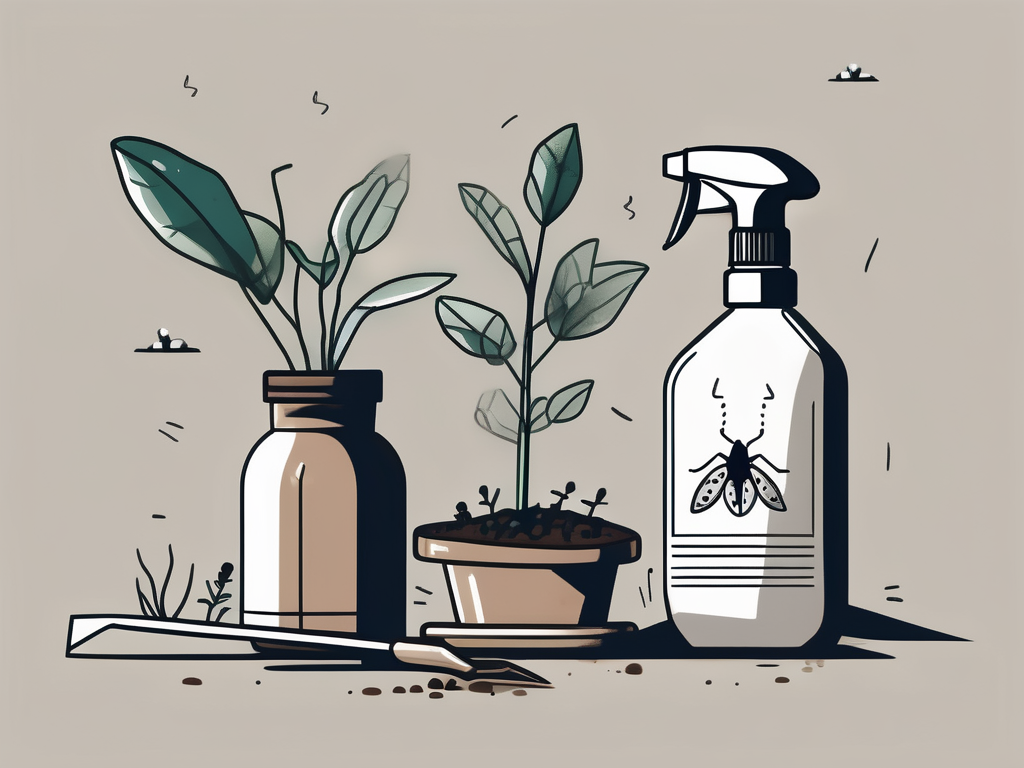
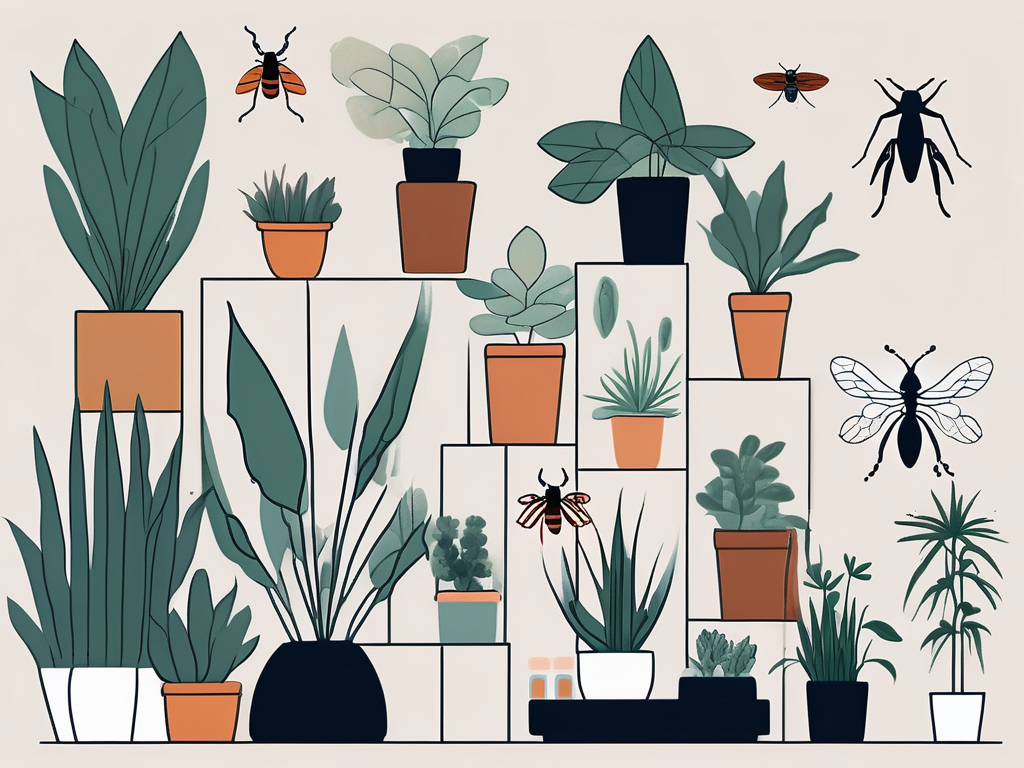
Imagine you’re having a lovely day, only to notice your plant has some unwanted guests. Pests and fungal issues are common in the world of houseplants, but they’re nothing you can’t handle with a bit of vigilance and care.
First, get to know the usual suspects:
- Spider Mites: Tiny and hard to see, these pests leave a web-like residue.
- Aphids: Small, often green insects that cluster on new growth.
- Fungus Gnats: Annoying little flies often found in overwatered soil.
Here’s how you can tackle them:
- Isolate the Plant: Move the affected plant away from others to prevent spreading.
- Neem Oil: This natural pesticide works well for most pests. Spray on leaves and soil.
- Sticky Traps: Use these to catch flying insects like fungus gnats.
For fungal issues, like powdery mildew, ensure good air circulation and avoid overhead watering. Fungicides can also help, but sometimes simply removing affected leaves and adjusting care can solve the problem.
Fertilizing for Growth
Feeding your plants is like giving them a multivitamin; it ensures they have the nutrients needed to grow strong and healthy. However, more isn’t always better when it comes to fertilizer, so here’s what you need to know.
Houseplants generally benefit from fertilization during their growing season, which is usually spring and summer. During fall and winter, most plants enter a dormant phase and don’t need extra nutrients.
When choosing a fertilizer, consider these options:
- Liquid Fertilizer: Easy to mix into your watering routine, it’s diluted with water and applied directly to the soil.
- Slow-Release Pellets: These are mixed into the soil and release nutrients gradually over time.
- Organic Options: Compost teas and worm castings are great for those who prefer a more natural approach.
Follow the instructions on the package for the right amounts. Over-fertilizing can lead to a buildup of salts in the soil, which can harm your plants. If in doubt, err on the side of under-fertilizing. Your plants will thank you!
Designing Plant-Filled Spaces
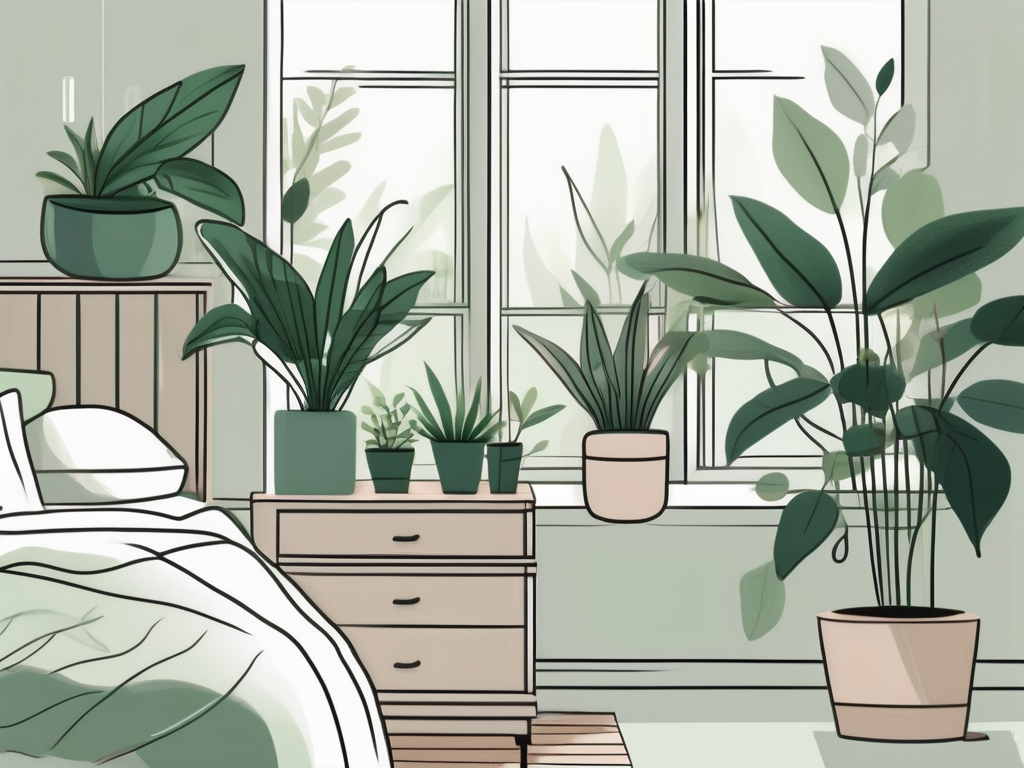
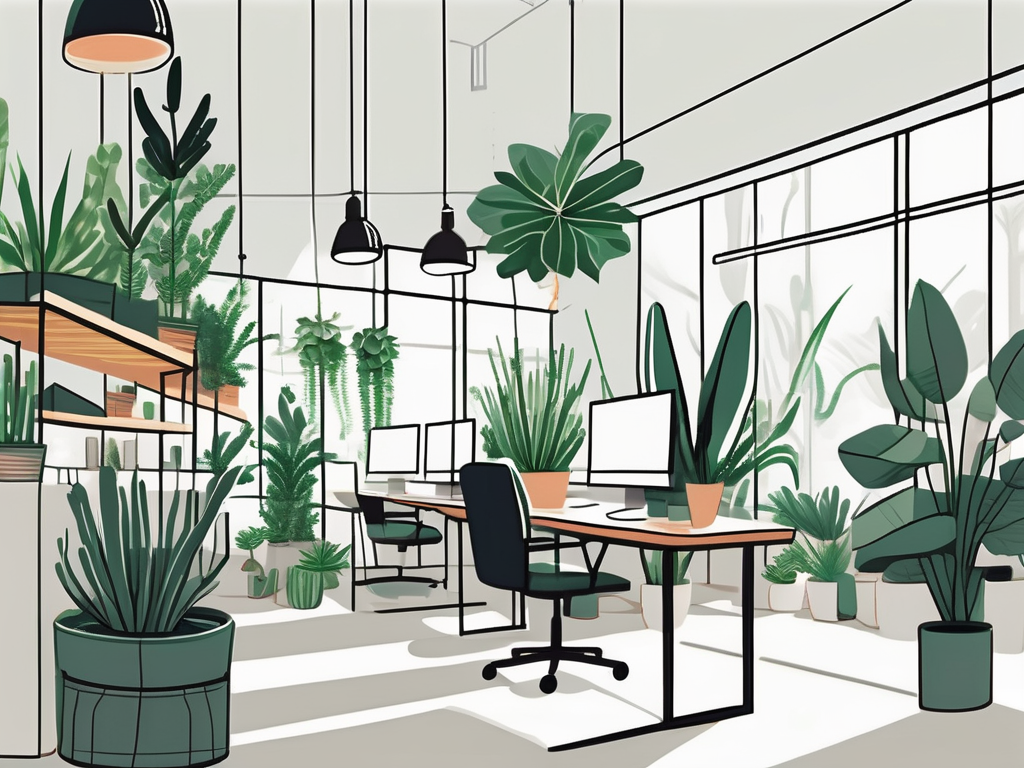
Now that you’ve got your plant care down, let’s talk about making your space look amazing with houseplants. Plants can transform a room by adding color, texture, and life. Whether you’re going for a jungle vibe or a minimalist touch, there are plenty of ways to incorporate greenery.
Consider these tips for designing your plant-filled haven:
- Vary Heights and Sizes: Mix tall plants with shorter ones to create visual interest.
- Use Plant Stands: Elevate smaller plants on stands to make them a focal point.
- Group Plants Together: Create a cohesive look by clustering plants with similar care needs.
Think about how you can integrate plants into unexpected spaces, like hanging plants in the bathroom or placing small pots on kitchen shelves. The key is to make it feel natural and personal, reflecting your style.
Understanding Light and Placement
Finding the perfect spot for your plants can be a bit like playing a game of musical chairs. It’s all about positioning them just right to catch the light they need. Let’s be honest; no plant likes to be in the spotlight all the time, so knowing their preferences helps.
For instance, a south-facing window usually offers bright, direct light, which is perfect for sun-loving species. On the other hand, north-facing windows tend to provide low, indirect light, ideal for shade-loving plants.
Here are a few placement tips:
- Rotate Your Plants: Turn your plants every so often to ensure even growth.
- Mind the Distance: Keep plants away from cold drafts or hot radiators.
- Use Sheer Curtains: If sunlight is too intense, diffuse it with sheer curtains to prevent leaf burn.
Remember, plants might need a little adjustment period when you move them. They’re like us in that way; new surroundings can take some getting used to. Give them time, and don’t be afraid to tweak placements until they seem happy.
Propagation: Growing Your Plant Family
Once you’ve got a handle on caring for your plants, you might find yourself wanting more. Propagation is a fantastic way to grow your collection without buying new plants. Plus, it’s rewarding to watch a cutting transform into a thriving plant.
There are several methods for propagation, depending on the plant species:
- Stem Cuttings: Perfect for plants like pothos and philodendrons. Simply cut a section of stem below a node and place it in water or soil.
- Leaf Cuttings: Suitable for succulents. Cut a healthy leaf, let it callus over, and plant it in soil.
- Division: Ideal for plants like peace lilies. Gently separate the root ball into sections and replant.
With a bit of patience and care, you’ll soon see roots forming and new growth emerging. It’s like magic, only with plants!
Creating a Plant Care Routine
Consistency is the secret ingredient to thriving houseplants. Much like us, plants flourish on routine. Establishing a regular care schedule can help ensure your plants get what they need when they need it.
Consider creating a simple checklist to keep track of care tasks:
- Watering: Mark your calendar or set reminders for when each plant needs a drink.
- Fertilizing: Plan to feed during the growing season and mark it on your calendar.
- Inspecting for Pests: Take a few minutes each week to check for unwanted guests.
By sticking to a routine, you’ll find that plant care becomes second nature, and your plants will reward you with lush growth and vibrant foliage.
Final Thoughts
Starting your journey with houseplants is both exciting and fulfilling. From choosing the perfect plant to understanding its needs, you've now got the tools to create a thriving indoor garden. Remember, it’s all about enjoying the process and learning as you go.
At Cafe Planta, we're here to support your plant journey. Whether you're looking for unique houseplants, plant care accessories, or plant-themed apparel, we've got you covered. If you have any questions or need advice, feel free to email us or send us a DM on Instagram. We're excited to help you connect with nature and build a beautiful home filled with thriving plants.