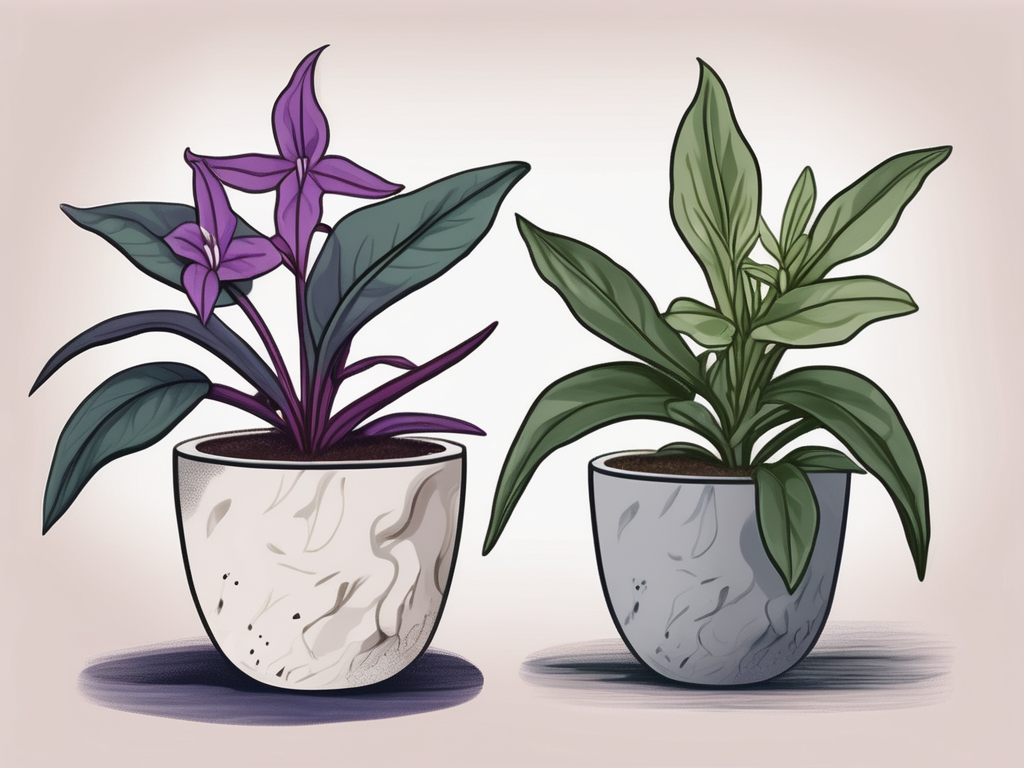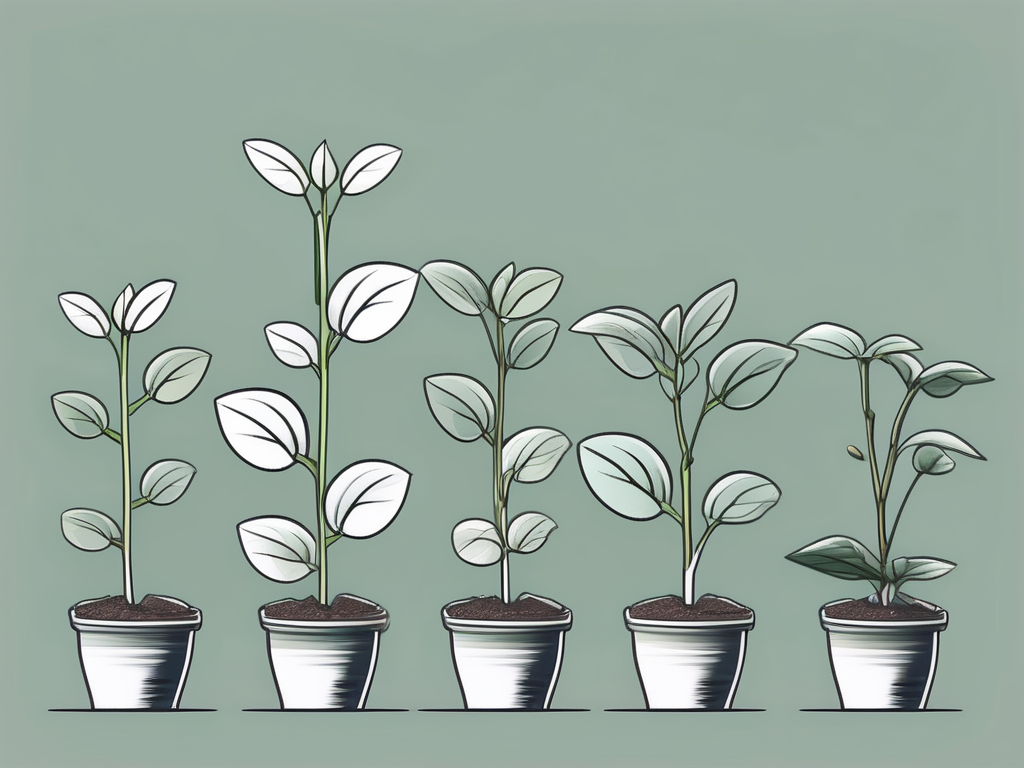
Hoya plants, with their waxy leaves and fragrant flowers, have certainly found their way into the hearts of many plant lovers. Known for their vining nature and striking blooms, these plants are often a favorite for those looking to add a touch of green and a hint of the exotic to their homes.
In this guide, we'll explore how fast hoyas grow, what factors influence their growth rate, and how you can encourage your hoyas to thrive in your home. Whether you're a seasoned plant parent or just getting started, there's always something new to learn about these fascinating plants.
Understanding Hoya Growth Rates
Hoyas, like any other plant, grow at different rates depending on various factors. On average, hoyas are known to be relatively slow growers, especially when compared to fast-growing houseplants like pothos or spider plants. However, don't let this discourage you! The slow and steady growth of hoyas often leads to a more robust and healthy plant over time.
Many factors can influence how quickly a hoya grows, including the specific species or variety, the environment, and the care they receive. Some hoyas may put out multiple leaves or even new vines within a few months, while others may take their sweet time to show any significant growth. Patience is key when it comes to hoyas, and their stunning blooms are often worth the wait.
Factors Influencing Hoya Growth
Several factors can affect the growth rate of your hoya, from lighting conditions to humidity levels. Understanding these factors can help you create the perfect environment for your plant to flourish.
Light Conditions
Light is one of the most critical factors in determining how fast your hoya will grow. These plants prefer bright, indirect light, which mimics the dappled sunlight they would receive in their natural habitat under the canopy of tropical forests. Too much direct sunlight can scorch the leaves, while too little light can result in slow growth or a lack of blooms.
If you notice your hoya isn't growing as fast as you'd like, consider adjusting its light exposure. Try placing it near a window with filtered light or use a sheer curtain to diffuse direct sunlight. In some cases, you might even need to supplement with a grow light, especially during the shorter days of winter.
Temperature and Humidity
Hoyas thrive in warm temperatures and high humidity, similar to what they would experience in their native tropical environments. Ideally, you want to keep your hoya in temperatures between 60-80°F (16-27°C) and humidity levels above 40%. While they can tolerate lower humidity, they may not grow as quickly or produce as many blooms.
To increase humidity around your hoya, you can:
- Use a humidifier in the room.
- Group your hoya with other plants to create a more humid microclimate.
- Place a tray of water with pebbles under the plant (ensuring the pot is not sitting directly in water).
Soil and Potting Mix
Choosing the right soil mix is crucial for hoyas, as they prefer a well-draining medium that allows their roots to breathe. A mix of orchid bark, perlite, and a bit of potting soil usually works well, providing the aeration and drainage hoyas need.
When potting your hoya, ensure the pot has drainage holes to prevent water from sitting at the bottom, which can lead to root rot. Repotting is generally only needed every couple of years or when the plant has clearly outgrown its pot.
Watering Practices
Watering can be a bit tricky with hoyas, as they prefer to dry out a bit between waterings. Overwatering is a common issue that can lead to root rot and slow growth. As a rule of thumb, water your hoya when the top inch of the soil feels dry to the touch.
Keep in mind that hoyas have thick, waxy leaves that help them retain moisture, so they don't need as much water as some other houseplants. During the growing season (spring and summer), they may require more frequent watering, but be sure to adjust your watering schedule during the dormant winter months.
Fertilizing for Growth
While hoyas don't require frequent fertilization, giving them a little extra nutrition during their active growing season can help boost growth. Use a balanced, water-soluble fertilizer every month or so during spring and summer. Be sure not to over-fertilize, as this can harm your plant and lead to salt buildup in the soil.
During fall and winter, when growth typically slows, you can reduce or even stop fertilizing altogether. This rest period allows your hoya to conserve energy and focus on developing strong roots and foliage for the next growing season.
Pruning and Training
Pruning your hoya can promote bushier growth and encourage new vines. If you notice your hoya getting too leggy or sparse, don't be afraid to trim it back. This can stimulate the plant to put out new shoots and leaves, leading to a fuller appearance.
When training your hoya, consider using a trellis or hoop to support its vining nature. This not only helps the plant grow in a more organized manner but also can create an attractive display. Gently guide the vines around the support structure, being careful not to damage them.
Common Hoya Varieties and Their Growth Patterns
Different hoya varieties can have varying growth habits, which can influence how fast they grow. Let's take a look at some popular hoya types and their typical growth patterns:
- Hoya Carnosa: Known for its thick, waxy leaves and clusters of star-shaped flowers, this variety can grow quite vigorously under the right conditions.
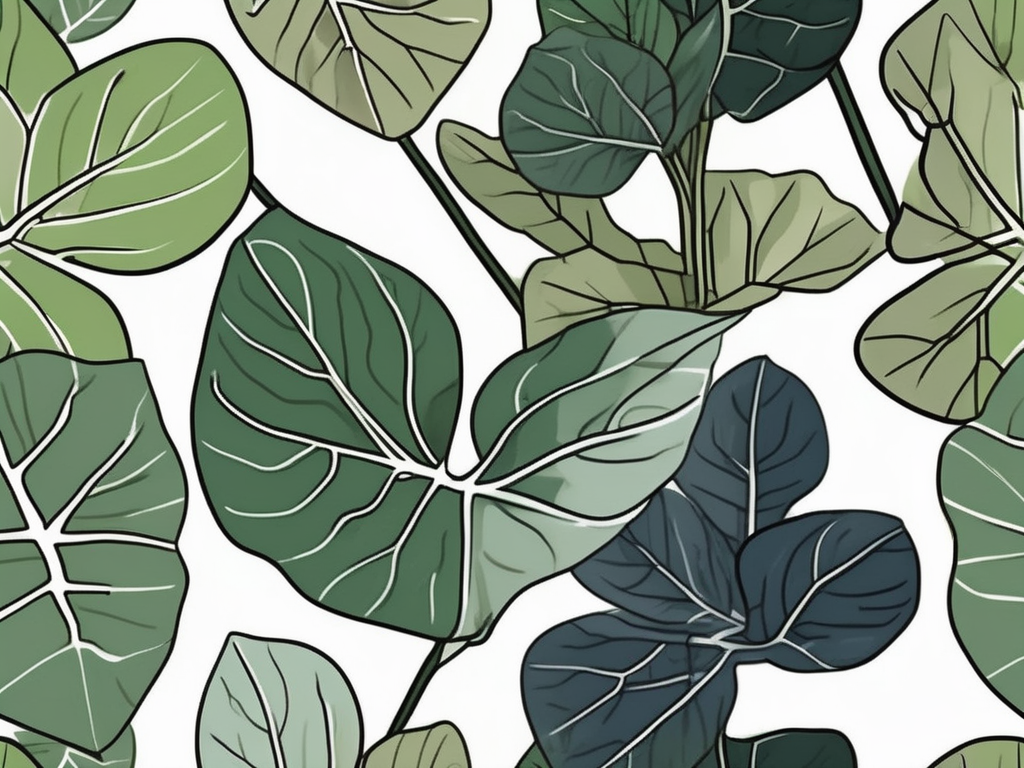
- Hoya Kerrii: Often called the "Sweetheart Plant" due to its heart-shaped leaves, this hoya tends to grow more slowly but makes a charming addition to any collection.
- Hoya Pubicalyx: This variety is known for its rapid growth and striking blooms, making it a great choice for those looking for a faster-growing hoya.
Understanding the specific needs and growth patterns of your hoya variety can help you tailor your care routine to support its growth effectively.
Encouraging Blooms
One of the most rewarding aspects of growing hoyas is the stunning blooms they produce. However, getting a hoya to flower can sometimes be a challenge. Here are a few tips to encourage your hoya to bloom:
- Ensure it's receiving enough light, as insufficient light can delay or prevent blooming.
- Provide a period of cooler temperatures during winter to mimic their natural dormancy period.
- Be patient, as some hoyas may take several years before they start blooming regularly.
With the right care and conditions, your hoya will eventually reward you with its beautiful and fragrant flowers.
Dealing with Pests and Problems
Hoyas are relatively hardy plants, but they can still fall victim to pests and diseases. Common pests include mealybugs, aphids, and spider mites. Regularly inspect your hoya for signs of pests, such as sticky residue or discolored leaves.
To treat pest infestations, you can:
- Use insecticidal soap or neem oil as a natural remedy.
- Wipe down leaves with a damp cloth to physically remove pests.
- Isolate the affected plant to prevent the spread to other houseplants.
In addition to pests, watch out for root rot, which can occur if the plant is overwatered. Yellowing leaves and a lack of growth can be signs of this issue. If you suspect root rot, check the roots for mushiness and trim away any affected parts.
Creating a Hoya-Friendly Environment
Designing a space where your hoya can thrive involves more than just meeting its basic needs. Consider the aesthetic and practical aspects of incorporating hoyas into your home decor.
Here are some tips for creating a hoya-friendly environment:
- Use decorative pots and planters that complement your interior design style.
- Arrange your hoyas on shelves, plant stands, or hanging baskets to showcase their vining nature.
- Group hoyas with other tropical plants to create a lush, green oasis in your home.
By taking the time to create a space that meets your hoya's needs and enhances your living area, you'll enjoy the beauty and benefits of these wonderful plants.
Final Thoughts
We've journeyed through the world of hoyas and their growth habits, covering everything from light and soil requirements to pest management and aesthetic placement in your home. With patience and the right care, your hoyas will not only grow but flourish, adding beauty and a touch of the exotic to your living space.
At Cafe Planta, we're passionate about helping you succeed in your plant journey. Whether you're looking for a new hoya to add to your collection or need advice on plant care, we're here for you. Feel free to email us or send us a message on Instagram. Let's connect and share our love for plants!