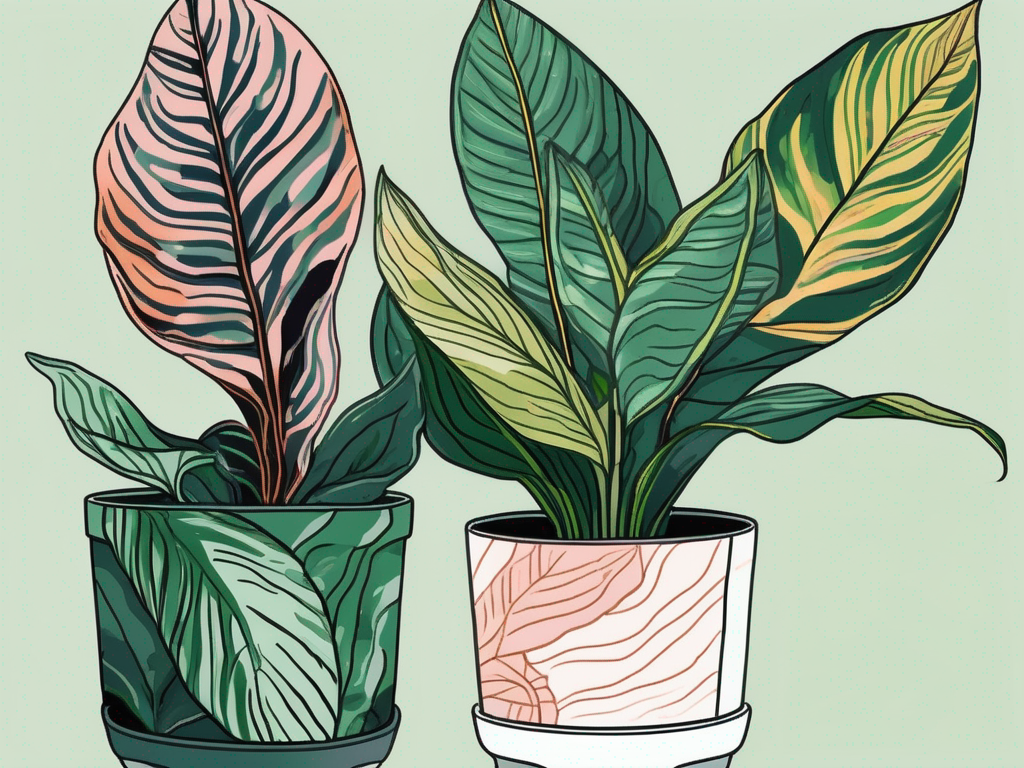
Philodendron Pink Princess is a stunning plant that has captured the hearts of plant lovers everywhere. Its striking pink and green variegated leaves make it a standout addition to any home. But if you’ve recently welcomed one into your plant family, you might be wondering just how fast this beauty will grow.
This article will guide you through the growth rate of the Philodendron Pink Princess, what factors influence its growth, and how you can create the best conditions for it to thrive. Whether you’re a seasoned plant parent or new to the joys of indoor gardening, this guide will provide you with the tips and tricks to help your Pink Princess flourish.
Understanding the Growth Rate
The Philodendron Pink Princess isn't exactly a speed demon when it comes to growth. This lovely plant tends to grow at a moderate pace, with new leaves emerging every month or so under ideal conditions. However, several factors can influence how quickly—or slowly—your plant grows.
First and foremost, it's important to remember that every plant is unique. Just like people, plants have their own growth quirks and personalities. Some Philodendron Pink Princess plants might be quick to push out new leaves, while others might take their sweet time. Patience is key, and understanding the natural rhythm of your plant will help you enjoy the process.
That said, if you’re noticing significantly slower growth, it might be worth looking into the conditions your plant is experiencing. Factors such as light, water, and soil can all play a role in how quickly your Pink Princess grows, and we'll explore these in more detail below.
The Role of Light
Light is one of the most crucial factors affecting the growth rate of your Philodendron Pink Princess. These plants love bright, indirect light, which mimics their natural habitat under the canopy of tropical forests. Too little light can lead to slow growth and less variegation in the leaves, while too much direct sunlight can scorch them.
Finding the right balance can be a bit of a Goldilocks scenario. If your plant is too far from a light source, it might become "leggy," stretching its stems in search of more light. On the other hand, if it’s too close to a window, the leaves might develop sunburn—yes, plants can get sunburn too!
A good rule of thumb is to place your Philodendron Pink Princess near a bright window with filtered light. If natural light is scarce, consider using grow lights to supplement. Just remember to keep an eye on your plant's leaves for any signs of distress, as they can be quite the tattletales when it comes to their needs.
Watering Wisely
Watering can be a bit tricky with the Philodendron Pink Princess, as it prefers to have its soil moist but not soggy. Overwatering is one of the most common pitfalls for plant parents and can lead to root rot, which can severely stunt your plant's growth.
To find the right watering schedule, it's best to check the soil moisture rather than follow a strict calendar. Insert your finger about an inch into the soil; if it feels dry, it’s time to water. If it's still damp, give it a few more days before checking again.
A key tip is to ensure your pot has proper drainage. This goes a long way in preventing water from sitting at the bottom of the pot and causing root rot. If you’re using a decorative pot without drainage holes, consider using a nursery pot with holes inside it.
Interestingly enough, the type of water you use can also make a difference. Philodendron Pink Princess plants can be sensitive to chemicals found in tap water. If your tap water is high in chlorine or fluoride, opt for distilled or rainwater to keep your plant happy.
Soil and Potting Mix
The soil you choose for your Philodendron Pink Princess can significantly impact its growth rate. These plants prefer a well-draining potting mix that retains some moisture but doesn’t stay soggy for too long.
A mix of peat, perlite, and orchid bark can provide the right balance of drainage and moisture retention. Peat helps hold water, perlite improves drainage, and orchid bark adds structure and aeration.
If you're not into mixing your own soil, a high-quality aroid mix is a great option. These mixes are specifically designed for plants like the Philodendron Pink Princess, ensuring they get the nutrients and structure they need to grow.
Repotting is another aspect to consider. If your plant has outgrown its pot, it might become root-bound, which can stunt growth. Ideally, you should repot your Philodendron every couple of years or once you notice it’s filling out its current pot.
Temperature and Humidity
Philodendron Pink Princess thrives in warm, humid environments that mimic its natural habitat. If you’re living in a climate that’s not quite as tropical, you might need to make some adjustments to keep your plant comfortable.
These plants prefer temperatures between 65°F and 80°F. If your home gets cooler than this, especially during winter, consider moving your plant to a warmer spot or using a space heater to keep the temperature more consistent.
Humidity is equally important. While the average household humidity might be enough, boosting the humidity can encourage faster growth and more vibrant leaves. You can achieve this by misting the leaves, using a humidifier, or placing the pot on a tray filled with water and pebbles.
Remember, sudden changes in temperature or drafts can stress your plant and slow its growth. Keep your Pink Princess away from vents, fans, or open windows to ensure its environment remains stable.
Fertilizing Your Plant
Fertilizing is like giving your Philodendron Pink Princess a little extra boost to help it grow. While they don’t need a lot of fertilizer, a monthly feeding during the growing season (spring and summer) can encourage healthy growth.
Use a balanced liquid fertilizer diluted to half strength. Too much fertilizer can burn the roots and damage the plant, so it’s better to under-fertilize than overdo it.
During the fall and winter months, your Philodendron will naturally slow down its growth. This is the time to ease up on fertilizing, allowing your plant to rest and conserve energy for the next growing season.
Pruning and Propagation
Pruning your Philodendron Pink Princess not only helps it look neat and tidy but also encourages new growth. Trim off any yellow or dead leaves to redirect energy towards healthier parts of the plant.
If you’re feeling adventurous, propagation is a fun way to multiply your plant collection. The Philodendron Pink Princess can be propagated through stem cuttings. Simply cut a healthy stem with a few leaves and nodes, and place it in water or directly into soil to root.
Propagation not only gives you more plants but also can help your main plant become bushier as it focuses on growing new shoots. It’s a win-win situation for plant lovers looking to expand their indoor jungles.
Common Pests and Problems
Like all houseplants, the Philodendron Pink Princess can fall victim to pests and problems that might slow its growth. Common culprits include spider mites, aphids, and mealybugs.
Regularly inspecting your plant and wiping down the leaves can help catch these pests early before they become a bigger issue. If you spot any unwanted visitors, a gentle insecticidal soap or neem oil can usually do the trick.
Beyond pests, keep an eye out for signs of overwatering, such as yellowing leaves or a musty smell from the soil. Addressing these issues promptly can help your plant recover and continue growing.
Patience and Persistence
Growing a Philodendron Pink Princess is a journey that requires patience and persistence. While it might not grow as quickly as some other houseplants, the reward of seeing those beautiful pink leaves unfurl is well worth the wait.
Remember to enjoy the process and not just the end result. Watching your plant grow and thrive is a rewarding experience, and with the right care, your Philodendron Pink Princess will be a stunning addition to your home for years to come.
Final Thoughts
In summary, while the Philodendron Pink Princess may not be the fastest grower, understanding and optimizing its growing conditions can lead to a healthier and more vibrant plant. From light and water to soil and temperature, each factor plays a role in your plant's growth journey.
At Cafe Planta, we’re passionate about helping you care for your plants. If you have questions or need advice, feel free to email us or reach out on Instagram. Whether you’re just starting out or expanding your collection, we’re here to support your plant journey.