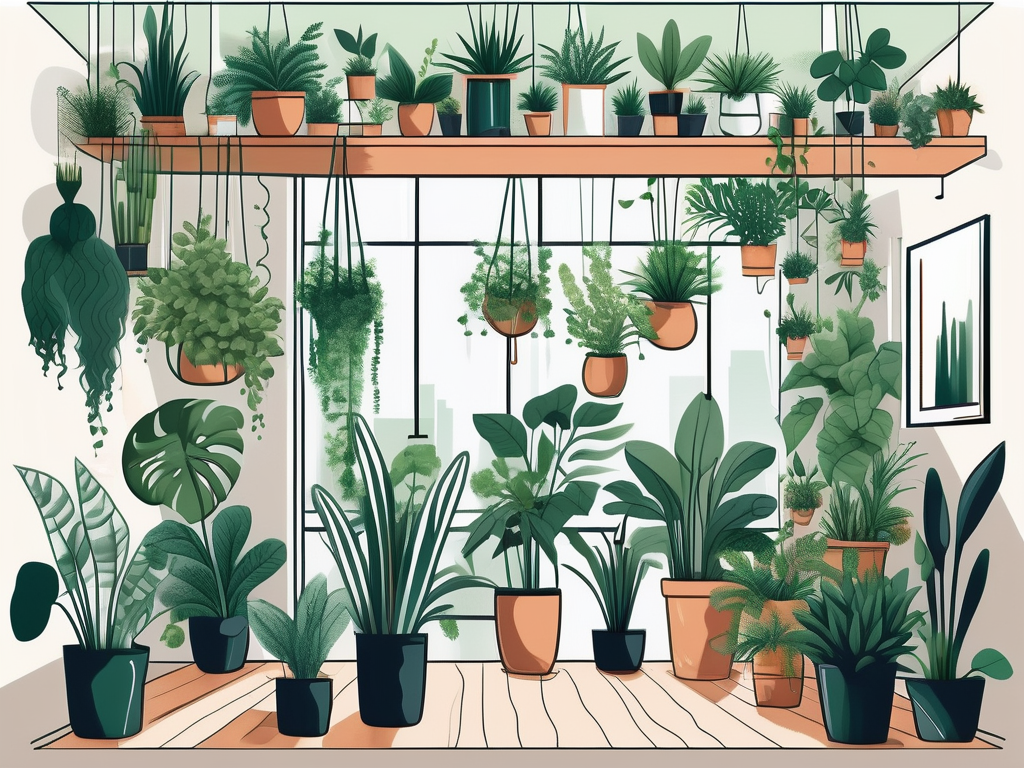
Have you ever found yourself questioning whether you've gone overboard with your houseplant collection? It's a common thought, especially as you look around your living space, possibly noticing more green than furniture. But how many houseplants is too many? Let's explore this question, balancing the joy of plant parenting with practical considerations.
In this article, we'll discuss various factors influencing your ideal number of houseplants, from available space and light conditions to lifestyle preferences and maintenance capabilities. Whether you're a seasoned plant parent or someone just beginning this leafy journey, you'll find helpful insights to ensure your indoor jungle thrives without taking over your life (or your living room).
Assessing Your Space
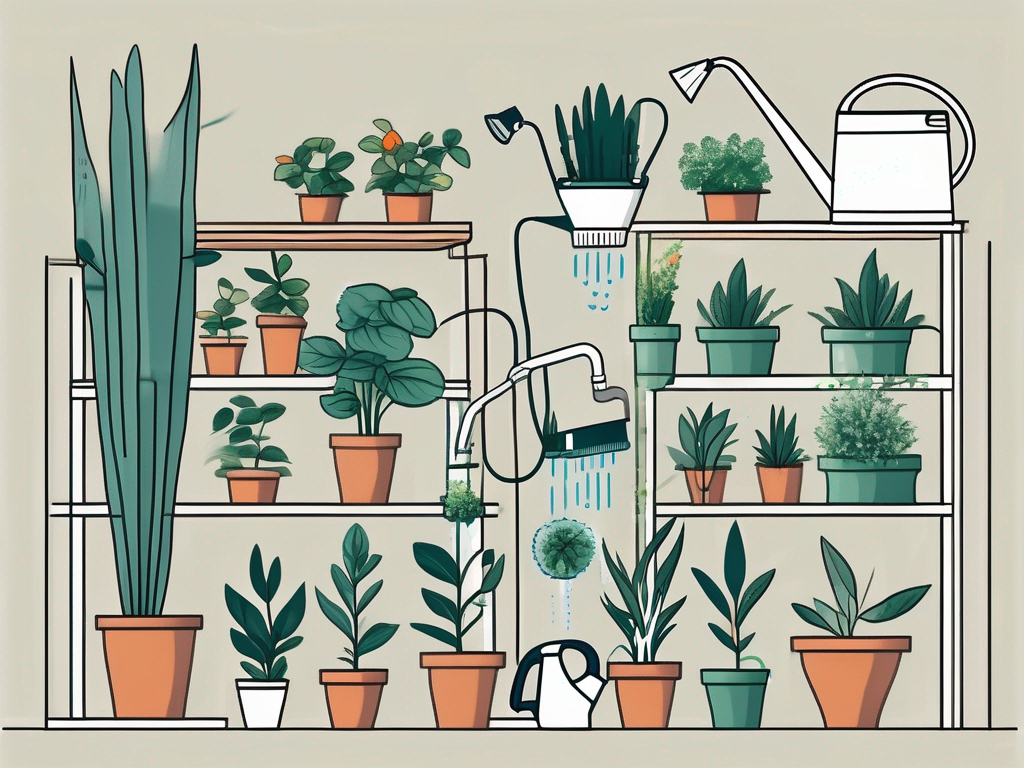
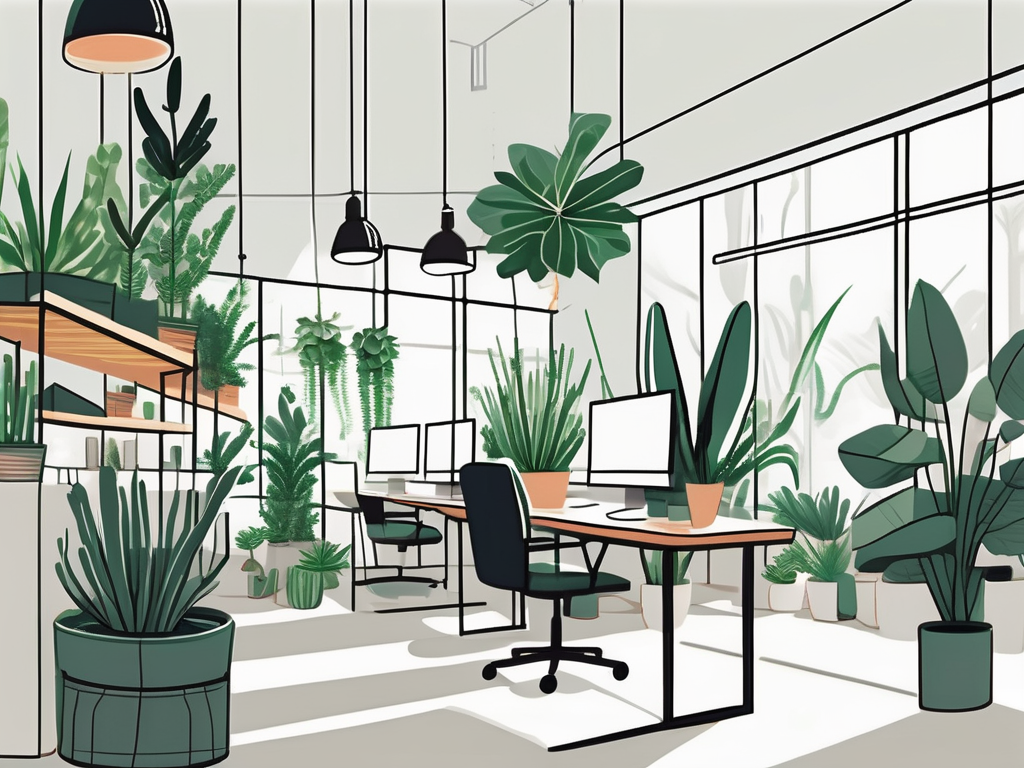
The first step in determining the right number of houseplants is to assess your available space. This isn't just about counting square footage; it's about understanding how your plants can integrate into your home.
Begin by considering:
- Surface Area: Do you have ample countertop or shelf space for additional pots?
- Vertical Space: Could hanging planters or wall-mounted shelves be an option for you?
- Room Function: Is this a space where plants will thrive without being in the way, such as a living room or kitchen, rather than a high-traffic hallway?
Remember, plants need room to grow, so ensure you aren’t just placing them anywhere there's a flat surface. Overcrowding can lead to poor air circulation, and nobody wants plants competing for the same bit of sunlight.
Understanding Light Conditions
Light is a crucial factor in determining how many plants you can sustainably keep. Each type of plant has specific light needs, ranging from bright, indirect sunlight to low-light conditions.
Consider the light available in your home:
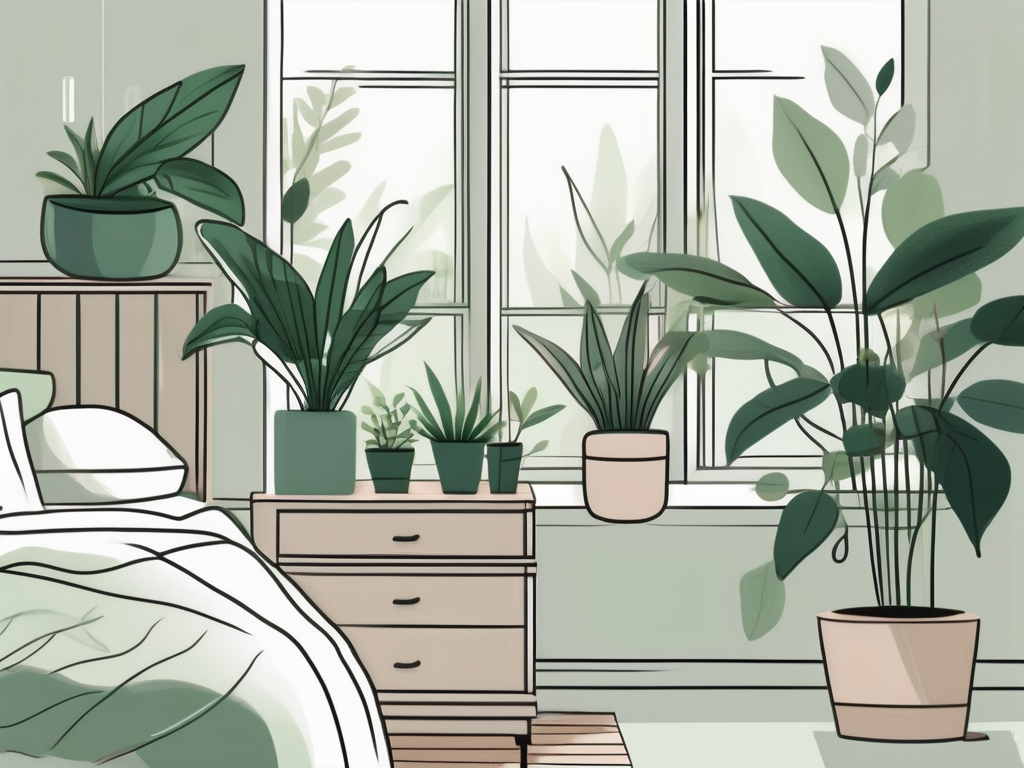
- Natural Light Sources: Where are your windows located, and how much light do they provide throughout the day?
- Artificial Lighting: Can you supplement with grow lights if natural light is scarce?
Once you understand your lighting, choose plants that match these conditions. For example, if you have a sun-drenched room, succulents or cacti might thrive there, while a low-light corner could be perfect for a snake plant.
Your Lifestyle and Time Commitment
Taking care of houseplants involves a time commitment, and the number of plants you own should align with your lifestyle. Consider your daily routine and how much time you can realistically dedicate to watering, pruning, and general care.
Ask yourself:
- How often are you home? Frequent travelers might prefer low-maintenance plants that don't require constant attention.
- Do you enjoy the maintenance? Some people find watering and caring for plants therapeutic, while others may see it as a chore.
If plant care feels more like a task than a joy, it might be a sign to scale back. Remember, it's better to have fewer healthy plants than a larger number that are struggling.
Budget Considerations
Another practical consideration is the cost associated with maintaining a houseplant collection. While buying a plant might seem affordable, the ongoing expenses can add up.
Think about:
- Initial Costs: This includes the plant itself, soil, pots, and possibly grow lights.
- Maintenance Costs: Fertilizers, pest control, and replacement of dead or diseased plants can add up over time.
Budgeting for your plant hobby can prevent financial strain and ensure that your plant collection is sustainable over the long term.
Emotional and Mental Health Benefits
Many plant lovers find immense joy and stress relief in caring for their plants. The act of tending to living beings can be incredibly fulfilling and a great escape from the daily grind.
Consider the emotional benefits:
- Calming Effect: Spending time with plants can reduce stress and promote relaxation.
- Sense of Accomplishment: Watching your plants grow and thrive can provide a wonderful sense of achievement.
However, if your plant collection starts to cause stress or anxiety, it might be a signal that you have too many. It's essential to maintain a balance where the presence of plants adds to your life rather than detracting from it.
Design Aesthetics
Integrating houseplants into your interior design can enhance your home's aesthetic appeal. But, as with any design element, it's crucial to maintain balance and coherence.
Consider:
- Color Palette: Do your plants complement the colors in your room?
- Variety and Texture: Mixing different types of plants can add visual interest, but too many varieties might create a chaotic look.
Think of your plants as part of the room's decor, and aim for a harmonious arrangement that complements your style rather than overwhelming it.
Dealing with Pests and Diseases
With more plants comes a higher risk of pests and diseases. Monitoring and maintaining plant health becomes increasingly challenging as your collection grows.
To manage this:
- Regular Inspections: Check your plants regularly for signs of pests or diseases.
- Isolation of New Plants: Quarantine new additions to your collection to prevent the spread of pests.
Managing pests and diseases is a part of plant care that requires time and attention, so ensure you’re prepared to handle these challenges effectively.
The Joy of Plant Swapping
If you find yourself with more plants than you can handle, consider plant swapping. It’s a fantastic way to share your love of plants with others while keeping your collection manageable.
Think about:
- Community Engagement: Connect with local plant groups or online communities to find swapping opportunities.
- Reducing Overcrowding: Swapping plants can help you diversify your collection without increasing its size.
Not only does plant swapping help manage the number of plants you have, but it also builds a sense of community among fellow plant lovers.
When It's Time to Downsize
Finally, recognize when it might be time to downsize your collection. If caring for your plants becomes overwhelming or stressful, it might be a sign to simplify.
Consider:
- Prioritizing Favorites: Keep plants that bring you the most joy and let go of those that don't.
- Donating or Gifting: Consider giving plants to friends or donating to places like schools or community centers.
Downsizing doesn’t mean you’re failing as a plant parent. It's about creating a sustainable balance that works for you and your lifestyle.
Final Thoughts
In summary, the right number of houseplants is a personal decision based on space, light, lifestyle, and emotional benefits, among other factors. It's about finding a balance that works for you, ensuring your plants thrive while enhancing your living environment.
At Cafe Planta, we're here to help with every step of your plant journey. Whether you need new plants, care accessories, or just a chat about plant care, feel free to email us or reach out on Instagram. We believe in the power of plants to bring people together and connect us with nature. Let's create a beautiful, thriving plant collection together!