Arrowhead plants, with their vibrant leaves and easy-going nature, are a favorite among many plant lovers. But here's a question that often crops up: How often should you water them? If you're scratching your head over this, don't worry. You're definitely not alone.
In this article, we'll chat about everything you need to know about watering your arrowhead plant. From understanding its natural environment to spotting signs of thirst or over-watering, we'll cover all the essentials. So, grab a cup of tea, get comfy, and let's get into it!
Getting to Know Your Arrowhead Plant
Before we dive into the watering specifics, let's get acquainted with the arrowhead plant itself. Officially known as Syngonium podophyllum, these plants are native to the tropical rainforests of Central and South America. This bit of trivia is more than just interesting; it helps us understand why they have certain preferences when it comes to watering.
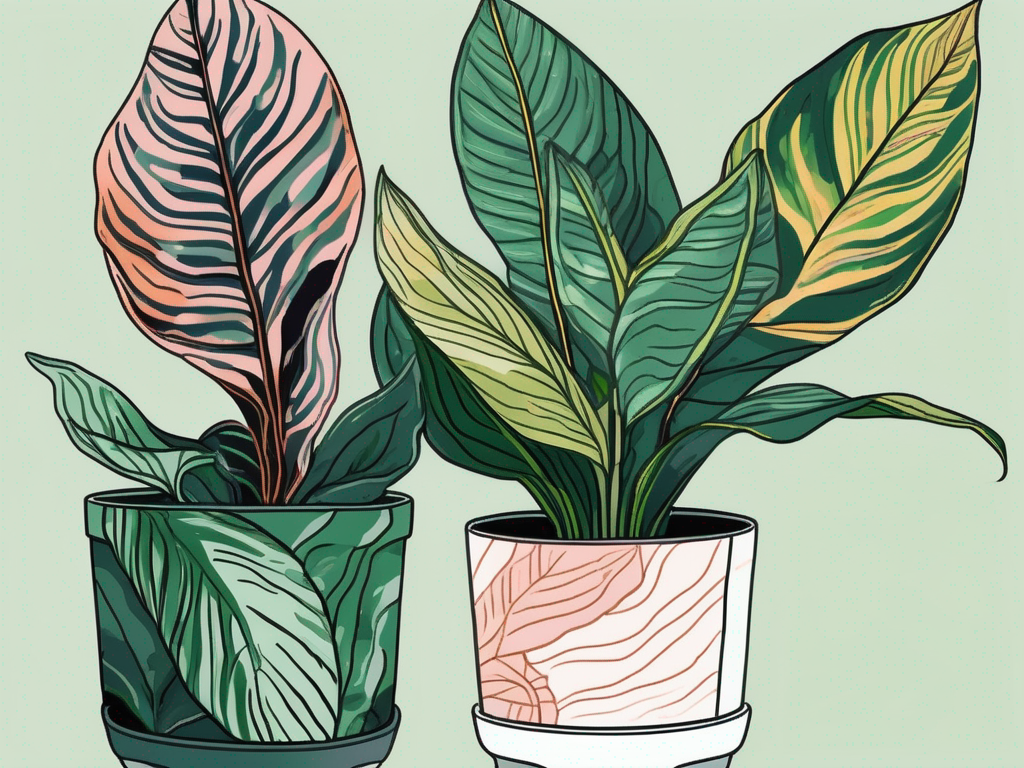
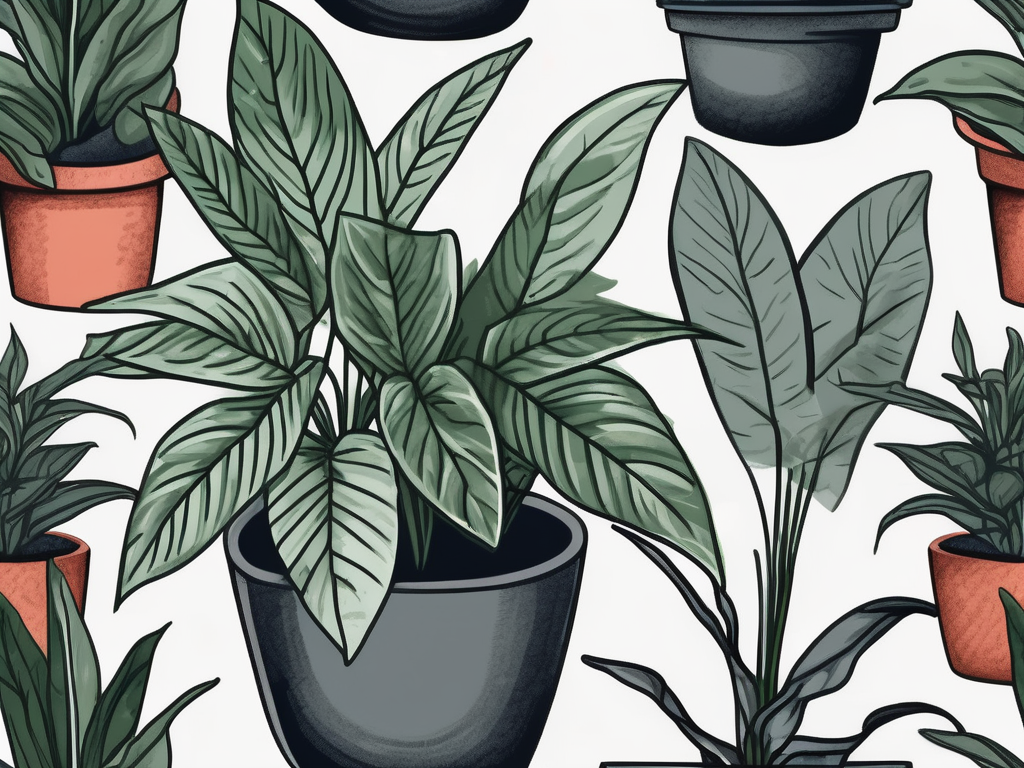
The arrowhead plant gets its name from its arrowhead-shaped leaves, and it boasts a variety of colors, including green, pink, and even burgundy. It's a fast grower and can make a lush addition to any green corner of your home. But, like any plant, it has its quirks. Understanding these can make a world of difference when it comes to keeping your plant happy and healthy.
In their natural habitat, arrowhead plants enjoy a humid environment with regular rainfall. This means they appreciate consistent moisture but aren't too keen on sitting in waterlogged soil. So, how do we replicate this at home? Let’s break it down.
Understanding How Often to Water
Now, here's the million-dollar question: how often should you water your arrowhead plant? The answer isn't as straightforward as a weekly calendar reminder. It's more about tuning into the plant's needs and the environment it's in.
Generally speaking, during the growing season (spring and summer), you might find yourself watering your arrowhead plant once a week. However, this can vary based on factors like light exposure, temperature, and humidity. In the cooler, dormant months of fall and winter, you can reduce watering to every 10-14 days.
Of course, these are just guidelines. The key is to check the soil. Stick your finger about an inch into the soil; if it feels dry at this depth, it's time to water. If it's still moist, give it a few more days. This finger test is a simple yet effective way to avoid over-watering, which can lead to root rot and other issues.
Signs Your Arrowhead Plant Needs Water
Plants have their own way of communicating with us, and the arrowhead plant is no exception. If your plant is thirsty, it might start to show it in a few ways. Understanding these signs can help you adjust your watering schedule accordingly.
- Drooping Leaves: If the leaves start to droop or wilt, it’s a clear sign that your plant needs a drink.
- Browning Leaf Tips: Dry, crispy leaf tips can indicate that the plant is not getting enough water.
- Lightweight Pot: If the pot feels unusually light when you lift it, the soil might be too dry.
Interestingly, these symptoms can also be caused by over-watering, which is why checking the soil moisture is crucial. It’s a balancing act, but once you get the hang of it, you’ll be a pro in no time.
Understanding the Impact of Environment
The environment in which your arrowhead plant lives can greatly influence how often it needs water. Let's look at some of these factors.
Light Levels
Arrowhead plants prefer bright, indirect light. If your plant is sitting in a spot with lots of light, it will likely need more frequent watering. Conversely, a plant in low light conditions might not dry out as quickly, so you can water less often.
Temperature and Humidity
These plants thrive in warm, humid environments. If your home is on the cooler side, or if you have air conditioning running, the plant might need less water. On the other hand, if you live in a hot and dry climate, you may need to water more frequently to keep up with evaporation and transpiration.
Seasonal Changes
As mentioned earlier, arrowhead plants have different water needs during different seasons. They grow actively in spring and summer and slow down in fall and winter. Adjust your watering schedule accordingly to accommodate these changes.
Choosing the Right Soil and Pot
The type of soil and pot you choose for your arrowhead plant can also impact its watering needs. Opting for the right combination can make your life a lot easier.
Soil Type
Arrowhead plants prefer a well-draining potting mix. You can use a standard houseplant mix, but consider adding some perlite or orchid bark to improve drainage. This helps prevent the soil from becoming waterlogged, which can lead to root rot.
Pot Selection
When it comes to pots, drainage is key. Make sure your pot has drainage holes to allow excess water to escape. Otherwise, water will pool at the bottom, which can suffocate the roots. If you fall in love with a pot without drainage holes, consider using it as a decorative outer pot and keep your plant in a plastic nursery pot inside it.
Both the soil and the pot play a role in how often you'll need to water your plant. Well-draining soil and a pot with drainage holes create an environment where the plant can thrive without the threat of over-watering.
Watering Techniques
Believe it or not, there are a few different techniques you can use to water your arrowhead plant. Each has its pros and cons, so it's worth experimenting to see what works best for you and your plant.
Top-Down Watering
This is the most common method and involves pouring water directly onto the soil until it starts to drain out of the bottom. It's straightforward and allows you to see exactly how much water the plant is getting.
Bottom Watering
For this technique, fill a tray with water and place the pot in it. The plant will absorb water through the drainage holes. This method can be great for encouraging deep root growth. Keep the plant in the water for about 15-20 minutes, then remove it and let it drain.
Misting
While not a primary method of watering, misting can help increase humidity around the plant. It’s especially useful in dry climates or during winter when indoor air can become very dry. Just remember that misting is not a substitute for proper watering.
Whichever method you choose, consistency is key. Find a routine that works for you and stick to it, adjusting as needed based on the plant's response.
How to Prevent Over-Watering
Over-watering is one of the most common issues plant parents face. It can lead to root rot, which is often fatal for the plant. Fortunately, there are ways to avoid this pitfall.
- Check the Soil: Always test the soil moisture before watering. Your finger is a great tool for this!
- Use the Right Soil: As mentioned earlier, a well-draining soil mix is crucial.
- Avoid Saucers Filled with Water: If you use a saucer under your pot, make sure to empty it after watering so the plant doesn’t sit in water.
- Pay Attention to the Plant’s Behavior: If you notice yellowing leaves or a general decline, over-watering might be the culprit.
Developing a keen eye for your plant’s needs and creating a consistent watering routine can help ensure your arrowhead plant thrives without the risk of over-watering.
Dealing with Pests and Fungal Issues
Arrowhead plants are generally hardy, but they can sometimes fall victim to pests and fungal issues, especially if their watering needs aren't met. Here’s how you can tackle these problems.
Common Pests
The usual suspects like spider mites, aphids, and mealybugs can occasionally make an appearance. Regularly inspect your plant for any signs of these pests. If you spot them, a gentle wash with soapy water or a neem oil spray can help keep them in check.
Fungal Problems
Over-watering can lead to fungal issues like root rot. If you notice a musty smell or the plant's health is declining, check the roots. Healthy roots should be white and firm, while rotting roots will appear brown and mushy. If rot is present, you might need to trim the affected roots and repot the plant in fresh soil.
Staying vigilant and taking prompt action can help you address these issues before they become serious problems. Maintaining proper watering habits is a big part of keeping your plant pest-free and healthy.
Creating a Beautiful, Plant-Filled Space
Beyond just watering, the arrowhead plant can be a stunning addition to your home decor. Its lush foliage can add a touch of nature to any room, and with the right care, it can become a centerpiece in your plant collection.
Placement Tips
Arrowhead plants can adapt to a variety of light conditions, but they thrive best in bright, indirect light. Consider placing yours near a window where it can receive filtered sunlight. Avoid direct sunlight, as this can scorch the leaves.
Complementary Plants
Arrowhead plants pair well with other tropical plants. Consider grouping them with pothos, philodendrons, or ferns for a lush, jungle-like look. This not only creates visual interest but also mimics their natural habitat, promoting healthy growth.
Decorative Pots
Choosing a decorative pot that complements your interior style can enhance the aesthetic appeal of your arrowhead plant. Whether you prefer a minimalist ceramic pot or a vibrant, patterned one, there's plenty of room for creativity.
By thoughtfully incorporating arrowhead plants into your home, you can create a welcoming, nature-inspired space that you and your guests will enjoy.
Final Thoughts
Understanding the watering needs of your arrowhead plant can seem a bit tricky at first, but with practice, it becomes intuitive. Listen to your plant, pay attention to the environment, and adjust as needed. Soon enough, you'll have a thriving, happy plant on your hands.
At Cafe Planta, we’re here to help you on your plant journey. Whether you're looking for a new addition to your collection or need some advice, feel free to reach out via email or our Instagram. We believe in the power of plants to bring joy and connection, and we're excited to share our passion with you. Happy planting!