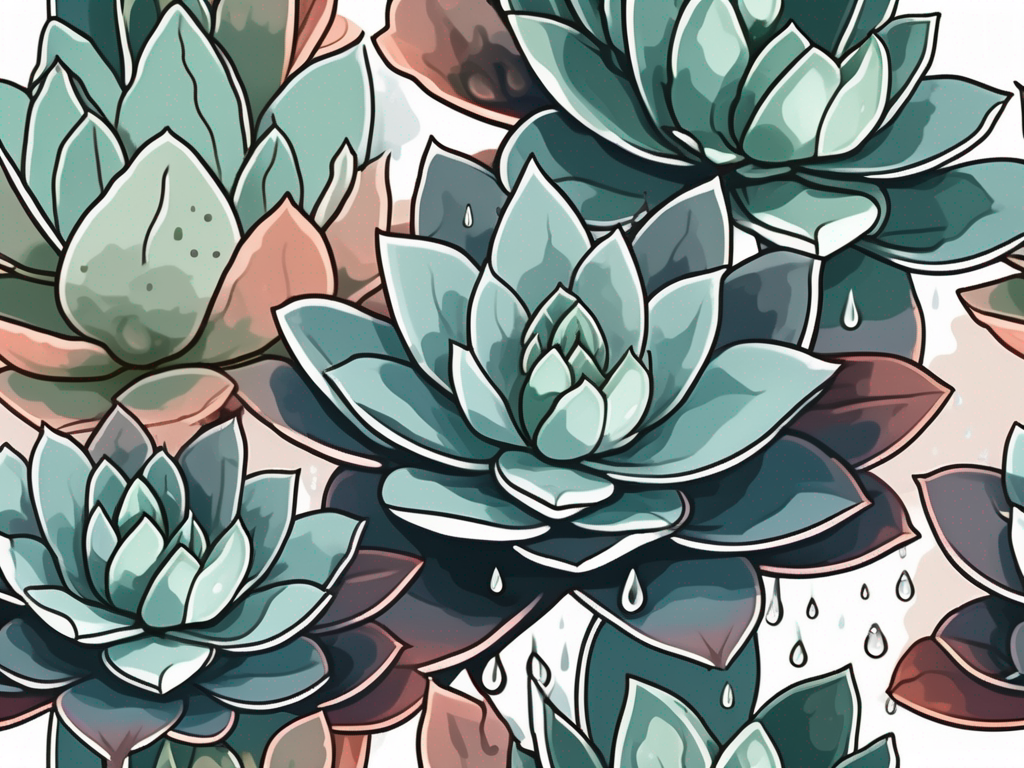
If you've ever found yourself admiring the beautiful rosette shapes of Echeveria succulents, you're not alone. These charming plants have captured the hearts of many plant lovers with their diverse colors and low-maintenance nature. But like any plant, they have their specific needs, particularly when it comes to watering.
In this article, we'll walk through everything you need to know about watering Echeveria. From understanding their natural habitat to practical watering tips and even troubleshooting common watering problems, you'll be well-equipped to keep your Echeveria thriving.
Understanding Echeveria's Natural Habitat
Before we get into the nitty-gritty of watering, it's helpful to understand where Echeveria comes from. These succulents are native to the semi-desert regions of Central America, particularly Mexico. This means they're accustomed to long periods of drought followed by brief spurts of rainfall. Their natural environment has shaped their water needs, and replicating these conditions in your home can make all the difference.
In their native habitat, Echeveria have adapted to store water in their fleshy leaves, which allows them to survive dry spells. This storage capability is a key reason why they don't need frequent watering. It's kind of like carrying a canteen of water when hiking in the desert—Echeveria has its own built-in water supply!
Understanding this background helps us appreciate why overwatering is one of the most common mistakes with Echeveria. Their roots are not equipped to handle constant moisture, and too much water can quickly lead to root rot. So, we need to strike the right balance, allowing the soil to dry out between waterings.
Signs Your Echeveria Needs Water
One of the best ways to determine when to water your Echeveria is by observing its leaves. These succulents are quite communicative, and their leaves can tell you a lot about their water needs.
Here are some signs that your Echeveria might be thirsty:
- Wrinkled or Shriveled Leaves: If the leaves start to look a bit shriveled or wrinkled, it's a good indication they're using up their stored water and need a refill.
- Soft or Bendable Leaves: When leaves feel softer than usual or are bendable, it's time for a drink.
- Color Changes: Some Echeveria varieties might show a slight color change when they're dehydrated, often becoming duller.
On the flip side, if the leaves are plump and firm, your Echeveria likely doesn't need water just yet. Keep an eye on these signs, and you'll develop a better understanding of your plant's unique schedule.
How to Water Echeveria: The Soak and Dry Method
Now that we've covered when to water, let's talk about how to do it properly. A popular and effective method for watering Echeveria is the "soak and dry" method. This technique mimics the plant's natural watering cycle and helps prevent root rot.
Here's how to do it:
- Check the Soil: Before watering, check the soil. Stick your finger about an inch deep or use a moisture meter. If the soil feels dry, it's time to water.
- Water Thoroughly: When watering, do so thoroughly. Make sure the water reaches the root zone. This means watering until you see it draining from the bottom of the pot.
- Let It Dry: Once you've watered, allow the soil to dry out completely before the next watering. This drying period is crucial as it prevents overwatering and mimics natural conditions.
Avoid misting or lightly watering your Echeveria. These plants prefer a good soak, followed by a dry period, much like their native environment.
Factors Affecting Watering Frequency
While the soak and dry method provides a solid foundation, the actual frequency of watering can vary depending on several factors. Let's explore what might influence your Echeveria's watering schedule.
Climate and Season
The climate and season play a significant role in how often you should water your Echeveria. During the warmer months, your plant may need more frequent watering due to increased evaporation. Conversely, in the cooler months, you might find yourself watering less often.
Pot Material and Size
The type and size of the pot can also impact watering frequency. Terracotta pots, for instance, are porous and allow excess moisture to evaporate more quickly, which might necessitate more frequent watering. On the other hand, plastic pots retain moisture longer.
Additionally, smaller pots dry out faster than larger ones, so consider the size of your pot when determining your watering routine.
Humidity Levels
Humidity levels in your home can influence how quickly the soil dries out. In drier climates, you may need to water more frequently, while humid environments might require less frequent watering.
By keeping these factors in mind, you can better tailor your watering routine to suit your Echeveria's specific needs.
Watering Mistakes to Avoid
Watering Echeveria might seem straightforward, but there are some common pitfalls to watch out for. Let's look at a few mistakes to avoid, ensuring your succulent stays healthy and happy.
Overwatering
Perhaps the most frequent mistake is overwatering. Echeveria are drought-tolerant and don't need regular watering like other houseplants. Too much water can lead to root rot, which is often fatal for succulents.
Watering From Above
Another mistake is watering directly onto the rosette. This can cause water to sit in the leaves, potentially leading to rot. Instead, aim to water the soil directly, keeping the leaves dry.
Ignoring Environmental Changes
Failing to adjust your watering routine when environmental conditions change can also be problematic. For example, as the seasons shift or if you move your plant to a different room, you'll need to reassess its water needs.
By being aware of these common mistakes, you can avoid them and keep your Echeveria thriving.
Troubleshooting Common Watering Problems
Even with the best intentions, issues can arise with your Echeveria. Let's explore some common watering problems and how to troubleshoot them effectively.
Root Rot
If you notice mushy leaves or a foul smell, you might be dealing with root rot. The first step is to stop watering and let the soil dry out completely. If the problem persists, consider repotting your Echeveria in fresh, well-draining soil.
Leaf Drop
Dropping leaves can be a sign of both underwatering and overwatering. Check the soil moisture to determine the cause. If it's dry, your plant may be thirsty. If it's wet, you may need to cut back on watering.
Slow Growth
Slow growth might indicate that your plant isn't receiving enough water or nutrients. Make sure you're following a consistent watering schedule and consider using a diluted succulent fertilizer during the growing season.
By addressing these issues promptly, you can keep your Echeveria in top shape.
The Role of Soil in Watering Echeveria
Soil plays a crucial role in how effectively your Echeveria absorbs water. Let's discuss the ideal soil type and its impact on watering.
Choosing the Right Soil
The best soil for Echeveria is one that drains well. A cactus or succulent mix is often recommended as it contains materials like sand and perlite that promote drainage. This type of soil prevents water from sitting around the roots, reducing the risk of root rot.
Testing Your Soil
To test if your soil is well-draining, water your plant and observe how quickly excess water drains from the pot. If it takes more than a few seconds, you might need to amend your soil with additional perlite or sand.
Good soil not only aids in proper watering but also supports healthy root growth and overall plant health.
Using Self-Watering Pots for Echeveria
You might wonder if self-watering pots are a good fit for Echeveria. While these pots can be convenient, they require careful management to avoid overwatering.
How Self-Watering Pots Work
Self-watering pots use a reservoir to provide water to the plant's roots as needed. This can be great for plants that require consistent moisture but can pose a challenge for Echeveria, which prefers dry spells.
Managing Moisture Levels
If you choose to use a self-watering pot, closely monitor the moisture levels in the soil. You might find that you need to adjust the pot's reservoir settings or even empty it periodically to prevent waterlogging.
While self-watering pots can be used, they require a bit more attention to ensure they meet the unique needs of Echeveria.
Seasonal Watering Adjustments
As the seasons change, so do your Echeveria's watering needs. Let's explore how to adjust your routine throughout the year.
Spring and Summer
During the growing season, Echeveria will likely require more frequent watering. The increased sunlight and warmth lead to faster evaporation, so keep an eye on soil moisture levels and water as needed.
Fall and Winter
In the cooler months, your Echeveria enters a period of dormancy. Watering should be reduced significantly during this time, as growth slows and evaporation decreases. It's essential to let the soil dry out more thoroughly between waterings.
By adjusting your routine with the seasons, you can support your Echeveria's natural growth cycle.
Final Thoughts
We've covered a lot of ground on how to water Echeveria effectively. By understanding their natural habitat, recognizing signs of thirst, and using the soak and dry method, you can keep your succulents healthy and vibrant. Remember that environmental factors, pot choice, and seasonal changes all play a role in determining the best watering schedule for your plant.
At Cafe Planta, we're here to support your plant journey. Whether you're looking for new houseplants or need help with plant care inquiries, feel free to reach out via email or Instagram. We believe that connecting with nature brings joy and inspiration, and we're excited to help you cultivate a thriving plant collection in your home.