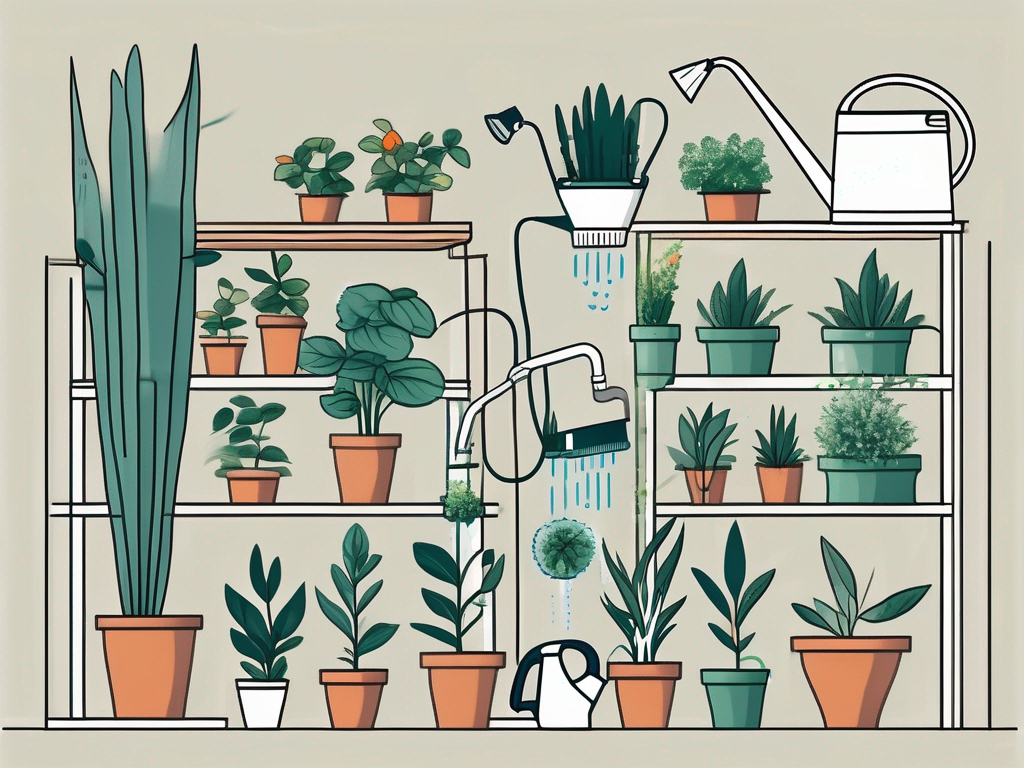
Watering houseplants can sometimes feel like a quest for the perfect balance. Too much water, and you risk drowning your precious greenery. Too little, and you might find your plants looking droopy and sad. So, how do we find that sweet spot? The answer lies in understanding the needs of each plant and the environment they live in.
In this article, we'll journey through the ins and outs of watering houseplants. From recognizing the signs of overwatering and underwatering to tailoring your approach based on plant type and season, we'll cover everything you need to know to keep your indoor garden thriving.
Understanding Your Plant's Water Needs
Every plant has its own unique personality, and just like people, some are thirstier than others. One of the first steps in mastering plant care is understanding what your specific plants need. This can vary widely, even among plants that look similar at first glance.
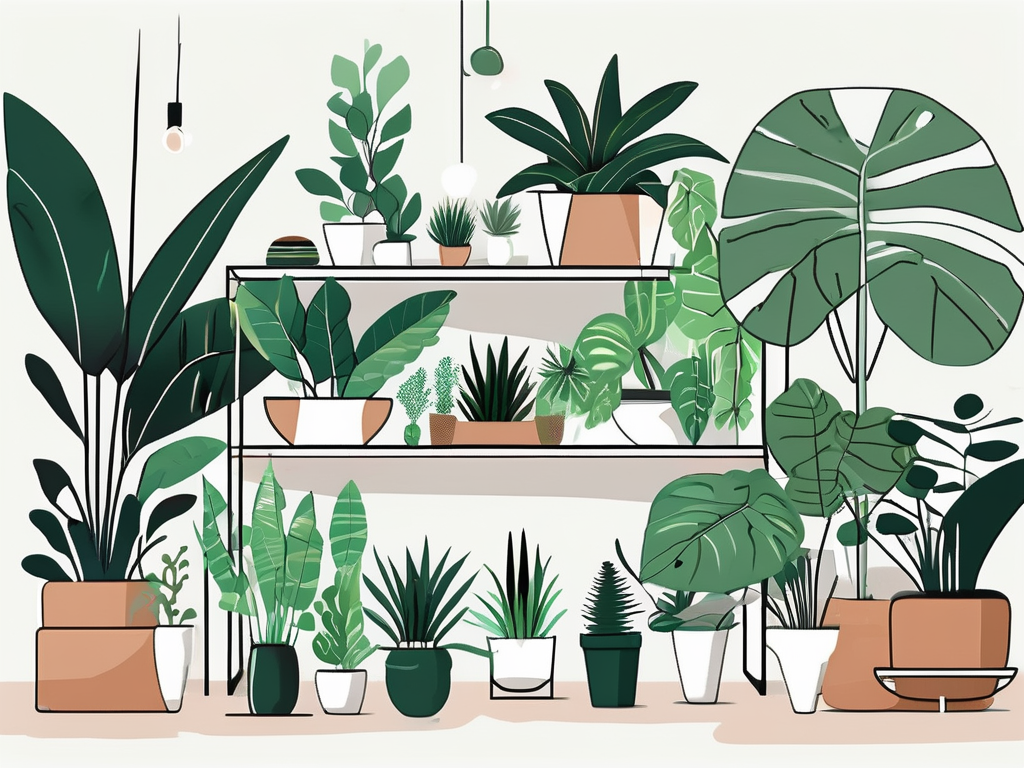
Most houseplants fall into a few general categories:
- Succulents and Cacti: These desert-loving plants thrive on neglect when it comes to water. They store water in their leaves, so they require less frequent watering.
- Tropical Plants: Think of your lush ferns and towering monsteras. These plants hail from humid environments and often need more regular watering.
- Flowering Plants: Blooms like African violets or peace lilies appreciate consistent moisture but don’t like to sit in soggy soil.
Understanding which category your plant falls into can guide you in how often to water. If you're unsure, a quick online search or a chat with a knowledgeable friend or nursery worker can often provide clarity.
Recognizing Signs of Overwatering
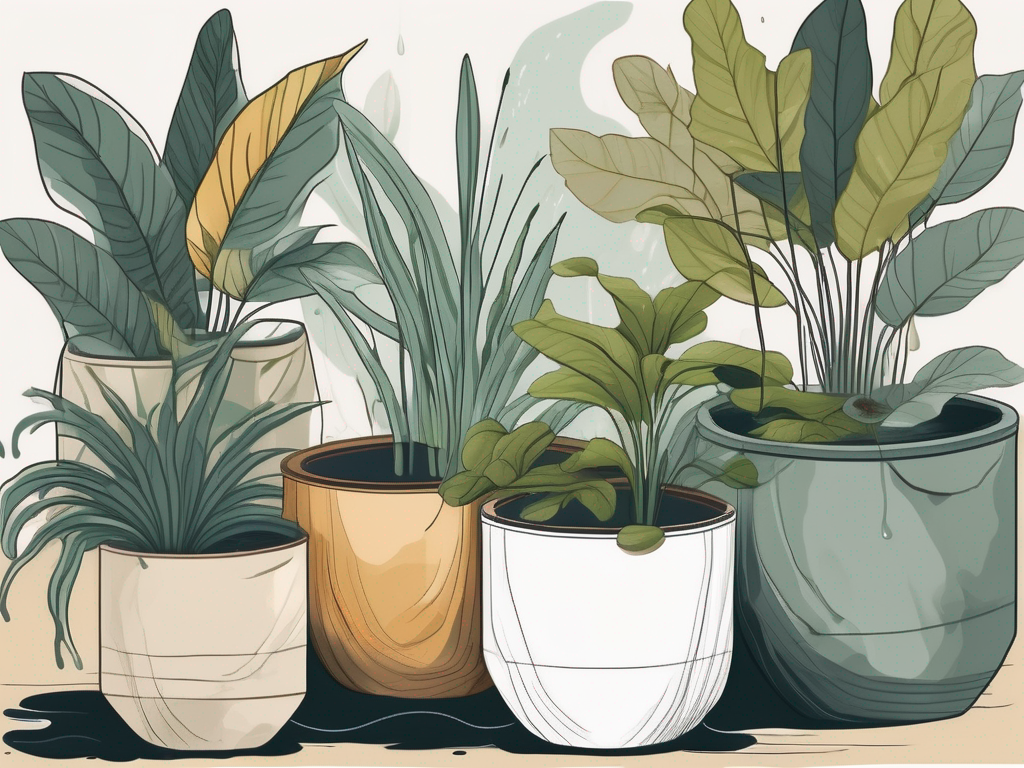
Overwatering is one of the most common mistakes made by well-meaning plant lovers. It’s easy to assume that more water equals more love, but for plants, this isn't always the case. Overwatering can lead to root rot, a condition that can be fatal if not caught early.
Here are some telltale signs your plant might be getting too much water:
- Yellowing Leaves: While yellow leaves can indicate various issues, overwatering is often the culprit.
- Wilting Despite Moist Soil: If the soil feels wet, but the plant looks limp, it might be struggling with too much water.
- Moldy Soil Surface: A fuzzy layer of mold is a clear indicator of excess moisture.
If you spot any of these signs, it's time to adjust your watering schedule. Ensure your pot has drainage holes and consider repotting with fresh soil if the problem persists.
Identifying Underwatering Symptoms
On the flip side, underwatered plants can show signs of stress, too. While not as common as overwatering, it’s still something to watch out for. Underwatered plants can become weak and more susceptible to pests and diseases.
Watch for these indicators of underwatering:
- Dry, Crispy Leaves: Leaves that feel brittle and dry can indicate a lack of water.
- Browning Leaf Tips: This can happen when the plant isn’t getting enough moisture to support its foliage.
- Soil Pulling Away from the Pot: If the soil is shrinking away from the edges of the pot, it’s likely too dry.
If your plant is showing these signs, increase your watering frequency slightly and monitor its response. It’s always better to adjust gradually rather than flooding the plant with water all at once.
Considering Pot and Soil Types
The type of pot and soil you use can significantly impact how often your plants need watering. These elements play crucial roles in drainage and moisture retention, two factors that can make or break your plant care routine.
Pots: Drainage is Key
When it comes to pots, the golden rule is: drainage, drainage, drainage. Without proper drainage holes, water can accumulate at the bottom, leading to soggy soil and root rot. If you're using a decorative pot without holes, consider placing a plastic nursery pot with holes inside it, allowing excess water to escape.
Soil: Choose Wisely
The soil itself should match your plant's needs. Cacti and succulents prefer a gritty, well-draining mix, while tropical plants might enjoy a more loamy, moisture-retentive soil. When in doubt, you can always mix your own soil to suit the plant's specific requirements.
Remember, the right combination of pot and soil can dramatically reduce the risk of watering mishaps, so it's worth taking the time to get it right from the start.
Seasonal Watering Adjustments
Just as our wardrobe changes with the seasons, so should our plant care routines. Plants have different water needs depending on the time of year, primarily due to changes in light and temperature.
Winter Watering
During the colder months, many houseplants enter a period of dormancy, slowing their growth and reducing their water requirements. It’s important to adjust your watering schedule accordingly. Less frequent watering in winter helps prevent overwatering and root rot.
Summer Watering
In contrast, the warmer months often mean more light and faster growth, which can increase a plant’s thirst. Be prepared to water more often, but always check the soil before doing so to ensure it actually needs it.
By paying attention to seasonal shifts, you can tailor your care to what your plants truly need, keeping them healthy and vibrant year-round.
Using the Finger Test
For those who prefer a hands-on approach, the finger test is a simple and effective way to check if your plant needs water. It’s a technique that requires no special tools, just your fingers and a willingness to get a little dirty.
Here's how to do it:
- Step 1: Insert your index finger into the soil up to your second knuckle.
- Step 2: Feel the soil’s moisture level. If it feels dry, it’s time to water.
- Step 3: If the soil is still damp, wait a few more days before checking again.
This method is particularly helpful for those still getting to know their plants’ needs. Over time, you'll develop a better sense of each plant's preferences, but the finger test is a great starting point.
Investing in Moisture Meters
If you're a gadget enthusiast or simply want more precision, consider investing in a moisture meter. These handy tools can take some of the guesswork out of watering, providing a digital reading of the soil’s moisture level.
Moisture meters are especially useful for:
- Large Collections: If you have a lot of plants, a quick check with a moisture meter can save time.
- Tricky Plants: Some plants have finicky watering needs that are easier to meet with exact measurements.
- New Plant Parents: If you're new to the plant game, a moisture meter can help build confidence as you learn.
While not essential, a moisture meter can be a valuable tool in your houseplant care arsenal, especially if you’re committed to getting it just right.
Adapting to Your Home's Environment
Beyond the plant itself, your home's environment plays a crucial role in determining watering needs. Factors like humidity, temperature, and even the type of lighting your plant receives can all influence how often you need to water.
Consider these environmental factors:
- Humidity: Homes with higher humidity levels may require less frequent watering, as plants can draw moisture from the air.
- Temperature: Warmer indoor temperatures can increase a plant’s water needs, while cooler rooms might mean less frequent watering.
- Light Exposure: Plants in bright, direct light often need more water than those in shaded areas.
By paying attention to these details, you can make more informed decisions about your plant care routine, ensuring your green companions are happy and healthy.
Developing a Watering Schedule
Once you’ve considered all these factors, it’s time to develop a watering schedule that works for you and your plants. While it sounds like a lot to juggle, a little planning goes a long way in keeping your plants thriving.
Here’s a simple approach to creating your schedule:
- Start with a Baseline: Based on your plant type and environmental factors, set a baseline schedule (e.g., every 7-10 days for most indoor plants).
- Adjust as Needed: Use the finger test, observe your plant’s behavior, and tweak your schedule based on what you find.
- Keep a Journal: Take notes on watering days and any changes you observe. Over time, you’ll notice patterns that can help refine your schedule.
Remember, flexibility is key. No schedule will be perfect from the start, but by being attentive and responsive, you’ll find a rhythm that keeps your plants in top shape.
Final Thoughts
Watering your houseplants doesn’t have to be a mystery. By understanding your plants’ unique needs, observing their signs, and paying attention to environmental factors, you can create a watering routine that supports healthy growth and vibrant foliage.
At Cafe Planta, we’re passionate about helping plant lovers nurture their green friends. Whether you’re looking for the perfect addition to your collection or need advice on plant care, we’re here to help. Feel free to email us or reach out on Instagram. We believe that plants bring us closer to nature and each other, and we’re excited to be part of your plant journey.