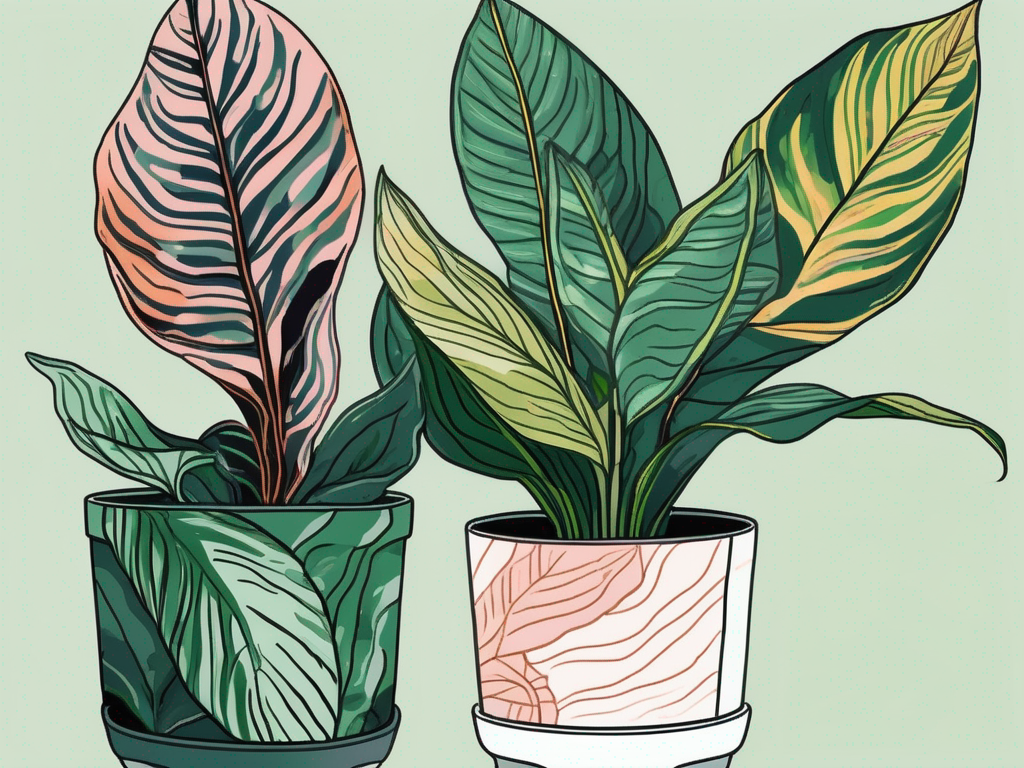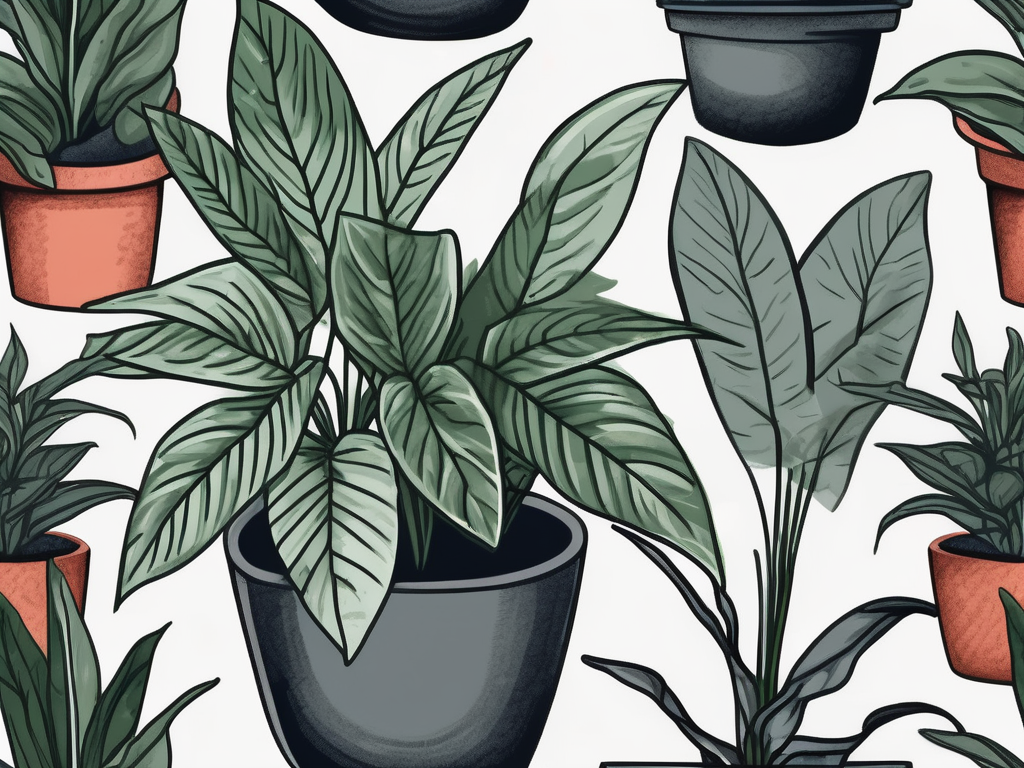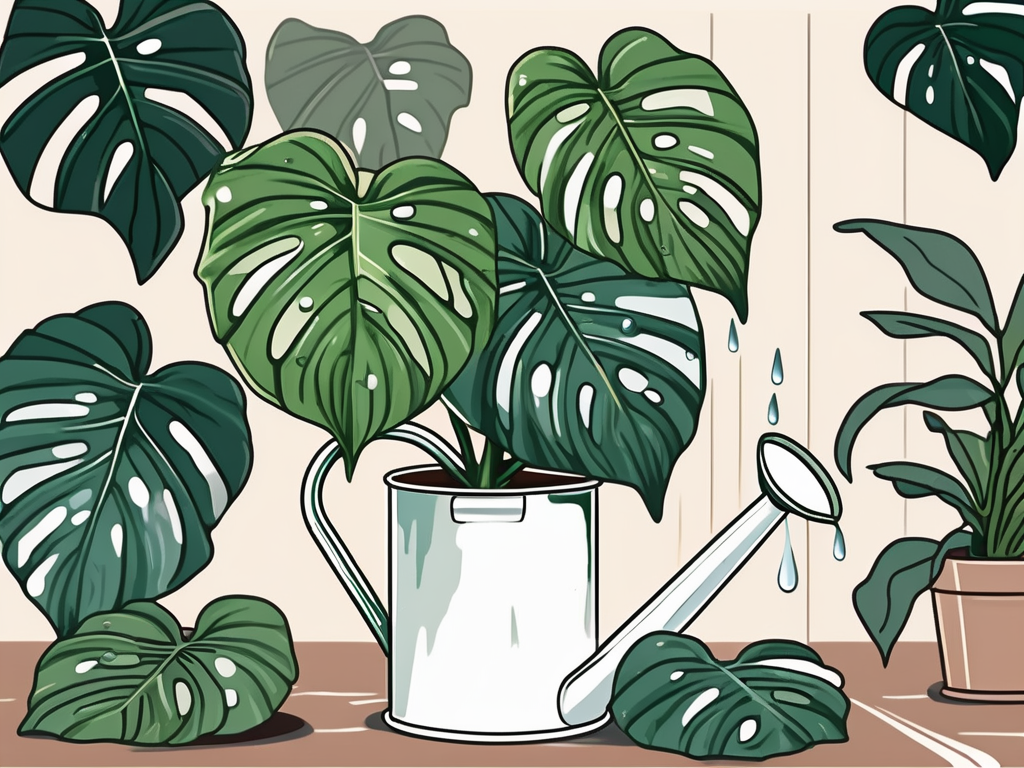
Philodendron Birkin has certainly captured the hearts of many plant lovers with its striking, variegated leaves and relatively easygoing nature. But like any plant, it does have its quirks, especially when it comes to watering. Knowing how often to water your Philodendron Birkin can make the difference between a healthy, thriving plant and one that's struggling to survive.
In this article, we'll explore everything you need to know about watering your Philodendron Birkin. From understanding its natural habitat to recognizing the signs of overwatering and underwatering, we've got you covered. You'll also find some practical tips and tricks to keep your plant looking its best. Let's get started!
Understanding Philodendron Birkin's Natural Environment
To care for a Philodendron Birkin properly, it helps to know a bit about its natural environment. Native to the tropical rainforests of Central and South America, these plants thrive in warm, humid conditions. They grow under the canopy of larger trees, where they receive filtered light and plenty of moisture.
In the wild, these plants are accustomed to regular rainfall and high humidity levels. The soil in these regions is typically well-draining, allowing excess water to flow away quickly. This environment provides a clue about how to care for them indoors. Think of your home as a mini rainforest, where you need to mimic these conditions as much as possible to keep your Philodendron Birkin happy.
So, what does this mean for watering? It means your Birkin, much like its jungle relatives, prefers consistent moisture but doesn't like to sit in soggy soil. Keeping a balance is key, which we'll dive into a bit more in the following sections.
How Often Should You Water Your Philodendron Birkin?
The million-dollar question for any plant parent: how often should you water your Philodendron Birkin? Well, there isn't a one-size-fits-all answer. The frequency largely depends on factors like the season, the environment in your home, and the size of your pot.
During the growing season, which is typically spring and summer, your plant will likely need more water. This is because it's actively growing and using more resources. You might find yourself watering it every week or so. However, in the dormant months of fall and winter, the plant's growth slows down, and it requires less water. You might only need to water every two to three weeks during this time.
Always remember that the best indicator of when to water isn't necessarily the calendar but rather the condition of the soil. More on that in the next section!
Testing the Soil: Your Best Watering Guide
Before reaching for the watering can, it's crucial to check the soil's moisture level. This simple test can save you from over or underwatering your Philodendron Birkin.
Here's a quick way to check:
- Insert your finger about two inches into the soil. If it feels dry at that depth, it's time to water your plant. If it's still moist, wait a few more days before checking again.
- Alternatively, you can use a moisture meter. This handy tool provides a reading that tells you whether the soil is dry, moist, or wet, taking the guesswork out of watering.
Consistency is key. Make a habit of checking your plant's soil regularly, especially if you're still getting the hang of its watering needs. Over time, you'll develop a good sense for when your Philodendron Birkin needs a drink.
Signs of Overwatering
Overwatering is one of the most common mistakes people make with their Philodendron Birkin. It's easy to assume that more water equals a happier plant, but this isn't always the case. Overwatering can lead to root rot, a serious condition that can be fatal for your plant.
So, how do you know if you're overwatering? Here are some telltale signs:
- Yellowing Leaves: If the lower leaves are turning yellow, it might be a sign of too much water.
- Mushy Stems: The stems of your plant might feel soft and mushy, indicating that the roots are rotting.
- Fungus Gnats: These little flying pests thrive in moist environments and can be a sign that your plant is too wet.
If you notice these signs, it's essential to let the soil dry out before watering again. You may also need to repot the plant in fresh, well-draining soil if root rot has set in.
Signs of Underwatering
On the flip side, underwatering can also pose problems for your Philodendron Birkin. While these plants are more tolerant of drought than overwatering, they still need consistent moisture to thrive.
Signs of underwatering include:
- Crispy Leaf Edges: If the edges of the leaves are turning brown and crispy, your plant might be thirsty.
- Drooping Leaves: Lack of water can cause the leaves to droop or wilt.
- Dry Soil: If the soil pulls away from the sides of the pot, it's a clear indicator that your plant needs water.
To remedy underwatering, give your plant a good soak. Ensure the water drains out of the pot's bottom to prevent waterlogging.
The Role of Humidity
Humidity plays a significant role in your Philodendron Birkin's health. Remember its natural habitat? High humidity levels help keep the plant's leaves lush and vibrant.
While your home might not have the same humidity as a tropical rainforest, there are ways to increase it:
- Use a Humidifier: This is the most effective way to add moisture to the air.
- Group Plants Together: Plants naturally release moisture through a process called transpiration. By placing your plants close together, you can boost humidity levels.
- Mist the Leaves: Lightly misting the leaves can temporarily increase humidity, but be careful not to overdo it as it can lead to leaf spots.
By maintaining adequate humidity levels, you'll help your Philodendron Birkin grow happily.
Choosing the Right Pot and Soil
The pot and soil you choose for your Philodendron Birkin can significantly influence its watering needs. A well-draining potting mix is crucial, as it allows excess water to escape, preventing root rot.
Here's what to look for:
- Potting Mix: A mix designed for aroids or tropical plants is ideal. It should contain components like peat, perlite, and orchid bark, which promote drainage.
- Pots with Drainage Holes: Always choose pots with drainage holes at the bottom. This ensures that water doesn't pool at the base, which can lead to rot.
Repotting your plant every couple of years helps refresh the soil and provide room for growth. It's also an opportunity to check the roots for any signs of trouble.
Watering Techniques: Best Practices
The way you water your Philodendron Birkin is just as important as how often you water it. Here are some best practices to ensure your plant gets the right amount of water:
- Water Thoroughly: When watering, do so until water drains out of the pot's holes. This ensures the entire root system is hydrated.
- Use Room Temperature Water: Cold water can shock the plant, so it's best to use water that's at room temperature.
- Bottom Watering: Occasionally, you can place the pot in a shallow tray of water, allowing the roots to absorb moisture from the bottom up. This method helps ensure even hydration.
By following these techniques, you can help your Philodendron Birkin thrive and grow beautifully.
Troubleshooting Common Watering Issues
Even with the best intentions, things can sometimes go awry. Here are some common watering issues and how to address them:
- Overwatering: If you've overwatered, reduce the frequency and let the soil dry out. Consider repotting if root rot is suspected.
- Underwatering: Increase the frequency of watering and ensure the plant receives a thorough soak each time.
- Leaf Spots: These can occur from water sitting on the leaves for too long. Avoid watering the leaves directly and ensure good air circulation.
Remember, every home and plant is unique, so it might take some time to find the perfect balance. With patience and observation, you'll become a pro at watering your Philodendron Birkin.
Final Thoughts
By understanding the watering needs of your Philodendron Birkin, you're well on your way to ensuring its health and vitality. Remember, it's all about finding that sweet spot between too much and too little water.
At Cafe Planta, we're here to support your plant journey. Whether you're looking for new plant friends or need advice on plant care, feel free to email us or reach out on Instagram. We believe in the power of plants to bring joy and connection into our lives. Happy planting!