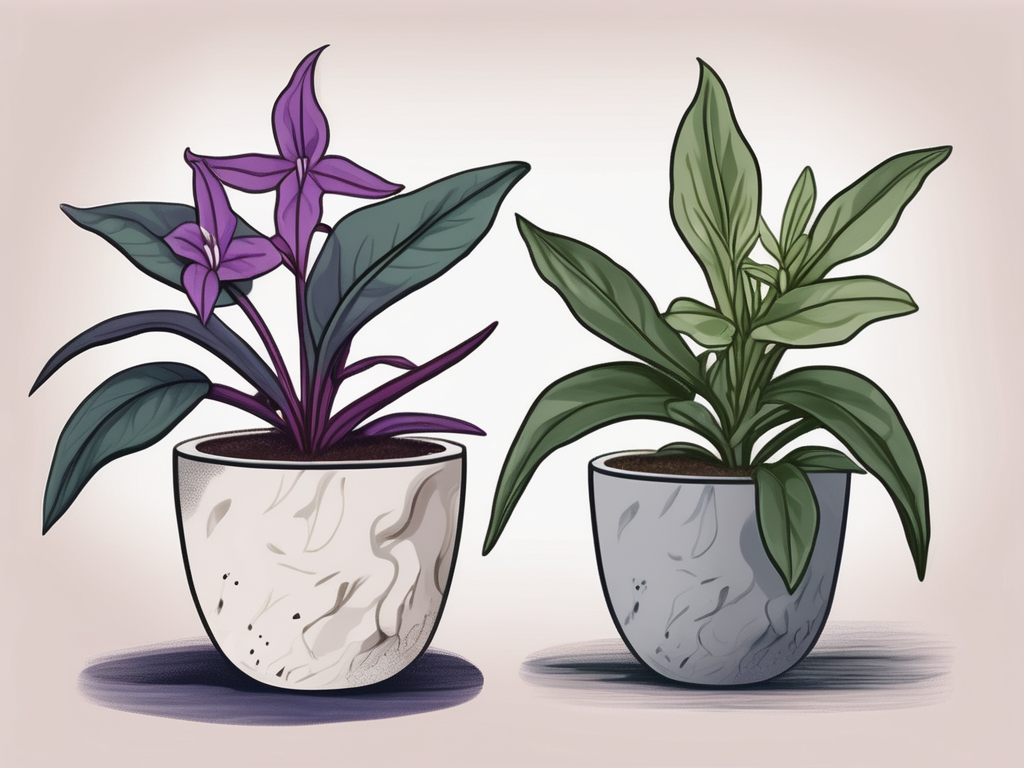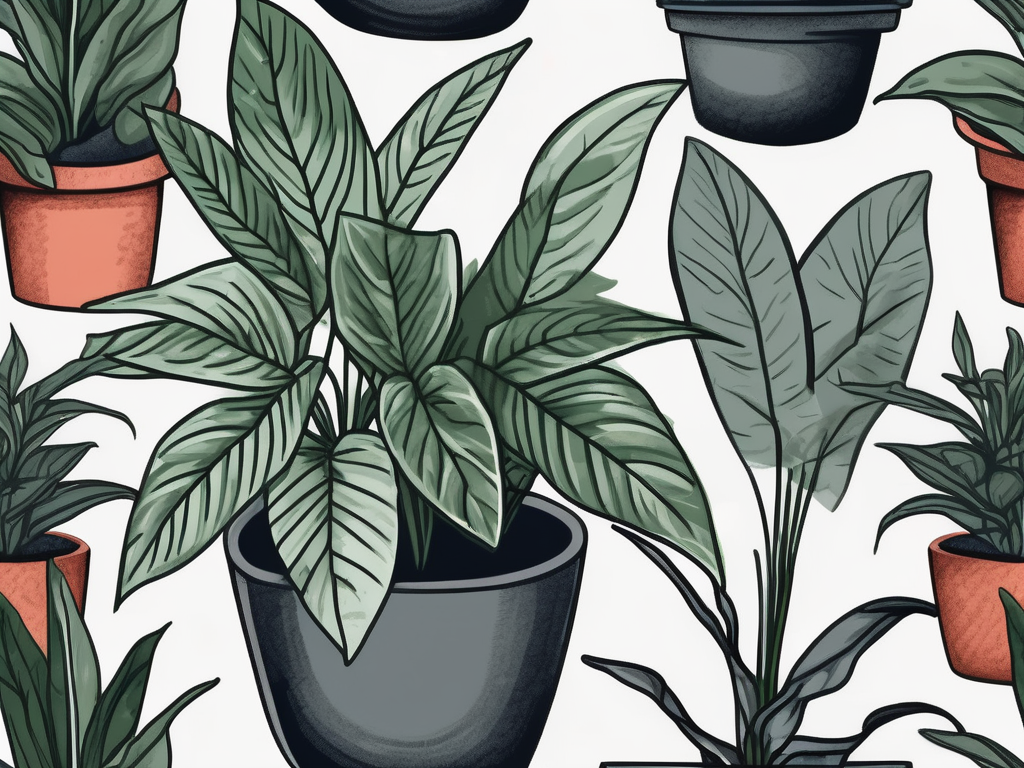
Polka Dot Begonia, with its striking spotted leaves and charming pink flowers, is a houseplant that captures the attention of plant lovers everywhere. But let's be honest, getting the watering schedule right for this beauty can be a bit tricky. Overwatering or underwatering can leave your plant looking less than its best, so it's important to find that sweet spot.
So, how do you know when to water your Polka Dot Begonia? This article will cover everything from understanding your plant's needs to adapting your care routine based on the season. Let's dive into some practical tips and tricks to keep your begonia thriving.
Understanding Your Polka Dot Begonia's Water Needs
First things first, let's talk about what makes the Polka Dot Begonia tick. Like any relationship, understanding is key. These plants are native to tropical regions, which means they love humidity and warmth. However, unlike some other tropical plants, they don't like sitting in soggy soil. Imagine wearing wet socks all day—unpleasant, right? That's how your begonia feels in overly wet soil.
So, what does this mean for watering? Essentially, your Polka Dot Begonia prefers soil that's consistently moist but not waterlogged. This balance is crucial and can vary depending on the environment. Factors like light, temperature, and humidity all play a role in how often you should water. A good rule of thumb is to let the top inch of soil dry out before watering again. This usually translates to a watering schedule of once a week, but it can vary.
Keep in mind that your plant's needs might change with the seasons. During the growing season, typically spring and summer, your begonia will likely need more water. In contrast, during the fall and winter months, you can scale back as the plant's growth slows down.
Checking Soil Moisture: The Finger Test
If you're not sure whether it's time to water, the finger test is a simple and effective method. Here's how you do it:
- Stick your finger about an inch into the soil.
- If the soil feels dry to the touch, it's time to water.
- If it's still moist, hold off for a few days before checking again.
This test is a quick way to get to know your plant's current needs. Consider it like checking your phone for messages—just a little touch base to see if anything needs your attention.
Choosing the Right Pot and Soil
Believe it or not, your choice of pot and soil can significantly impact your watering schedule. Polka Dot Begonias prefer a well-draining soil mix. Think of it like choosing the right pair of shoes for a long walk—you want something comfortable that won't cause blisters.
A mix of peat moss, perlite, and potting soil can provide a good balance of moisture retention and drainage. Additionally, make sure the pot has drainage holes. This prevents water from pooling at the bottom, which can lead to root rot—a common issue with overwatering.
If you're finding that the soil stays wet for too long, consider adding more perlite or switching to a pot with better drainage. On the flip side, if the soil dries out too quickly, adding a bit more peat moss can help retain some moisture.
Adjusting for Environmental Factors
Just like how we dress according to the weather, your Polka Dot Begonia's watering needs can change based on its environment. If your home is particularly dry, especially during winter when heating systems are running, your plant might need more frequent watering.
Conversely, if your home is humid or you use a humidifier, you might find that your begonia is content with less water. Always keep an eye on the plant's leaves. If they start to droop or look dull, it might be a sign that your plant needs a drink.
Positioning is also essential. A begonia sitting in direct sunlight may dry out faster than one in indirect light. Adjusting your plant's location can help you maintain the ideal moisture level. Think of it as giving your plant the best seat in the house—somewhere it gets enough light but isn't baking under the sun.
Watering Techniques: To Mist or Not to Mist?
Misting can be a great way to boost humidity around your Polka Dot Begonia, but it’s not a substitute for proper watering. Some plant parents swear by misting as part of their routine, while others prefer to rely on room humidity and regular watering.
If you choose to mist, do it in the morning to allow leaves to dry out during the day, preventing fungal issues. Use a fine spray and keep it light. Misting can be particularly beneficial if your home is dry, but remember, it shouldn't replace watering the soil directly.
Avoid getting water on the leaves when watering from the top, as this can lead to spots or fungal problems. Instead, water directly at the base of the plant. This way, you ensure water reaches the roots where it's needed most.
Signs of Overwatering and Underwatering
Now, let's talk about troubleshooting. Knowing the signs of overwatering and underwatering can help you adjust your care routine before things get out of hand.
Signs of Overwatering:
- Yellowing leaves
- Wilting despite wet soil
- Root rot (you might notice a foul smell or mushy roots)
Signs of Underwatering:
- Brown, crispy leaf edges
- Drooping leaves
- Dry, compacted soil
If you notice any of these signs, take a step back and reassess your watering schedule. Sometimes, it's just a matter of adjusting your routine slightly to get things back on track.
Seasonal Watering Adjustments
Seasonal changes can impact how often your Polka Dot Begonia needs watering. During the spring and summer, when the plant is actively growing, it may require more frequent watering. The warmer temperatures and increased sunlight can cause the soil to dry out faster.
In the fall and winter, reduce your watering frequency. The plant's growth slows down, and it won't need as much water. However, don't let the soil dry out completely. Your begonia still needs moisture, just not as much.
Adjusting the watering schedule with the seasons is a bit like changing your wardrobe—lighter in the summer, cozier in the winter. By tweaking the routine based on the time of year, you can keep your Polka Dot Begonia happy and healthy all year round.
Using Self-Watering Pots
For those who travel often or have a busy schedule, self-watering pots can be a lifesaver. These pots have a reservoir at the bottom that provides a steady supply of water to the plant as needed. It's like having a helpful assistant who takes care of the watering while you're away.
However, it's important to monitor the soil moisture even with self-watering pots. They can sometimes lead to overwatering if the reservoir is filled too frequently. Use the finger test occasionally to ensure the soil isn't too wet.
Self-watering pots can be a great addition to your plant care toolkit, especially for those who struggle with maintaining a consistent watering schedule. Just remember to check in on your plant every now and then to make sure everything is running smoothly.
Listening to Your Plant
Finally, remember that every plant is unique. While these guidelines are a good starting point, your Polka Dot Begonia might have its own preferences. Pay attention to how it responds to your care routine.
Look for cues from the plant. Happy, healthy leaves and consistent growth are signs that you're doing things right. If something seems off, don't be afraid to experiment with your watering schedule until you find what works best for your plant.
Think of it as a conversation between you and your begonia. By listening and responding to its needs, you can build a healthy, thriving relationship that both you and your plant will enjoy.
Final Thoughts
Getting the watering schedule right for your Polka Dot Begonia can seem daunting at first, but with a bit of attention and care, you'll find the rhythm that keeps your plant thriving. Remember, it's all about creating a balance that suits your plant's environment and your lifestyle.
At Cafe Planta, we're here to help you on your plant journey. Whether you're looking for new additions to your collection or need advice on plant care, feel free to email us or reach out on Instagram. We're excited to share our love of plants and help you create a beautiful, thriving indoor garden.