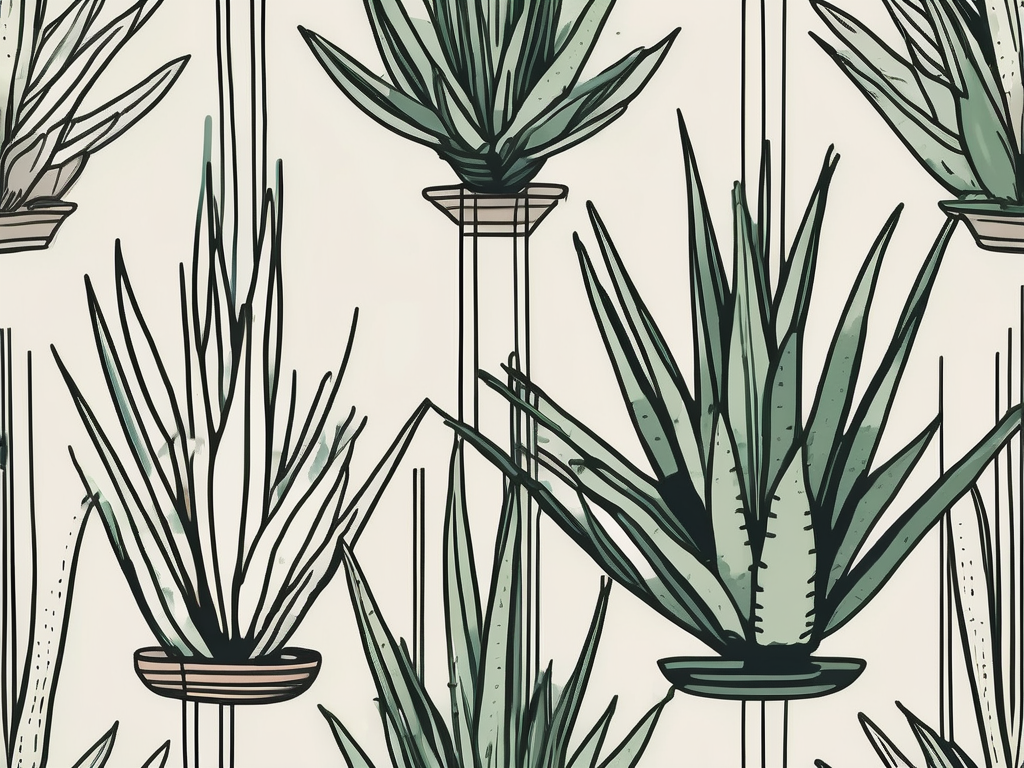
Creating a trellis for your asparagus fern might not be the first thing on your mind when you think about houseplants. But if you're looking to give your plant the best shot at thriving and showing off its beautiful foliage, a trellis can be a game-changer. It's not just about aesthetic appeal; it's about giving your plant the structure it needs to grow healthily.
In this blog post, we'll cover everything you need to know about setting up a trellis for your asparagus fern. From understanding why a trellis can benefit your plant to step-by-step instructions for building one, and even some tips on how to incorporate it into your home decor—consider this your ultimate guide to trellis-building for your beloved fern friend.
Why Your Asparagus Fern Needs a Trellis
Before we jump into the how, let's talk about the why. Asparagus ferns, despite their name, aren't actually true ferns. They're more closely related to lilies! These plants have a natural tendency to sprawl, and while that's charming, it can lead to a bit of chaos. A trellis helps channel that growth, offering support and encouraging vertical development.
Think about it: without some form of guidance, your asparagus fern might end up taking more space than you bargained for. A trellis can help you manage its growth, making it easier to fit into your living space, while also providing the plant with the structure it craves. Plus, a well-trained asparagus fern on a trellis can turn into a stunning focal point, drawing eyes upward and adding a new dimension to your room.
Not only does a trellis provide physical support, but it also opens up more surface area for light exposure. This is crucial for photosynthesis, and in turn, for your plant's overall health. By training your asparagus fern to climb, you give it the opportunity to capture more light, promoting lush and vibrant growth.
Choosing the Right Trellis for Your Space
Now that you're convinced of the benefits of a trellis, the next step is choosing the right one for your space. Trellises come in all shapes and sizes, so you'll want to pick one that fits both your plant's needs and your aesthetic preferences.
Here are a few things to consider:
- Material: Trellises can be made from wood, metal, or plastic. Wood offers a classic look and blends well with indoor settings, while metal can provide a sleek, modern touch. Plastic is often more affordable and weather-resistant, although it may not look as high-end.
- Size: The size of your trellis should correlate with the size of your plant and the space you have available. A small tabletop fern won't need a towering trellis, whereas a floor plant might benefit from more height.
- Design: Do you want something simple and functional, or are you looking for a piece that doubles as decor? There are trellises with intricate designs that can add an artistic element to your space.
Remember, the trellis is not just a support structure—it's also a part of your home decor. Choose one that complements your interior style, whether that's rustic, modern, or eclectic.
Gathering Your Materials
Once you've decided on the right trellis, it's time to gather the materials you'll need. You can purchase a ready-made trellis from a garden center or get creative and make your own. Whichever route you choose, here's a list of materials and tools that will come in handy:
- Pre-made Trellis: If you're buying, make sure it's the right size and material for your space and plant.
- DIY Trellis:
- Wooden dowels or bamboo stakes
- Twine or plant ties
- Wire cutters or a small saw (if customizing size)
- Sandpaper (to smooth any rough edges)
- Pots and Soil: Make sure your asparagus fern is potted in a suitable container with good drainage. If you're moving your plant to a new pot, have fresh potting soil ready.
- Watering Can: Keep your plant hydrated before and after installation to reduce stress.
Having all your materials ready before you start will make the process smoother and more enjoyable. It's like gathering your ingredients before baking—everything just goes better when you're prepared!
Building Your DIY Trellis
If you're feeling crafty, building your own trellis can be a fun and rewarding project. Plus, it allows you to customize the trellis to perfectly suit your plant and space. Here's a simple step-by-step guide to building a basic DIY trellis:
- Measure and Cut: Decide how tall and wide you want your trellis to be based on your plant's current size and potential growth. Use wire cutters or a small saw to cut your wooden dowels or bamboo stakes to the desired length.
- Assemble the Frame: Arrange the stakes in a grid pattern, with vertical and horizontal lines, leaving enough space between them for your plant's foliage to grow through. Secure the intersections with twine or plant ties. For a more stable structure, consider using a dab of wood glue at each intersection.
- Sand and Finish: Use sandpaper to smooth out any rough edges or splinters. If desired, you can paint or stain the wood to match your decor.
- Install in Pot: Carefully insert the trellis into your plant's pot, making sure it's stable and secure. If needed, you can anchor the base of the trellis into the soil with additional stakes or ties.
- Train the Plant: Gently coax your asparagus fern's stems to weave through the trellis, using plant ties to secure it as necessary. Be careful not to damage the plant during this process.
There you have it—your very own handmade trellis! It's a simple project that can make a big difference in both the health of your plant and the look of your space.
Training Your Asparagus Fern
With the trellis in place, the next step is training your asparagus fern to grow along it. This might sound daunting, but it's actually quite simple. Think of it as gently guiding your plant to grow in a way that benefits both of you.
Start by identifying the longest and most flexible stems of your asparagus fern. These will be the ones you want to encourage to climb. Gently weave these stems through the trellis, being careful not to force them or break any foliage.
Use plant ties or soft twine to secure the stems to the trellis. It's important to use materials that won't cut into the plant as it grows. As the plant continues to grow, you may need to adjust the ties or add new ones to guide new growth.
Here's a little tip: try to work with your plant's natural growth pattern. If a stem seems to resist being trained in a certain direction, it might be better to let it go where it wants. Plants, like people, sometimes have a mind of their own!
Incorporating the Trellis into Your Home Decor
Now that your asparagus fern is happily climbing its new trellis, it's time to think about how this new setup fits into your home decor. A trellis can be more than just a plant support—it can also be a decorative element that enhances your space.
Consider the following ideas to make your trellised asparagus fern a statement piece:
- Positioning: Place your plant in a spot where it can be appreciated, such as near a window or in a room where you spend a lot of time. Just make sure it's getting the right amount of light for its needs.
- Complementing Colors: Choose a pot or plant ties that complement the colors in your room. You can even paint the trellis itself to match or contrast with your decor.
- Grouping: If you have multiple plants, consider grouping them together to create a mini indoor garden. This can add a lush, vibrant feel to your space and make your trellis stand out even more.
Remember, the goal is to make your home feel like a cohesive, inviting space where both you and your plants can thrive.
Maintaining Your Trellis and Fern
Now that your asparagus fern is happily situated on its new trellis, you might be wondering how to keep everything in tip-top shape. Luckily, maintaining both the trellis and the plant is pretty straightforward.
First, keep an eye on the plant's growth. As it continues to climb, you may need to adjust the ties or add more to support new growth. Regularly check for any signs of stress or damage, such as browning leaves or broken stems, and address these issues promptly.
Watering is essential. Asparagus ferns like to stay consistently moist, so make sure you're watering it regularly. However, be careful not to overwater, as this can lead to root rot. A good rule of thumb is to let the top inch of soil dry out before watering again.
The trellis itself may also need some attention from time to time. Check for any signs of wear or damage, especially if it's made of wood. Retie any loose connections, and consider giving it a fresh coat of paint or stain if it starts to look a little worn.
Dealing with Pests and Diseases
Even the healthiest plants can sometimes fall victim to pests and diseases. While asparagus ferns are relatively hardy, they're not immune to problems. Here are some common issues and how to address them:
- Spider Mites: These tiny pests can cause yellowing and browning of leaves. Keep an eye out for webbing and treat infestations with insecticidal soap or neem oil.
- Scale Insects: These can appear as small brown bumps on leaves and stems. Remove them manually with a cotton swab dipped in rubbing alcohol.
- Fungal Issues: Overwatering can lead to root rot and other fungal problems. Ensure your plant has good drainage and avoid letting it sit in water.
If your plant does encounter any issues, don't panic. Most problems can be resolved with a little patience and care. If you're ever unsure, feel free to reach out to plant experts for advice.
Taking Your Trellis to the Next Level
Once you've got the hang of using a trellis, you might be inspired to take things up a notch. Here are a few ideas for adding an extra layer of creativity to your trellis setup:
- Lighting: String lights or fairy lights can add a magical touch to your trellis in the evening. Just make sure the lights are safe for indoor use and won't overheat the plant.
- Additional Plants: Consider adding small air plants or trailing vines to your trellis for added interest. Just be mindful of the light and water requirements of any additional plants.
- Themed Decor: Incorporate seasonal or themed decorations to match holidays or events. This can make your trellis a dynamic part of your home decor.
Remember, your trellis is an extension of your personal style, so have fun with it and let your creativity shine.
Final Thoughts
To wrap things up, setting up a trellis for your asparagus fern is a fantastic way to support its growth and integrate it seamlessly into your home decor. From choosing the right trellis to training and maintaining your plant, each step is a chance to connect with your green thumb and enhance your living space.
At Cafe Planta, we love helping plant lovers create beautiful, thriving indoor gardens. Whether you're looking for a unique plant, helpful accessories, or even plant-themed apparel, we've got something for you. And if you ever have questions about your plants, don't hesitate to email us or reach out on Instagram. We're here to support you on your plant journey!