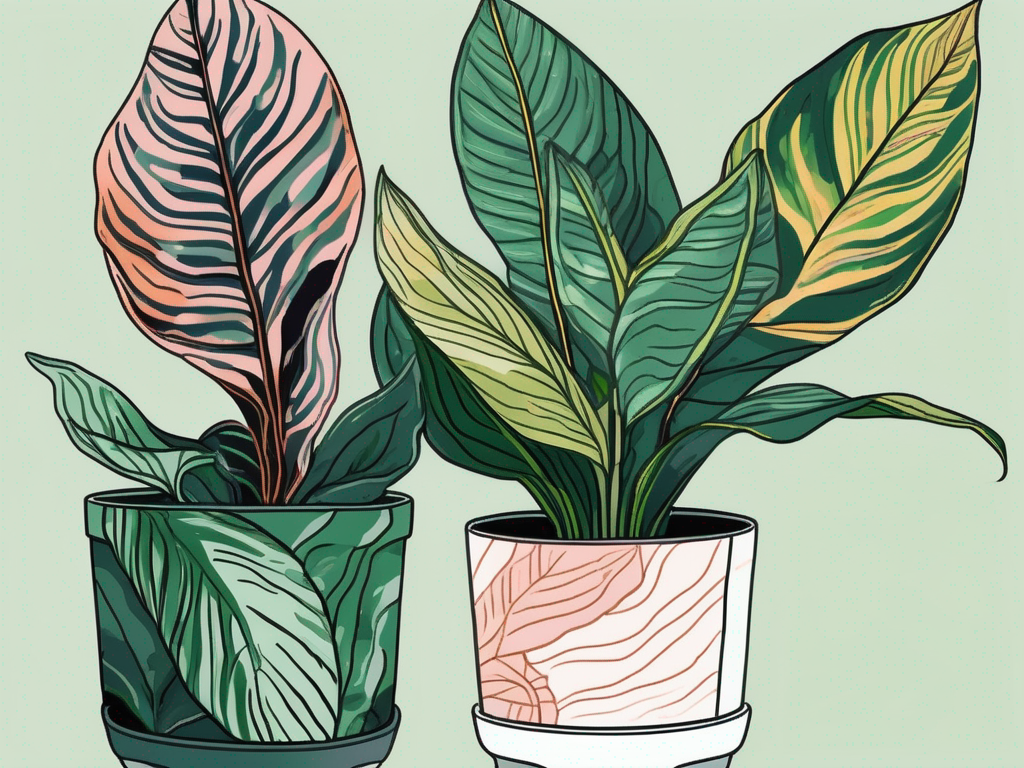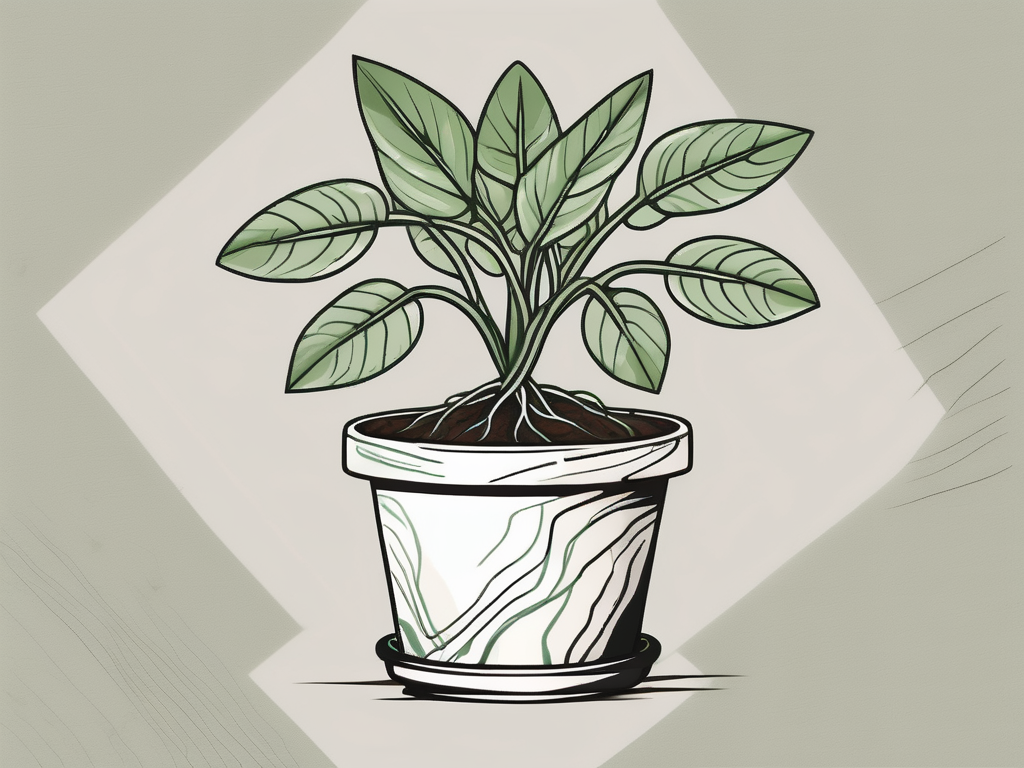
Arrowhead plants, also known as Syngonium podophyllum, are popular houseplants due to their attractive foliage and easy-going nature. Their arrow-shaped leaves and vibrant colors make them a favorite among plant lovers. However, like many plants, they can become root-bound over time, which affects their growth and overall health.
This article will guide you through the process of identifying and addressing a root-bound arrowhead plant. We'll cover everything from spotting the signs to repotting and caring for your plant afterward. By the end of this, you'll feel equipped to give your arrowhead plant the space it needs to thrive.
Recognizing a Root-Bound Arrowhead Plant
So, how do you know if your arrowhead plant is singing the blues about being root-bound? Plants can't exactly shout for help, but they do give us some pretty clear signs. A root-bound plant is one whose roots have filled the pot, leaving little room for further growth. This often happens when the plant has outgrown its container, which is a common issue for fast-growing plants like the arrowhead.
Here are some symptoms to watch out for:
- Frequent wilting: If your plant is wilting more often despite regular watering, it might be a sign that the roots can't absorb water efficiently due to overcrowding.
- Stunted growth: A once-vigorous plant that suddenly stops growing or produces smaller leaves might be root-bound.
- Roots growing out of drainage holes: This is a telltale sign. If you see roots poking out from the bottom of the pot, it's time to consider repotting.
- Soil drying out quickly: When the roots occupy most of the pot, the soil has less capacity to hold moisture, causing it to dry out faster.
Once you notice these signs, it's time to take action. Let's discuss how to confirm your suspicions and what to do next.
Checking the Roots
Before you jump to conclusions, it's good practice to confirm that your arrowhead plant is indeed root-bound. You don't need a magnifying glass or any special tools—just a little bit of patience and a gentle touch.
Here's how you can check:
- Remove the plant from the pot: Carefully tilt the pot on its side and gently coax the plant out. If it's stubborn, you might need to tap the sides of the pot to loosen the soil.
- Inspect the root ball: Once out, take a good look at the roots. If they're circling the outside of the root ball or tightly packed together, your plant is likely root-bound.
- Check for dense, compacted roots: If the roots form a dense mat with little soil visible, it's a sign that the plant needs more room to grow.
Now that you've confirmed the plant is root-bound, let's move on to repotting, giving your plant the space it needs to spread its roots comfortably.
Choosing the Right Pot
Picking the right pot for your arrowhead plant is like choosing a new pair of shoes—you want something that fits just right. The pot size and material can significantly affect your plant's health, so it's worth taking the time to find the best fit.
Here's what to consider:
- Size: Choose a pot that's 1-2 inches larger in diameter than the current one. This gives the roots room to expand without overwhelming the plant with too much soil, which can retain excess moisture.
- Material: Terracotta pots are great for plants that prefer well-drained conditions since they allow excess moisture to evaporate. However, if you live in a dry climate, you might prefer plastic or glazed ceramic pots to retain moisture longer.
- Drainage: Ensure the pot has drainage holes. This is crucial for preventing waterlogged soil, which can lead to root rot.
Once you've selected the perfect pot, it's time to get your hands dirty and repot your plant.
Repotting Your Arrowhead Plant
Repotting can seem like a daunting task, especially if you're new to plant care. But don't worry—it's a straightforward process, and your plant will thank you for the extra room. Here's a step-by-step guide to repotting your root-bound arrowhead plant:
- Gather your materials: You'll need fresh potting soil, your new pot, and a small trowel or scoop. A pair of gloves might also come in handy to keep your hands clean.
- Prepare the new pot: Add a layer of potting mix to the bottom of the new pot. This layer should be deep enough to position the plant at the same level it was growing in the old pot.
- Loosen the roots: Gently tease apart the roots to encourage them to spread out in their new home. If the roots are severely bound, you might need to trim them slightly with clean scissors or pruning shears.
- Position the plant: Place the plant in the center of the new pot, and fill in around it with fresh soil. Firmly but gently press down the soil to eliminate air pockets.
- Water thoroughly: Give your plant a good drink to help settle the soil and reduce transplant shock. Ensure the water drains out to avoid soggy soil.
And there you have it! Your arrowhead plant is now comfortably settled in its new pot. But the care doesn't stop here. Let's talk about post-repotting care.
Post-Repotting Care
Your arrowhead plant has just been through a significant change, and like anyone who moves to a new home, it needs a little extra care to adjust. Here are some tips to help your plant acclimate to its new pot:
- Watering: Keep the soil consistently moist but not soggy. The plant may need slightly less water than usual until it gets settled, as the fresh soil retains moisture longer.
- Lighting: Place the plant in a spot with bright, indirect light. Direct sunlight can be too intense and may stress the plant further.
- Humidity: Arrowhead plants love humidity. Mist the leaves occasionally or place a humidifier nearby to keep them happy.
- Patience: Your plant might show some signs of stress, such as yellowing leaves or slowed growth, but this is normal. Give it time to adjust, and it should bounce back.
With these steps, your arrowhead plant will soon be thriving again, ready to show off its beautiful foliage.
Maintaining Healthy Growth
Now that your arrowhead plant has a little more legroom, it's essential to keep it healthy and vibrant. Here's how to maintain its growth:
- Regular pruning: Trim any dead or yellowing leaves to promote new growth. Pruning also helps control the plant's shape and size.
- Fertilization: Feed your plant with a balanced, water-soluble fertilizer every 4-6 weeks during the growing season. Be cautious not to over-fertilize, as this can harm the roots.
- Rotate the plant: Turn the pot occasionally to ensure even growth. This prevents the plant from leaning towards the light source.
- Regular inspection: Keep an eye out for pests like spider mites or aphids. Early detection makes it easier to manage infestations.
These practices will keep your arrowhead plant healthy and beautiful, allowing it to flourish in its new pot.
Dealing with Root-Bound Issues in the Future
Once you've tackled a root-bound issue, you'll want to prevent it from happening again. Here's how you can keep your plant from getting root-bound in the future:
- Regular check-ups: Inspect your plant periodically for signs of root-bound issues. Early detection can save you and your plant a lot of stress.
- Gradual repotting: Instead of waiting until the plant is severely root-bound, consider repotting every 1-2 years. This keeps the roots healthy and encourages growth.
- Pot size management: When repotting, always choose a pot that's slightly larger than the current one. Avoid jumping to a significantly larger pot, as this can lead to overwatering.
With these habits, you can prevent root-bound problems and ensure your arrowhead plant continues to thrive.
Integrating Arrowhead Plants into Your Home Decor
Arrowhead plants not only purify the air but also add a touch of nature to your home decor. Their versatility makes them suitable for various settings, from cozy nooks to expansive living rooms. Here's how you can incorporate them into your interior design:
- Hanging planters: Arrowhead plants have a trailing growth habit, making them perfect candidates for hanging baskets. This not only saves space but also creates a lovely cascading effect.
- Bookshelves and mantles: Use arrowhead plants to add greenery to shelves or mantles. Their lush foliage can soften the look of hard surfaces and add a fresh vibe.
- Bathroom decor: Their love for humidity makes them ideal for bathrooms. Consider placing them near a window where they can enjoy indirect light and the occasional mist from a shower.
- Group with other plants: Create a mini indoor jungle by grouping your arrowhead plant with other houseplants. This not only enhances the aesthetics but also helps maintain humidity levels.
With these ideas, your arrowhead plant can become a stunning focal point in your home, contributing to a warm and inviting atmosphere.
Common Mistakes to Avoid
Even the most experienced plant parents can make mistakes. Here are some common pitfalls to avoid when dealing with root-bound arrowhead plants:
- Neglecting drainage: Always ensure your pots have proper drainage holes. Without them, excess water can lead to root rot, which is a common problem for arrowhead plants.
- Overwatering after repotting: It's easy to overwater a freshly repotted plant, thinking it needs more care. However, too much water can harm the roots, especially in new soil that retains moisture.
- Ignoring signs of stress: After repotting, keep an eye on your plant for signs of stress. Wilting, yellowing leaves, or stunted growth might indicate issues that need addressing.
By being mindful of these mistakes, you can ensure your arrowhead plant stays healthy and vibrant.
Final Thoughts
Dealing with a root-bound arrowhead plant may seem challenging at first, but with the right care and attention, your plant will thrive in its new home. Remember to check for signs regularly, choose the appropriate pot, and provide post-repotting care to keep your plant healthy.
At Cafe Planta, we're passionate about helping you care for your plants. Whether you're looking for unique houseplants, plant care accessories, or just a bit of advice, we've got you covered. Feel free to email us or reach out on Instagram. We believe plants bring people together, and we're thrilled to support you on your plant journey!