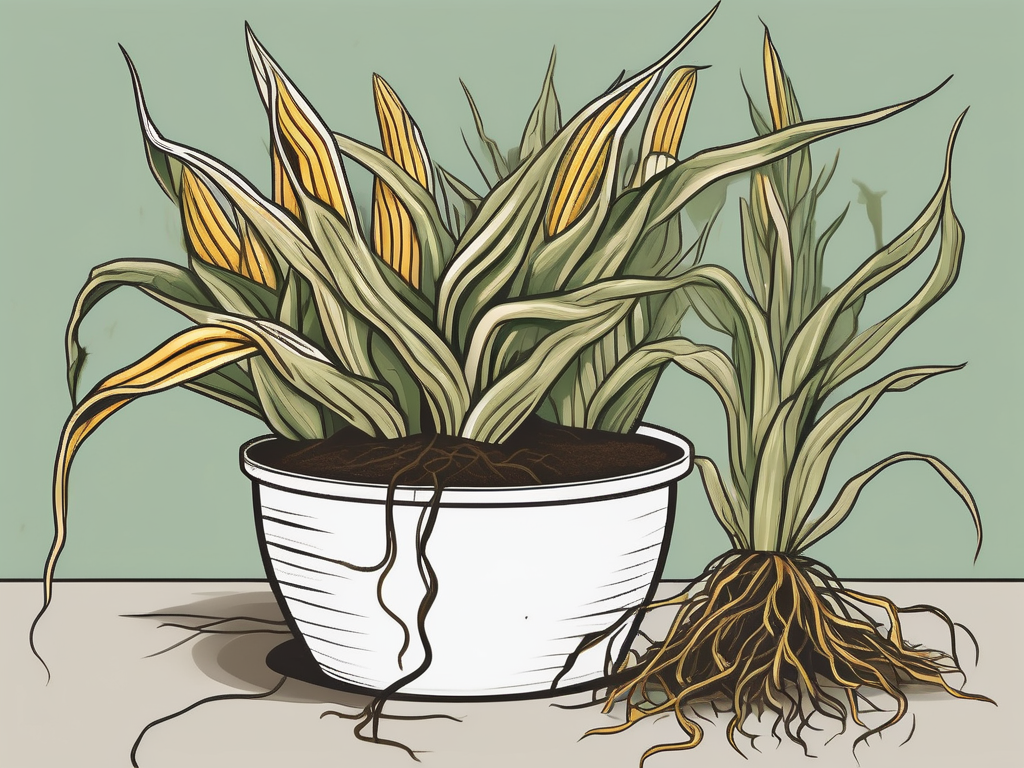
Corn plants, or Dracaena fragrans, are beloved for their easygoing nature and striking foliage. However, even these low-maintenance beauties can run into trouble, particularly when they become root-bound. But what exactly does it mean for a plant to be root-bound, and how can you help your corn plant if it's struggling with this issue?
In this article, we'll uncover the signs of a root-bound corn plant, explore the reasons behind it, and provide step-by-step guidance on how to address the situation. By the end, you'll feel confident in helping your plant thrive once more.
Recognizing Root-Bound Symptoms
First things first, let's talk about what "root-bound" means. When a plant is root-bound, its roots have grown to fill and wrap around the inside of the pot, often forming a dense, tangled mass. This can lead to various problems, as the roots struggle to access water and nutrients effectively. So, how can you tell if your corn plant is suffering from this issue?
Here are some telltale signs:
- Visible roots: If you notice roots poking out from the drainage holes or circling at the soil surface, that's a clear indication that your plant is running out of space.
- Frequent wilting: A root-bound plant may wilt more often, even if you're watering it regularly. This happens because the dense root mass can't absorb enough water.
- Stunted growth: If your corn plant seems stuck in a growth rut, it could be due to limited root space.
- Yellowing leaves: When roots can't access nutrients, the plant may show signs of nutrient deficiency, such as yellowing leaves.
Interestingly enough, these symptoms can sometimes be mistaken for other issues like overwatering or nutrient deficiencies. So, it's important to check the roots directly if you suspect your plant might be root-bound.
Why Corn Plants Get Root-Bound
Understanding why corn plants become root-bound can help you prevent the problem in the future. Essentially, it's a natural consequence of a plant outgrowing its container. But why does this happen so often with corn plants?
There are a few factors to consider:
- Rapid growth: Corn plants are known for their vigorous growth, which means they can outgrow their pots relatively quickly.
- Infrequent repotting: If a plant hasn't been repotted in a couple of years, it's likely to become root-bound, especially if it's growing well.
- Small pots: Selecting pots that are too small or narrow can accelerate the root-binding process. While small pots can be helpful for controlling plant size, they can backfire if the plant grows faster than expected.
While it's hard to say for sure, a combination of these factors often leads to a root-bound corn plant. The good news is that you can take steps to address and prevent this situation.
How to Check for Root-Bound Roots
Before jumping into a solution, it's crucial to confirm that your corn plant is indeed root-bound. This involves a bit of hands-on investigation, but don't worry—it's easier than it sounds!
Steps to Check the Roots:
- Gently remove the plant: Start by carefully tipping the pot on its side and supporting the base of the plant. You might need to give the pot a gentle tap to loosen the root ball.
- Examine the root ball: Once the plant is out, take a close look at the roots. If they're densely packed and circling the pot's edges, your plant is definitely root-bound.
- Assess root health: Healthy roots should be mostly white or light tan. If they're dark, mushy, or foul-smelling, your plant may also be dealing with root rot, which requires a different approach.
After confirming that your corn plant is root-bound, you can proceed with repotting or root pruning, depending on your plant's needs and available resources.
Repotting a Root-Bound Corn Plant
Repotting is one of the most effective ways to address a root-bound condition. By giving your corn plant a new home with more room to grow, you can help it regain its vitality. Here's how to do it:
Steps to Repot:
- Choose the right pot: Select a new pot that's about 1-2 inches larger in diameter than the current one. Ensure it has drainage holes to prevent waterlogging.
- Prepare fresh soil: Use a well-draining potting mix, ideally one formulated for indoor plants. You can enhance drainage by adding perlite or coarse sand.
- Loosen the roots: Before placing your plant in the new pot, gently tease apart some of the outer roots. This encourages them to spread into the new soil.
- Position the plant: Place the corn plant in its new pot, ensuring it's at the same depth as before. Fill in with soil, gently pressing it down to eliminate air pockets.
- Water thoroughly: Give your plant a good drink to help settle the soil and hydrate the roots.
Repotting might seem like a big undertaking, but it can make a world of difference for a root-bound corn plant. Just remember to handle your plant with care throughout the process.
Pruning Roots as an Alternative
If repotting isn't an option—perhaps due to space constraints or personal preference—root pruning is another way to address root-bound issues. This method involves trimming back some of the roots to give the plant more breathing room in its existing pot.
Steps to Prune Roots:
- Remove the plant: As with checking the roots, gently remove the corn plant from its pot.
- Trim excess roots: Use clean, sharp scissors or pruning shears to cut away some of the outer roots, especially those that are tightly circling the root ball. Be careful not to remove more than a third of the root mass.
- Repot in fresh soil: Place the plant back in its pot with fresh soil, ensuring it's at the same depth as before.
- Water well: After repotting, water the plant thoroughly to help it recover from the pruning.
Root pruning can be a bit daunting, but it's a practical solution when repotting isn't feasible. Just be sure to monitor your plant closely afterward to ensure it's adjusting well.
Post-Repotting Care Tips
Whether you've repotted or pruned the roots, your corn plant will need some extra TLC as it adjusts to its new conditions. Here are a few care tips to keep in mind:
- Light: Ensure your corn plant receives bright, indirect light. Direct sunlight can scorch the leaves, while too little light can hinder recovery.
- Watering: Keep the soil consistently moist but not waterlogged. Allow the top inch of soil to dry out between waterings.
- Humidity: Corn plants prefer moderate to high humidity. If your home's air is dry, consider using a humidifier or placing a tray of water near the plant.
- Fertilization: Hold off on fertilizing for a month or two after repotting, as the fresh soil should provide enough nutrients during this period.
These tips will help your corn plant settle into its new pot or pruned state, setting it up for renewed growth and health.
Preventing Future Root-Bound Issues
Preventing root-bound situations in the first place can save you and your corn plant some stress down the road. Here are some strategies to consider:
- Regular repotting: Make a habit of repotting your corn plant every 2-3 years, or when you notice signs of being root-bound.
- Choose the right pot size: Opt for pots that allow room for growth without being excessively large.
- Monitor growth: Keep an eye on your plant's growth rate, adjusting care as needed. Faster growth may necessitate more frequent repotting.
- Use quality soil: Investing in good-quality potting mix can promote healthy root development and reduce the risk of becoming root-bound.
By taking these preventive measures, you can help ensure that your corn plant remains happy and healthy in the long run.
Common Mistakes to Avoid
Even the most experienced plant parents can make mistakes, especially when dealing with root-bound issues. Here are some pitfalls to watch out for:
- Ignoring the signs: If your plant is showing symptoms of being root-bound, don't delay in addressing the issue.
- Improper pot selection: Choosing a pot that's too large can lead to overwatering, while a pot that's too small won't solve the root-bound problem.
- Skipping root loosening: Failing to loosen or trim the roots before repotting can result in continued poor root growth.
- Over-fertilizing: After repotting or root pruning, avoid fertilizing too soon, as this can stress the plant further.
By steering clear of these common errors, you'll give your corn plant the best chance of bouncing back from being root-bound.
When to Seek Professional Help
Sometimes, despite our best efforts, a plant might need professional intervention. If your corn plant shows severe signs of distress or if you're uncertain about handling the root-bound issue, don't hesitate to reach out to a local plant expert or nursery for guidance.
They can offer valuable insights and services, such as advanced repotting techniques or diagnosing other potential problems that may be affecting your plant.
Remember, asking for help doesn't mean you're not doing a great job—it just means you care about your plant's well-being!
Final Thoughts
In summary, identifying and treating root-bound issues in corn plants involves recognizing the symptoms, understanding the causes, checking the roots, and either repotting or pruning the roots. With careful attention and some preventative measures, you can keep your corn plant thriving for years to come.
At Cafe Planta, we’re here to help you with all your plant care needs. If you have any questions or just want to chat about plants, feel free to email us or send a message on Instagram. We believe that plants bring us closer to nature and each other, and we're eager to help you build a beautiful and thriving plant collection in your home.