Identifying houseplants can sometimes feel like solving a delightful mystery. You've got a new leafy friend, and now you're curious about its name, lineage, and what makes it thrive. Knowing your plant's identity is more than just satisfying your curiosity—it's the first step in providing the care it needs to flourish in your home.
This article will guide you through various aspects of plant identification, from recognizing common houseplants to understanding the subtle differences among similar species. Whether you're a seasoned plant parent or just getting started, you'll find practical tips, relatable examples, and a few personal insights to help you become a confident plant detective.
Why Identifying Your Houseplant Matters
Understanding the identity of your houseplants is more than just a fun fact—it's crucial for their well-being. Each plant species has unique care requirements, from light and water needs to soil preferences and ideal humidity levels. By knowing what type of plant you have, you can tailor your care routine to keep it healthy and happy. Imagine trying to take care of a pet without knowing whether it's a dog, cat, or hamster—plant care is quite similar!
Moreover, identifying your plant can help you spot potential problems early. Some plants are more prone to pests or diseases, and knowing their vulnerabilities can save you a lot of trouble in the long run. You'll also find it easier to choose companion plants that can coexist harmoniously in your home, both aesthetically and environmentally.
Finally, for those who love to share their plant journey on social media or with friends, knowing the correct name of your plant helps in tagging and sharing accurate information. It's all about building a community of plant people who can learn from and support each other.
Common Houseplants and Their Identifying Features
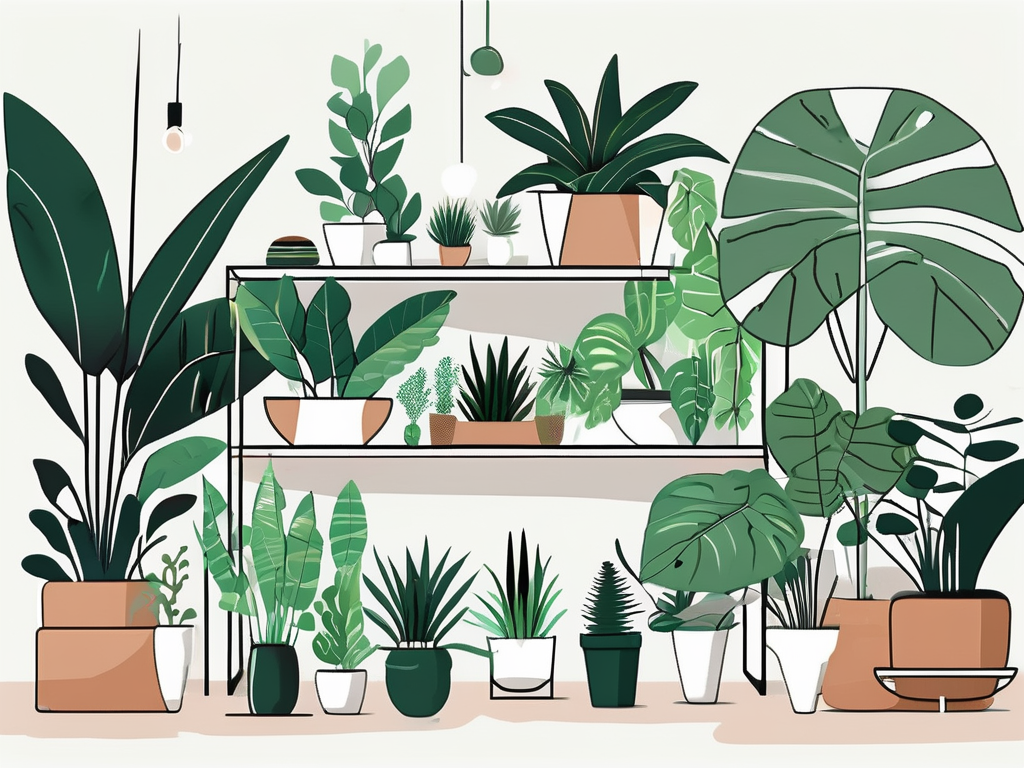
Let's start with some of the most popular houseplants you're likely to encounter. These are the ones you see on your Instagram feed, in your favorite cafe, or at the local nursery. Recognizing these plants can boost your confidence and make plant identification feel less like a guessing game.
Monstera Deliciosa
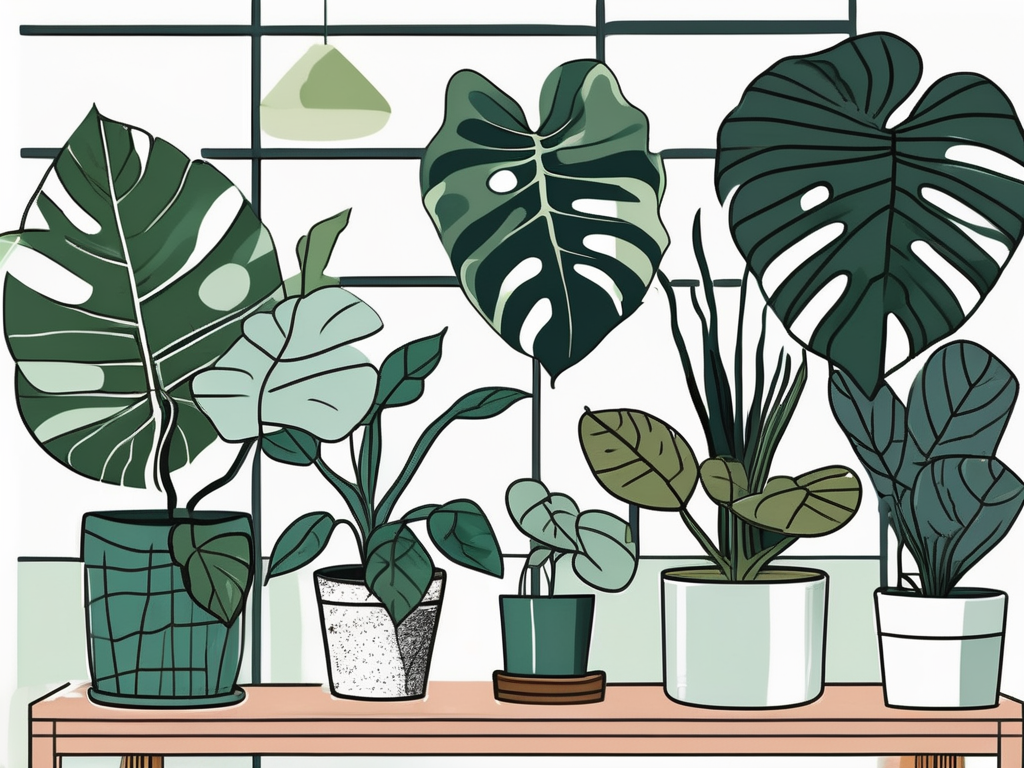
The Monstera is famous for its large, glossy leaves with distinctive splits and holes. It's often called the "Swiss Cheese Plant," and for a good reason—those leaf perforations give it a unique look. Monsteras are climbers, so if you notice aerial roots, you've probably got a Monstera on your hands. They like bright, indirect light and prefer their soil to dry out a bit between waterings.
Fiddle Leaf Fig (Ficus Lyrata)
The Fiddle Leaf Fig is another Instagram darling, known for its broad, violin-shaped leaves. This plant can grow quite tall, making it a striking addition to any room. Keep an eye out for its sensitive nature; it doesn't like to be moved around and can be picky about its light and water conditions. If your plant has large, leathery leaves with prominent veins, it's likely a Fiddle Leaf Fig.
Snake Plant (Sansevieria)
The Snake Plant is a tough cookie, known for its upright, sword-like leaves. It's a great plant for beginners because it can tolerate low light and infrequent watering. The most common variety has green, banded leaves with yellow edges. If you spot a plant with stiff, vertical leaves that seem to thrive on neglect, it's probably a Snake Plant.
Using Leaf Shape and Texture for Identification
Leaves are like fingerprints for plants—no two species have the exact same leaf shape or texture. By paying attention to these details, you can narrow down your plant's identity significantly.
First, consider the shape of the leaf. Is it heart-shaped, like a Philodendron, or more elongated and narrow, like a Dracaena? Leaf shape can often give you a big clue about the plant family you're dealing with.
Next, feel the texture. Some plants, like the Velvet Calathea, have soft, almost fuzzy leaves, while others, like the Rubber Plant, have smooth, glossy surfaces. Texture can indicate how the plant interacts with its environment and what conditions it might prefer.
Don't forget about leaf patterns. Variegation, which is when leaves have multiple colors or patterns, can help identify specific species or varieties. Take the Pothos, for example; it comes in several varieties, each with its own unique leaf pattern, from the marbled Marble Queen to the golden-hued Golden Pothos.
Flowering Habits and Their Role in Identification
While not all houseplants bloom indoors, those that do can offer significant clues for identification. Flowers are like the plant's calling card, often unique to their species or family.
Consider the Peace Lily, known for its elegant white blooms that resemble a teardrop. These flowers rise above its dark green foliage, making it fairly easy to identify. The same goes for African Violets, which produce small, vibrant flowers in a range of colors from purple to pink.
Even if your plant doesn't flower often, the structure of its blooms can still help. Orchids, for example, have intricate flowers with a distinctive lip, setting them apart from other flowering houseplants. If you're lucky enough to catch your plant in bloom, take note of the flower's shape, color, and size.
Keep in mind that some plants have less showy flowers, like the ZZ Plant, which produces small, pale blooms at the base. While these aren't the main attraction, they can still be helpful in confirming your plant's identity.
Stem and Growth Patterns: Clues to Your Plant's Identity
The way a plant grows can tell you a lot about its species. Some plants, like the Spider Plant, produce offshoots or "pups" that hang from the main plant. Others, like the English Ivy, have a trailing or climbing habit, making them perfect for hanging baskets or training on trellises.
The stem itself can also be a giveaway. Succulents, for instance, often have thick stems designed to store water, while ferns have delicate, wiry stems. A plant with a woody stem might belong to the Ficus family, while a plant with a fleshy, green stem could be a member of the Peperomia clan.
Observe how your plant grows over time. Does it shoot up quickly, like a Bamboo Palm, or does it spread out slowly, like a Peace Lily? Growth patterns can help you refine your identification and understand what kind of environment your plant prefers.
Using Technology to Identify Houseplants
In today's digital age, technology can be a great ally in identifying houseplants. There are several apps and online resources designed to help you recognize plants with just a few clicks or taps.
Plant identification apps, like PlantSnap or PictureThis, allow you to take a photo of your plant and receive instant suggestions for its identity. These apps use image recognition technology to match your plant's features with a vast database, making it a handy tool for any plant parent.
Online forums and plant communities can also be valuable resources. Platforms like Reddit's "What is this plant?" or Facebook plant groups let you upload photos and ask fellow plant lovers for their input. The collective knowledge of these communities is often impressive, and you might even make some new plant-loving friends along the way.
While technology is a fantastic tool, don't rely on it exclusively. Use it as a starting point, and combine its suggestions with your own observations for the most accurate identification.
Identifying Houseplants by Their Origins
Understanding where a plant comes from can offer hints about its identity and care needs. Many houseplants originate from specific regions, and knowing this can guide you in recreating similar conditions in your home.
Tropical plants, like the Monstera or Philodendron, thrive in warm, humid environments. If your plant has large, lush foliage, it might hail from a tropical region. On the other hand, succulents and cacti typically come from arid areas, which explains their love for sunlight and ability to store water.
Consider the Chinese Money Plant, also known as Pilea Peperomioides. Originally from southern China, it's adapted to cooler, temperate climates and prefers bright, indirect light. By researching your plant's origins, you can gain insights into what makes it happy and healthy.
While origins are a helpful clue, remember that many houseplants are hybrids or cultivars, making them more adaptable to various conditions. Use this information as a guideline rather than a strict rule.
Consulting Plant Guides and Books
Sometimes, nothing beats the feel of a book in your hands. Plant guides and books offer in-depth information and beautiful illustrations that can make plant identification a joy.
Books like "The Houseplant Expert" by Dr. D.G. Hessayon or "How to Raise a Plant and Make It Love You Back" by Morgan Doane and Erin Harding provide detailed descriptions, care tips, and photos to help you identify and nurture your plants. These resources are great for flipping through when you have a mystery plant on your hands.
Local libraries or bookstores often have a selection of plant books that you can browse. You might even discover new plants to add to your collection. Plus, having a physical guide on your shelf means you always have a reliable reference at your fingertips.
While digital resources are convenient, there's something undeniably charming about leafing through a book and discovering new plant knowledge. It's a tactile experience that many plant lovers cherish.
Final Thoughts
Identifying houseplants is like unlocking a new level of plant care. By understanding your plant's unique features, you can provide the care it needs to thrive in your home. From leaf shapes to growth patterns and flowering habits, each detail brings you closer to uncovering your plant's identity.
At Cafe Planta, we're here to help you on your plant journey. Whether you need advice or just want to share your plant stories, feel free to reach out via email or Instagram. We're passionate about connecting people with plants and supporting you in creating a beautiful, thriving indoor garden.