Houseplants bring a touch of nature indoors, and their green beauty can transform any living space into a peaceful sanctuary. However, nothing dampens the joy of plant parenting quite like discovering mold on your plant's soil. Don't worry though—mold growth is a common issue, and with a little knowledge and effort, you can keep your indoor jungle mold-free.
In this article, we'll walk through practical tips and techniques to prevent mold from taking over your houseplant soil. From understanding why mold appears to actionable steps for prevention, you'll have all the information you need to ensure your plants are healthy and your home remains a welcoming haven.
Understanding Mold on Houseplant Soil
Mold on houseplant soil might seem alarming at first, but it's important to understand what causes it. Mold is a type of fungus that thrives in damp, warm environments, feeding on organic matter. Since houseplant soil often contains organic components like peat moss or compost, it can become a perfect breeding ground for mold if conditions are right.
You'll typically notice mold as a white, fuzzy substance on the surface of the soil. While it usually doesn't harm your plants directly, it can signal underlying issues like overwatering or poor air circulation. These conditions not only encourage mold growth but can also stress your plants, making them more susceptible to other problems.
To manage mold effectively, we need to first identify why it's appearing. Are you overwatering? Is your plant's location too humid? By addressing these questions, you can nip mold issues in the bud before they become a bigger problem.
Proper Watering Techniques
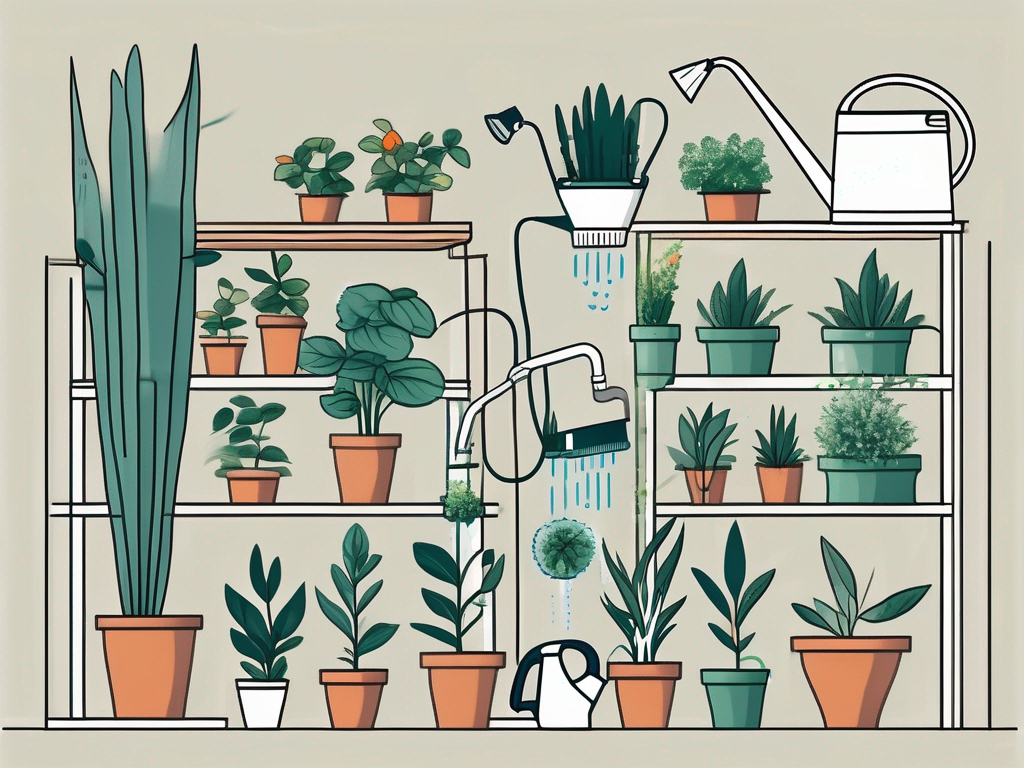
One of the most common reasons for mold growth on houseplant soil is overwatering. Many plant parents, eager to provide the best care, end up giving their plants a bit too much love in the form of water. However, too much moisture can lead to mold, as well as root rot, which is a more serious concern.
So, how do you know when to water? A good rule of thumb is to let the top inch of soil dry out before watering again. You can check this by sticking your finger into the soil; if it feels dry, it's time to water. If it's still damp, hold off for a few more days.
Additionally, consider the type of plant you're caring for. Some plants, like succulents and cacti, prefer drier conditions and need less frequent watering. On the other hand, tropical plants might appreciate a bit more moisture. Understanding the needs of your specific plants will help you strike the right balance.
- Use pots with drainage holes to prevent water from accumulating at the bottom.
- Water in the morning to give the soil a chance to dry out during the day.
- Consider using a moisture meter for more accurate readings, especially if you're uncertain about the soil's moisture level.
Improving Air Circulation
Stagnant air can create a humid environment that mold loves. Improving air circulation around your plants can help keep the soil surface dry and less inviting to mold. This doesn't mean you need a windstorm in your living room, but a gentle breeze can work wonders.
Start by placing your plants in areas where they can benefit from natural air movement. Near windows or open doors can be ideal spots, as long as they're not exposed to harsh drafts. If natural circulation isn't enough, consider using a small fan to create a gentle airflow around your plants.
Another tip is to avoid crowding your plants. While a lush cluster of greenery looks great, too many plants packed together can block airflow. Give each plant a bit of space to breathe, and you'll likely see an improvement in both plant health and mold prevention.
Choosing the Right Soil
The type of soil you use can also influence mold growth. Some soils retain moisture better than others, so selecting the right mix for your plants is crucial. If you're dealing with mold issues, it might be time to rethink your soil choice.
A well-draining soil mix is essential for preventing mold. Look for potting soils that contain perlite, sand, or orchid bark—these materials help improve drainage and aeration. Avoid heavy, clay-based soils as they tend to hold onto water, creating a soggy environment that mold loves.
When repotting your plant, consider mixing your soil with a bit of activated charcoal. Charcoal can help absorb excess moisture and reduce odors, making it a useful addition in any potting mix. It's a small change that can have a big impact.
- Check the soil type needed for your specific plant species.
- Consider adding organic matter like compost sparingly, as too much can retain moisture.
- Mix in sand or perlite for plants that prefer drier conditions, like succulents.
Controlling Humidity Levels
Many houseplants come from tropical regions and thrive in higher humidity. However, high humidity can also encourage mold. If you notice mold, it might be worth checking the humidity levels in your home.
A hygrometer can be a handy tool to measure humidity. Ideally, you want to keep the humidity around your plants between 40-60%. If it's higher, there are a few easy ways to bring it down:
- Ventilation: Open windows or use exhaust fans to reduce humidity levels.
- Dehumidifiers: These devices can help control moisture in the air, especially in more humid climates.
- Humidity Trays: If you're using pebble trays to increase humidity, make sure they're not overly wet and breeding mold themselves.
Balancing humidity can be tricky, especially with different plants requiring different levels. It's often a bit of trial and error, but once you find what works, your plants will be much happier.
Cleaning and Maintenance
Regular cleaning and maintenance go a long way in preventing mold. Just like we tidy up our homes, our plants need a little sprucing up too. Removing dead leaves and debris from the soil surface can prevent mold from finding a place to settle.
Beyond just the soil, keep your pots and plant trays clean as well. Mold spores can linger on surfaces, so giving them a good wash can help keep mold at bay. A simple solution of water and dish soap works well for most pots.
It's also helpful to occasionally wipe down plant leaves. Dust can accumulate and create a barrier that traps moisture, so a gentle wipe with a damp cloth can keep both the leaves and the soil below mold-free.
- Check your plants weekly for any signs of mold or debris.
- Keep the area around your plants clean and free of clutter.
- Consider rotating your plants occasionally to ensure they receive even light and air exposure.
Using Natural Mold Inhibitors
If you're dealing with persistent mold issues, there are natural remedies that can help. These options are safer than chemical treatments and can effectively reduce mold without harming your plants.
One popular method is cinnamon. Yes, the same spice you might sprinkle on your coffee can act as a natural fungicide. Simply dust a small amount of cinnamon on the soil's surface to discourage mold growth.
Vinegar is another option, though it requires a bit more caution. Dilute white vinegar with water (one part vinegar to three parts water) and apply it sparingly to the soil surface. Be careful not to get too much on the plant itself, as vinegar can damage plant tissues.
- Use cinnamon sparingly, as too much can alter soil pH.
- Test vinegar solutions on a small area first to ensure it doesn't harm your plant.
- Consider neem oil sprays, which are effective against a variety of plant pests and fungi.
Repotting When Necessary
Sometimes, despite our best efforts, the mold problem persists. In these cases, repotting might be the best solution. Repotting gives you the chance to start fresh with new soil and a clean pot, eliminating any lingering mold spores.
When repotting, be sure to remove as much of the old soil as possible from the roots. Gently rinse the roots in water to ensure no mold remains. Choose a clean pot with good drainage and fill it with fresh, well-draining soil.
Repotting can be stressful for plants, so try to do it during their active growing season—usually spring or summer. After repotting, keep an eye on your plant's watering needs, as they may change with the new soil composition.
- Inspect the roots for any signs of rot and trim if necessary.
- Allow the plant to acclimate to its new pot by placing it in a stable environment.
- Avoid fertilizing immediately after repotting; give your plant time to adjust.
Monitoring and Adjusting Light Conditions
Light plays a crucial role in plant health and soil conditions. Inadequate light can lead to soil that stays wet for too long, fostering mold growth. Ensuring your plants receive the right amount of light can help mitigate this risk.
Observe how sunlight moves through your space and adjust your plant placements accordingly. Some plants thrive in bright, indirect light, while others might prefer filtered or even direct sunlight. Understanding your plant's light needs can improve their overall health and reduce mold potential.
Consider using grow lights if natural light is insufficient. This is especially useful during the shorter days of winter or in rooms with limited window access. Grow lights can supplement natural light and help keep your plants happy and healthy.
- Rotate plants regularly to ensure even light exposure on all sides.
- Keep windows clean to maximize the natural light entering your space.
- Adjust blinds or curtains to control light intensity as needed.
Final Thoughts
Preventing mold on houseplant soil involves a mix of proper watering, good air circulation, and choosing the right soil and location for your plants. While it may seem like a lot to manage, with practice, these habits will become second nature and your plants will thank you for it.
At Cafe Planta, we love helping plant lovers create thriving indoor gardens. If you have questions about plant care, feel free to email us or send a DM on Instagram. We believe in the power of plants to connect and inspire, and we're here to support you on your plant journey.