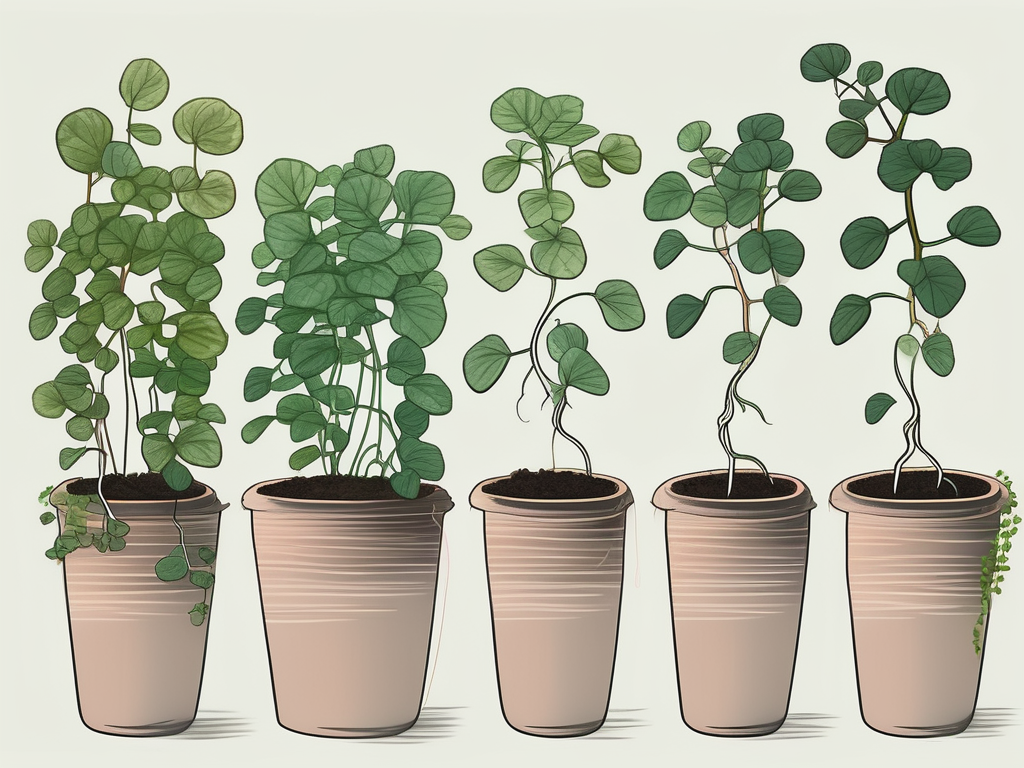
Ever thought about adding a touch of greenery to your home with a plant that's both charming and easy to propagate? Look no further than the creeping fig! This little plant is perfect for those who love the idea of creating new plants from a single mother plant. It's not just rewarding—it's also a fun and educational process that can bring a sense of satisfaction to any plant lover.
In this post, we're going to walk you through the steps of propagating creeping fig cuttings. From selecting the right cuttings to nurturing them into healthy new plants, you'll find everything you need to know right here. So grab your gardening gloves, and let's get started!
Understanding the Creeping Fig
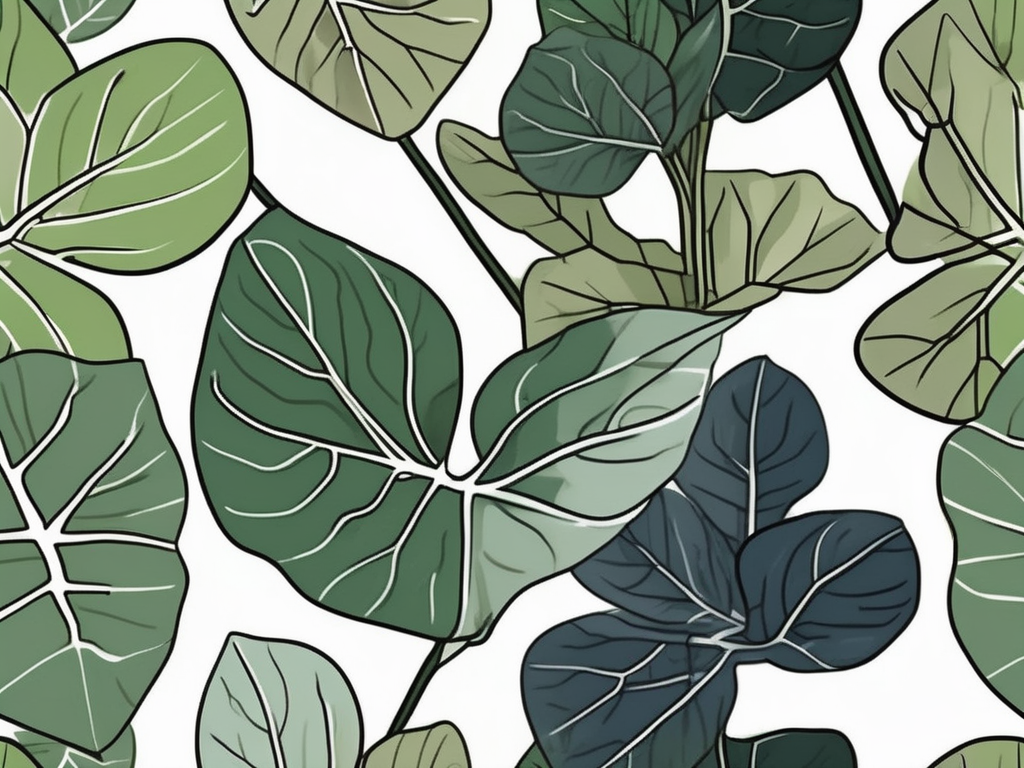
The creeping fig, or Ficus pumila, is a delightful vine known for its small, heart-shaped leaves and vigorous growth. It's a favorite among plant people for its ability to climb and cover walls, trellises, and fences. Not only does it add a lush, green backdrop to any space, but its rapid growth makes it perfect for propagation projects.
While the creeping fig is relatively low maintenance, understanding its natural habitat can help you mimic the right conditions at home. Native to East Asia, this plant loves humidity and warmth. It thrives in bright, indirect light but can tolerate some shade, making it versatile enough for various indoor settings.
When it comes to propagating creeping fig, you're in for a treat. This plant roots easily from cuttings, making it a fantastic choice for beginners looking to expand their plant collection without much fuss.
Selecting the Right Cuttings
Before you start snipping away, it's important to select the right cuttings for propagation. Healthy, vibrant cuttings are the foundation of a successful propagation journey. Here's how to choose the best candidates:
- Healthy Parent Plant: Ensure the mother plant is healthy, free of pests, and has lush growth. A stressed plant will yield weaker cuttings.
- Look for Newer Growth: Newer growth tends to root more easily. Opt for stems that are semi-ripe, meaning they're not too woody but not too soft either.
- Length of the Cutting: Aim for cuttings that are about 4 to 6 inches long. This length provides enough stem to support new roots while maintaining the energy reserves needed for growth.
- Leave Some Leaves: Each cutting should have at least three to four leaves. These leaves will help the plant photosynthesize and establish itself faster.
Once you've selected your cuttings, it's time to move on to the next step—preparing them for planting.
Preparing Your Cuttings
Preparing your cuttings properly is crucial for successful propagation. The goal is to create an environment that encourages root growth while minimizing stress on the plant. Here's how to prepare your creeping fig cuttings:
- Use Clean Tools: Sterilize your pruning shears or scissors with rubbing alcohol or a diluted bleach solution. This prevents the spread of disease to your cuttings.
- Make a Clean Cut: Cut your selected stems just below a node. The node is where the leaves attach to the stem, and it's from here that roots will emerge.
- Remove Lower Leaves: Trim off the leaves from the bottom half of the cutting. This reduces water loss and helps the cutting focus on root development.
- Optional - Use Rooting Hormone: Dipping the cut end into rooting hormone can speed up the rooting process, though it's not strictly necessary for creeping figs.
With your cuttings prepared, you're ready to plant them. Let’s see how to find the perfect medium for planting.
Choosing the Right Medium for Planting
When it comes to rooting cuttings, the medium you choose plays a vital role in their success. A good rooting medium provides support, moisture, and air—three essentials for new roots to develop. Here are some options you can consider:
- Potting Mix: A well-draining potting mix is an excellent choice. You can enhance drainage by adding perlite or sand to your mix.
- Sphagnum Moss: This moss retains moisture well and provides a sterile environment, making it a popular choice for rooting cuttings.
- Water: Some plant lovers prefer rooting their cuttings in water. This allows you to easily monitor root growth, although you'll need to transplant them to soil eventually.
Whichever medium you choose, ensure it's fresh and free of contaminants to give your cuttings the best start possible.
Planting Your Cuttings
Now comes the exciting part—planting your cuttings! This step is where your efforts begin to take shape, and you start the journey toward new plants. Here’s how to do it:
- Moisten the Medium: Before planting, dampen your chosen medium. It should be moist but not soggy.
- Make a Hole: Use a pencil or your finger to create a hole in the medium. This prevents damage to the cutting's delicate stem.
- Insert the Cutting: Gently place the cutting into the hole, ensuring that at least one node is buried. Press the medium around the stem to secure it.
- Cover for Humidity: If you're planting in soil, consider covering the pot with a plastic bag or placing it in a mini greenhouse to maintain humidity, which aids root development.
With your cuttings planted, it's time to turn your attention to care and nurturing.
Caring for Your New Cuttings
Caring for your newly planted cuttings is crucial to ensure they thrive and develop strong roots. Here’s how you can support them during this critical phase:
- Maintain Moisture: Keep the medium consistently moist. Avoid letting it dry out, as this can stress the cuttings. However, be cautious not to overwater, which can lead to rot.
- Provide Indirect Light: Place your cuttings in bright, indirect light. Direct sunlight can be too harsh and can dehydrate the cuttings.
- Temperature and Humidity: Aim for temperatures between 65-75°F. High humidity is beneficial, so misting the cuttings or using a humidity dome can help maintain the right environment.
- Be Patient: Root development can take a few weeks. During this time, check for resistance when you gently tug on the cuttings. If they resist, roots are forming!
With consistent care, your cuttings will soon establish themselves as new, vibrant plants. But what’s next?
Transplanting and Potting Up
Once your cuttings have developed a strong root system, it's time to transplant them into their permanent homes. This step is crucial for their continued growth and health.
When to Transplant
Knowing when to transplant your cuttings is key. Look for signs of healthy root growth, such as roots emerging from the bottom of the pot or a noticeable increase in new leaves. Typically, this will take 4-6 weeks.
Steps for Transplanting
- Choose the Right Pot: Select a pot that's slightly larger than the current one. Ensure it has drainage holes to prevent waterlogging.
- Prepare the Potting Mix: Use a well-draining mix similar to what you used for rooting. Adding some organic matter can provide extra nutrients.
- Gently Remove the Cutting: Carefully remove the cutting from its current pot. Handle it by the stem to avoid damaging the roots.
- Plant and Water: Place the cutting in the new pot, fill with potting mix, and water thoroughly. Ensure the plant is stable and upright.
Now that your creeping figs are in their new homes, it’s time to think about long-term care.
Long-term Care and Maintenance
Your new creeping fig plants are now on their way to becoming beautiful additions to your home. To keep them thriving, you'll need to provide ongoing care. Here are some tips:
- Watering: Allow the top inch of soil to dry out between waterings. Overwatering is a common mistake, so check the soil moisture before watering.
- Fertilizing: Feed your plants every 4-6 weeks during the growing season with a balanced, water-soluble fertilizer. This supports their rapid growth.
- Pruning: Regular pruning helps maintain the shape and encourages bushier growth. Trim any dead or damaged leaves as needed.
- Pest Control: Keep an eye out for pests like spider mites or aphids. If detected, treat them with insecticidal soap or neem oil.
With these care tips, your creeping figs will continue to flourish and bring greenery into your space.
Troubleshooting Common Issues
Even the best plant parents encounter challenges along the way. Here are some common issues you might face with your creeping figs and how to address them:
- Yellowing Leaves: This often indicates overwatering or poor drainage. Check your watering routine and ensure your pots have adequate drainage.
- Leggy Growth: If your plant is growing tall and sparse, it might not be getting enough light. Move it to a brighter location.
- Wilting: Wilting can be a sign of both underwatering and root rot. Check the soil moisture and adjust your watering practices accordingly.
- Pest Infestation: Regularly inspect your plants for pests. If found, isolate the plant and treat it promptly with appropriate measures.
By staying vigilant and addressing issues early, you can maintain the health and beauty of your creeping figs.
Sharing Your Plant Babies
One of the joys of propagating is sharing your plant babies with friends and family. Here’s how you can make the most of your propagation success:
- Gift a Plant: Pot up a cutting in a decorative pot and present it as a thoughtful gift. It's a personal touch that plant lovers will appreciate.
- Swap with Fellow Plant Lovers: Join plant swaps or online communities to share your cuttings and receive new plants in return.
- Start a Mini Garden: Use your propagated plants to create a small indoor garden or terrarium. It’s a fun way to get creative with your greenery.
Sharing your propagated plants not only spreads joy but also encourages others to explore the world of plant care.
Final Thoughts
Propagating creeping fig cuttings is a delightful way to expand your plant collection and share the joy of gardening with others. By following the steps outlined above, you can successfully grow new plants from cuttings and enjoy the lush, green beauty they bring to your space.
At Cafe Planta, we love helping plant parents care for their green friends. Whether you're looking for unique houseplants or need some plant care advice, we're here for you. Feel free to email us or send a message on Instagram. Let's nurture our love for plants together!