Have you ever gazed at the strikingly beautiful Purple Passion Plant with its velvety purple leaves and thought, "I want more of these in my life"? You're not alone. Many plant lovers find themselves captivated by this unique plant's charm, often wanting to propagate it and spread the purple love around their homes or share with friends.
This article will walk you through the entire process of propagating Purple Passion Plant cuttings. From selecting the perfect stem to nurturing new roots, we've got all the steps covered. So, grab a cup of tea, get comfortable, and let's get started on this fun and rewarding journey together!
Understanding the Purple Passion Plant
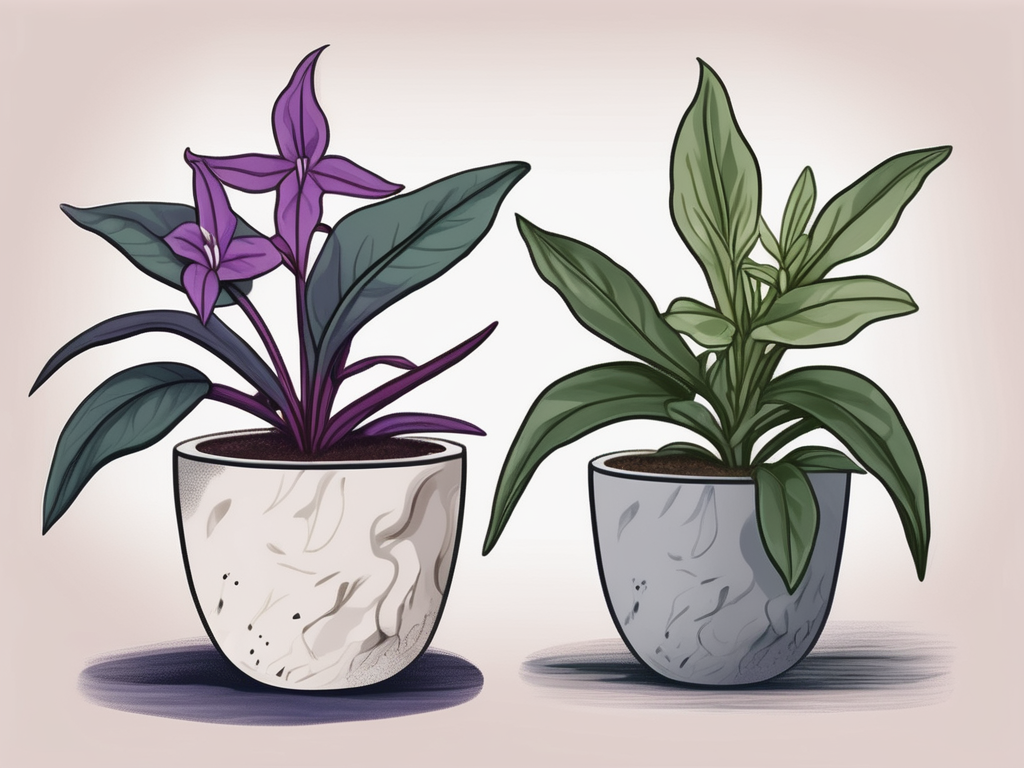
Before you start snipping away, it's helpful to know a bit about the Purple Passion Plant, or Gynura aurantiaca, as it's scientifically known. This plant is famous for its fuzzy, purple-hued leaves that seem almost otherworldly. Native to Java, it's a relatively easy plant to care for, making it a favorite among both novice and experienced plant people.
The plant thrives in bright, indirect light and enjoys a bit of humidity, which makes it perfect for kitchens or bathrooms. It’s not too fussy about its soil but prefers well-draining potting mix. While its stunning foliage is its main attraction, it can produce orange flowers, although some folks find their scent a bit off-putting. Knowing these basics will help you understand what your plant needs as you embark on the propagation process.
Gathering Your Tools and Materials
Before diving into propagation, you’ll need to gather some essential tools and materials. Don't worry, you likely have most of these at home already, and if not, they’re easy to find at any garden center.
- Sharp scissors or pruning shears: A clean, sharp tool is crucial for making precise cuts and minimizing damage to your plant.
- Rooting hormone (optional): While not strictly necessary, rooting hormone can speed up the rooting process for your cuttings.
- Small pots or containers: These will hold your cuttings as they root. Make sure they have drainage holes.
- Well-draining potting mix: A mix that includes perlite or sand will ensure proper drainage.
- Water: You'll need this for soaking your cuttings and keeping the soil moist.
- Plastic bags or a clear plastic container: These can create a mini-greenhouse effect to boost humidity during propagation.
Once you have these items ready, you're set to begin the propagation process. Having everything at hand will make the process smoother and more enjoyable.
Selecting the Perfect Stem for Cutting
Choosing the right stem is crucial for successful propagation. You want to ensure that your cutting is healthy and has the best chance to root and grow into a robust new plant.
Look for a stem that is at least 4-6 inches long and has several leaves. Avoid stems that look weak, discolored, or damaged. The best stems are those that have vibrant color and appear strong and healthy.
Here's a quick tip: If you're unsure which stem to choose, gently feel the plant for firmness. A firm stem is usually a sign of vigor and health. Once you've found a suitable stem, it's time to make your cut. Using your sharp scissors or pruning shears, make a clean cut just below a node (the spot where leaves attach to the stem). This is where new roots will grow from, so it's an important step in the process.
Preparing the Cutting
Now that you have your cutting, it's time to prepare it for rooting. Start by removing the leaves from the lower half of the cutting. This will prevent the leaves from rotting when submerged in water or buried in soil.
If you're using rooting hormone, dip the cut end of the stem into the powder or gel. This step can enhance the rooting process but isn't mandatory. Many Purple Passion Plants root well without it, so if you don't have any on hand, don't fret.
At this point, you have two main options for rooting your cutting: water or soil. Each method has its pros and cons, and your choice may depend on personal preference or what materials you have available.
Water Propagation: A Transparent Process
Water propagation is a great way to watch your plant’s progress as new roots grow. Plus, it’s incredibly simple and requires minimal setup.
Place your prepared cutting in a glass or jar of water, ensuring that the cut end is submerged while the leaves remain above the waterline. Change the water every few days to prevent stagnation and bacteria build-up.
Find a spot with bright, indirect light for your water-filled jar. Direct sunlight can encourage algae growth in the water and might harm your cutting. Within a couple of weeks, you should start to see roots forming. Once they’re about 1-2 inches long, it’s time to move your cutting to soil. This method is not only fascinating to watch but also allows you to intervene quickly if something seems off with the cutting.
Soil Propagation: A More Traditional Approach
If you prefer a more traditional method, soil propagation might be your go-to. While you won’t get the visual satisfaction of watching the roots develop, many find this method to be a bit more natural for the plant.
Fill a small pot with your well-draining potting mix, and gently insert the cut end of your prepared cutting into the soil. Make sure the node is buried as this is where the roots will sprout from.
Water the soil lightly, ensuring it's moist but not waterlogged. Placing a plastic bag over the pot or using a clear plastic container can help maintain humidity, acting like a mini-greenhouse. Check the soil regularly to ensure it doesn’t dry out completely, and keep the cutting in a bright spot but out of direct sunlight.
While it might take a little longer to notice results compared to water propagation, patience is key. Before you know it, your cutting will establish roots and begin sprouting new growth.
Caring for Your New Plant
Once your cutting has developed a strong root system, it's time to transition it to a more permanent pot. Choose a pot that’s a little larger than the root ball, fill it with fresh potting mix, and gently transplant your new plant.
After transplanting, continue to provide bright, indirect light and maintain a regular watering schedule. The Purple Passion Plant prefers its soil to dry out a bit between waterings, so be mindful not to overwater.
As your new plant grows, you can start fertilizing it every month during the growing season (spring and summer) using a balanced, water-soluble fertilizer. This will encourage lush growth and vibrant coloring.
Potential Challenges and How to Overcome Them
Propagation isn’t always without its hiccups, but knowing what to watch for can help you overcome any challenges.
- Yellowing Leaves: This might be a sign of overwatering. Ensure that your cutting or new plant isn’t sitting in soggy soil.
- Wilting: Wilting can occur due to underwatering or too much direct sunlight. Adjust your care routine accordingly.
- Slow Root Development: If roots are slow to develop, try increasing humidity by covering the cutting with a plastic bag or placing it in a more humid environment.
Remember, patience is key, and plants often don’t operate on our schedules. With time and care, your Purple Passion Plant will flourish and bring a splash of color to your space.
Sharing Your Success
Once you’ve successfully propagated your Purple Passion Plant, why not share the joy? These plants make fantastic gifts for fellow plant people or those just starting on their plant journey.
Consider potting your new plants in decorative containers and gifting them to friends and family. Share your tips on care and propagation, and watch as your plant collection inspires others to start their own. You might even find yourself becoming the go-to plant person in your circle!
Enjoy the process, and take pride in the new life you’ve created from a simple cutting. Your home will not only be greener but filled with the satisfaction of a plant parent’s hard work.
Final Thoughts
By following these steps, you’re well on your way to successfully propagating your Purple Passion Plant and filling your home with its vibrant beauty. Whether through water or soil propagation, each cutting holds the potential to grow into a stunning new plant.
At Cafe Planta, we’re passionate about all things plants. If you have any questions or need more tips on plant care, feel free to email us or drop us a message on Instagram. We’re here to help you cultivate your love for plants and create a thriving, green sanctuary at home.