There's nothing quite like the feeling of seeing your houseplant thrive – all lush and vibrant, basking in its chosen spot. But when your plant starts to wither, it can be disheartening. The good news? Most plants can be brought back from the brink with a bit of love and attention.
This blog post will walk you through various steps and tips to revive your dying houseplant. From understanding what might be ailing your plant to practical measures you can take, you’ll find everything you need to play plant doctor and bring your leafy friend back to life.
Understanding the Signs of a Struggling Plant
Before you can bring your plant back to health, it's crucial to know what you're dealing with. Much like humans, plants show symptoms when they're not feeling great. Recognizing these signs early on can make a huge difference in their recovery.
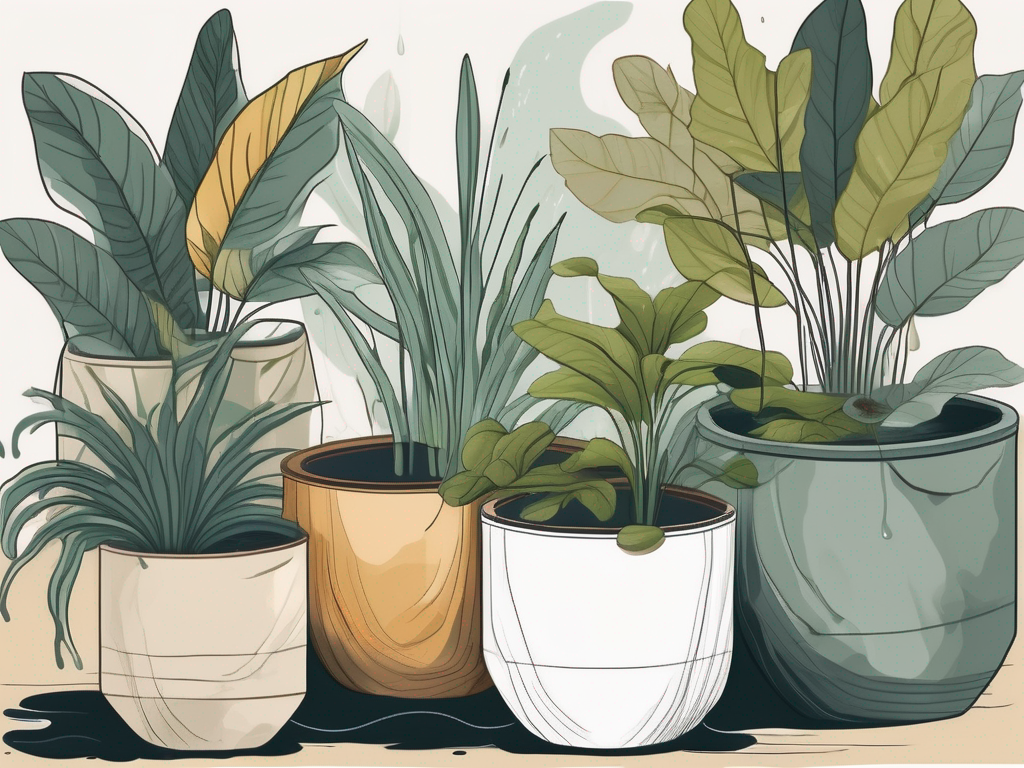
- Yellowing Leaves: Often an indication of overwatering or a lack of nutrients.
- Drooping or Wilting: This could mean your plant is thirsty or, paradoxically, has been overwatered.
- Brown Leaf Tips: Usually a sign of underwatering or low humidity.
- Stunted Growth: Your plant might not be getting enough light or nutrients.
Take a close look at the plant and note any unusual changes. This will guide you in determining the right course of action.
Re-evaluating Your Watering Routine
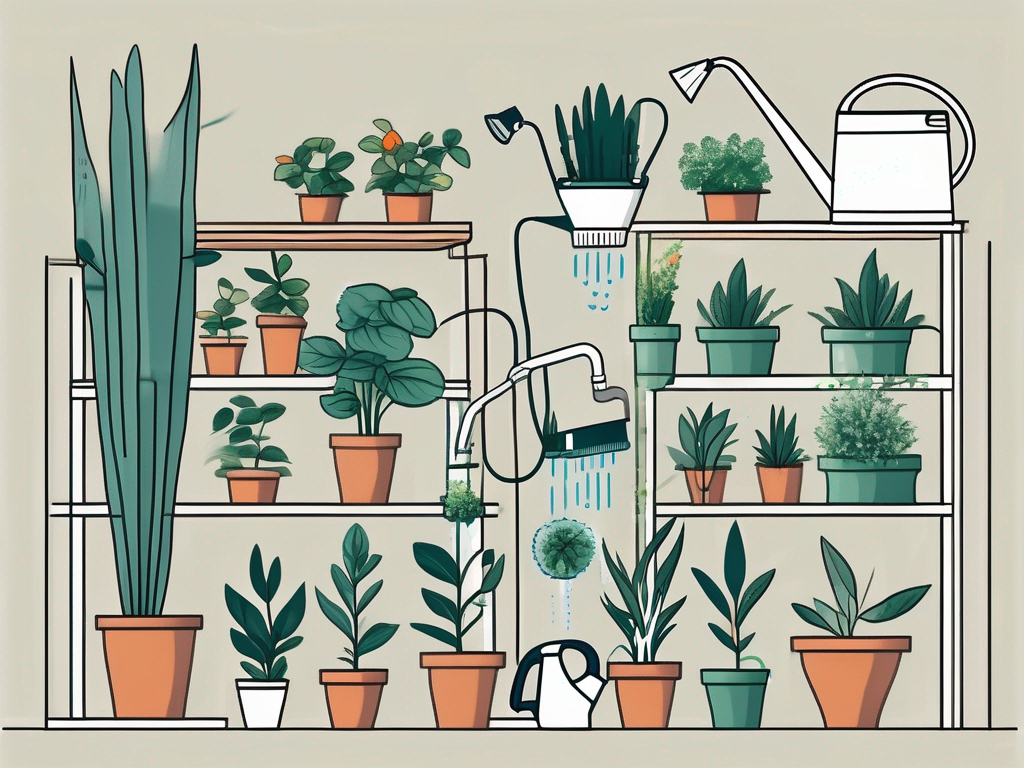
Watering can be a tricky aspect of plant care. Too much or too little water can both lead to plant stress. The first step in resuscitating a wilting plant is to check your watering habits.
Frequency and Amount
Different plants have different water needs. A cactus won't need the same amount of water as a fern. Make sure you're not on autopilot with your watering schedule. Instead, pay attention to:
- Soil Moisture: Stick your finger about an inch into the soil. If it feels dry, it’s time to water.
- Environmental Factors: Humidity and temperature can affect how often you should water your plant.
Improving Drainage
Good drainage is essential to prevent water from pooling at the bottom of the pot, which can lead to root rot. Ensure your plant’s pot has adequate drainage holes. If you're using a decorative pot without holes, consider placing your plant in a plastic pot with holes inside the decorative one.
Assessing Light Conditions
Light is like food for plants, so it's important they get the right amount. Too much light can scorch leaves, while too little can cause them to become leggy and weak.
Natural Light
Observe the natural light in your home throughout the day. Is your plant in direct sunlight or a shady corner?
- Bright Indirect Light: Most houseplants prefer this kind of light, which you can find near a window with sheer curtains.
- Direct Sunlight: Suitable for cacti and succulents.
- Low Light: Perfect for snake plants and pothos.
Supplementing with Grow Lights
If your home lacks adequate natural light, consider using grow lights. These lights mimic the sun and can help keep your plant healthy, especially during darker months.
Revamping Soil and Potting Mix
The soil is your plant’s home, and if it’s not up to par, your plant won’t thrive. Older soil can become compacted, making it difficult for roots to access nutrients and water.
Choosing the Right Mix
Different plants have different soil needs. For example:
- Cacti and Succulents: Use a well-draining mix with sand or perlite.
- Ferns: Opt for a richer, moisture-retaining mix with peat moss.
Repotting Your Plant
If your plant is root-bound, it might be time to repot. Choose a pot that’s slightly larger than the current one and ensure it has drainage holes. Gently loosen the roots and place your plant in fresh soil.
Checking for Pests and Diseases
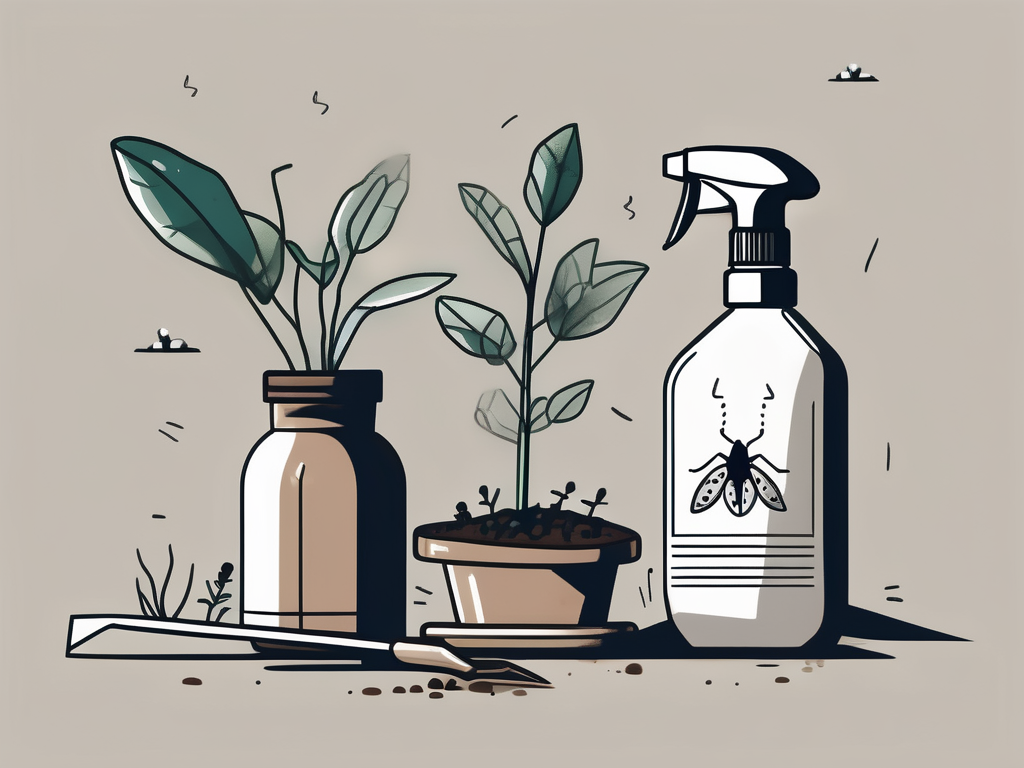
Pests can sap the life out of your plants. Catching them early is crucial to a plant’s recovery.
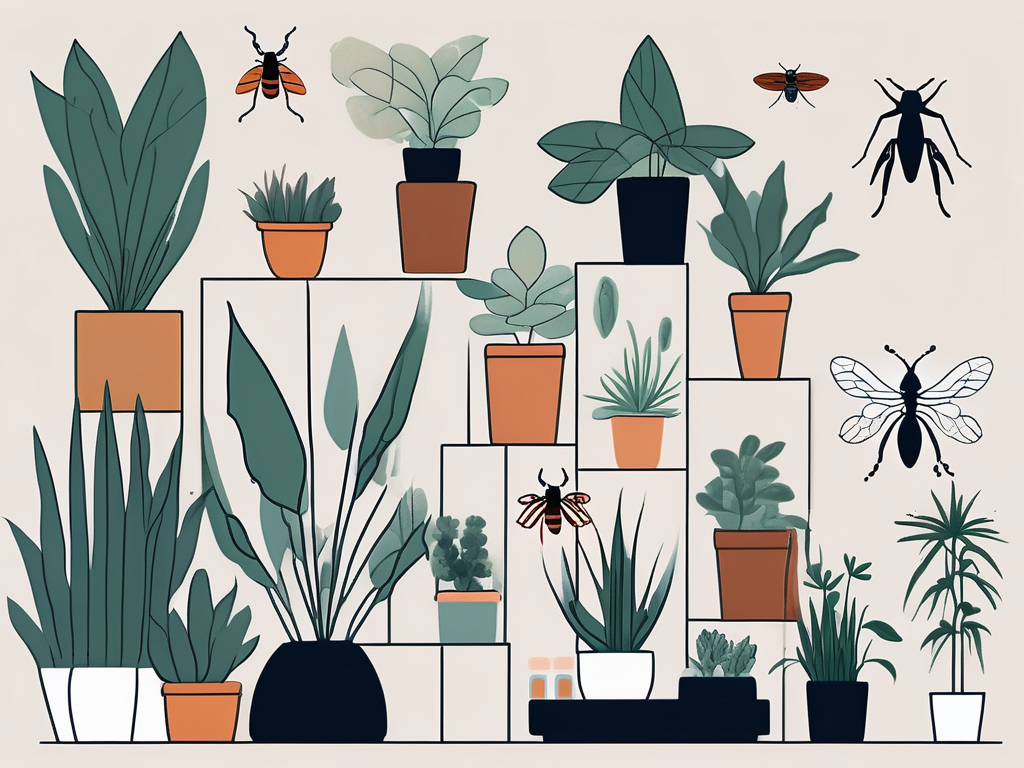
Common Plant Pests
- Aphids: Small, green insects that cluster on new growth.
- Spider Mites: Tiny, red or black spots usually found under leaves.
- Mealybugs: White, cotton-like masses on stems and leaves.
Managing Pest Infestations
For mild infestations, a mixture of water and dish soap can help. For more stubborn pests, consider using neem oil or insecticidal soap.
Diseases such as root rot or powdery mildew can also affect your plant’s health. Keeping the leaves dry and ensuring good air circulation can help prevent such issues.
Feeding Your Plant for Recovery
Just like us, plants need nutrients to grow and thrive. If your plant is ailing, it might be lacking in some essential nutrients.
Choosing the Right Fertilizer
Different plants have different nutrient needs. A balanced, water-soluble fertilizer is a good start. Look for one with equal parts nitrogen, phosphorus, and potassium.
- Follow Directions: More isn't always better. Over-fertilizing can burn plant roots and do more harm than good.
- Seasonal Feeding: Most plants don’t need fertilizer in the winter when growth slows.
Adjusting Humidity Levels
Many houseplants come from tropical climates where humidity is high. If your home is too dry, your plants might struggle.
Increasing Humidity
- Mist Regularly: Lightly mist your plants with water every few days.
- Use a Humidifier: A great option for maintaining consistent humidity levels.
- Group Plants Together: This creates a microenvironment with higher humidity.
On the flip side, too much humidity can lead to mold or fungus. Make sure your space is well-ventilated to prevent these issues.
Creating a Routine for Long-Term Health
Once you’ve nursed your plant back to health, maintaining a care routine is vital for its continued well-being. Create a schedule that includes regular watering, checking for pests, and adjusting light and humidity as needed.
Remember, plants are living beings and their needs can change with the seasons. Stay observant and adjust your care routine accordingly.
Seeking Professional Help When Needed
Sometimes, despite your best efforts, your plant may still struggle. This could be due to a problem that requires a more experienced touch. Don’t hesitate to reach out to local nurseries or plant shops for advice. They can offer insights specific to your plant’s needs.
Joining online plant communities is another great way to get tips and share experiences with other plant lovers. You might even find someone who had the same issue and discovered a unique solution.
Final Thoughts
Reviving a dying houseplant takes patience and a little bit of detective work, but it's absolutely doable. By understanding your plant’s specific needs and adjusting your care routine, you can bring your plant back to life and help it thrive.
At Cafe Planta, we're passionate about helping you care for your plants. We offer a range of houseplants, accessories, and even plant-themed apparel to nurture your plant love. If you have any questions, don't hesitate to email us or reach out on Instagram. Let's connect and share the joy of plants together!