Have you ever looked at a Calathea and thought, “I wish I could just pop you in a vase and call it a day”? Well, good news! Growing Calathea in water is not only possible but can also be a fun, low-maintenance way to enjoy these beautiful plants. These 'prayer plants' are known for their stunning foliage and unique leaf movements. But did you know they can thrive without soil?
Today, we're going to explore how you can grow Calathea in water, offering tips and tricks along the way. We'll cover everything from choosing the right plant to maintaining the perfect environment. So, if you're ready to add a touch of greenery to your home without the mess of soil, keep reading!
Choosing the Right Calathea for Water Growth
First things first, not all Calatheas are created equal when it comes to water-growing potential. While many can adapt to a hydroponic lifestyle, some varieties are better suited than others. So, which ones should you consider?
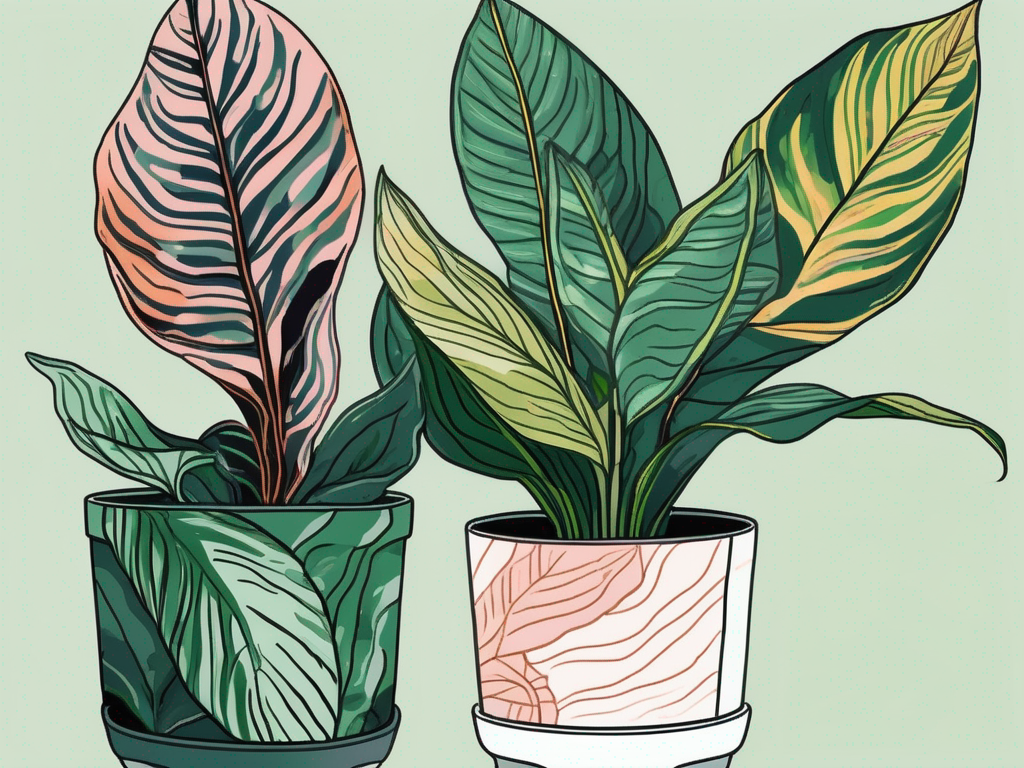
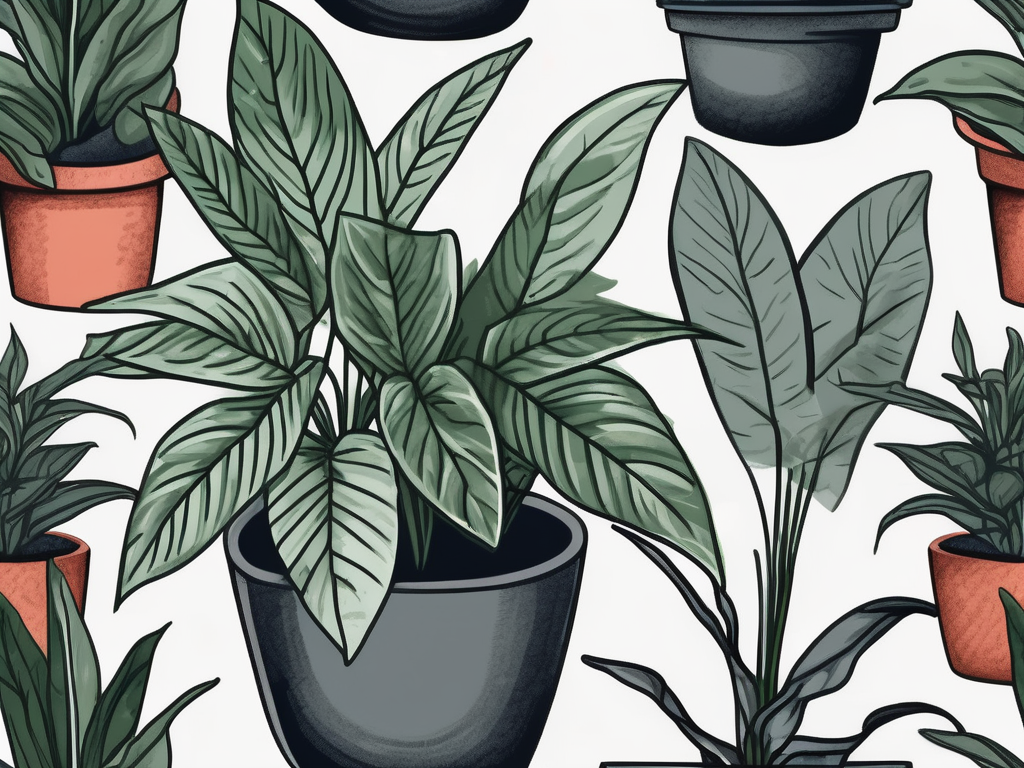
Most Calatheas can be grown in water, but some popular choices include the Calathea orbifolia, with its broad, silvery-striped leaves, and the Calathea lancifolia, known for its striking lance-shaped foliage. These types tend to adapt well to water and make a stunning visual impact.
When selecting a Calathea, look for healthy plants with vibrant leaves and no signs of distress. Avoid those with yellowing or crispy edges, as these might struggle to adapt to a new growing method. It's also a good idea to start with a smaller plant to make the transition easier.
- Calathea orbifolia: Broad, striped leaves that catch the eye.
- Calathea lancifolia: Known for its unique, elongated leaf shape.
- Calathea roseopicta: Beautiful pink and green leaves.
Once you've chosen your plant, it's time to prep it for its new watery home!
Preparing Your Calathea for Water
Alright, you've got your gorgeous Calathea and you're ready to make the leap into water growing. But before you start, there are a few important steps to ensure a smooth transition.
First, you'll need to gently remove the plant from its current pot. Take care not to damage the roots. Rinse the roots under lukewarm water to remove all soil. This step is crucial because leftover soil can cloud the water and lead to root rot.
After rinsing, inspect the roots for any damage or rot. Trim away any mushy or blackened roots with clean scissors. Healthy roots should be white or light tan and firm to the touch.
Now that your plant is free of soil, it's ready to take a dip!
Setting Up Your Water Growing Environment
To successfully grow Calathea in water, you need to create the right environment. This involves selecting the correct container and water type.
Choose a clear glass vase or container. Not only does it let you keep an eye on the roots, but it also creates a striking display in your home. Ensure the container is clean and free of any residues or chemicals.
When it comes to water, filtered or distilled is best. Tap water often contains chemicals that can harm your plant over time. Fill the container just enough to cover the roots, but avoid submerging the stems to prevent rot.
- Container: A clear glass vase works well.
- Water Type: Use filtered or distilled water.
- Water Level: Cover the roots but keep stems dry.
With the right setup, your Calathea is on its way to thriving in water!
Maintaining Your Water-Grown Calathea
Once you've set up your Calathea in water, ongoing maintenance is key to keeping it healthy and happy. The first thing you’ll notice is how often the water needs changing. Ideally, you should refresh the water every 1-2 weeks to ensure it's free of bacteria and algae.
Keep an eye on the roots. If they start turning brown or mushy, it could be a sign of root rot. Healthy roots will remain firm and pale. You may need to trim damaged roots to promote new growth.
Also, remember to top off the water as it evaporates. This will ensure your plant's roots stay submerged without drying out. Regular maintenance will keep your Calathea flourishing.
And there you have it—your Calathea is all set to grow beautifully in water! Remember, patience is key, and with a little love, your plant will thrive.
Lighting Conditions for Water-Grown Calathea
Lighting plays a significant role in keeping your water-grown Calathea vibrant and healthy. These plants prefer indirect light, so avoid placing them in direct sunlight, which can scorch the leaves. A bright, indirect light is ideal, allowing the plant to photosynthesize effectively without damage.
If your home doesn't have a spot with indirect light, consider using sheer curtains to diffuse the sunlight. Alternatively, placing your Calathea near a north-facing window can offer the right amount of light without the harshness.
Just as too much light can be harmful, too little can cause your plant to lose its vibrant colors and stop its playful leaf movements. If you notice your plant looking a bit down, consider adjusting its light exposure.
- Indirect Light: Essential for healthy growth.
- Avoid Direct Sunlight: Prevents leaf burn.
- Adjust as Needed: Monitor the plant’s reaction to light.
With the right lighting, your Calathea will continue to be a showstopper in your home.
Fertilizing Your Water-Grown Calathea
Even when growing in water, your Calathea will appreciate a little nutrient boost now and then. Fertilizing helps maintain the plant's vibrant foliage and supports healthy growth.
Use a liquid fertilizer designed for houseplants. Dilute it to about half the recommended strength, as plants in water don't need as much as those in soil. Apply the fertilizer every 4-6 weeks during the growing season, typically spring and summer.
Be cautious not to over-fertilize, as this can lead to a buildup of salts in the water, potentially harming the roots. If you notice a white crust forming around the roots or the plant looking stressed, it might be time to refresh the water and reduce fertilizer frequency.
- Liquid Fertilizer: Choose one for houseplants.
- Dilution: Use half-strength to avoid over-fertilizing.
- Frequency: Every 4-6 weeks during growing season.
Your Calathea will thank you for the occasional nutrient boost!
Common Challenges and Solutions
While growing Calathea in water can be a rewarding experience, it comes with its own set of challenges. But don't worry, with a little know-how, you can overcome them and keep your plant thriving.
Yellowing Leaves: This issue often indicates overwatering or poor water quality. Make sure the roots are submerged, not the stems, and use filtered water. Refresh the water more frequently if needed.
Root Rot: This can occur if water isn't changed regularly or if the roots are constantly submerged without airflow. Trim any affected roots and ensure proper water levels.
Pests: Although less common in water, pests like spider mites can still appear. If you spot them, wipe the leaves with a damp cloth and consider using a gentle insecticidal soap.
- Yellowing Leaves: Check water quality and levels.
- Root Rot: Trim affected roots, maintain proper water levels.
- Pests: Wipe leaves, use insecticidal soap if necessary.
Addressing these common challenges will help keep your Calathea looking its best.
Integrating Calathea Into Your Home Decor
Beyond their beauty, water-grown Calatheas can make a stylish addition to your home decor. They offer a unique way to incorporate greenery without the mess of soil, making them perfect for minimalist or modern spaces.
Consider placing your Calathea on a windowsill, mantel, or as a centerpiece on a dining table. The clear glass container adds an elegant touch, and the plant's vivid leaves can make a statement in any room.
To complement your Calathea, mix and match with other water-grown plants. This creates a cohesive look and adds variety to your indoor garden. And don't forget to play with heights and textures for a dynamic display!
- Placement Ideas: Windowsill, mantel, or dining table centerpiece.
- Mix and Match: Pair with other water-grown plants.
- Play with Textures: Use different containers for visual interest.
Your Calathea can be more than just a plant; it can be a statement piece in your home.
Final Thoughts
Growing Calathea in water is both an exciting and rewarding way to enjoy these stunning plants. By choosing the right variety, setting up a proper environment, and maintaining regular care, you'll have a thriving, beautiful addition to your home decor.
At Cafe Planta, we believe that plants can bring people together and inspire connections with nature. Whether you're an experienced plant parent or just starting your journey, we're here to help. Feel free to reach out to us via email or send us a DM on Instagram. We're excited to share our passion for plants with you and help you create a beautiful, thriving plant collection in your home.