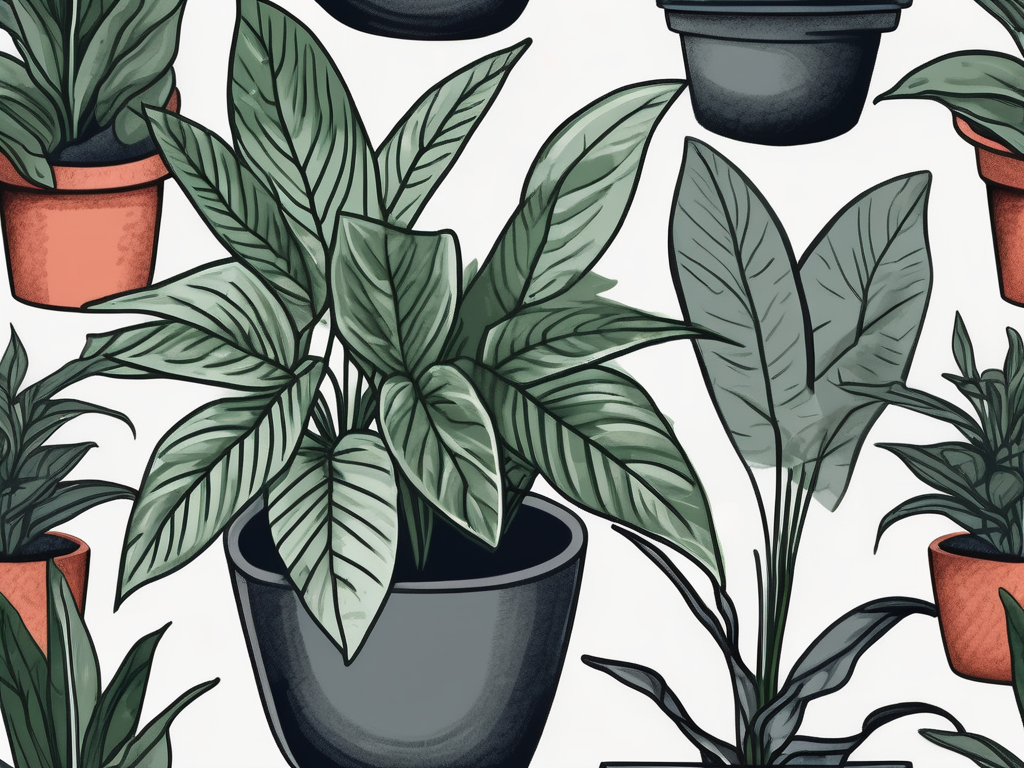
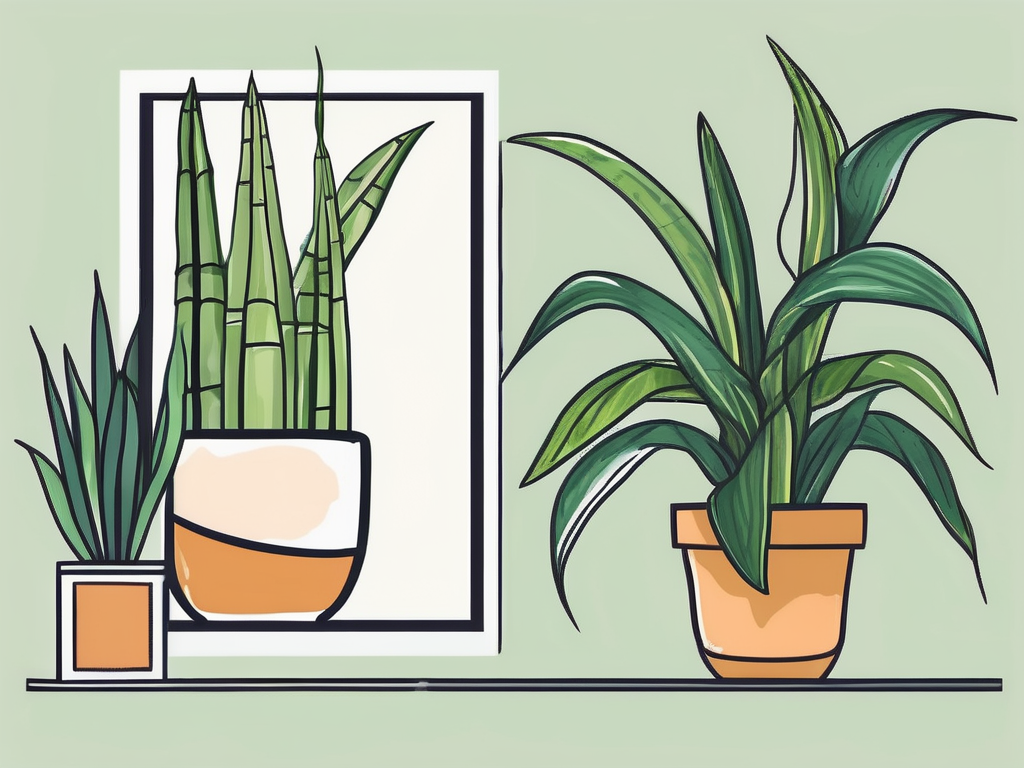
Propagating dracaena cuttings can be a fun and rewarding way to expand your indoor jungle without spending a dime. If you've ever admired the striking shape and resilience of a dracaena plant, you're not alone. These plants are beloved by many for their easygoing nature and contemporary look.
In this article, we'll walk through the step-by-step process of propagating dracaena cuttings, offering practical tips and insights along the way. Whether you're a seasoned plant parent or just starting out, you'll find everything you need to nurture new growth and enjoy a thriving plant collection.
Understanding Dracaena: A Quick Overview
Before we jump into the propagation process, let's get to know the dracaena a little better. Dracaena is a genus that includes a variety of species, each with its own unique characteristics. Common types include the Dracaena marginata (or "Dragon Tree"), Dracaena fragrans (often called "Corn Plant"), and Dracaena reflexa (known as "Song of India"). These plants are typically characterized by their long, narrow leaves and woody stems, which create a striking silhouette.
Dracaenas are native to tropical regions of Africa, but they have adapted well to indoor environments. They can tolerate low light, irregular watering, and less-than-perfect humidity levels, making them ideal for beginners and busy plant parents alike. Plus, they're known for their air-purifying qualities, which is always a bonus.
Understanding these basic traits helps us know what to expect when propagating. Dracaenas are generally forgiving, but like all plants, they have their preferences. Knowing this can make the propagation process smoother and more successful.
Choosing the Right Time for Propagation
Timing can be everything when it comes to plant care, and propagation is no exception. The best time to take dracaena cuttings is during the growing season, typically in spring or early summer. During these months, your dracaena is in a growth phase, making it easier for the cuttings to root and develop into healthy new plants.
That said, if you're itching to propagate and it's not quite the growing season, don't worry. While spring and early summer are optimal, dracaenas are hardy enough to handle propagation year-round. Just keep in mind that growth may be slower during the dormant months of fall and winter.
Before you start, ensure your mother plant is healthy and free of any pests or diseases. A stressed plant is less likely to produce viable cuttings. Look for vibrant, firm leaves and a strong stem when selecting the part of the plant to propagate.
Gathering Your Supplies
Preparation is key to a successful propagation process, so let's gather all the necessary supplies before we start snipping away. Here's what you'll need:
- Sharp, clean pruning shears or scissors: These will help you make a clean cut without damaging the plant tissue.
- Rooting hormone (optional): While not strictly necessary, using a rooting hormone can speed up the rooting process and increase the chances of success.
- Potting mix: A well-draining potting mix is essential for healthy root development. You can use a mix designed for cacti and succulents, or create your own by combining regular potting soil with perlite or sand.
- Small pots or containers: These will house your cuttings as they develop roots. Make sure they have drainage holes to prevent waterlogging.
- Watering can or spray bottle: For keeping the soil moist without overwatering.
- Plastic bag or humidity dome (optional): These can help maintain humidity levels around the cutting, which encourages rooting.
Once you have all your supplies, it's time to roll up your sleeves and get to work!
How to Take Cuttings from Your Dracaena
Taking cuttings is a straightforward process, but a little attention to detail goes a long way. Here is a step-by-step guide on how to do it:
- Select a healthy stem: Look for a section of the stem that's at least a few inches long and has a few leaves. This part of the plant will become your cutting.
- Make the cut: Using your sharp, clean shears, cut the stem at a 45-degree angle. This increases the surface area for rooting, giving your cutting a better chance to thrive.
- Remove lower leaves: Trim off the leaves from the bottom third of the stem. This part will be buried in soil, and leaves left on can rot and affect rooting.
- Optional rooting hormone: Dip the cut end of the stem into rooting hormone if you're using it. This can encourage faster root growth.
Now that you have your cutting, it's ready to be planted. The next steps will ensure your cutting has the best conditions to grow into a healthy new dracaena plant.
Planting Your Dracaena Cutting
With your cutting in hand, it's time to plant it and get those roots growing. Follow these steps to give your cutting the best start:
- Prepare the pot: Fill your chosen pot with the well-draining potting mix. Make sure it's slightly moist but not soggy.
- Make a hole: Use your finger or a stick to create a hole in the soil. This will make it easier to insert the cutting without damaging it.
- Insert the cutting: Place the cut end of the stem into the hole, making sure it's deep enough to stand upright. Press the soil gently around the base to hold it in place.
- Water lightly: Give the cutting a small amount of water to settle the soil. Be careful not to overwater, as this can lead to rot.
At this point, your cutting is planted and ready to grow. Now it's time to create the perfect environment for rooting to occur.
Providing the Best Environment for Rooting
Creating a suitable environment is crucial for helping your dracaena cutting develop roots. Here's what you need to consider:
- Light: Place your cutting in a spot that receives bright, indirect light. Direct sunlight can scorch the leaves and hinder root growth.
- Humidity: Dracaenas love humidity, which can be tricky to maintain indoors. You can cover the cutting with a plastic bag or use a humidity dome to trap moisture around it. Just be sure to remove it occasionally for airflow to prevent mold.
- Temperature: Aim for a consistent temperature between 65-75°F (18-24°C). Dracaenas don't like sudden temperature changes, so keep them away from drafts and heat sources.
- Watering: Keep the soil lightly moist but not waterlogged. Overwatering can cause the cutting to rot, so let the top inch of soil dry out between waterings.
By providing these conditions, you're setting your cutting up for success. It can take several weeks for roots to form, so patience is key!
Transplanting Your Rooted Dracaena Cutting
Once your cutting has developed a good root system, it's time to transplant it into a larger pot. This will give it plenty of room to grow and thrive. Here's how to do it:
- Choose a larger pot: Select a pot that's one size larger than the current one. Make sure it has drainage holes to prevent root rot.
- Prepare the new soil: Use a fresh batch of well-draining potting mix. You can use the same mix as before, or adjust it with additional perlite or sand for better drainage.
- Remove the cutting: Gently remove the cutting from its current pot, being careful not to damage the new roots. You might need to loosen the soil slightly to help it come out.
- Replant in the new pot: Place the cutting in the center of the new pot and fill in around it with fresh soil. Press down lightly to secure the plant.
- Water thoroughly: Give the plant a good drink of water to help it settle into its new home. Let the excess drain away completely.
Congratulations! Your dracaena cutting is now ready to grow into a full-fledged plant. With proper care, it will continue to flourish and bring greenery into your space.
Common Mistakes and How to Avoid Them
Even the most experienced plant parents can run into hiccups when propagating, but don't worry—most issues are easy to fix. Here are some common mistakes and how to avoid them:
- Overwatering: It's tempting to fuss over your cutting, but too much water can lead to rot. Allow the top inch of soil to dry out between waterings.
- Lack of light: While dracaenas don't need direct sunlight, they do require bright, indirect light. If your cutting isn't rooting, try moving it to a brighter location.
- Ignoring humidity: Dracaenas thrive in humid environments. If your home is dry, consider using a humidity dome or misting the plant regularly.
- Using dull tools: A clean, sharp cut is essential for successful propagation. Ensure your tools are in good condition to avoid crushing the plant tissue.
By being mindful of these common pitfalls, you'll increase your chances of successful propagation and enjoy a healthy, thriving dracaena plant.
Caring for Your New Dracaena Plant
Once your dracaena cutting has taken root and settled into its new pot, ongoing care is important to ensure it continues to thrive. Here's how to keep your new plant happy and healthy:
- Light: Keep your dracaena in bright, indirect light. If the leaves start to fade or turn brown, it might be getting too much direct sun.
- Watering: Water your dracaena when the top inch of soil feels dry. Overwatering can lead to root rot, so make sure the pot has good drainage.
- Fertilizing: During the growing season (spring and summer), feed your dracaena with a balanced liquid fertilizer every month. Reduce feeding in fall and winter.
- Pruning: Trim any yellow or brown leaves to keep your plant looking tidy. This also encourages new growth.
- Repotting: Every couple of years, repot your dracaena into a larger pot to give its roots room to grow.
With the right care, your dracaena will be a beautiful addition to your home for years to come, adding a touch of greenery and life to your space.
Incorporating Dracaena into Your Home Decor
Dracaenas are not just easy to care for—they're also incredibly stylish. Their tall, elegant form makes them a great choice for adding height and texture to your interiors. Here are some ideas for incorporating dracaena into your home decor:
- Floor Statement: Place a larger dracaena in a decorative pot on the floor to fill an empty corner or add interest to a blank wall.
- Grouping: Combine different species of dracaena with other houseplants for a lush, layered look.
- Modern Touch: Use a sleek, minimalist pot to highlight the architectural lines of the plant.
- Entryway Accent: Welcome guests with a dracaena by your front door, bringing a bit of nature to the entrance of your home.
Whether you're going for a modern or bohemian vibe, dracaenas can complement any style. Their versatility makes them a fantastic choice for plant lovers looking to refresh their home decor.
Final Thoughts
Propagating dracaena cuttings is a rewarding way to grow your plant collection with minimal effort and cost. By understanding their needs and following the steps outlined above, you'll be well on your way to nurturing healthy, vibrant new plants.
At Cafe Planta, we're passionate about helping you succeed in your plant journey. We offer a variety of houseplants, plant care accessories, and even plant-themed apparel to support your green endeavors. If you have any questions or need advice, feel free to email us or reach out on Instagram. We believe that plants bring people together and inspire us all to connect with nature.