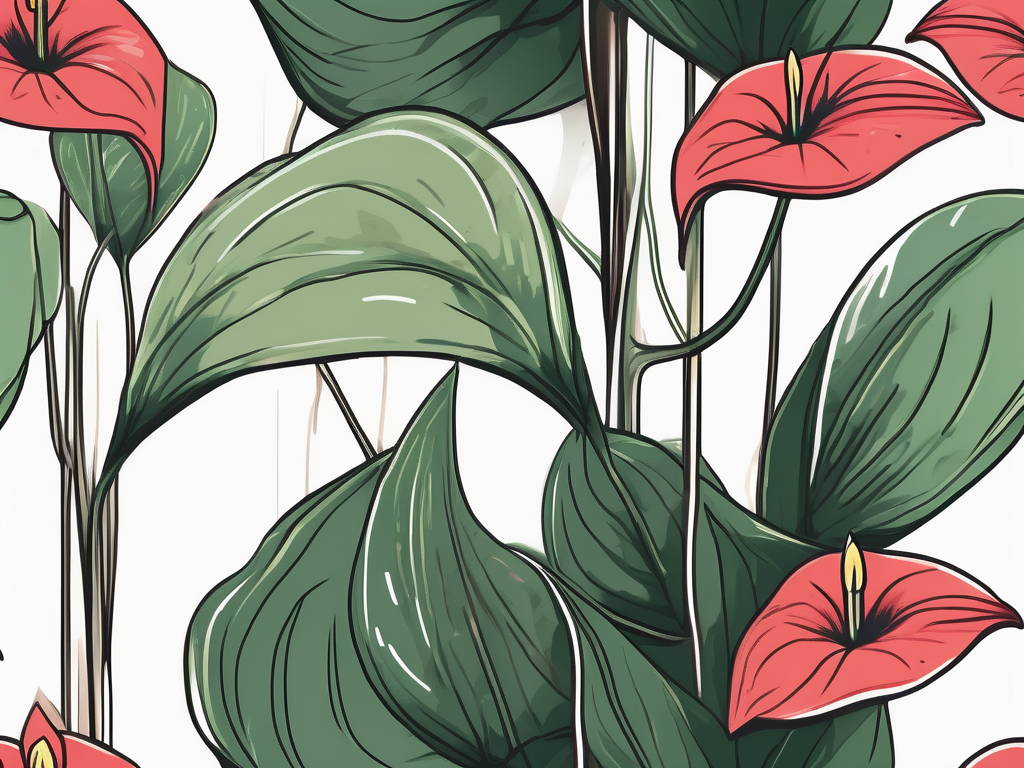
Have you ever noticed how some plants seem to just thrive when given a little extra support? If you've been growing anthuriums, you might have heard about using a moss pole to help them reach their full potential. These lush plants, with their glossy leaves and vibrant flowers, can benefit greatly from a little structural assistance.
This article will guide you through the process of using a moss pole with your anthurium. We'll cover everything from choosing the right pole to installing it and maintaining your plant's health. Whether you're a seasoned plant parent or just starting your indoor jungle, you'll find helpful tips to ensure your anthurium grows tall and strong.
Why Use a Moss Pole for Anthuriums?
Anthuriums are tropical plants that naturally grow in forests, often using trees for support as they climb toward the light. In our homes, they might not always have the same opportunities to stretch and flourish. This is where a moss pole comes into play. Not only does it provide the support that mimics their natural habitat, but it also helps in several other ways:
- Improved Growth: By providing a vertical structure, the moss pole encourages upward growth, allowing the plant to expand its leaves and produce more flowers.
- Better Air Circulation: With a more upright growth pattern, the plant's leaves aren't bunched together, reducing the risk of fungal infections and pests.
- Enhanced Aesthetics: A moss pole can transform your anthurium into a stunning focal point, adding height and interest to your indoor space.
Interestingly enough, while some plant people might worry about the complexity of using a moss pole, it's actually quite straightforward. Let's take a closer look at how to choose the right one for your anthurium.
Choosing the Right Moss Pole
When it comes to finding the perfect moss pole for your anthurium, there are a few factors to consider. You want something that not only supports your plant but also complements its natural beauty and your home decor. Here are some tips to keep in mind:
- Material: Moss poles are typically made from either sphagnum moss wrapped around a sturdy core or a coco coir material. Sphagnum moss retains moisture well, which can be beneficial for humidity-loving plants like anthuriums.
- Height: Choose a pole that is slightly taller than your current plant height, allowing for growth. You can always trim it down if needed, but starting with a taller pole gives you flexibility.
- Thickness: A thicker pole offers more support but might be more noticeable. If you're aiming for a discreet look, opt for a narrower version.
While it's hard to say for sure which pole is the best without seeing your specific plant, starting with these guidelines should set you on the right path. Once you've chosen your pole, it's time to install it.
Installing the Moss Pole
Now that you have your moss pole, it's time to introduce it to your anthurium. Don't worry—this process is simpler than it might seem:
- Prepare the Pole: If your moss pole isn't pre-moistened, give it a light spray to dampen it. This helps the plant attach more easily and ensures the moss retains moisture for longer.
- Position the Pole: Place the pole into your plant's pot, positioning it close to the plant's base. Ensure it's stable and won't tip over easily. You can push it deep into the soil or use a stake for extra support.
- Secure the Plant: Gently tie the anthurium stems to the pole using soft plant ties or twine. Be careful not to tie too tightly, as this can damage the plant.
And there you have it! Your anthurium is now ready to start its journey upward. Remember, a gentle hand is best, so don't rush the process. Let your plant adjust to its new setup gradually.
Maintaining Your Anthurium on a Moss Pole
Once your anthurium is happily climbing its moss pole, you'll need to keep a few things in mind to maintain its health and vigor. Here are some handy tips:
- Regular Moisture: Keep the moss pole moist, as this helps the aerial roots of the anthurium attach and absorb extra humidity. A quick spray every few days should do the trick.
- Check Ties: As your plant grows, regularly check the ties securing it to the pole. Adjust them if they become too tight to avoid cutting into the stem.
- Light and Water: Ensure your anthurium receives bright, indirect light and adequate water. A well-cared-for plant will thrive on a moss pole.
While it's not always easy to spot issues right away, keeping an eye on your plant's overall health will help you catch any problems early. Now that we've covered the basic setup and maintenance, let's touch on a few troubleshooting tips.
Troubleshooting Common Issues
Even with the best care, you might run into a few bumps on the road. Here are some common issues that can arise when using a moss pole with anthuriums, along with some solutions:
- Roots Not Attaching: If the aerial roots aren't grabbing onto the pole, try misting the pole more frequently or using a softer moss that the roots can easily penetrate.
- Plant Leaning: If your anthurium starts to lean away from the pole, gently reposition it and secure it with a few more ties. Ensure the pole is stable and not wobbly.
- Yellow Leaves: This could indicate overwatering or insufficient light. Adjust your care routine accordingly, ensuring the plant isn't sitting in waterlogged soil.
It's all about patience and observation. Each plant is unique, and finding what works best can take a bit of trial and error. Speaking of customization, let's discuss how to style your anthurium with a moss pole.
Styling Your Anthurium on a Moss Pole
There's a creative element to using a moss pole that can really bring out your inner designer. Here are some ways to make your anthurium and its pole a stylish addition to your home:
- Embrace the Vertical: Use the height of the moss pole to create a striking vertical element in your room. Place it in a corner where it can grow tall without obstruction.
- Group with Other Plants: Create a mini jungle by grouping your moss-pole anthurium with other plants of varying heights and textures. This can add depth and interest to any space.
- Decorate the Pole: Consider wrapping some decorative string lights around the pole for a warm, inviting glow in the evenings.
Think of your plant and its moss pole as a living piece of art. The possibilities are endless, and you can change things up as your plant grows and your tastes evolve. Next, let's talk about repotting your anthurium when the time comes.
Repotting an Anthurium with a Moss Pole
Eventually, your anthurium might outgrow its pot, and you'll need to repot it. This can sound daunting, especially with a moss pole involved, but it doesn't have to be complicated:
- Choose a Larger Pot: Select a pot that's slightly larger than the current one, with good drainage. This gives your anthurium room to grow and prevents root rot.
- Prepare the New Pot: Add a layer of fresh potting mix at the bottom. A mix that retains moisture yet drains well works best for anthuriums.
- Transfer the Plant: Gently remove the plant and its moss pole from the current pot. Place them into the new pot, ensuring the pole is still stable and upright.
- Fill with Soil: Add more potting mix around the roots and base of the moss pole. Press gently to secure everything in place.
Repotting is an excellent opportunity to check your plant's roots for any signs of trouble, like rot or pests. Once it's settled in its new home, your anthurium will continue to thrive on its trusty moss pole.
Combining Moss Poles with Other Supports
While a moss pole is a fantastic primary support, sometimes combining it with other methods can benefit your anthurium even more:
- Wall Anchors: If your anthurium is particularly large, consider using wall anchors for extra stability. These can help prevent the plant from tipping over as it gains height.
- Decorative Trellises: For an added touch of flair, you might add a decorative trellis behind the moss pole. This not only supports the plant but also enhances its visual appeal.
There's no one-size-fits-all solution when it comes to plant care. Feel free to experiment and find what works best for your specific setup. Let's wrap things up by considering how to train your anthurium to climb the pole.
Training Your Anthurium to Climb
Training your plant may seem like a lot of work, but it's more about gentle guidance than anything else. Here's how you can encourage your anthurium to climb:
- Regular Pruning: Trim any leaves or stems that are growing away from the pole to encourage a more upright growth pattern.
- Strategic Tying: Use ties to gently guide stems toward the pole. Over time, they'll naturally begin to attach themselves as they grow.
- Patience and Consistency: Like most things in life, training a plant takes time. Regular care and attention will yield the best results.
Every plant is unique, so don't be discouraged if your anthurium doesn't climb straight away. With consistent care and a bit of patience, you'll likely see progress over time.
Final Thoughts
Using a moss pole for your anthurium can significantly improve its growth, structure, and aesthetics. By choosing the right pole, installing it properly, and maintaining your plant's health, you're setting your anthurium up for success.
At Cafe Planta, we're passionate about helping plant lovers grow their green spaces. If you have any questions, feel free to email us or reach out on Instagram. We believe that plants have a unique way of connecting us with nature and each other, and we're here to support your plant journey every step of the way.