Meet the Hoya Kerrii, affectionately known as the "Sweetheart Plant" or "Valentine Hoya" thanks to its charming heart-shaped leaves. This little gem has captured the hearts of plant lovers around the globe, not only for its unique appearance but also for its relatively easy care requirements.
In this article, we'll take a closer look at Hoya Kerrii, uncovering its scientific name, exploring fascinating facts, and offering practical care tips. Whether you're a seasoned plant parent or just starting your plant journey, there's something here for everyone.
The Scientific Name and Origins
First things first, let’s talk about the scientific name: Hoya Kerrii. This plant is named after Arthur Francis George Kerr, a British-Thai botanist who made significant contributions to the flora of Thailand. The genus "Hoya" honors Thomas Hoy, an 18th-century botanist, while "Kerrii" is a nod to Arthur Kerr's work.
Hoya Kerrii is native to Southeast Asia, particularly Thailand, Laos, and Vietnam. In its natural habitat, it’s not just a cute little plant in a pot—it’s a vigorous climber, sprawling across trees and rocks in tropical forests. This epiphytic nature means it grows on other plants for support, obtaining moisture and nutrients from the air and rain.
Interestingly enough, in the wild, Hoya Kerrii blooms with clusters of star-shaped flowers. These blooms are quite a sight and have a sweet, almost honey-like fragrance. However, patience is key if you're hoping for flowers at home, as it can take several years for a potted Hoya Kerrii to bloom.
Understanding the Heart-Shaped Leaves
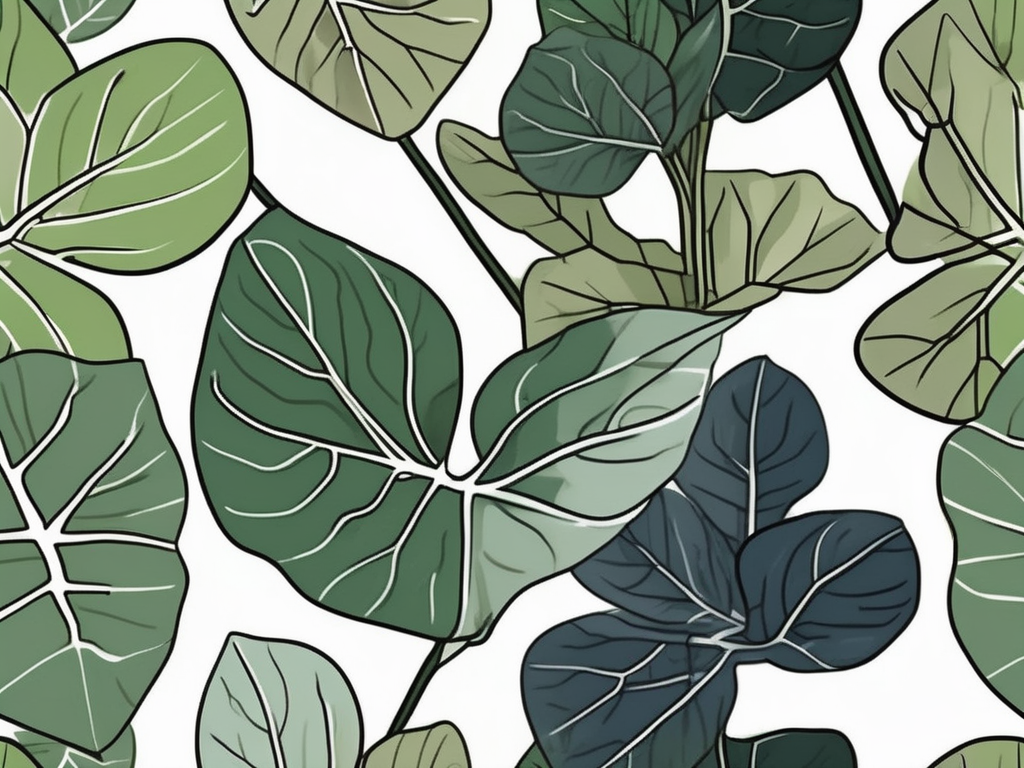
The most striking feature of Hoya Kerrii is undoubtedly its heart-shaped leaves. These thick, succulent-like leaves are not only adorable but also quite practical. Their fleshy nature allows them to store water, making the plant drought-tolerant and ideal for those who may be a little forgetful with watering.
These leaves are often sold as single, rooted cuttings in small pots. While they make for a cute and quirky gift, it’s important to note that a single leaf cutting without a node will not grow into a full plant. It will remain a single leaf, which is charming in its own right, but if you're hoping for a lush, trailing plant, you'll need a cutting with at least one node.
The leaves’ succulence also means that they’re quite hardy. They can withstand varying conditions, but they do best in bright, indirect light. Direct sunlight can scorch the leaves, while too little light will stunt growth. Think of them as the Goldilocks of the plant world—they like their conditions just right!
Caring for Your Hoya Kerrii
Caring for a Hoya Kerrii is relatively straightforward, making it a popular choice among plant people. Here are some tips to keep your heart-leafed friend happy:
- Light: Bright, indirect light is ideal. If you have a south-facing window, place the plant a few feet away to avoid direct rays.
- Watering: Allow the soil to dry out between waterings. During the growing season (spring and summer), water more frequently, but reduce watering in the fall and winter.
- Humidity: While they can tolerate average household humidity, they thrive in higher humidity levels. Consider misting occasionally or using a pebble tray.
- Soil: A well-draining mix is crucial. A cactus or succulent mix with added perlite works well.
- Temperature: They prefer temperatures between 60°F and 80°F. Avoid cold drafts and sudden temperature changes.
By following these care tips, you’ll provide an environment where your Hoya Kerrii can not only survive but thrive.
Propagation: Growing Your Hoya Family
If you’ve fallen in love with your Hoya Kerrii and want more, why not propagate? Propagation is a fun and rewarding way to expand your plant collection or share with friends. Here’s how you can do it:
- Choose a Healthy Cutting: Select a healthy stem with at least two leaves and one node. The node is essential as it’s where new roots will form.
- Prepare the Cutting: Using clean, sharp scissors or a knife, cut just below the node. Remove any leaves near the bottom to avoid them sitting in water.
- Rooting Medium: You can root in water or directly in soil. If using water, place the cutting in a jar with enough water to cover the node. Change the water weekly. For soil, plant the cutting in a small pot with a well-draining mix.
- Wait for Roots: Be patient! It can take several weeks for roots to develop. Look for new growth as a sign that roots are forming.
- Planting: Once roots are established, transfer the cutting to a pot with fresh soil, and care for it like a mature Hoya Kerrii.
Propagation not only allows you to grow your collection but also gives you the opportunity to share the joy of Hoya Kerrii with others. Who wouldn’t love a heart-shaped plant as a gift?
Common Problems and How to Solve Them
Like any houseplant, Hoya Kerrii can face a few challenges. The good news is that most issues have simple solutions:
Yellowing Leaves
Yellow leaves can be a sign of overwatering. Make sure the soil dries out completely between waterings, and check that your pot has drainage holes to prevent water from sitting at the bottom.
Pests
Common pests include mealybugs and spider mites. If you notice these unwelcome guests, wipe the leaves with a damp cloth or use a mild insecticidal soap. Keeping humidity high can also deter spider mites.
Slow Growth
If your plant seems to be in a growth rut, it might need more light. Make sure it’s getting enough bright, indirect light, and consider a grow light if natural light is limited.
By keeping an eye out for these common issues, you can ensure your Hoya Kerrii stays healthy and happy.
Designing with Hoya Kerrii
With its unique heart-shaped leaves, Hoya Kerrii can add a touch of whimsy and charm to any space. Here are some ideas to incorporate it into your home:
Window Sill Delight
Place a single-leaf cutting in a small pot on your window sill for a minimalistic yet impactful look. It’s a simple way to add a touch of nature to any room.
Hanging Beauty
If you have a mature, trailing Hoya Kerrii, hang it in a decorative pot to showcase its cascading vines. This can create a lovely focal point in a living room or kitchen.
Desk Buddy
Keep a small pot on your desk to bring a bit of greenery to your workspace. It’s a delightful way to break up the monotony of screens and paperwork.
Whether you’re going for a bold statement or a subtle touch, Hoya Kerrii can fit into any design scheme with ease.
The Symbolism of Hoya Kerrii
Beyond its aesthetic appeal, Hoya Kerrii holds symbolic meaning. Its heart shape naturally lends itself to themes of love and affection, making it a popular gift for Valentine’s Day or anniversaries.
Gifting a Hoya Kerrii is a thoughtful way to express love and friendship, symbolizing a growing bond. Unlike cut flowers, which fade over time, a Hoya Kerrii can grow and thrive, much like the relationships it represents.
So, if you’re looking for a meaningful gift or a plant with a story, Hoya Kerrii is a perfect choice.
Frequently Asked Questions
Let’s tackle a few common questions plant people have about Hoya Kerrii:
Can Hoya Kerrii Bloom Indoors?
Yes, but it requires patience. Hoya Kerrii can bloom indoors, though it may take several years. Providing optimal conditions—bright light, proper watering, and occasional feeding—can encourage blooms.
How Often Should I Fertilize My Hoya Kerrii?
During the growing season, you can fertilize your Hoya Kerrii every 4-6 weeks with a balanced, water-soluble fertilizer. In the winter months, reduce feeding as the plant’s growth slows.
Is Hoya Kerrii Pet-Friendly?
Hoya Kerrii is generally non-toxic to pets, but it’s always a good idea to keep plants out of reach of curious cats and dogs to avoid any potential mishaps.
By addressing these questions, we hope to make caring for your Hoya Kerrii a little easier and more enjoyable.
Final Thoughts
Hoya Kerrii is more than just a pretty face. Its heart-shaped leaves, easy-care nature, and rich symbolism make it a fantastic addition to any plant collection. Whether you’re admiring its leaves or waiting for the elusive blooms, this plant is sure to bring joy to your space.
At Cafe Planta, we’re here to support your plant journey, offering a range of houseplants and care accessories. If you have any questions or need advice, feel free to email us or reach out via Instagram. Let’s cultivate a love for plants together!