When it comes to houseplants that are both visually stunning and relatively easy to care for, the Hoya and Lipstick Plant often find themselves at the top of the list. But how do you choose between these two beauties? Let’s take a closer look at their unique characteristics, care requirements, and how they can complement your interior spaces.
In this article, we’ll chat about the main differences between Hoya and Lipstick Plant, including their appearance, growth habits, and specific care needs. By the end, you’ll have a better idea of which plant might be the perfect fit for your home or office. So, let’s get started!
Appearance and Growth Habits
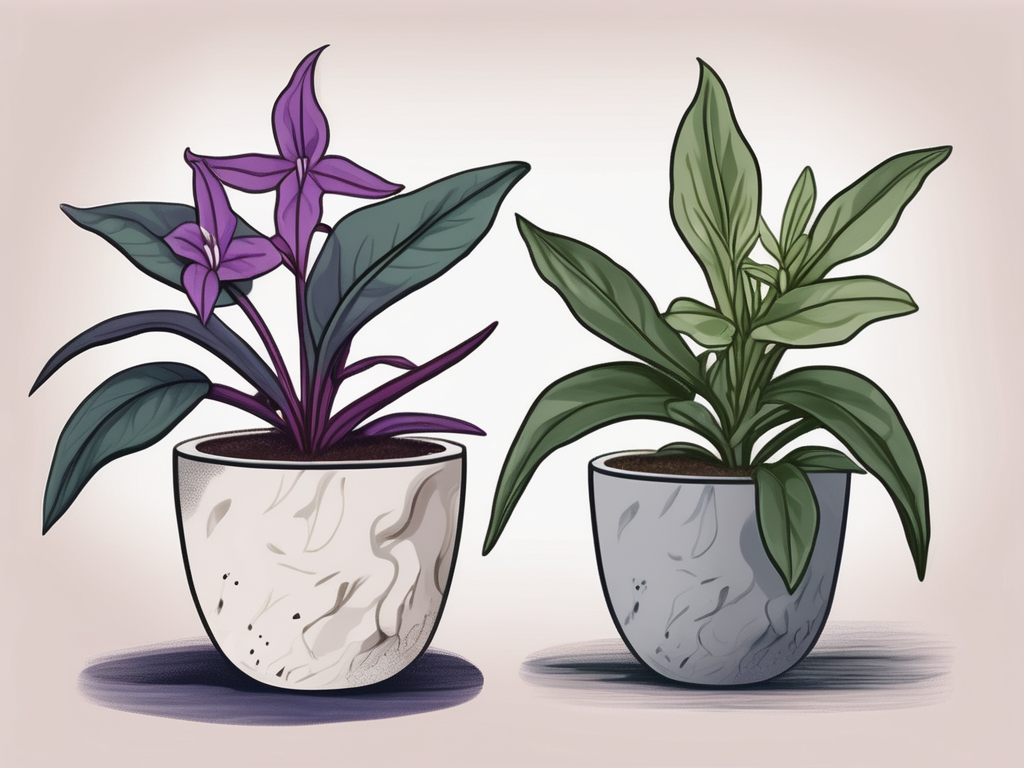
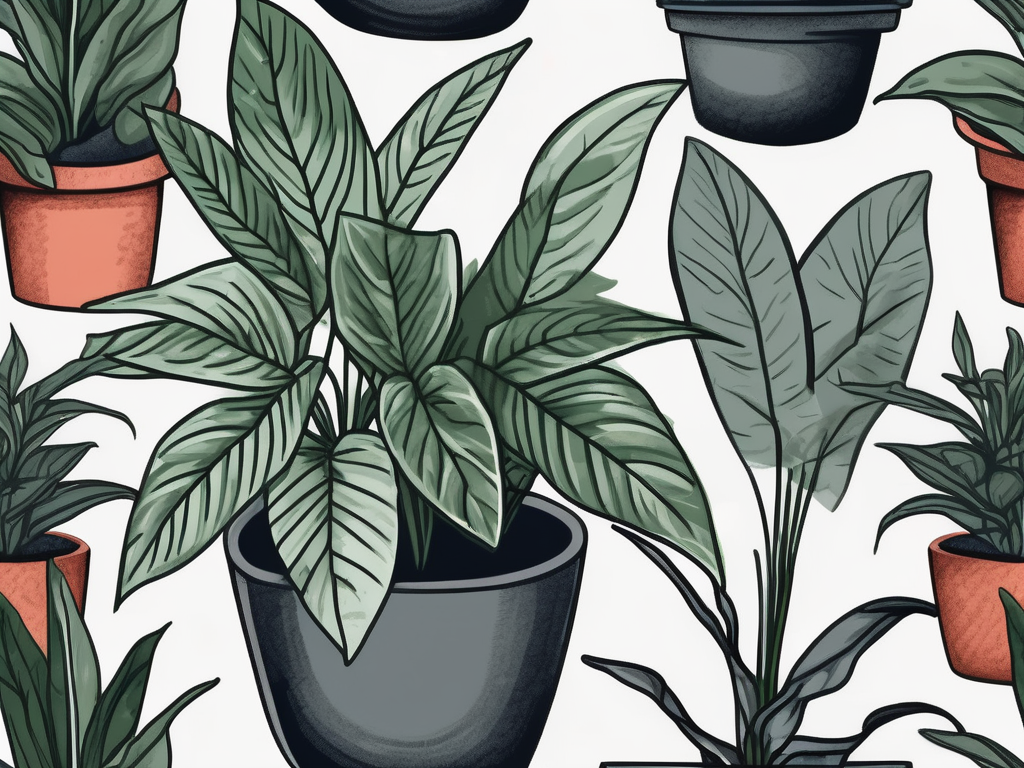
First impressions matter, even in the plant world. The Hoya, often referred to as the "Wax Plant," is known for its thick, waxy leaves and clusters of star-shaped flowers. These blooms are typically fragrant, adding an extra dimension to their charm. Hoyas are vining plants, and their tendrils can grow quite long, making them ideal for hanging baskets or trailing along a shelf.
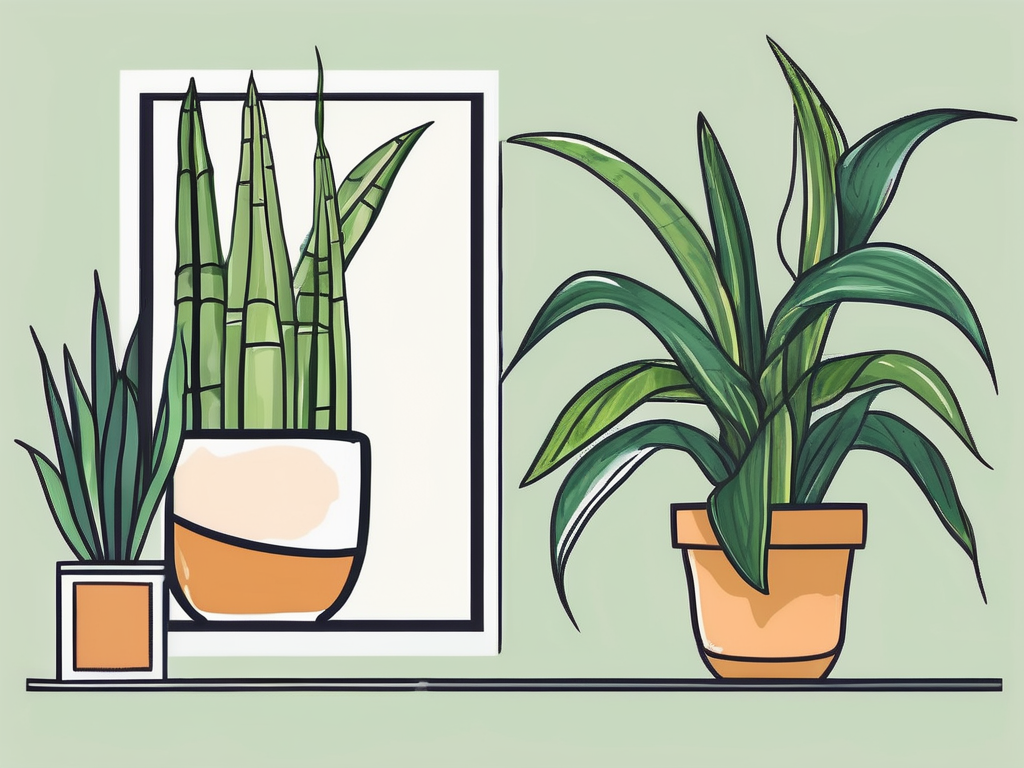
On the flip side, the Lipstick Plant boasts vibrant, tubular flowers that resemble a tube of lipstick, hence the name. Its leaves are smaller and more delicate compared to the Hoya. The Lipstick Plant also tends to have a bushier growth pattern, which can fill out a pot nicely and create a lush, green presence in any room. Both plants offer eye-catching aesthetics, but their growth habits might influence where you decide to place them in your home.
Despite these differences, both plants share a love for climbing and trailing, which can add vertical interest to your space. Whether you're looking to drape them over a bookshelf or let them cascade from a hanging planter, both options bring a touch of elegance and greenery that can transform any room.
Lighting Needs
Lighting is a big deal for houseplants, and Hoya and Lipstick Plant are no exceptions. Hoyas generally prefer bright, indirect light. They can tolerate some direct sun, but too much might scorch their leaves. If you have a well-lit room with filtered sunlight, a Hoya will likely thrive there.
Lipstick Plants, on the other hand, are a bit more forgiving when it comes to lighting. They also enjoy bright, indirect light but can manage in lower light conditions better than Hoyas. However, if you want them to flower abundantly, giving them a spot with more light will encourage blooming. So, if you’ve got a slightly shadier corner that needs a pop of color, the Lipstick Plant might be the way to go.
Both plants can adapt to different lighting conditions, but keeping them in their preferred environments will ensure they’re not just surviving, but thriving. Remember, happy plants are more likely to reward you with beautiful blooms and vibrant foliage.
Watering Requirements
Watering can be a bit tricky with these two, as they both have distinct needs. Hoyas are somewhat drought-tolerant thanks to their succulent-like leaves, which means they don’t need to be watered too frequently. Allow the soil to dry out between waterings, and you’ll likely avoid overwatering issues.
The Lipstick Plant, in contrast, appreciates more consistent moisture. While it’s important not to let it sit in soggy soil, you’ll want to water it more regularly than a Hoya. Letting the top inch of soil dry out before watering again usually works well.
- For Hoyas: Water when the soil feels dry to the touch, but don’t let them dry out completely for too long.
- For Lipstick Plants: Keep the soil slightly more moist, but ensure good drainage to prevent root rot.
By understanding these watering habits, you’ll set yourself up for success and reduce the risk of common plant problems like root rot or leaf drop.
Soil Preferences
When it comes to soil, both the Hoya and Lipstick Plant have their preferences. Hoyas prefer a well-draining mix that mimics the epiphytic conditions they naturally grow in. A mix of orchid bark, perlite, and peat moss often works great. This combination allows for good aeration and prevents the roots from sitting in water.
Lipstick Plants, while also appreciating well-draining soil, can thrive in a standard potting mix with a bit of added perlite for extra drainage. They don’t require as much aeration as Hoyas, but they still dislike overly dense or soggy soil.
- Hoya Soil Mix: Orchid bark, perlite, and peat moss.
- Lipstick Plant Soil Mix: Standard potting soil with added perlite.
Choosing the right soil mix can make a significant difference in the health and growth of your plant. With the right balance of moisture and aeration, both Hoyas and Lipstick Plants will be happy and healthy.
Temperature and Humidity
Temperature and humidity play a vital role in keeping your plants content. Hoyas prefer warmer temperatures, ideally between 60-80°F (15-27°C). They’re quite adaptable but don’t take well to sudden drops in temperature. If you have a consistent climate indoors, your Hoya will likely be just fine.
Lipstick Plants also enjoy warmer temperatures, similar to Hoyas. However, they have a bit more tolerance to slight temperature variations. When it comes to humidity, both plants enjoy higher humidity levels. If you live in a dry climate, consider using a humidity tray or a small humidifier to keep the air around your plants moist.
While both plants can tolerate average household humidity, providing a more humid environment can enhance their growth and encourage blooming. A little extra care in maintaining the right temperature and humidity will go a long way in ensuring your plants’ happiness.
Fertilizing Tips
Feeding your plants the right nutrients is like giving them a little boost to grow and bloom. Hoyas benefit from a balanced, water-soluble fertilizer during the growing season, typically spring and summer. You can fertilize them every couple of weeks, but be cautious not to overdo it.
Lipstick Plants also appreciate regular feeding during their active growth periods. A balanced houseplant fertilizer every month or so should suffice. It’s important to dilute the fertilizer to half strength to avoid burning the roots.
- Hoya Fertilizing: Use a balanced, water-soluble fertilizer every two weeks during growth.
- Lipstick Plant Fertilizing: Apply a balanced fertilizer monthly, diluted to half strength.
By sticking to a feeding schedule and providing the right nutrients, your plants will reward you with lush foliage and possibly some stunning blooms.
Pest and Disease Management
Even the healthiest plants can fall prey to pests and diseases. Hoyas are generally hardy and less susceptible to pests, but they can sometimes attract mealybugs or spider mites. Regularly checking the leaves and cleaning them with a damp cloth can help prevent infestations.
Lipstick Plants might face challenges with aphids or scale insects. Keeping an eye out for any changes in the leaves or stems will help you catch these issues early. If you notice any pests, treating them with insecticidal soap or neem oil is often effective.
- Hoya Pests: Mealybugs, spider mites.
- Lipstick Plant Pests: Aphids, scale insects.
Both plants can also suffer from root rot if overwatered, so sticking to proper watering practices is crucial. By staying vigilant and acting quickly, you can keep your plants healthy and thriving.
Propagation Methods
If you’re looking to expand your plant collection or share your love of plants with friends, propagation is a fun and rewarding process. Hoyas are typically propagated through stem cuttings. Simply take a cutting with a few leaves and nodes, and place it in water or a well-draining soil mix. With some patience, roots will develop, and you’ll have a new plant to enjoy.
Lipstick Plants are also propagated through stem cuttings. Select a healthy section of the plant, remove the lower leaves, and place it in water or soil. They tend to root fairly quickly, making propagation a straightforward process.
- Hoya Propagation: Stem cuttings in water or soil.
- Lipstick Plant Propagation: Stem cuttings in water or soil.
Propagation is not only a cost-effective way to grow your plant collection but also a wonderful opportunity to share the joy of plant parenting with others.
Decorating with Hoyas and Lipstick Plants
Now that we’ve covered the technical details, let’s talk about how these plants can bring life and style to your home. Hoyas, with their vining nature and striking flowers, make excellent hanging plants. They’re perfect for adding height and dimension to a room, especially if you’re working with limited space.
The Lipstick Plant, with its bushier growth and vibrant flowers, can be a great centerpiece on a coffee table or a bright addition to a windowsill. Its compact size allows it to fit into smaller spaces while still providing a burst of color.
Both plants can be combined with other greenery to create a diverse and dynamic plant display. Mixing different textures and colors will add depth and interest to your decor, making your home feel warm and inviting.
Final Thoughts
Both Hoya and Lipstick Plant have a lot to offer, from their stunning appearances to their relatively easy care requirements. Whether you’re drawn to the fragrant blooms of the Hoya or the vibrant flowers of the Lipstick Plant, either choice will add beauty and charm to your space.
At Cafe Planta, we're passionate about helping you care for your houseplants. We offer a variety of plants, care accessories, and even plant-themed apparel. If you have any questions or need advice on plant care, don’t hesitate to email us or reach out on Instagram. We're here to support you on your plant journey and help you create a thriving indoor garden.