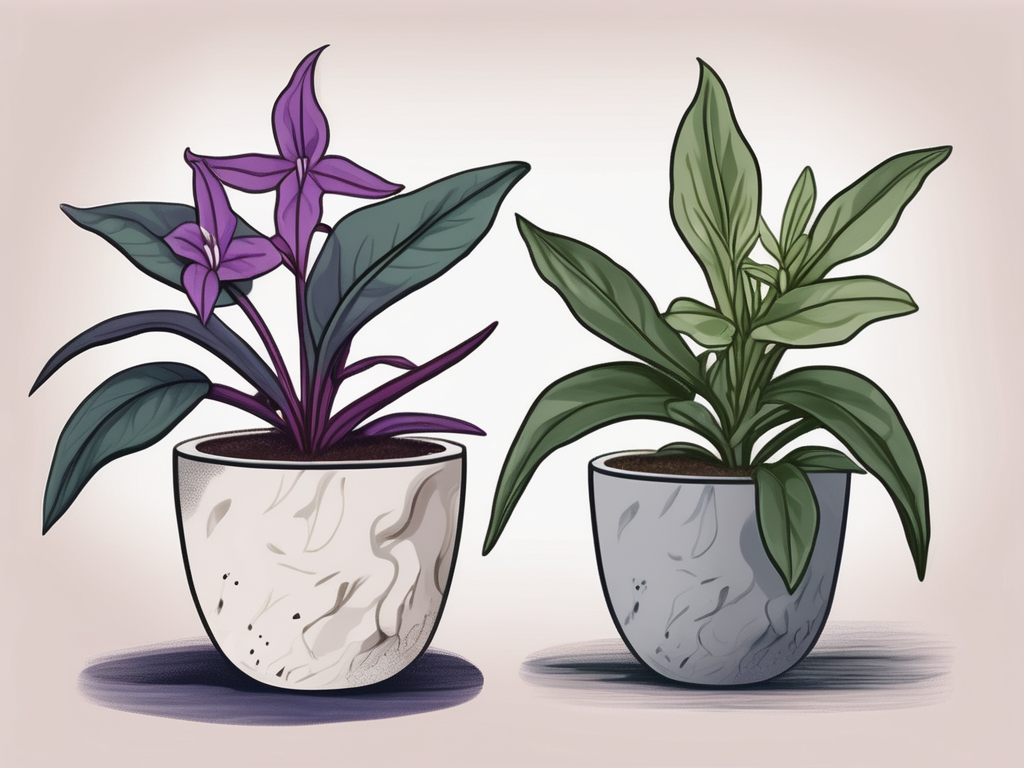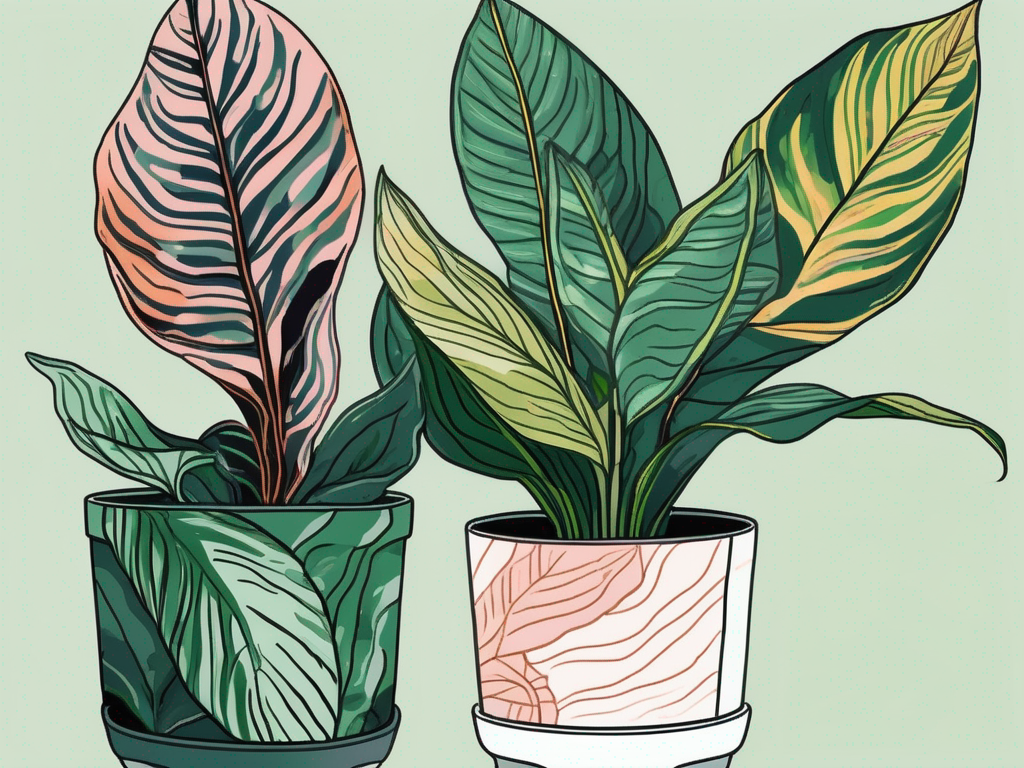
Choosing between a Hoya and a Peperomia for your indoor garden can seem a bit like picking between two delightful desserts—they're both appealing, but each has its unique flavor. Whether you're a seasoned plant parent or just starting out, understanding the differences between these two popular houseplants can help you make the right choice for your space and lifestyle.
In this article, we'll explore the distinct characteristics of Hoya and Peperomia, covering everything from their physical appearance to their care requirements. By the end, you'll have a clear picture of what sets these plants apart and which might be the best fit for your home.
Understanding Hoya: The Wax Plant Marvel
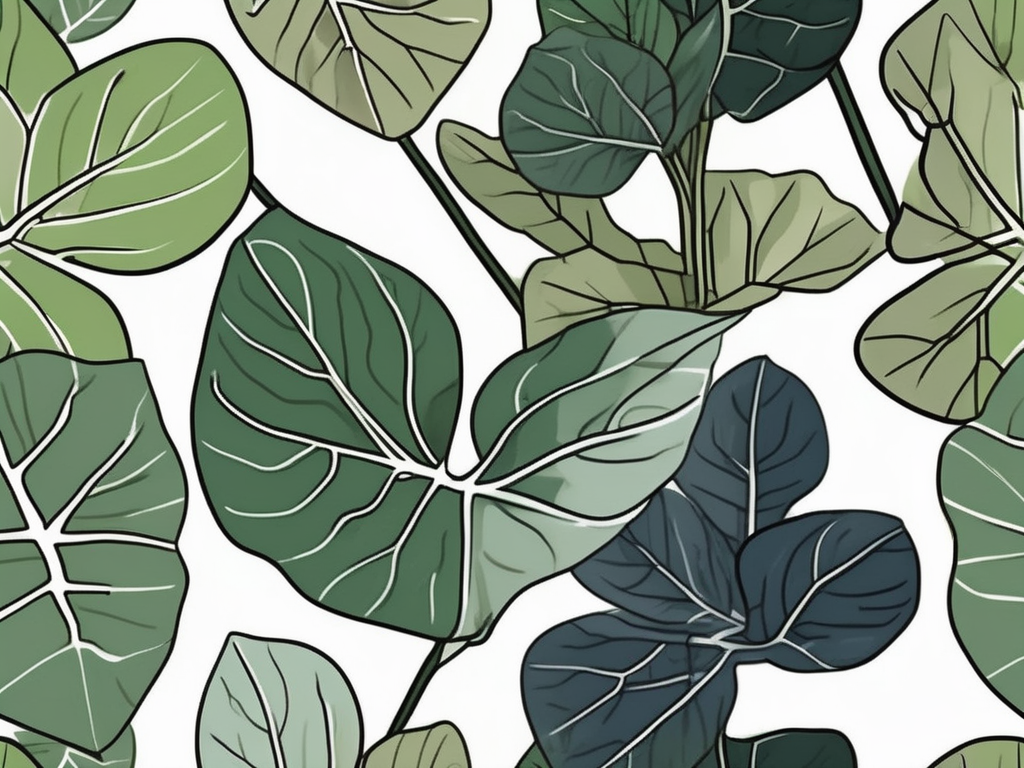
First up, let's talk about the Hoya, often referred to as the wax plant. This name comes from its thick, waxy leaves that give it a glossy, almost artificial appearance. Hoyas are native to tropical and subtropical Asia, which means they thrive in warm, humid conditions.
One of the most charming features of Hoya plants is their ability to produce clusters of star-shaped flowers. These blooms aren't just pretty—they're fragrant too, releasing a sweet scent that can fill a room. However, patience is key, as Hoyas can take a few years to bloom.
In terms of care, Hoyas prefer bright, indirect light. Too much direct sunlight can scorch their leaves, while too little can hinder their growth. They like to dry out a bit between waterings, so it's best to let the top inch of soil dry out before giving them a drink. Hoyas are also known for their climbing or trailing habits, making them ideal for hanging baskets or trellises.
- Light: Bright, indirect
- Water: Allow soil to dry between waterings
- Humidity: Prefers higher humidity
- Soil: Well-draining potting mix
Exploring Peperomia: The Compact Charmer
Now, let's switch gears to Peperomia, a plant that has earned its place in many homes due to its compact size and ease of care. Originating from Central and South America, Peperomias are known for their diverse leaf shapes and textures, which can range from smooth and glossy to fuzzy and quilted.
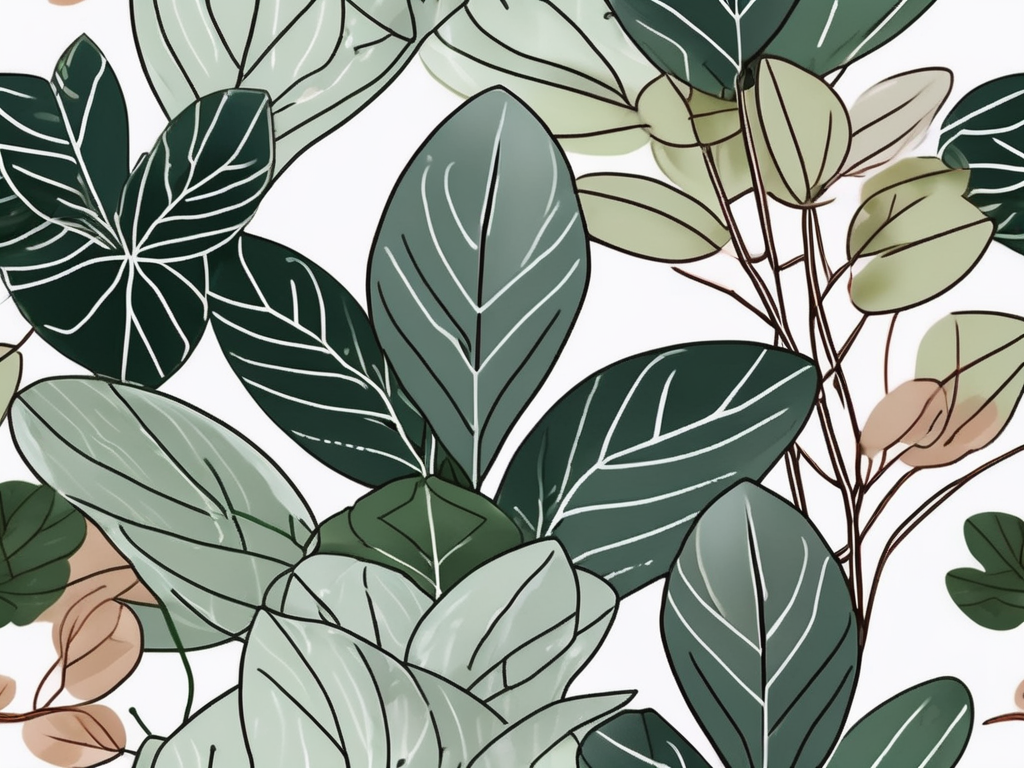
While Peperomias generally don't flower in a way that's particularly showy, they make up for it with their foliage. The leaves can be round, heart-shaped, or oval, and come in a variety of colors including green, red, and even silver.
Peperomias like bright, indirect light but can also tolerate lower light conditions, making them versatile for different spots around the house. They're not as thirsty as some plants, so it's wise to let them dry out a bit between waterings. These plants are also relatively pest-resistant, which is always a bonus for busy plant parents.
- Light: Bright, indirect to low
- Water: Allow soil to dry between waterings
- Humidity: Average household humidity
- Soil: Well-draining potting mix
The Aesthetic Appeal: Hoya vs. Peperomia
When it comes to aesthetics, both Hoya and Peperomia bring something unique to the table. Hoyas, with their trailing vines and potential for stunning flowers, can add a touch of elegance to any space. They look fantastic in hanging planters or trained up a trellis, where their vines can cascade down.
On the other hand, Peperomias are perfect for adding a pop of texture and color to shelves, tabletops, or small nooks. Their compact size means they can fit just about anywhere, and their variety of leaf shapes and colors can complement any interior style, from modern to bohemian.
If you're looking for a plant that can double as a conversation starter, a Hoya with its beautiful blooms might be the way to go. But if you prefer a plant that blends seamlessly into your existing decor while still offering visual interest, the Peperomia is a great choice.
Care and Maintenance: What You Need to Know
Caring for a Hoya or Peperomia doesn't require a green thumb, but there are a few things to keep in mind to keep them happy. Both plants prefer well-draining soil—this means a mix that doesn't retain too much moisture and allows for good air circulation around the roots.
For Hoyas, it's crucial to find a balance in watering. They don't like to be too wet, as this can lead to root rot, but they also shouldn't dry out completely. Peperomias are a bit more forgiving when it comes to water, but it's still best to let the soil dry out between waterings to prevent overwatering.
Fertilizing can help both plants thrive, especially during the growing season. A balanced liquid fertilizer applied every few weeks can provide the nutrients they need. Just be sure not to overdo it—too much fertilizer can cause more harm than good.
Pest and Disease Management
Both Hoya and Peperomia are relatively hardy when it comes to pests and diseases, but they can occasionally fall victim to common issues like spider mites, mealybugs, and root rot.
For Hoyas, keeping the leaves clean and dust-free can help prevent pest infestations. If you do notice pests, neem oil or insecticidal soap can be effective treatments. Ensuring good air circulation and avoiding overwatering can mitigate the risk of fungal diseases.
Peperomias are also susceptible to pests, though less so than many other houseplants. Regularly checking for signs of trouble and wiping the leaves with a damp cloth can be beneficial. As with Hoyas, proper watering practices are crucial to avoid root rot.
Propagation: Growing Your Plant Family
If you're looking to expand your plant collection without spending a dime, both Hoya and Peperomia offer easy options for propagation. For Hoyas, stem cuttings are the way to go. Simply cut a segment of the vine with a few leaves, let it callous over for a day, and then place it in water or directly into soil.
Peperomias can be propagated through leaf cuttings or stem cuttings. Leaf cuttings involve slicing a healthy leaf in half and placing it in soil, while stem cuttings work similarly to Hoya propagation. Just make sure the cutting has a few nodes, as this is where new roots will develop.
Both methods require patience and the right conditions—namely warmth and humidity—but before you know it, you'll have new plants to enjoy or share with friends.
Choosing Between Hoya and Peperomia
Deciding between a Hoya and a Peperomia often comes down to your personal preferences and the specific conditions of your home. If you have plenty of bright, indirect light and a spot for a hanging or climbing plant, a Hoya might be just what you're looking for. Their potential to bloom can be a rewarding experience for any plant lover.
If space is limited or you're seeking a plant that can thrive in lower light conditions, Peperomia is an excellent choice. Their compact size and diverse leaf shapes make them adaptable to various environments, from office desks to kitchen shelves.
Ultimately, both plants are relatively low-maintenance and can bring joy and beauty to your indoor space. It's all about finding the right match for your lifestyle and home decor.
Integrating Hoya and Peperomia into Your Home
Integrating plants into your home can be a delightful way to bring nature indoors. Hoyas, with their trailing vines, can be used to draw the eye upward, adding height and interest to a room. Consider placing them in hanging baskets by a sunny window or on a high shelf where their vines can cascade freely.
Peperomias, with their neat, compact growth, are perfect for adding greenery to small spaces. They can be grouped with other plants to create a lush, layered look or placed individually to highlight their unique foliage. Since they don't require direct sunlight, they can even be used to brighten up bathrooms or bedrooms.
Both Hoya and Peperomia can complement each other beautifully in a mixed plant display. Their contrasting textures and growth habits can add variety and depth to your plant collection, making your home feel more vibrant and alive.
Final Thoughts
Hoya and Peperomia each offer their own unique charm and care requirements, making them wonderful additions to any indoor garden. Whether you're drawn to the exotic blooms of the Hoya or the charming foliage of the Peperomia, both plants can thrive with a little attention and care.
At Cafe Planta, we're passionate about helping you find the perfect plants and providing the care essentials to keep them thriving. If you have any questions about houseplant care, feel free to reach out to us via email or Instagram. Let's grow a beautiful, plant-filled home together!