If you've ever nurtured a houseplant, you know how rewarding it can be to see it thrive. But sometimes, things don't go as planned, and you notice a little too much activity on your leafy friends. Particularly pesky are those little white bugs that seem to multiply overnight. What's a plant parent to do?
In this article, we'll tackle the challenge of identifying and treating these white houseplant pests. From understanding where they come from to learning how to effectively manage them, you'll be armed with all the knowledge you need to keep your plants healthy and pest-free.
Identifying Common White Pests
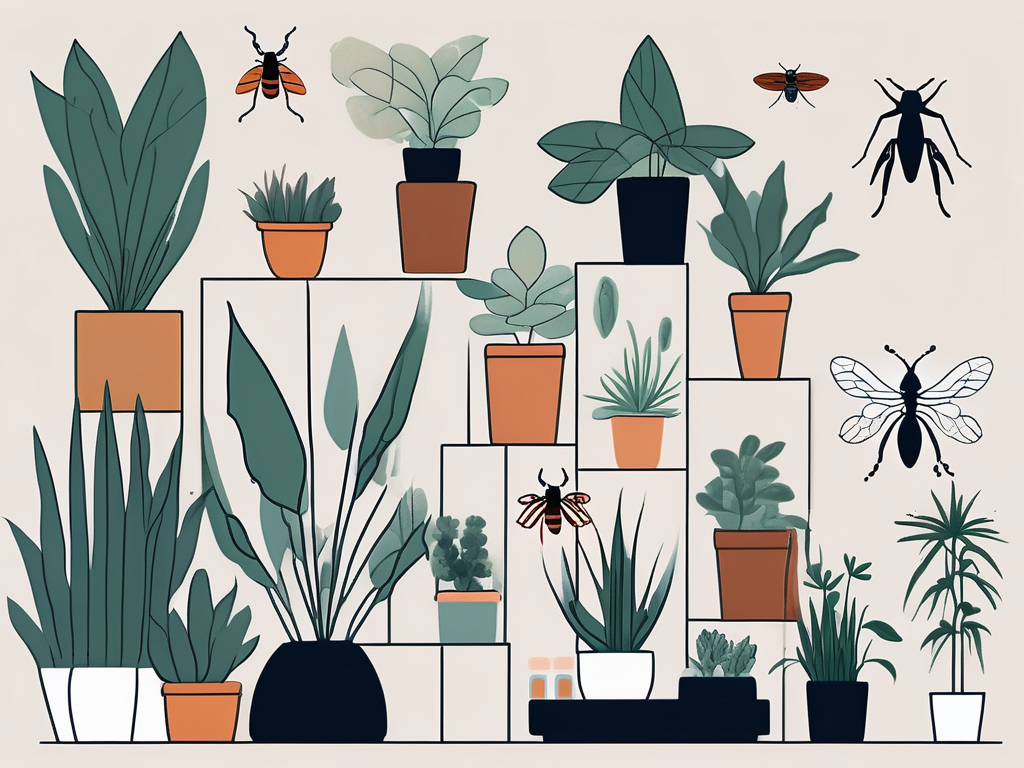
First things first, let's identify the culprits. Not every white speck on your plant is a bug, but many are. The most common white pests include mealybugs, spider mites, and whiteflies. Each of these pests has its own characteristics and preferred targets.
- Mealybugs: These are small, white, cottony insects that often cluster in groups. They love to hide in crevices and on the undersides of leaves.
- Spider Mites: Tiny and hard to see with the naked eye, they leave behind a fine webbing on leaves. If you see little white dots moving around, you're probably dealing with spider mites.
- Whiteflies: These look like tiny white moths that flutter around your plants when disturbed. They're often found on the underside of leaves.
By knowing what you're dealing with, you can better tailor your approach to treating these pests. It's like knowing your enemy in a battle—you're much more likely to win if you understand their tactics and weaknesses.
Investigating the Source
Understanding where these pests come from is half the battle. Often, they hitch a ride on new plants brought into your home. They can also enter through open windows or doors, especially in warmer months. Another source might be contaminated potting soil.
To avoid uninvited guests, always inspect new plants thoroughly before bringing them home. Look under leaves, in the soil, and around the stems for any signs of pests. You can even quarantine new plants for a couple of weeks to ensure they're not bringing any pests into your home.
Additionally, consider the environment. Pests thrive in certain conditions, and sometimes our homes provide the perfect habitat. High humidity and warmth can promote pest infestations. By keeping an eye on the conditions that your plants are in, you can potentially prevent an infestation before it starts.
Prevention: The First Line of Defense
As the saying goes, an ounce of prevention is worth a pound of cure. In the world of houseplants, this couldn't be more true. There are several strategies you can use to keep those pesky white bugs at bay.
Firstly, regular inspection is key. Check your plants weekly for signs of pests. Catching them early can prevent a little problem from becoming a big one.
Secondly, maintaining a healthy plant environment is crucial. This means ensuring your plants have the right amount of light, water, and nutrients. A healthy plant is less susceptible to pests, much like how a healthy human is less likely to catch a cold.
- Cleanliness: Keeping your plants and their surroundings clean can prevent many pest issues. Wipe down leaves with a damp cloth to remove dust and potential pests.
- Isolation: If one plant becomes infested, isolate it immediately to prevent the spread to other plants.
- Natural Predators: Introducing beneficial insects like ladybugs can naturally control pest populations.
Treatment Methods: Going Beyond the Basics
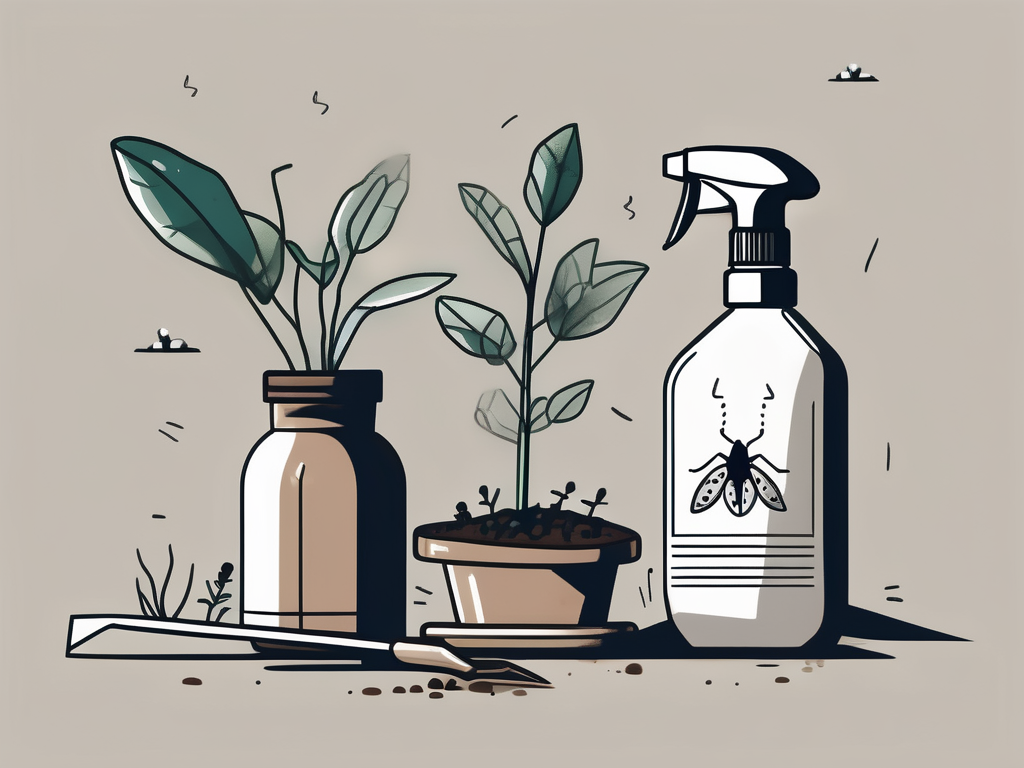
When it comes to treating white houseplant pests, there are several methods you can try. The choice of treatment often depends on the severity of the infestation and your personal preferences.
Hand-Picking: For minor infestations, simply picking the pests off by hand can be effective. This is especially true for larger pests like mealybugs.
Water Spray: A strong spray of water can dislodge many pests, especially spider mites and whiteflies. Be sure to angle the spray to reach the underside of leaves where these pests like to hide.
Neem Oil: This natural pesticide is effective against a wide range of pests and is safe for most houseplants. Mix according to the instructions and spray on the affected areas.
Homemade Remedies: A Natural Approach
If you're more into DIY solutions, there are plenty of homemade remedies you can try. These are often a gentler alternative to chemical pesticides and can be just as effective if used correctly.
Soap Spray: Mix a few drops of dish soap with water and spray on infested areas. The soap suffocates the pests, effectively killing them without harming your plant.
Garlic Spray: Crush a few cloves of garlic and mix them with water. Let it sit overnight, strain, and spray onto your plants. The strong smell deters many pests.
Alcohol Wipe: For tougher pests like mealybugs, wiping them with a cotton swab dipped in alcohol can help. The alcohol dissolves their protective coating, making them vulnerable.
When to Call in the Experts
Sometimes, despite your best efforts, the infestation is just too severe. This is when calling in professional help can be a wise choice. Plant nurseries often offer pest control services or can recommend a specialist.
Professional pest control can be particularly useful if you're dealing with a large collection of plants or a recurring problem that just won't go away. They have access to stronger treatments and more specialized knowledge that can save your plants.
Don't view this as a failure—sometimes, it's the best choice for the health of your plants. Think of it as calling in reinforcements when the battle gets tough.
Maintaining Long-Term Plant Health
Once you've dealt with the pests, it's important to maintain the health of your plants to prevent future infestations. A healthy plant is your best defense against pests.
Regular watering and feeding, along with appropriate light conditions, are essential for plant health. Don't forget to prune dead or damaged leaves, as these can attract pests.
Consider rotating your plants every so often. This ensures they get even light exposure and helps you spot any potential problems from different angles.
Understanding the Life Cycle of Pests
Understanding the life cycle of the pests you're dealing with can give you an upper hand. For instance, knowing that spider mites reproduce rapidly under warm, dry conditions can help you adjust the environment accordingly.
Most pests have a short life cycle but can reproduce quickly. Breaking this cycle is key to controlling them. For example, removing eggs and larvae can prevent them from maturing into adult pests that can reproduce.
By understanding these patterns, you can tailor your treatments to be more effective, targeting pests at different stages of their life cycle.
Final Thoughts
Dealing with white houseplant pests can be a bit of a challenge, but with the right knowledge and tools, it's entirely manageable. From identifying the pests to using homemade remedies, there's a solution for every plant parent out there.
At Cafe Planta, we're here to support you on your plant journey. Whether you're looking for new plant babies or need advice on care, we're just an email or Instagram message away. We believe that plants bring people together, and we're excited to be a part of your green adventure. Happy planting!