Houseplants bring a delightful touch of nature into our homes, but if you have curious cats, it's important to know how they might interact with your greenery. Cats are notorious for nibbling on leaves, and as plant parents, we need to ensure our furry friends stay safe. You might be wondering about Aeonium plants, those lovely succulents with rosette-like leaves—are they safe for our feline companions?
In this post, we'll explore if Aeonium plants are toxic to cats, delve into some safety tips, and share a few pointers on how to keep both your plants and pets happy. We'll also cover some alternatives if you're looking for cat-safe options. Whether you're a seasoned plant lover or just starting out, there's plenty here to help you create a harmonious home for both plants and cats.
Understanding Aeonium Plants
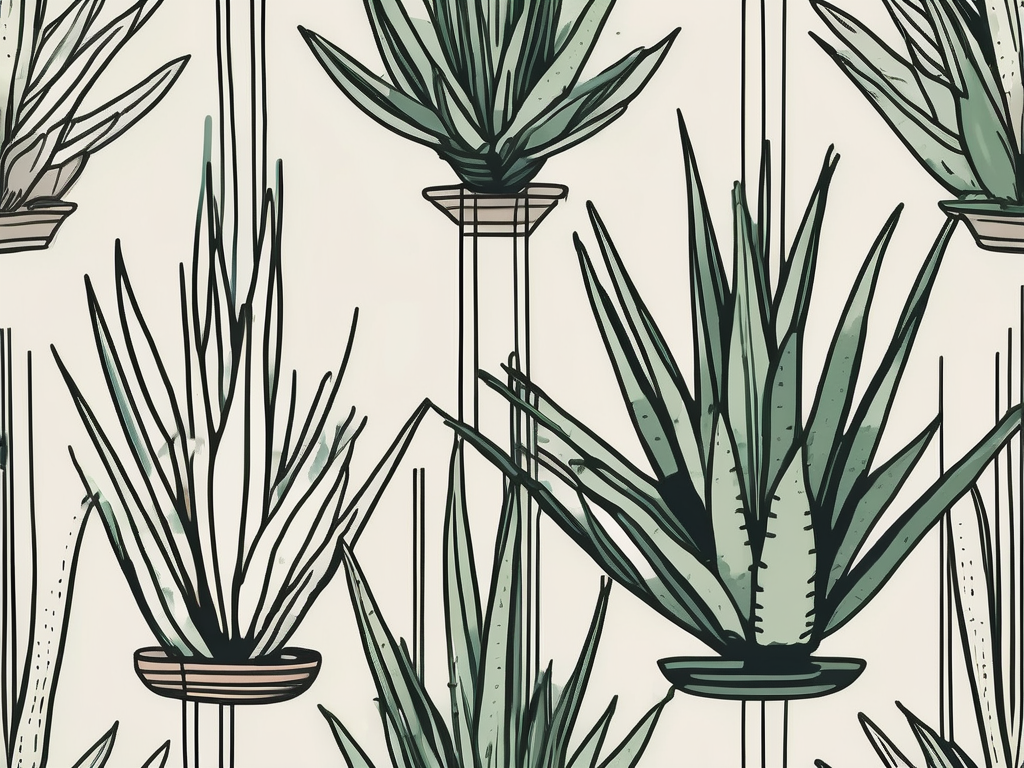
Aeoniums are a type of succulent that hail from the Canary Islands, Madeira, and North Africa. Known for their striking rosette shapes and vibrant colors, they can add a unique flair to any indoor plant collection. These plants are relatively easy to care for, making them a popular choice among plant people. They thrive in well-draining soil and require bright, indirect sunlight.
One of the great things about Aeoniums is their low maintenance nature. They don't need frequent watering, which is a bonus for those of us who might forget to water our plants every now and then. However, like any plant, it's essential to understand their needs to keep them healthy and thriving. Proper care not only ensures a beautiful plant but also minimizes the risk of your cat being tempted to nibble on unhealthy or dying leaves.
But before you go adding Aeoniums to your plant wish list, let's address the elephant in the room—or rather, the cat in the room. Are these captivating plants safe for your feline friends?
Are Aeoniums Toxic to Cats?
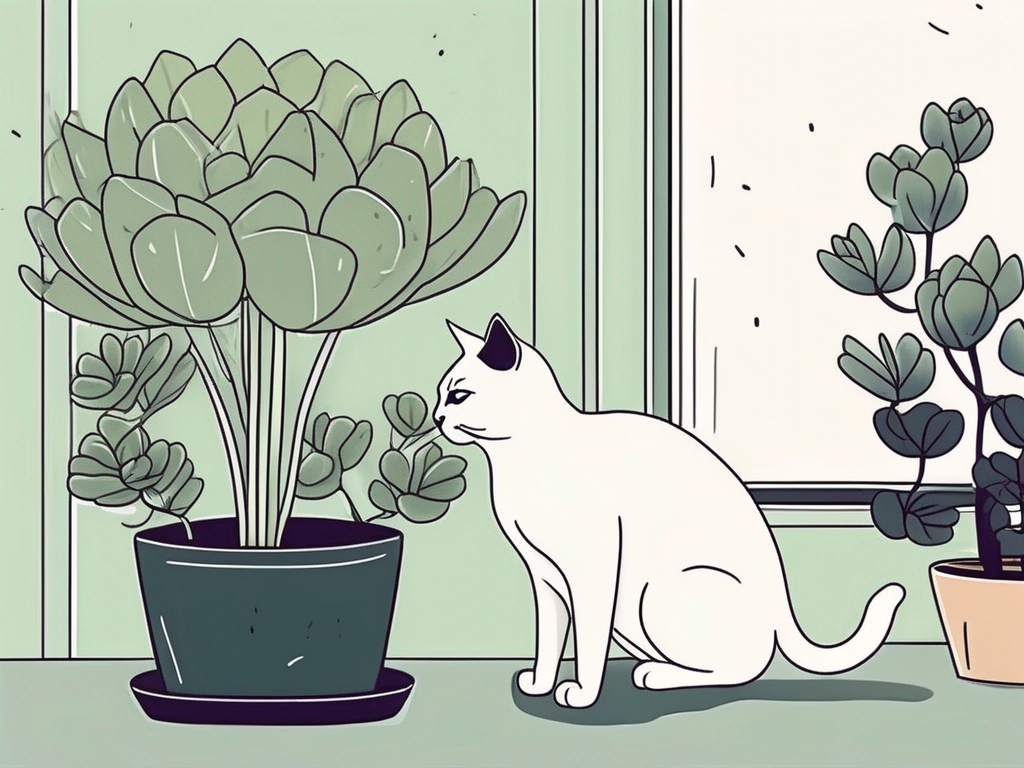
Good news for cat owners! Aeoniums are considered non-toxic to cats. According to the ASPCA (American Society for the Prevention of Cruelty to Animals), these succulents are not harmful to our feline companions. This means that if your curious kitty decides to take a little bite out of your Aeonium, they should be just fine.
However, it's always best to discourage your pets from munching on plants. Even non-toxic plants can cause mild stomach upset if ingested in large amounts. So while you can breathe a sigh of relief knowing your Aeonium isn't poisonous, it's still a good idea to keep it out of reach of your four-legged friend.
If you're like most cat owners, you've probably caught your cat getting into things they shouldn't. Cats are natural explorers, and their curiosity often leads them to sample houseplants. While Aeoniums are safe, it's always better to err on the side of caution and monitor your pet's behavior around any plant.
Keeping Cats Away from Plants
Even though Aeoniums are non-toxic, you might want to keep your cats from treating your plants like a salad bar. Here are some tips to deter your feline friends from munching on your greenery:
- Placement: Place your plants in areas that are less accessible to cats. High shelves or hanging planters can be great options.
- Distraction: Provide your cat with plenty of toys and activities to keep them entertained. A bored cat is more likely to get into mischief.
- Repellents: Use pet-safe repellents that deter cats from getting too close to your plants. Citrus scents are often effective, as cats tend to dislike them.
- Training: Gently train your cat to stay away from plants by using positive reinforcement and redirecting their attention when necessary.
Remember, patience and consistency are key when it comes to training your pet. With time, your cat will learn to coexist peacefully with your plant collection.
Creating a Cat-Friendly Plant Space
Designing a home that accommodates both your love for plants and your pet's safety can be a fun challenge. With a little creativity, you can create a space that's both beautiful and functional.
Consider dedicating a specific area of your home to your plants—perhaps a sunlit corner or a window sill. Use plant stands of varying heights to add visual interest while also keeping some plants out of reach. You might even want to incorporate a few hanging planters for added flair.
Incorporate cat-friendly plants that can coexist with your Aeoniums. Spider plants, Boston ferns, and cat grass are all safe for cats and can add a lush touch to your indoor jungle. Creating a diverse plant collection not only enhances your home's aesthetic but also provides a stimulating environment for your cat.
By thoughtfully arranging your plants and considering your cat's behavior, you can enjoy a harmonious living space that celebrates both your love for greenery and your feline friend.
Alternatives to Aeoniums for Cat Owners
If you're still concerned about your cat's interaction with Aeoniums or simply want to diversify your plant collection, there are plenty of other non-toxic options to consider. Here are a few cat-safe plants that can complement your home:
- Spider Plant: Known for its air-purifying qualities, the spider plant is a hardy option that's safe for cats.
- Boston Fern: This lush plant adds a touch of greenery and is safe for your furry friends.
- Cat Grass: A favorite among felines, cat grass is not only safe but also encourages healthy digestion.
- Bamboo Palm: With its tropical vibe, the bamboo palm is a great addition to any home and poses no risk to cats.
These alternatives provide a variety of textures and colors to play with in your interior design. Mixing and matching different plants can create a vibrant and dynamic environment that both you and your cat will love.
Common Symptoms of Plant Ingestion in Cats
Even with non-toxic plants, it's important to be aware of the signs that your cat might have taken a bite. If your cat ingests a plant, watch out for these common symptoms:
- Vomiting: This is the most common sign and usually occurs shortly after ingestion.
- Diarrhea: Your cat may experience gastrointestinal upset, leading to diarrhea.
- Lethargy: A cat that's not feeling well might become less active than usual.
- Drooling: Excessive drooling can be a sign of irritation or nausea.
If you notice any of these symptoms and suspect your cat has eaten a plant, it's best to consult your veterinarian for advice. While Aeoniums are not toxic, any unusual behavior in your pet should be monitored closely.
Designing with Aeoniums
Beyond their safety for cats, Aeoniums offer a versatile design element for your home. Their unique shapes and colors can enhance your decor, whether you prefer a minimalist aesthetic or a more eclectic style.
One way to showcase Aeoniums is by grouping them with other succulents in a decorative pot or container. This creates a striking visual display that's easy to care for and adds a touch of nature to any room. You might also consider using Aeoniums as a centerpiece on a dining or coffee table.
For a modern look, pair Aeoniums with sleek, geometric planters. Their rosette shapes contrast beautifully with the clean lines of contemporary design. Alternatively, for a more rustic feel, use terracotta pots that emphasize the natural beauty of both the plant and the materials.
With a little creativity, Aeoniums can become a focal point in your home, bringing both beauty and a sense of tranquility to your space.
Caring for Aeoniums
To keep your Aeoniums healthy and thriving, it's important to provide the right conditions. Here are some basic care tips to ensure your plants grow strong and vibrant:
- Light: Aeoniums prefer bright, indirect sunlight. Too much direct sun can scorch their leaves, while too little can cause them to become leggy.
- Watering: Allow the soil to dry out between waterings. Overwatering can lead to root rot, so it's better to err on the side of underwatering.
- Soil: Use a well-draining potting mix, such as a cactus or succulent blend, to prevent water from sitting around the roots.
- Temperature: Aeoniums thrive in temperatures between 65-75°F (18-24°C). They prefer a stable environment without extreme temperature fluctuations.
By following these guidelines, you'll be able to enjoy your Aeoniums for years to come. Plus, healthy plants are less enticing for cats to nibble on, reducing the risk of any unwanted plant munching.
Final Thoughts
In summary, Aeoniums are a wonderful addition to your plant collection, especially if you're a cat owner. Their non-toxic nature means you can enjoy their beauty without worrying about your feline friend's safety. By taking a few precautions and providing the right care, you can create a home that's perfect for both your plants and pets.
At Cafe Planta, we believe in the joy and connection that plants bring into our lives. Whether you're looking for new additions to your collection or need some plant care advice, we're here to help. Feel free to email us or reach out via Instagram. Let's grow and learn together!