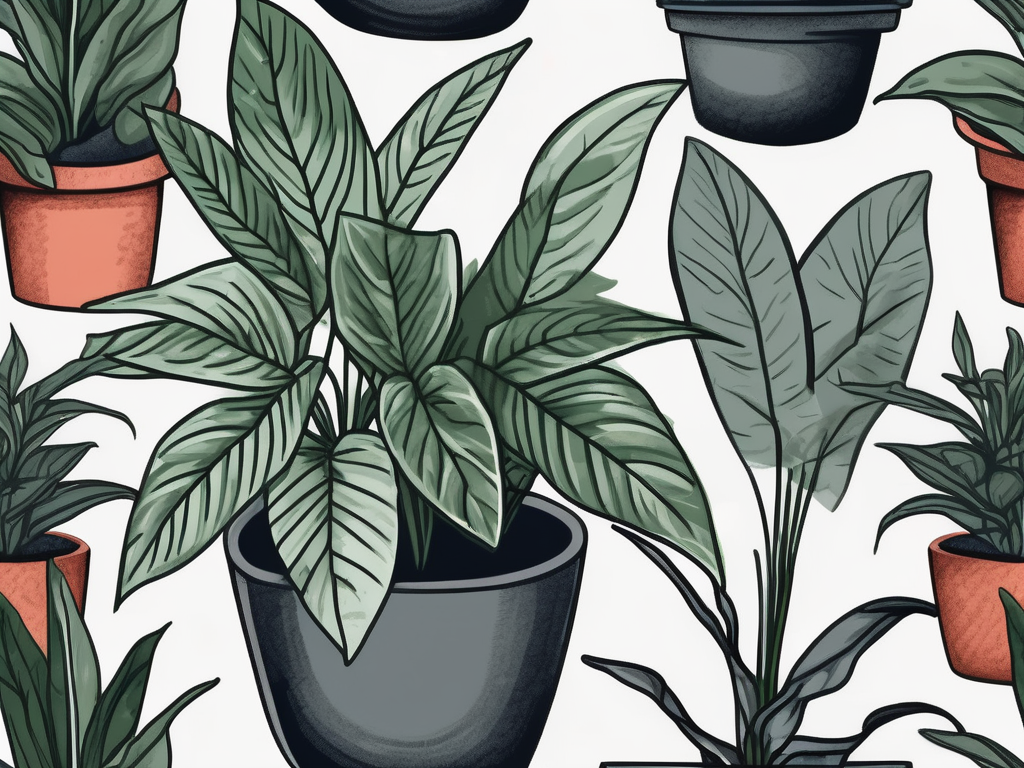
Ever wondered if your beloved Arrowhead plant is more than just a pretty face? If you're a pet parent or have curious kiddos around, the question of plant toxicity might have crossed your mind. Arrowhead plants, with their lush (oops, I mean full and vibrant) foliage, are popular houseplants, but are they safe to keep in our homes?
This article will explore the potential risks of Arrowhead plants, delve into their care needs, and offer tips on how to keep your home both beautiful and safe. Whether you're new to the plant game or a seasoned green thumb, understanding the ins and outs of Arrowhead plant care and safety can help you make informed decisions about your indoor garden.
Is the Arrowhead Plant Poisonous?
Let's start with the question on everyone's mind: Is the Arrowhead plant poisonous? The short answer is yes, to some extent. The Arrowhead plant, also known as Syngonium podophyllum, contains calcium oxalate crystals, which are known to cause irritation. If ingested, these crystals can irritate the mouth and throat, potentially leading to discomfort or swelling. In some cases, it may also cause digestive upset.
It's important to note that the level of toxicity is generally considered mild to moderate. Most healthy adults would experience minor symptoms if they happen to ingest a small amount. However, children and pets, with their smaller body size and sometimes adventurous taste-testing habits, are at a higher risk. Symptoms can include drooling, vomiting, and difficulty swallowing, so it's crucial to keep these plants out of reach.
While the Arrowhead plant isn't among the most dangerous houseplants, it's still wise to exercise caution. If you suspect your child or pet has ingested part of the plant, it's best to contact a healthcare professional or veterinarian for advice. Better safe than sorry, right?
Understanding Arrowhead Plant Care
Now that we've got the safety talk out of the way, let's chat about how to care for these beauties. Arrowhead plants are quite popular due to their striking appearance and relatively easy care requirements. They're a fantastic choice for those looking to add some greenery to their space without too much fuss.
Here are some basic care tips to keep your Arrowhead plant thriving:
- Light: Arrowhead plants prefer bright, indirect light. Direct sunlight can scorch their leaves, so it's best to place them near a window with filtered light or a few feet away from a bright window.
- Watering: Keep the soil consistently moist but not soggy. Allow the top inch of soil to dry out between waterings. Overwatering can lead to root rot, so be cautious.
- Humidity: These plants enjoy higher humidity levels. If your home is dry, consider using a pebble tray or a humidifier to give them a little boost.
- Temperature: Arrowhead plants thrive in temperatures between 60-75°F (15-24°C). Keep them away from cold drafts and heating vents.
- Fertilizing: During the growing season (spring and summer), fertilize your Arrowhead plant every month with a balanced houseplant fertilizer. Reduce feeding in the fall and winter.
By following these care tips, your Arrowhead plant will reward you with its lush, vibrant foliage, adding a touch of nature to your home.
Creating a Safe Environment for Pets and Kids
While it's clear that the Arrowhead plant has some level of toxicity, this doesn't mean you have to banish it from your home. With a few precautions, you can enjoy your plant collection while keeping your little ones and furry friends safe.
Here are some practical tips to consider:
- Placement: Place your Arrowhead plants in areas that are out of reach for pets and children. High shelves, hanging planters, or rooms that are off-limits to pets can be good options.
- Training: For pets, especially cats and dogs, training can be effective. Teaching them to stay away from certain areas or using deterrents like citrus sprays can help.
- Education: Educate your children about which plants are safe to touch and which aren't. Make it a fun learning experience, so they understand the importance of respecting plants.
- Alternative Plants: If you're concerned about safety, consider swapping toxic plants for non-toxic ones. There are plenty of pet-friendly houseplants to choose from, like spider plants or Boston ferns.
By taking these steps, you can enjoy the beauty of your Arrowhead plants without compromising the safety of your family and pets.
Why People Love Arrowhead Plants
Arrowhead plants have a lot going for them, which is why they've become such popular houseplants. Their unique leaf shape and variety of colors make them a standout choice for any plant lover.
The Arrowhead plant's leaves change shape as they mature, starting as arrow-shaped and developing a more lobed appearance over time. This transformation adds an interesting dynamic to your indoor garden and keeps things visually exciting.
Another reason people are drawn to Arrowhead plants is their adaptability. They can thrive in a range of lighting conditions, from bright indirect light to lower light areas. This flexibility makes them an excellent choice for various spots in your home.
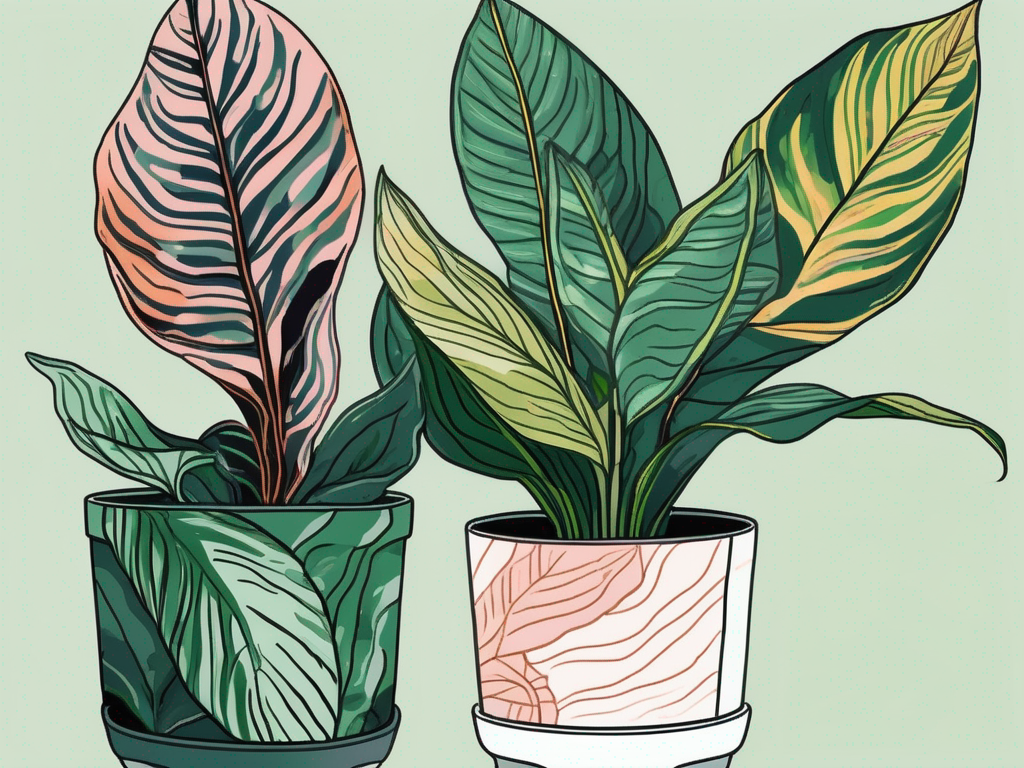
Additionally, Arrowhead plants come in a variety of colors, including shades of green, pink, and even white. This diversity allows you to choose a plant that complements your interior design style, adding a splash of color and life to any room.
With their easy care requirements and striking appearance, it's no wonder Arrowhead plants have become a favorite among plant lovers.
Arrowhead Plant Varieties
Arrowhead plants are not only loved for their distinctive leaf shape but also for the wide array of varieties available. Each variety has its own unique charm, catering to different tastes and preferences.
Here are a few popular Arrowhead plant varieties to consider:
- Syngonium podophyllum 'Neon': This variety boasts vibrant pink leaves that can brighten up any space. It's perfect for those who love a pop of color.
- Syngonium podophyllum 'White Butterfly': With its striking white and green variegation, this variety adds a touch of elegance to your indoor garden.
- Syngonium podophyllum 'Pixie': A compact variety with small leaves, making it ideal for smaller spaces or as part of a mixed plant arrangement.
- Syngonium podophyllum 'Maria Allusion': This variety features a mix of pink and green hues, offering a subtle yet sophisticated look.
These are just a few examples of the many Arrowhead plant varieties available. With so many options, you can find the perfect plant to suit your style and space.
Arrowhead Plant Styling Tips
Styling your Arrowhead plant can be a fun and creative process. With their unique foliage and adaptability, these plants can enhance any room's aesthetic.
Here are some styling tips to consider:
- Mix and Match: Combine Arrowhead plants with other houseplants to create a lush, tropical vibe. Their varied leaf shapes and colors can complement a range of plant types.
- Decorative Containers: Choose pots or planters that complement your interior design. From sleek modern designs to rustic terracotta, the right container can enhance your plant's beauty.
- Hanging Displays: Arrowhead plants can be grown in hanging baskets, allowing their foliage to cascade downwards. This adds visual interest and makes use of vertical space.
- Table Centerpiece: Use a larger Arrowhead plant as a centerpiece on a dining or coffee table. Its striking appearance can be a conversation starter and focal point in the room.
With a little creativity, you can style your Arrowhead plant to fit seamlessly into your home decor, adding a touch of nature and beauty to your space.
Troubleshooting Common Arrowhead Plant Issues
Even the best plant parents encounter challenges. Arrowhead plants are generally easy to care for, but like any plant, they can experience issues. Understanding common problems and how to address them can keep your plant healthy and happy.
Here are some typical Arrowhead plant issues and solutions:
- Yellowing Leaves: This can be a sign of overwatering. Check your plant's soil moisture and adjust your watering schedule accordingly.
- Brown Leaf Tips: Brown tips can indicate low humidity or underwatering. Increase humidity levels or adjust your watering habits.
- Leggy Growth: If your plant is becoming leggy, it may not be receiving enough light. Move it to a brighter location with indirect sunlight.
- Pests: Common pests include spider mites and aphids. Regularly inspect your plant and treat infestations with insecticidal soap or neem oil.
By keeping an eye on your Arrowhead plant and addressing issues promptly, you can ensure it stays healthy and thriving.
Repotting Your Arrowhead Plant
Like many houseplants, Arrowhead plants occasionally need repotting to accommodate their growth and refresh their soil. Repotting can also help prevent root-bound conditions that may hinder your plant's health.
Here's a step-by-step guide to repotting your Arrowhead plant:
- Choose the Right Time: The best time to repot is during the growing season, typically in spring or early summer when the plant is actively growing.
- Select a Pot: Choose a pot that's 1-2 inches larger in diameter than the current one. Ensure it has drainage holes to prevent waterlogged soil.
- Prepare the Soil: Use a well-draining potting mix. You can add perlite or orchid bark to improve drainage if needed.
- Remove the Plant: Gently remove the plant from its current pot. If it's root-bound, you may need to carefully tease apart the roots.
- Repot: Place the plant in the new pot and fill in with fresh soil. Press the soil gently around the roots to ensure stability.
- Water: Water the plant thoroughly after repotting to help settle the soil and eliminate air pockets.
Repotting your Arrowhead plant when necessary will support its growth and keep it healthy for years to come.
Final Thoughts
In summary, while Arrowhead plants do carry some toxicity risks, with the right precautions, they can be a safe and stunning addition to your home. Their unique beauty and relatively low maintenance make them a favorite among plant lovers.
At Cafe Planta, we believe plants have the power to bring people together and inspire us to connect with nature. Whether you're a seasoned plant parent or just starting, we're here to help. If you have any questions about plant care, feel free to email us or reach out on our Instagram. We're excited to share our love of plants with you!