Houseplants can bring a touch of nature into your home, creating a calming atmosphere and improving air quality. But when you have pets, especially curious cats, the choice of plants becomes more critical. One common concern among cat owners is whether a particular plant might be harmful to their feline friends. Today, we'll focus on the Boston Fern, a popular houseplant. Is it safe for cats, or should it be kept out of reach?
Throughout this article, we'll explore the safety of Boston Ferns for cats, discuss how to care for this plant, and provide tips for creating a cat-friendly home that includes greenery. We'll also touch on how to recognize signs of plant toxicity in cats and suggest some alternative pet-friendly plants for your home. Let's get started!
Understanding Plant Toxicity
Before we dive into the specifics of the Boston Fern, it's important to understand what plant toxicity means. In simple terms, a toxic plant contains substances that can cause harm if ingested or sometimes even touched. These toxic substances can lead to a range of symptoms in pets, from mild irritation to severe health issues.
Cats are particularly sensitive to certain plants because they tend to chew on leaves, either out of curiosity or boredom. This behavior makes it essential for pet owners to be vigilant about the plants they bring into their homes. While some toxicity symptoms are mild and easily managed, others can be more serious, requiring immediate medical attention. Knowing which plants are safe and which pose a risk is key to ensuring your cat stays healthy.
Interestingly, the level of toxicity can vary even within the same species of plant. Therefore, it's not just about avoiding certain plants but understanding their potential effects on your furry friends. With that in mind, let's turn our attention to the Boston Fern.
Is the Boston Fern Toxic to Cats?
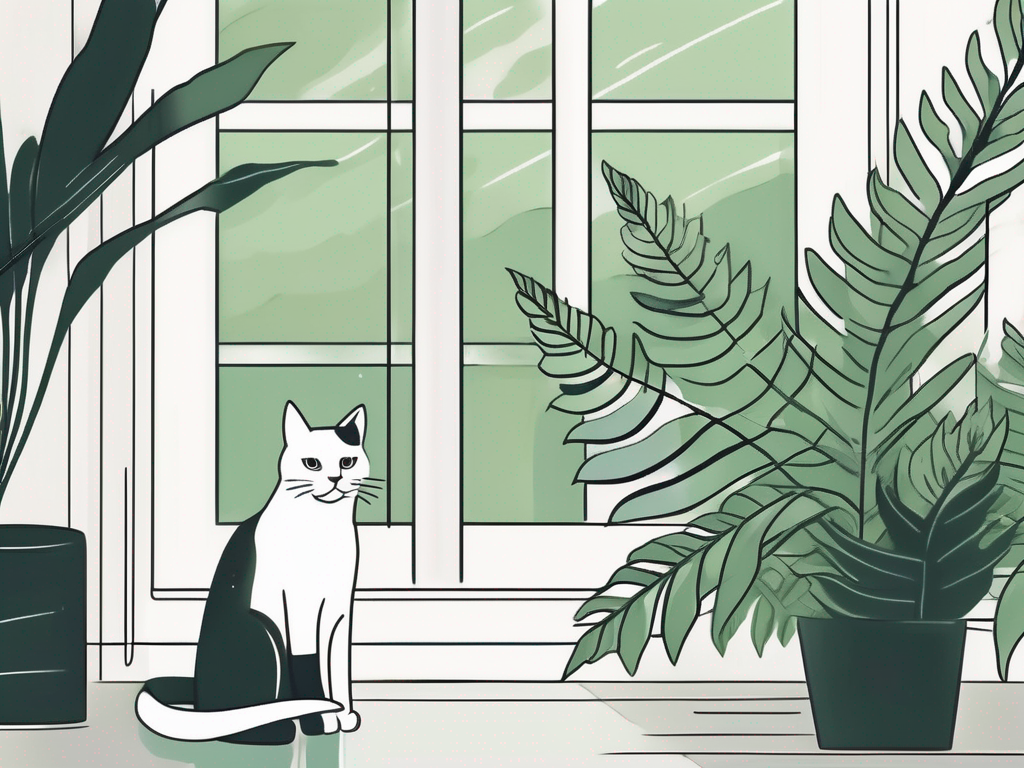
The good news for plant and cat lovers alike is that the Boston Fern (Nephrolepis exaltata) is considered non-toxic to cats. According to the ASPCA (American Society for the Prevention of Cruelty to Animals), this plant is safe for both cats and dogs. This means that if your cat decides to take a nibble, it shouldn't cause any immediate health concerns.
That said, while the Boston Fern itself isn't toxic, it's still a good idea to monitor your pet's interactions with it. Ingesting large amounts of any plant material can sometimes lead to digestive upset, such as vomiting or diarrhea. So, if you notice your cat spending a lot of time munching on the fern, it might be worth redirecting their attention to something more suitable, like cat grass.
In summary, the Boston Fern is a cat-friendly choice for your home. However, moderation is key, and it's always wise to be observant of your cat's behavior around plants.
Caring for Your Boston Fern
Now that we've established the Boston Fern is safe for your feline friends, let's look at how to care for this lush plant. Boston Ferns are known for their beautiful, arching fronds and can add a vibrant touch to any room. While they're not the most demanding plant, they do have some specific care requirements.
Light and Temperature
Boston Ferns thrive in bright, indirect light. While they can tolerate some direct sunlight, too much can scorch their delicate leaves. If your home doesn't have a naturally bright spot, consider placing your fern near a north or east-facing window. These locations typically provide the right balance of light without overwhelming the plant.
In terms of temperature, Boston Ferns prefer a cooler environment. They do well in temperatures between 60-75°F (15-24°C). Be cautious of placing them near vents or drafts, as sudden temperature changes can stress the plant.
Watering and Humidity
One of the most critical aspects of Boston Fern care is maintaining the right level of moisture. These plants like to be kept consistently moist but not soggy. Allow the top inch of soil to dry out slightly between waterings, and then water thoroughly. Be sure to use well-draining soil to prevent root rot.
Humidity is also crucial for Boston Ferns. If your home is dry, especially in winter, consider increasing humidity around the plant. You can do this by misting the leaves regularly or placing a humidifier nearby. Another option is to set the pot on a tray filled with pebbles and water, ensuring the bottom of the pot isn't submerged.
Creating a Cat-Friendly Plant Environment
Having a home full of plants and pets might seem challenging, but with a few adjustments, you can create a harmonious environment for both. Here are some strategies to keep your plants safe from curious cats and your cats safe from potentially harmful plants.
Placement and Accessibility
One of the easiest ways to protect your plants from cats is by placing them out of reach. Hanging planters, wall-mounted shelves, or tall plant stands can keep plants like the Boston Fern away from curious paws. This setup not only keeps your plants safe but also protects your cats from ingesting anything they shouldn't.
Providing Alternatives
Cats often chew on plants out of boredom or to satisfy their natural instincts. Providing alternative options can help redirect this behavior. Consider placing safe, chewable plants like cat grass or catnip in accessible areas where your cat can enjoy them without causing harm.
Additionally, interactive toys and scratchers can keep your cat entertained, reducing their interest in your houseplants.
Recognizing Signs of Plant Toxicity in Cats
Even with the best precautions, accidents can happen. As a pet owner, it's crucial to recognize the signs of plant toxicity in cats. While Boston Ferns are safe, other plants may not be. Common symptoms of plant poisoning in cats include:
- Vomiting or diarrhea
- Drooling
- Lethargy
- Loss of appetite
- Difficulty breathing
- Swelling or irritation around the mouth
If you suspect your cat has ingested a toxic plant, contact your veterinarian immediately. Quick action can make a significant difference in your pet's recovery.
Alternative Pet-Friendly Plants
If you're looking to expand your indoor garden while ensuring your pets' safety, consider these pet-friendly plants alongside your Boston Fern:
- Spider Plant: Known for its air-purifying properties, the spider plant is safe for cats and dogs. Its arching leaves make it an attractive addition to any room.
- Bamboo Palm: This plant thrives in low light and is non-toxic to pets. Its tall, graceful foliage can add a tropical feel to your space.
- Areca Palm: Another palm that poses no threat to pets, the Areca Palm is known for its lush, feathery fronds.
- Calathea: With its stunning leaf patterns, Calathea is a safe and decorative choice for pet owners.
These plants, combined with your Boston Fern, can create a beautiful, pet-friendly oasis in your home.
Designing a Plant-Filled Space
Incorporating plants into your home doesn't just improve aesthetics; it can also enhance your overall well-being. Here are some ideas for designing a plant-filled space that both you and your pets can enjoy:
Mixing Textures and Heights
To create visual interest, mix plants of different textures and heights. Pair the soft foliage of a Boston Fern with the bold leaves of a Monstera or the delicate tendrils of a String of Pearls. This variety will add depth and dimension to your space.
Incorporating Plant Stands and Shelves
Plant stands and shelves are great tools for arranging your greenery. Use them to create layers, with taller plants in the back and shorter ones in the front. This setup not only maximizes space but also makes your plant collection more accessible and organized.
Adding Decorative Elements
Don't be afraid to accessorize your plant area. Decorative pots, macrame hangers, and plant-themed art can tie the look together, making your space feel cohesive and inviting.
Tips for New Plant Parents
If you're new to plant care, starting with a few easy-to-maintain varieties can build your confidence. Here are some tips to set you on the right path:
- Start Small: Begin with one or two plants, like a Boston Fern and a Spider Plant. As you gain experience, expand your collection.
- Learn About Each Plant: Each plant has unique care needs. Take time to research their specific requirements for light, water, and soil.
- Establish a Routine: Consistency is key. Set a schedule for watering, feeding, and checking for pests.
- Be Patient: Plants take time to adapt to new environments. If your plant doesn't thrive immediately, give it some time and adjust your care routine as needed.
With these tips, you'll be on your way to becoming a confident plant parent, enjoying the beauty and benefits of indoor greenery.
Final Thoughts
To wrap things up, the Boston Fern is a safe and attractive addition to any home with cats. Its non-toxic nature makes it a worry-free choice for pet owners looking to add some greenery to their space. By understanding plant care and creating a pet-friendly environment, you can enjoy the beauty of plants without compromising your cat's safety.
At Cafe Planta, we offer a wide range of houseplants and plant care accessories. Whether you're a seasoned plant parent or just starting your journey, we're here to help. If you have any questions about plant care or need advice, don't hesitate to email us or send us a message on Instagram. We believe in the power of plants to connect people and bring nature into our lives, and we're excited to share that passion with you!