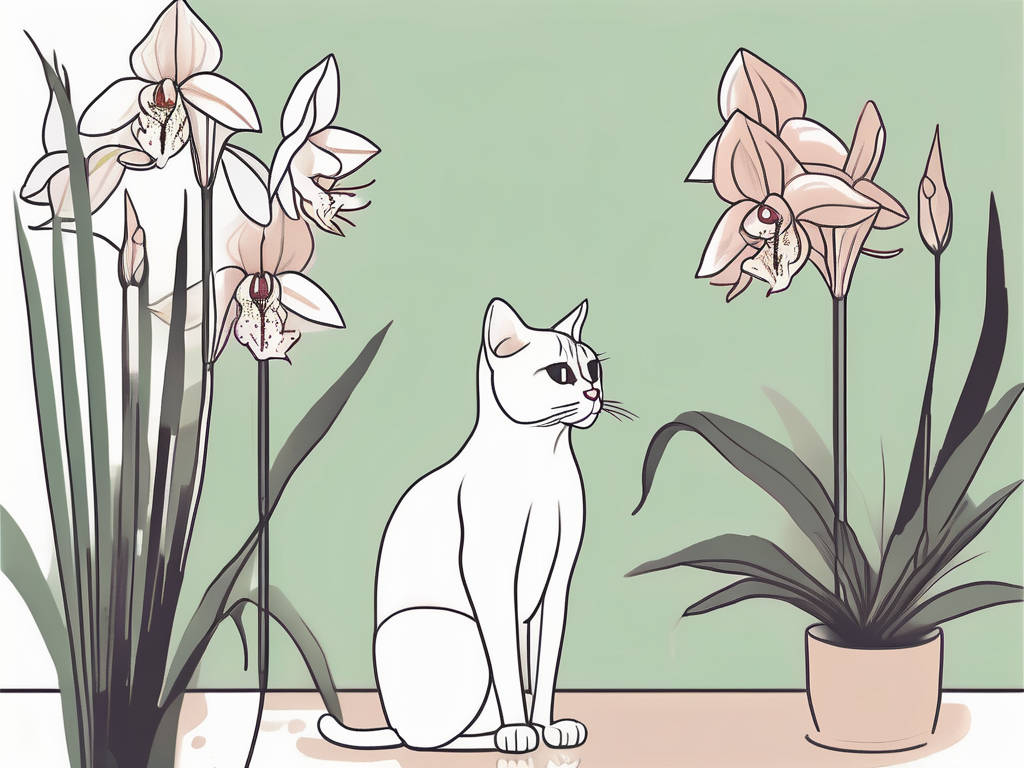
When it comes to filling your home with beautiful plants, orchids often steal the spotlight with their elegant blooms. But if you're a cat owner, you might find yourself wondering about the safety of these plants, particularly the Cymbidium orchid. Are these orchids toxic to your feline friends?
Cymbidium orchids are popular among plant lovers for their stunning appearance and relative ease of care. In this article, we'll explore whether these orchids pose a threat to your cats, delve into general orchid care, and share tips on integrating them into your home without compromising your pet's safety.
Are Cymbidium Orchids Safe for Cats?
Let's tackle the burning question right away: Are Cymbidium orchids toxic to cats? The good news is, according to the American Society for the Prevention of Cruelty to Animals (ASPCA), Cymbidium orchids are non-toxic to cats. This means that if your curious kitty decides to take a nibble, you won't need to panic. However, it's always wise to discourage pets from using your plants as a snack bar.
While Cymbidium orchids aren't toxic, they might cause mild stomach upset if ingested in large quantities. Most cats tend to avoid plants that aren't palatable, but if your feline is particularly curious, you might notice some mild vomiting or diarrhea. If symptoms persist, it's a good idea to consult your vet just to be safe.
So, while Cymbidium orchids get the green light for being non-toxic, it's still a good practice to monitor your pets and keep an eye on any plant-eating habits they might develop.
Understanding Cymbidium Orchid Care
Now that we've established Cymbidium orchids are safe for your feline friends, let's focus on how to keep these plants thriving in your home. Cymbidium orchids are known for their long-lasting blooms and can bring a touch of elegance to any room. Here's how to care for them:
- Light: Cymbidiums prefer bright, indirect light. A spot near a window with filtered sunlight is ideal. If the leaves start to turn yellow, it might be a sign of too much direct sun.
- Watering: These orchids like to be kept moist but not soggy. Water them thoroughly when the potting mix feels dry to the touch, usually once a week.
- Humidity: Cymbidium orchids thrive in environments with high humidity. Consider using a humidity tray or a room humidifier if your home is dry.
- Temperature: They prefer cooler temperatures, between 50-70°F (10-21°C). Try to keep them away from drafts and extreme temperature changes.
- Feeding: Use a balanced orchid fertilizer every couple of weeks during the growing season (spring and summer) and reduce feeding in the fall and winter.
With these care tips, your Cymbidium orchid should bloom beautifully, adding a splash of color to your space without posing a risk to your cats.
Integrating Orchids Into Your Home Decor
Orchids are not just plants; they're a statement piece in home decor. Their striking flowers and elegant foliage can transform any room. Here are some ideas to incorporate Cymbidium orchids into your home design:
1. Centerpiece Elegance: Place a Cymbidium orchid in a decorative pot on your dining table or coffee table. This immediately draws attention and adds a touch of sophistication.
2. Window Display: Use the natural light from windows to showcase your orchids. A series of orchids on a windowsill can create a stunning display that's both natural and artistic.
3. Bathroom Oasis: Bathrooms can be an ideal spot for orchids because of the humidity. Place them on a shelf or counter where they can enjoy the moist environment.
4. Hanging Planters: If you're short on space, consider hanging planters. This keeps the orchids out of reach of pets and adds vertical interest to your decor.
5. Grouping with Other Plants: Pair your orchids with other non-toxic plants to create a lush, green corner in your living room or office.
By integrating Cymbidium orchids into your home decor, you can enjoy their beauty while keeping your feline companions safe and sound.
Tips to Keep Cats Away from Orchids
Even though Cymbidium orchids aren't toxic to cats, it's still a good idea to keep your pets from chewing on them. Here are some strategies to discourage your feline friends from getting too curious:
- Use Citrus: Cats generally dislike the smell of citrus. Spraying a diluted citrus solution around your plants can deter them from getting too close.
- Provide Alternatives: Make sure your cats have plenty of toys and scratching posts to keep them occupied and less interested in your plants.
- Create a Barrier: Use decorative stones or small fences around your plant pots to create a physical barrier.
- Training: Gently training your cat with a firm "no" when they approach your plants can help, though patience is key here.
- Cat Grass: Providing cat grass can offer a safe and appealing alternative for them to chew on.
These simple tips can help maintain harmony between your love for plants and your furry companions.
Exploring Other Non-Toxic Plants for Cat Owners
While Cymbidium orchids are a fantastic option for cat owners, many other plants can safely share your home with your feline friends. Here are a few to consider:
- Spider Plant: Known for its easy care and air-purifying qualities, the spider plant is a great non-toxic option.
- Bamboo Palm: With its lush foliage, the bamboo palm is safe for cats and adds a tropical vibe.
- Boston Fern: This classic houseplant is non-toxic and adds a touch of greenery to any space.
- Areca Palm: Another pet-friendly palm, the areca palm is easy to care for and visually appealing.
- Calathea: Known for its striking leaf patterns, calathea is non-toxic and a beautiful addition to your plant collection.
Having a range of non-toxic plants can help create a safe and visually pleasing environment for both you and your pets.
Potential Symptoms of Plant Ingestion in Cats
While Cymbidium orchids are safe, it's helpful to know the signs of plant ingestion in cats just in case they nibble on something they shouldn't. Here are some common symptoms:
- Gastrointestinal Upset: Vomiting and diarrhea are common signs that your cat might have eaten something it shouldn't.
- Drooling: Excessive drooling can indicate mild irritation in the mouth.
- Loss of Appetite: If your cat suddenly refuses to eat, it could be a sign of digestive discomfort.
- Lethargy: A sudden lack of energy or interest in usual activities might suggest something's not right.
If you notice any of these symptoms and suspect plant ingestion, it's wise to consult your veterinarian for advice.
Creating a Cat-Friendly Plant Environment
To truly enjoy your plants and cats in harmony, consider these steps to create an environment that caters to both:
- Choose Non-Toxic Plants: Fill your home with plants that are safe for your pets, like Cymbidium orchids and the ones mentioned earlier.
- Strategic Placement: Place plants out of reach or in areas your cat can't easily access, like hanging planters or shelves.
- Provide Distractions: Ensure your cat has plenty of toys and engaging activities to keep them occupied.
- Regular Monitoring: Keep an eye on your cat's behavior around plants and adjust your strategies as needed.
By taking these steps, you can cultivate a home that celebrates both your love for plants and your furry companions.
Final Thoughts
Cymbidium orchids are a beautiful and non-toxic choice for cat-loving plant people. With a little care and attention, you can enjoy their stunning blooms while keeping your feline friends safe. Remember to monitor your cats' behavior and create an environment where both plants and pets can thrive together.
At Cafe Planta, we're passionate about helping you care for your plants and find the perfect additions to your home. Whether you're a seasoned plant parent or just starting out, we're here to support your journey. Feel free to email us or reach out on Instagram if you have any questions or need advice. Let's create beautiful, thriving plant collections together!