One of the most delightful aspects of being a plant lover is discovering the vast array of plant species that can add a touch of magic to our living spaces. The Fairy Castle Cactus, with its whimsical appearance, is a popular choice for those looking to bring a bit of enchantment into their homes. But, as with any plant, it’s important to ensure that it’s safe for all members of the household, including our furry friends.
In this article, we’ll explore whether the Fairy Castle Cactus is toxic to cats, along with other helpful tips for keeping your feline companions safe around houseplants. We’ll also discuss the unique care requirements of this charming cactus, so you can enjoy its presence without any worries.
Understanding the Fairy Castle Cactus
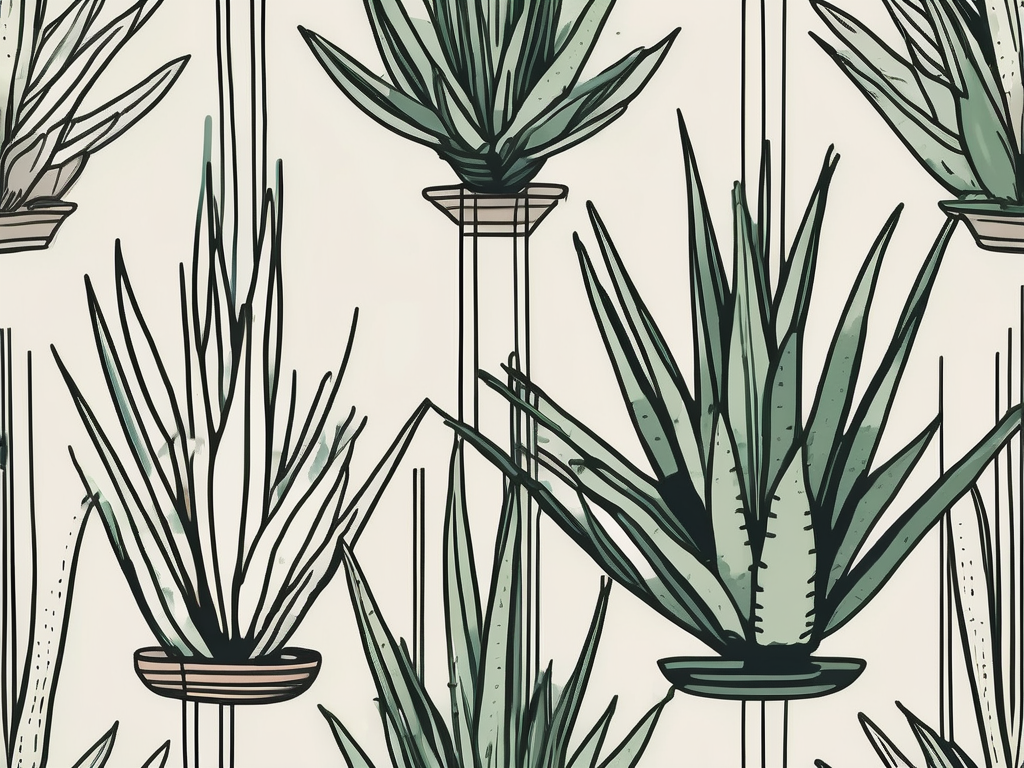
The Fairy Castle Cactus (Acanthocereus tetragonus) is a fascinating plant that captures the imagination with its unique growth pattern. Named for its resemblance to a miniature castle with turrets, this cactus is truly a sight to behold. It features many slender, columnar stems that grow upright, resembling the towers of a fairy tale castle. These stems are often covered in small, white spines, adding to its enchanting appearance.
Native to Central America, this cactus thrives in hot, arid climates. It’s a slow grower, but with proper care, it can reach up to six feet tall indoors, making it a striking addition to any plant collection. Its low-maintenance nature is another reason why it’s a favorite among plant lovers.
However, as much as we adore our plant collections, it’s essential to consider the safety of our pets. Cats, in particular, are known for their curiosity, and it’s not uncommon for them to nibble on leaves or play with plants. This brings us to the important question: Is the Fairy Castle Cactus safe for cats?
Is the Fairy Castle Cactus Toxic to Cats?
Good news for cat parents! The Fairy Castle Cactus is considered non-toxic to cats. According to the American Society for the Prevention of Cruelty to Animals (ASPCA), this cactus does not pose a significant risk to our feline friends if ingested. However, it’s worth noting that while it's not poisonous, the spines can still cause physical harm.
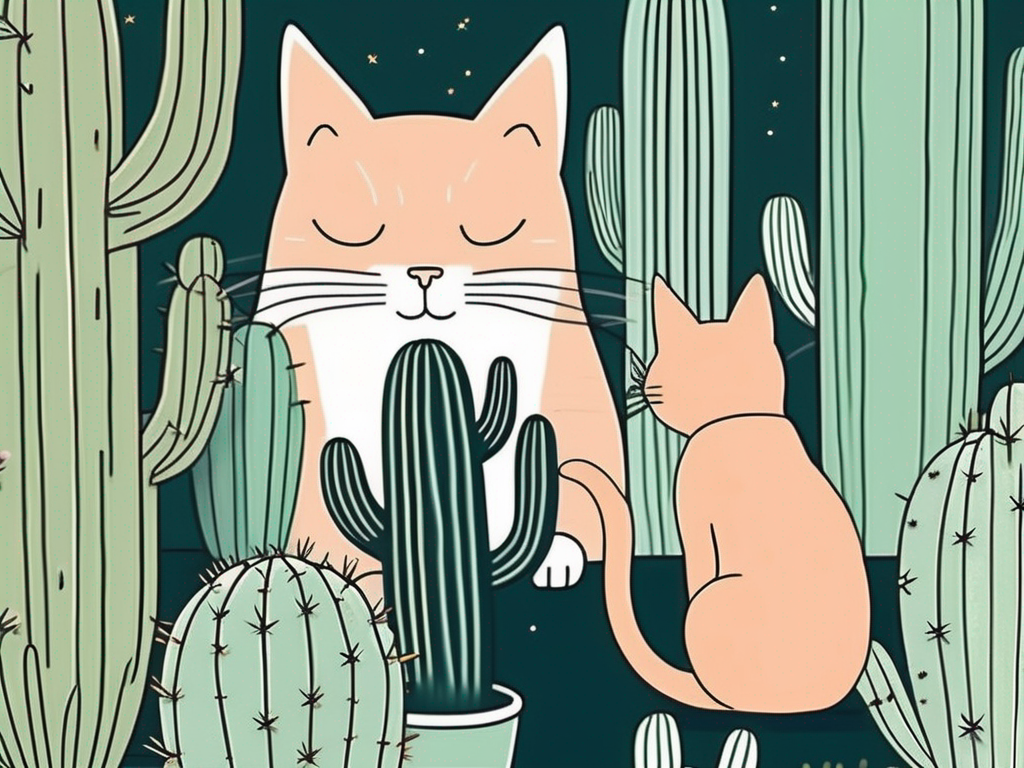
Cats are curious by nature, and they might be tempted to swat at or chew on the cactus. The spines, though not toxic, can irritate a cat’s mouth or paws if they come into contact with them. Therefore, while you don’t have to worry about any serious poisoning, it’s still wise to monitor your cat’s interaction with the plant.
To keep your cactus and your kitty safe, consider placing the plant in an area that’s less accessible to your cat. High shelves, hanging planters, or a room that’s off-limits to your pet can be good options. This way, you can enjoy the beauty of the Fairy Castle Cactus without any feline mishaps.
How to Care for Your Fairy Castle Cactus
Now that we know the Fairy Castle Cactus is safe for our feline companions, let’s look at how to care for this charming plant. While it’s not particularly demanding, understanding its needs will ensure it thrives in your home.
Light Requirements
The Fairy Castle Cactus loves sunlight. In its natural habitat, it enjoys long hours of bright, direct sunlight. To mimic these conditions indoors, place your cactus near a south or west-facing window where it can soak up the rays. If your home doesn’t get enough natural light, consider using a grow light to supplement its needs.
Watering Tips
Like many cacti, the Fairy Castle Cactus prefers to dry out completely between waterings. Overwatering is a common mistake and can lead to root rot. During the growing season (spring and summer), water the cactus thoroughly when the soil is completely dry. In the winter, reduce watering significantly, as the plant’s growth slows down.
Soil and Potting
A well-draining soil mix is crucial for the health of your Fairy Castle Cactus. A cactus or succulent mix is ideal, as it allows excess water to drain quickly, preventing root rot. When potting your cactus, choose a container with drainage holes to ensure any excess water can escape.
Designing a Safe Space for Cats and Plants
Integrating plants into your home can create a serene and inviting atmosphere, but it’s important to design spaces that are safe for both your plants and your pets. Here are some tips to achieve a harmonious balance:
- Use Vertical Space: Utilize shelves, wall planters, or hanging baskets to keep plants out of reach of curious paws. This not only protects your plants but also adds an interesting visual element to your decor.
- Create a Cat-Friendly Zone: Dedicate an area specifically for your cat with toys, scratching posts, and cozy spots to nap. This can distract them from your plants and reduce the likelihood of them getting into trouble.
- Consider Plant Placement: Place more fragile or spiky plants in less accessible areas. Corners, ledges, or even behind barriers can be good spots for plants that need extra protection.
By thoughtfully arranging your plants and cat-friendly spaces, you can enjoy both without any worry.
Understanding Cat Behavior Around Plants
Cats are naturally curious creatures, and their behavior around plants can vary. While some cats may show little interest, others might see them as toys or even snacks. Understanding your cat’s behavior can help you manage their interactions with your houseplants.
Some reasons cats are drawn to plants include:
- Texture and Movement: Cats are attracted to the texture of leaves and the movement of plants swaying in the breeze. To them, it might seem like an invitation to play.
- Curiosity: Cats are curious by nature, and anything new or unfamiliar will pique their interest. This includes new plants introduced to their environment.
- Nutritional Need: Occasionally, cats eat plants to supplement their diet with certain nutrients or to aid digestion.
By recognizing these behaviors, you can better manage your cat’s interactions with your plants, ensuring safety for both.
Alternatives for Cat-Friendly Plants
If you’re concerned about your cat’s safety or their tendency to nibble on plants, consider incorporating more cat-friendly options into your indoor garden. There are several plants that are safe for cats and can coexist peacefully with them.
Some cat-friendly plants include:
- Spider Plant (Chlorophytum comosum): Known for its air-purifying qualities, this plant is non-toxic to cats and adds a touch of greenery to any room.
- Bamboo Palm (Chamaedorea seifrizii): A great option for adding a tropical vibe, and it’s safe for cats to be around.
- Boston Fern (Nephrolepis exaltata): Another air-purifying plant that’s safe for cats and adds lush greenery to your space.
These plants can provide the same aesthetic appeal as the Fairy Castle Cactus, without the worry of potential harm to your feline friends.
Common Myths About Cats and Houseplants
There are a few myths floating around about cats and houseplants that can be misleading. Let’s clear up some of these misconceptions:
- Myth: All Cacti Are Safe for Cats: While the Fairy Castle Cactus is non-toxic, not all cacti are created equal. Always check the specific species for any potential risks to pets.
- Myth: Cats Instinctively Avoid Toxic Plants: Cats don’t always know which plants are harmful. It’s up to us to ensure their environment is safe.
- Myth: Only Exotic Plants Are Dangerous: Many common houseplants can be toxic to cats, so always research before bringing a new plant home.
By debunking these myths, we can better protect our pets and enjoy our plants without worry.
Tips for Preventing Plant Damage by Cats
If your cat is particularly interested in your plants, there are several strategies you can use to prevent them from causing damage:
- Use Natural Deterrents: Cats aren’t fond of citrus scents, so placing orange or lemon peels in the soil can help deter them.
- Provide Alternative Entertainment: Ensure your cat has plenty of toys and activities to keep them occupied and away from your plants.
- Training: Use positive reinforcement to train your cat to avoid certain areas. Reward them when they stay away from your plants.
With a little patience and creativity, you can keep your plants safe while ensuring your cat remains happy and healthy.
Choosing the Right Pot and Placement
The right pot and placement can make all the difference when it comes to balancing plant care with pet safety. Here’s how to select the best options for your Fairy Castle Cactus:
- Choose a Sturdy Pot: A heavy, stable pot can prevent your cat from tipping it over. Look for ceramic or terracotta options that provide a solid base.
- Strategic Placement: Keep your plant in a location that’s less accessible to your cat. High shelves or dedicated plant stands can be effective solutions.
- Avoid Trailing Plants: Trailing plants can be tempting for cats to play with or chew on. Opt for upright plants that are less enticing.
By carefully choosing your pot and placement, you can protect your Fairy Castle Cactus and other plants from curious cats.
Final Thoughts
The Fairy Castle Cactus is a delightful addition to any home, and thankfully, it’s non-toxic to cats, allowing you to enjoy its whimsical beauty without worry. By understanding your cat’s behavior and taking a few precautions, you can create a safe and harmonious environment for both your plants and your pets.
At Cafe Planta, we’re passionate about helping you care for your plants and create beautiful spaces. Whether you’re an experienced plant parent or new to the world of houseplants, we’re here to support you on your journey. Feel free to reach out to us via email or connect with us on Instagram for tips, advice, and inspiration.