Ah, the joys of being a plant lover and a cat person! But we all know that sometimes, those two passions don't mix well. If you're like me, you probably worry about which plants might be harmful to your furry friends. One common houseplant that often raises eyebrows is the ficus. Is ficus toxic to cats? Let's find out!
In this article, we’ll explore the relationship between ficus plants and cats. We'll break down which parts of the plant are harmful, what symptoms to watch for if your cat gets curious, and how you can still enjoy your ficus without putting your feline at risk. Plus, we'll look into alternatives and other tips to keep both your home and your kitty safe.
Understanding Ficus Plants
Ficus plants are popular houseplants known for their lush foliage and forgiving nature. These plants belong to the fig family and include a wide range of species, from the towering fiddle leaf fig to the compact rubber plant. Ficus plants can adapt to various light conditions, making them a favorite choice for many plant parents.
But here's the kicker: while they’re great for humans who want to spruce up their living space, they can pose a risk to our feline friends. All parts of the ficus plant contain a milky sap that can cause irritation. Whether it's the leaves, stems, or fruit, the sap contains compounds that can be harmful if ingested by cats.
So, why do so many people still choose ficus plants for their homes? Well, they're relatively easy to care for, and they have a knack for making any room look sophisticated. Plus, with a bit of know-how, you can make sure your ficus and cat can coexist peacefully.
Why Are Ficus Plants Harmful to Cats?
The main culprit behind the toxicity of ficus plants is a compound called ficin, which is found in the plant's sap. Ficin is a proteolytic enzyme, meaning it can break down proteins. While this might sound a bit science-y, it's basically what causes irritation when your cat decides to nibble on a ficus leaf.
Here’s a quick rundown of what happens when a cat chews on a ficus leaf or stem:
- The sap irritates the mouth and digestive system, leading to symptoms like drooling and vomiting.
- Some cats might also experience diarrhea or difficulty swallowing.
- In severe cases, ingesting large amounts can lead to more serious symptoms, although this is rare.
Interestingly enough, not all cats react the same way. While some might get away with a mild reaction, others could experience more severe symptoms. It’s always better to err on the side of caution and keep ficus plants out of reach.
Recognizing Symptoms of Ficus Toxicity in Cats
So, what do you do if your cat decides to snack on your beloved ficus? Recognizing the symptoms early is crucial. Here are the common signs to watch for:
- Drooling: If your cat is suddenly drooling excessively, it might be due to irritation from the sap.
- Vomiting: This is a common reaction as the cat’s body tries to expel the irritant.
- Diarrhea: Gastrointestinal upset is another symptom that can occur.
- Swelling in the mouth: Check for signs of swelling or irritation in your cat’s mouth or on their tongue.
- Lethargy: If your usually active kitty seems tired or unresponsive, it might be a sign they've ingested something toxic.
If you notice any of these symptoms, it’s important to contact your veterinarian immediately. Provide them with as much information as possible, including the type of plant and the amount you think your cat may have ingested.
First Aid for Cats Exposed to Ficus
If you find your cat has taken a nibble from your ficus plant, don't panic! Quick action can make a big difference. Here’s what you can do:
- Remove Access: Immediately take away any remaining plant material from your cat’s reach.
- Rinse Their Mouth: Gently rinse your cat’s mouth with water to remove any sap residue. Be gentle and ensure your cat is comfortable during this process.
- Monitor Symptoms: Keep an eye on your cat for any signs of distress or discomfort. Note any changes in behavior or appetite.
- Call the Vet: Don’t hesitate to contact your veterinarian for advice, even if the symptoms seem mild. They might suggest bringing your cat in for a check-up.
Remember, your vet is your best resource for handling cases of plant toxicity. They’ll be able to guide you through the next steps and provide any necessary treatments.
Creating a Cat-Friendly Plant Space
As a plant lover, you don’t have to give up your green sanctuary just because you share it with a curious cat. With a little creativity, you can protect your cat while still enjoying the beauty of your ficus. Here are a few tips:
- Placement: Place your ficus plants in areas that are out of reach for your cat. High shelves or hanging planters can be great options.
- Distractions: Provide your cat with alternative plants that are safe to chew on, like cat grass or catnip, to divert their attention from the ficus.
- Training: Train your cat to stay away from certain areas using deterrents like citrus sprays or noise makers.
By making a few adjustments, you can create a harmonious environment where both your plants and pets can thrive. It's all about balance and finding what works for your home.
Safe Plant Alternatives for Cat Owners
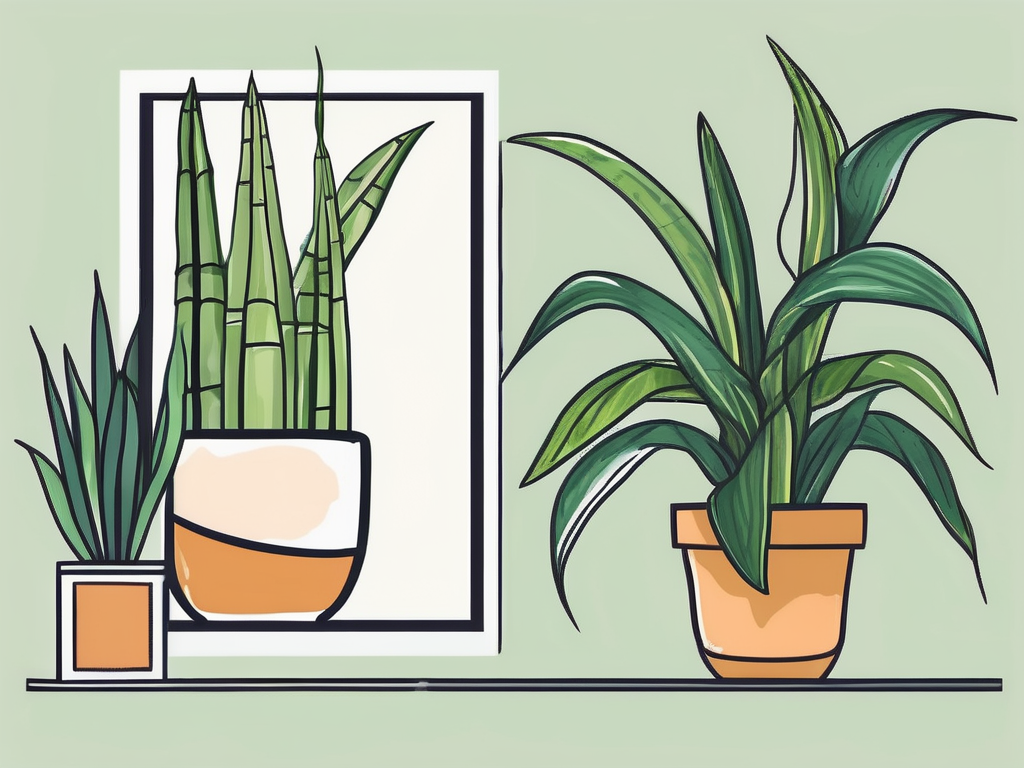
If you’re still worried about having a ficus in your home, there are plenty of other beautiful plants that won’t pose a risk to your feline companions. Here are some cat-friendly options:
- Spider Plant: Known for its lush, arching leaves, the spider plant is non-toxic and adds a fresh look to any room.
- Bamboo Palm: This plant not only purifies the air but is also safe for cats, making it a great addition to your indoor jungle.
- Boston Fern: These ferns are safe for cats and add a lovely, classic touch to your home decor.
These alternatives allow you to maintain a vibrant, plant-filled home without the worry of harm to your pets. Plus, they come with their own unique styles and benefits!
Tips for Keeping Curious Cats Away from Plants
Even with the best intentions, some cats just can’t resist the allure of a plant. If you’re struggling with a particularly persistent kitty, here are a few tricks to try:
- Use a Barrier: Place a physical barrier, like a decorative screen or mesh, around your plants to keep paws at bay.
- Make It Unappealing: Cats dislike certain scents, like citrus or vinegar. Use a spray with these scents to deter them.
- Playtime: Ensure your cat gets plenty of playtime and stimulation with toys and activities to keep them distracted from your plants.
Remember, patience is key when training your cat. It might take a little time, but with consistency, you can help them learn which areas are off-limits.
Communicating with Your Vet
Your veterinarian is your best ally when it comes to ensuring the safety of your cat. Regular check-ups and open communication about your home environment can help catch potential issues early. Here’s how you can work with your vet effectively:
- Share Information: Let your vet know about any new plants you bring into your home.
- Ask Questions: Don’t hesitate to ask about the safety of specific plants or symptoms to watch for.
- Keep Records: Maintain a list of all the plants in your home for easy reference during vet visits.
By building a strong relationship with your vet, you can ensure your cat remains healthy and happy, even in a plant-filled home.
Final Thoughts
In summary, while ficus plants can be toxic to cats, there are plenty of ways to enjoy them safely. By understanding the risks and implementing some practical tips, you can keep your home both stylish and pet-friendly.
If you're on the lookout for more plants, or you have questions about how to care for them, Cafe Planta is here to help. We offer a wide range of plants, accessories, and plant-themed apparel. Feel free to reach out to us by email or connect with us on Instagram. Whether you're new to the plant world or a seasoned pro, we're excited to share our passion for plants with you!