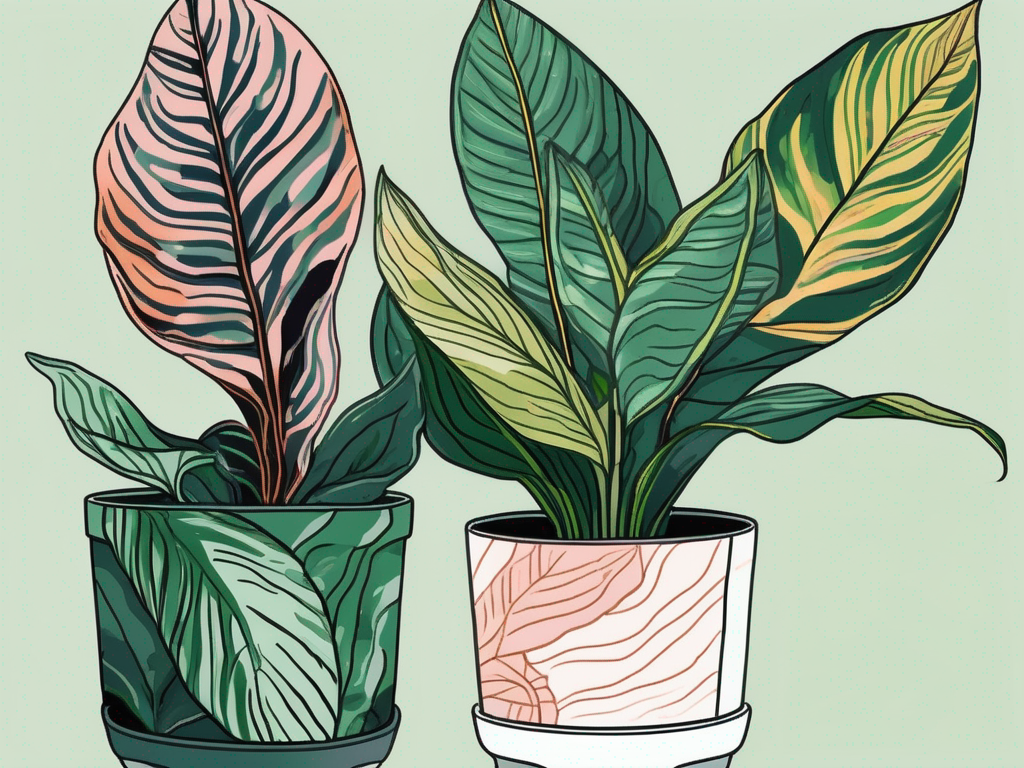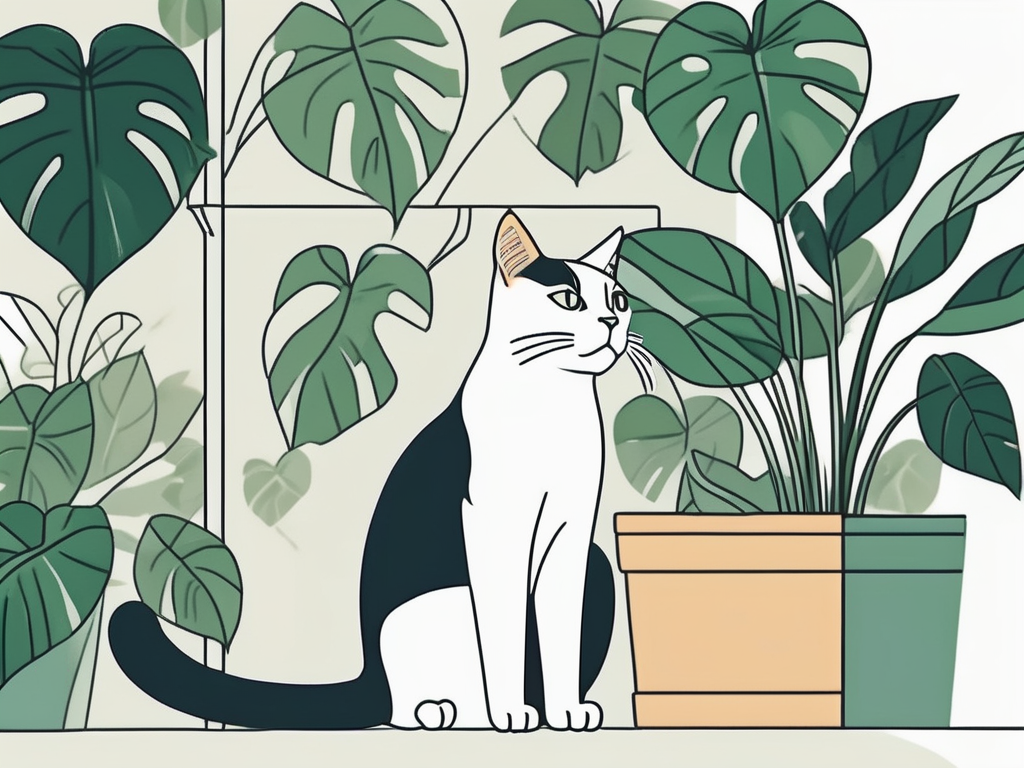
Philodendron Brasil is a popular houseplant choice for many plant lovers, thanks to its striking green and yellow variegated leaves and easy care requirements. However, if you're a cat owner, you might be wondering if this beautiful plant is safe for your feline friends. Cats have a knack for getting into everything, and it's essential to know which plants might pose a risk to their health.
In this article, we'll discuss whether Philodendron Brasil is toxic to cats, signs to watch for if your cat has ingested this plant, and what steps to take if exposure occurs. We'll also explore alternative pet-friendly plants that can add greenery to your home without endangering your furry companions. So, let's get into the details and keep our cats safe while enjoying the beauty of houseplants.
Is Philodendron Brasil Toxic to Cats?
Let's get right to the point: yes, Philodendron Brasil is toxic to cats. Like many plants in the Araceae family, it contains calcium oxalate crystals. These tiny, needle-shaped crystals can cause irritation and discomfort if ingested by cats. When a cat chews on the leaves or stems of the Philodendron Brasil, these crystals can penetrate the tissues in their mouth and throat, leading to a range of unpleasant symptoms.
This toxicity is not limited to cats—dogs and even humans can experience adverse reactions if they ingest parts of the plant. That said, it's essential to keep Philodendron Brasil out of reach of pets and small children to prevent accidental ingestion.
While Philodendron Brasil can cause discomfort and irritation, it's generally not life-threatening. However, it's always better to be cautious and prevent any potential issues by keeping the plant in a safe location.
Symptoms of Philodendron Brasil Toxicity in Cats
Recognizing the symptoms of Philodendron Brasil toxicity can help you act quickly if your cat has an unfortunate encounter with this plant. Some common signs to watch for include:
- Drooling: Ingesting the plant can cause excessive salivation due to irritation in the mouth.
- Oral pain: Your cat may paw at its mouth or show reluctance to eat or drink.
- Swelling: The mouth, tongue, and throat may become inflamed, leading to difficulty swallowing or breathing.
- Vomiting: Your cat may vomit as its body attempts to expel the plant material.
- Loss of appetite: The discomfort and pain can lead to a temporary loss of interest in food.
If you notice any of these symptoms, it's important to act promptly and seek veterinary advice.
What to Do If Your Cat Eats Philodendron Brasil
Accidents happen, and if you suspect that your cat has ingested Philodendron Brasil, there are a few steps you can take to ensure their safety:
- Remove the plant: Immediately remove the plant or any plant material from your cat's reach to prevent further ingestion.
- Rinse their mouth: Gently rinse your cat's mouth with water to help remove any remaining plant particles and reduce irritation.
- Contact your veterinarian: Call your vet for advice on the next steps. They may recommend bringing your cat in for an examination, depending on the severity of the symptoms.
- Monitor your cat: Keep a close eye on your cat for any changes in behavior or worsening symptoms. Report any concerns to your vet promptly.
Most cases of Philodendron Brasil ingestion are mild and can be managed with supportive care at home. However, it's always best to err on the side of caution and consult with a professional.
Creating a Cat-Friendly Plant Environment
As a cat owner, you might wonder how you can still enjoy houseplants without putting your furry friends at risk. Fortunately, there are plenty of pet-friendly plants that can beautify your home without posing a threat to your cats. Here are some great options:
- Spider Plant: These plants are safe for cats and have attractive arching leaves that can add a touch of greenery to any room.
- Boston Fern: Known for their lush foliage, Boston ferns are non-toxic to cats and can thrive in humid environments.
- Areca Palm: This elegant palm is safe for pets and can grow quite large, making it an excellent choice for filling empty corners.
- Calathea: With their striking patterns and colors, Calatheas are safe for cats and can add a pop of color to your space.
- Air Plants: These fascinating plants don't require soil and can be displayed in creative ways, all while being safe for your feline friends.
By choosing pet-friendly plants, you can enjoy the benefits of indoor greenery without worrying about your cat's safety.
Tips for Keeping Cats Away from Houseplants
Sometimes, despite our best efforts, curious cats can still find their way to our beloved plants. Here are some strategies to help keep your cats away from houseplants:
- Placement: Position your plants in areas that are difficult for your cats to access, such as high shelves or hanging planters.
- Deterrents: Use natural deterrents like citrus peels or vinegar, which cats typically dislike, to keep them away from plants.
- Cat grass: Provide your cats with their own pot of cat grass to chew on, which can help satisfy their urge to nibble on greenery.
- Training: Use positive reinforcement to teach your cats to stay away from plants. Reward them with treats or praise when they exhibit good behavior.
With a little creativity and planning, you can create a harmonious environment where both your plants and cats can coexist peacefully.
Understanding Plant Labels and Toxicity Information
When shopping for houseplants, it's important to pay attention to plant labels and any toxicity information provided. Many plant shops and nurseries will include details about a plant's toxicity, which can be invaluable for pet owners. Here are some tips for interpreting plant labels:
- Check for toxicity warnings: Look for labels or tags that specifically mention if a plant is toxic to pets.
- Research: If a plant's toxicity is not clearly labeled, do some quick research on your phone or ask a knowledgeable staff member for guidance.
- Refer to trusted resources: Use reputable websites or apps that specialize in plant toxicity to cross-reference and confirm the safety of a plant.
Being informed and proactive can help you make better choices when selecting plants for your home.
The Benefits of Houseplants for You and Your Cats
Houseplants offer numerous benefits beyond just aesthetics. For humans, they can improve air quality, reduce stress, and boost mood. But did you know that they can also benefit your cats?
Some pet-friendly plants, like cat grass, provide cats with a safe outlet for their natural chewing instincts. Having plants around can also stimulate your cat's senses, keeping them entertained and engaged. Just be sure to choose non-toxic options to ensure your cat's safety.
By incorporating the right plants into your home, you can create a more enriching environment for both you and your feline companions.
Alternatives to Philodendron Brasil
If you love the look of Philodendron Brasil but want to avoid any risks to your cats, consider these alternative plants that offer similar aesthetics without the toxicity:
- Pothos: While still mildly toxic, pothos is generally less harmful than philodendrons and can be an option if kept out of reach.
- Prayer Plant: With its colorful foliage and unique leaf movements, the prayer plant offers a similar visual appeal without the toxicity.
- Peperomia: These small, decorative plants come in various shapes and colors, making them a versatile and non-toxic choice.
By opting for these alternatives, you can enjoy beautiful greenery without compromising your cat's safety.
Final Thoughts
In summary, while Philodendron Brasil is a stunning houseplant, it poses a risk to cats due to its toxic nature. By understanding the symptoms and taking preventive measures, you can keep your feline friends safe while enjoying the benefits of indoor plants.
At Cafe Planta, we're passionate about helping you create a thriving plant environment in your home. Whether you're looking for pet-friendly plants or have questions about plant care, we're here to help. Feel free to email us or reach out on Instagram. Let's connect and grow together!