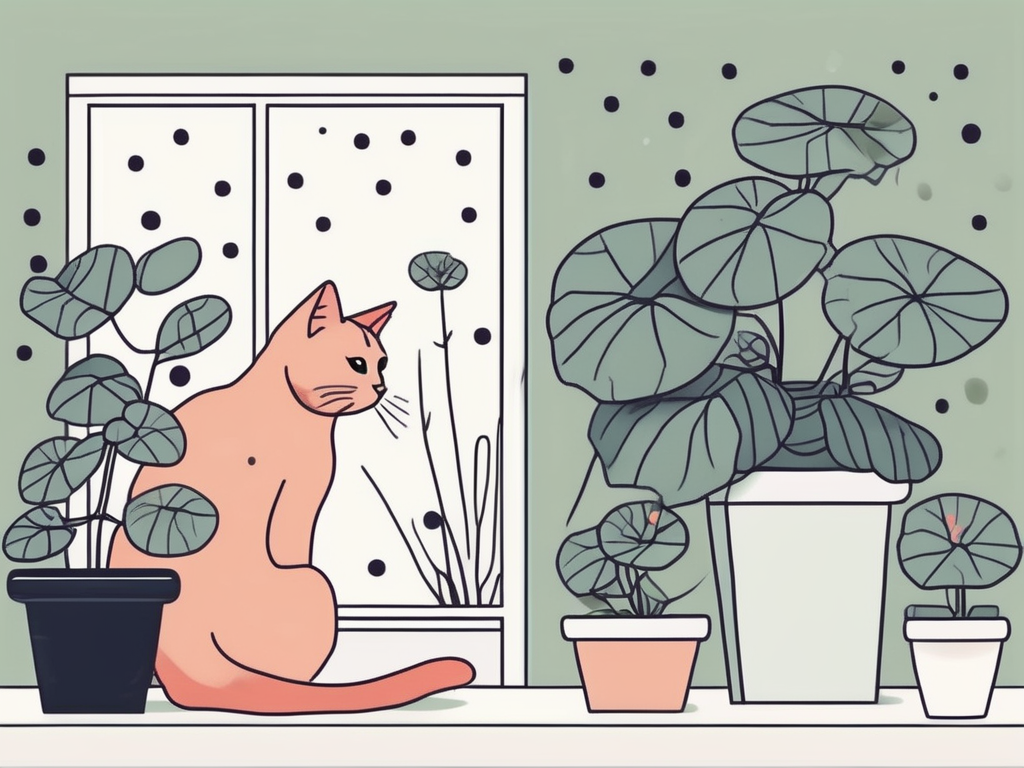
Houseplants bring life into our homes, and the Polka Dot Begonia is no exception. With its striking foliage and easy-care nature, it's a favorite among plant lovers. But if you're a cat owner, you might be wondering if it's safe to bring this charming plant into your home.
In this article, we'll explore whether the Polka Dot Begonia is toxic to cats, offer tips on keeping your feline friends safe, and delve into general plant care. Plus, we’ll sprinkle in some design ideas to make your space both pet and plant-friendly.
Understanding the Polka Dot Begonia
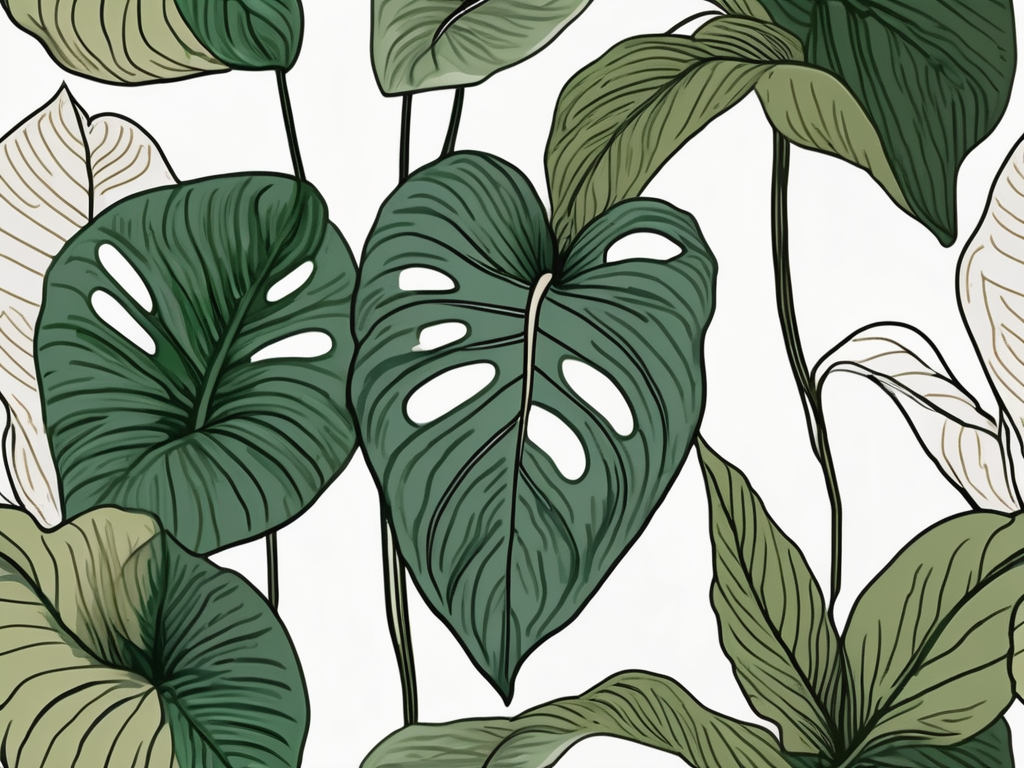
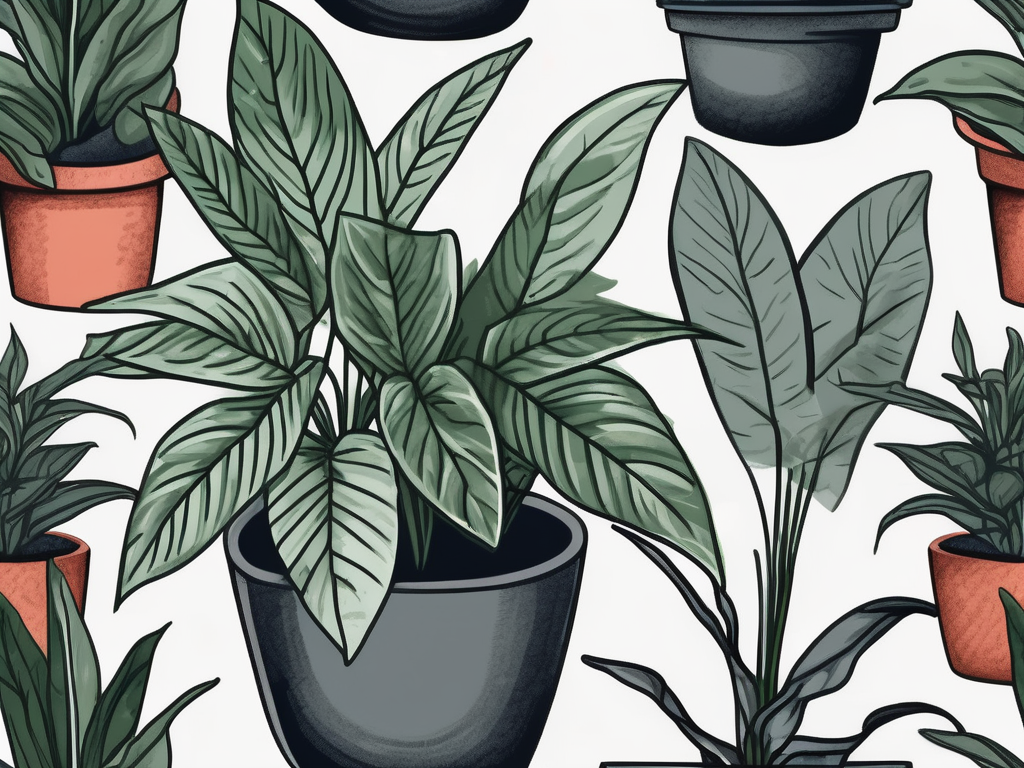
The Polka Dot Begonia, also known as Begonia maculata, is a showstopper with its angel-wing-shaped leaves adorned with bright polka dots. These plants are relatively easy to care for, making them popular among plant people. They thrive in indirect light and appreciate a bit of humidity, which means a kitchen or bathroom window can be an ideal spot.
While these beauties can brighten any room, their allure might also catch the attention of curious cats. It's no surprise that cat owners are cautious about introducing new plants into their homes. With the combination of stunning looks and easy maintenance, the Polka Dot Begonia is a plant worth considering—if it’s safe for your furry friends.
Is the Polka Dot Begonia Toxic to Cats?
Before you rush to bring a Polka Dot Begonia into your home, it's important to address the question of its safety around cats. Unfortunately, the Polka Dot Begonia is considered toxic to cats. Like many other Begonias, it contains soluble calcium oxalates. When ingested, these compounds can cause discomfort and health issues for your feline companions.
If your cat nibbles on the leaves or stems, they might experience symptoms such as drooling, vomiting, or difficulty swallowing. While these symptoms can be distressing, they are usually not life-threatening. However, it’s always best to err on the side of caution and consult your veterinarian if you suspect your cat has ingested any part of the plant.
Steps to Protect Your Cats
Knowing that the Polka Dot Begonia is toxic to cats doesn’t mean you have to miss out on its beauty. Here are some strategies to keep your plant and pets safe:
- Placement: Place the plant in a location that’s out of reach for your cat, such as a high shelf or a hanging basket.
- Training: Train your cat to stay away from plants. This can be done with positive reinforcement and by providing alternative distractions, like cat grass or toys.
- Barrier: Use barriers to keep your cat away from the plant. Plant stands with protective covers or decorative fencing can serve this purpose.
- Repellents: Consider using pet-safe plant repellents. These are often citrus-based and can deter cats from approaching plants.
With a little creativity, you can enjoy a Polka Dot Begonia and keep your cats safe at the same time.
Caring for Your Polka Dot Begonia
Once you've decided to bring a Polka Dot Begonia into your home, proper care is essential to keep it thriving. Here are some basic care tips:
- Light: Provide bright, indirect light. Direct sunlight can scorch the leaves, while too little light can cause leggy growth.
- Water: Keep the soil consistently moist but not soggy. Allow the top inch of soil to dry out between waterings.
- Humidity: These plants love humidity. Consider placing a humidifier nearby or using a pebble tray to increase moisture in the air.
- Temperature: Maintain a warm environment between 65-75°F (18-24°C).
- Fertilizer: Feed with a balanced, water-soluble fertilizer every 4-6 weeks during the growing season.
By following these guidelines, your Polka Dot Begonia can flourish and add a dash of charm to your home.
Creating a Pet-Friendly Plant Space
Creating a home that’s welcoming to both plants and pets can be a rewarding challenge. Here are some ideas to harmonize your green and furry friends:
- Choose Safe Plants: Opt for non-toxic plants like spider plants, Boston ferns, or areca palms, which are safe for cats and dogs.
- Vertical Gardens: Use vertical space to display plants. Wall planters or vertical garden systems can keep plants out of reach while adding greenery to your decor.
- Dedicated Plant Areas: Designate specific areas of your home for plants. Keep these zones separate from where your pets like to play or nap.
- Pet Zones: Create spaces specifically for your pets with toys, scratching posts, and pet-safe greenery like cat grass.
With these strategies, you can cultivate a harmonious environment that caters to the needs of both your plants and pets.
Design Tips for Plant Lovers with Cats
Balancing aesthetics and practicality is key when decorating with plants and pets. Here are some design tips to consider:
- Color Coordination: Choose pots and planters that complement your home’s color scheme. This can create a cohesive look while showcasing your plants.
- Layering: Use different heights and sizes of plants to create visual interest. Mix tall plants with short ones for a dynamic display.
- Texture Variety: Combine plants with different leaf textures and shapes. This adds depth and intrigue to your plant arrangements.
- Decorative Elements: Incorporate decorative elements like plant stands, macramé hangers, or decorative stones to enhance your plant display.
By integrating these design elements, you can create a space that’s as stylish as it is functional.
Common Mistakes When Caring for Polka Dot Begonia
Even with the best intentions, mistakes can happen. Here are some common pitfalls to avoid when caring for your Polka Dot Begonia:
- Overwatering: One of the most common mistakes is overwatering. Ensure the soil has proper drainage and allow the top layer to dry out before watering again.
- Inadequate Light: Polka Dot Begonias need bright, indirect light. Lack of light can lead to leggy growth and dull leaf color.
- Ignoring Humidity: These plants thrive in humid environments. Neglecting humidity can lead to brown leaf edges and poor growth.
- Skipping Fertilization: Regular feeding during the growing season is crucial for healthy growth. Don’t skip those fertilizer sessions.
By being mindful of these common errors, you can ensure your Polka Dot Begonia remains healthy and vibrant.
Alternatives to Polka Dot Begonia for Cat Owners
If you’re set on keeping your home cat-friendly but still want the charm of a Polka Dot Begonia, consider these non-toxic alternatives:
- Spider Plant: Known for its arching leaves and easy-care nature, the spider plant is a great choice for cat owners.
- Boston Fern: This lush fern is safe for pets and adds a tropical vibe to your space.
- Areca Palm: With its feathery fronds, the areca palm is non-toxic and brings a touch of elegance.
- Calathea: Offering a variety of patterns and colors, Calathea plants are non-toxic and visually striking.
These alternatives can provide the aesthetic appeal you’re looking for without compromising your cat’s safety.
Conclusion: Final Thoughts
In summary, while the Polka Dot Begonia is a stunning addition to any home, it comes with risks for cat owners. However, with mindful placement and care, you can still enjoy this plant safely.
At Cafe Planta, we’re here to support your plant journey. Whether you're looking for safe plant options or need advice, we're just a click away. Feel free to email us or reach out on Instagram. Let's grow together and bring a touch of nature into your home!