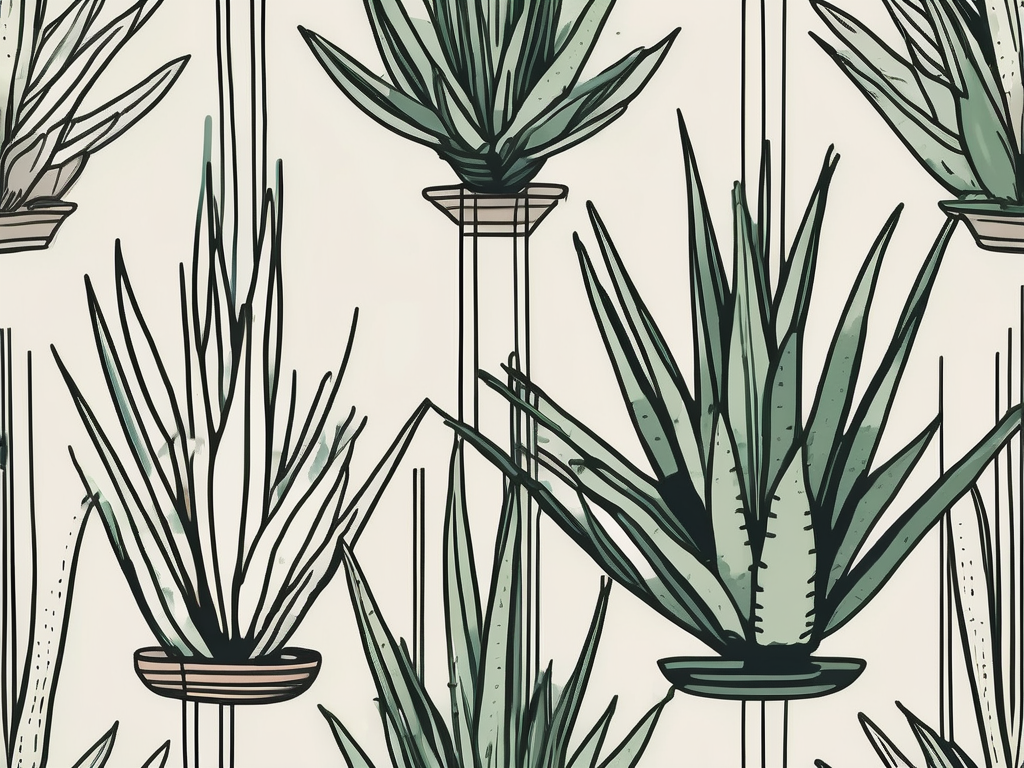
Staghorn ferns are fascinating plants that can add a touch of the exotic to any home. Their unique, antler-like fronds make them a favorite among plant lovers seeking something a little different. But, if you're a cat owner, you might wonder: "Is Staghorn Fern toxic to cats?" After all, keeping our furry companions safe is a top priority.
This article will explore the relationship between staghorn ferns and cats, addressing concerns about toxicity and offering tips on how to keep both your plants and pets happy. We'll also cover some general care tips for staghorn ferns and suggest alternative plants for those particularly concerned about pet safety.
Are Staghorn Ferns Toxic to Cats?
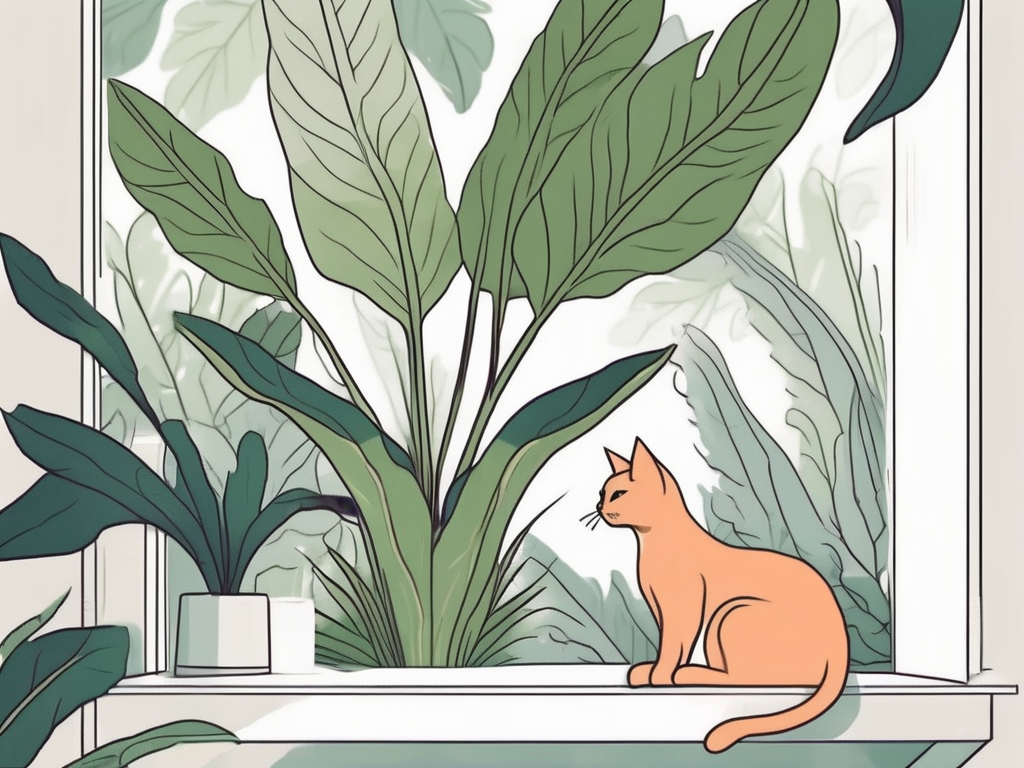
Let's get straight to the point: staghorn ferns are not toxic to cats. This is reassuring news for cat owners who love their plants just as much as their feline friends. Staghorn ferns, scientifically known as Platycerium, are generally considered safe for pets, meaning that if your curious kitty nibbles on a frond, it shouldn't cause any harm. However, it's always a good idea to monitor your cat for any unusual behavior after they snack on a houseplant, just to be safe.
That said, even though staghorn ferns are non-toxic, they aren't particularly nutritious for cats either. Ingesting large quantities could potentially cause some digestive upset, such as vomiting or diarrhea, mainly because cats aren't designed to digest plant materials. So, while you don't need to panic if your cat takes a nibble, it's wise to discourage them from making a habit of it.
To prevent your cat from repeatedly munching on your staghorn fern, you can try a few strategies:
- Place the fern out of reach, such as mounted on a wall or hanging from the ceiling.
- Use natural deterrents like citrus peels or sprays, as many cats dislike the smell.
- Provide alternative sources of safe plant material for your cat, like cat grass or catnip.
Understanding Cat and Plant Safety
While staghorn ferns are safe for cats, it's important to have a broader understanding of pet safety when it comes to houseplants. Many common houseplants can be toxic to pets, so being informed is crucial for any plant-loving pet owner. Some popular plants that are toxic to cats include lilies, philodendrons, and pothos. These can cause symptoms ranging from mild irritation to serious health issues.
When bringing a new plant into your home, always research its potential effects on pets. The ASPCA's website is a fantastic resource for checking the toxicity of various plants. Additionally, you can consult with your veterinarian for advice specific to your pet's health and lifestyle.
Aside from toxicity, consider other safety aspects:
- Ensure pots are stable and won't tip over if your cat brushes against them.
- Keep plants with delicate leaves out of high-traffic areas where they might be damaged.
- Use non-toxic fertilizers and pest control methods to avoid accidental poisoning.
General Care for Staghorn Ferns
Now that we've established their safety around cats, let's dive into how to care for these intriguing plants. Staghorn ferns are epiphytes, meaning they naturally grow on other plants or surfaces rather than in soil. This unique growing habit makes them an eye-catching addition to your home.
Here's a quick guide to keeping your staghorn fern healthy:
Light Requirements
Staghorn ferns thrive in bright, indirect light. Direct sunlight can scorch their leaves, so it's best to keep them in a spot where they receive filtered light. If you notice the leaves turning yellow, it might be a sign of too much sun exposure.
Watering
Watering a staghorn fern can be a bit different from your typical houseplant. They prefer to absorb moisture through their fronds, so misting is a great way to keep them happy. Additionally, you can soak the base of the plant in water for about 10-15 minutes every week or so, depending on the humidity in your home. Just be sure to let it dry out completely between waterings to prevent rot.
Mounting
Staghorn ferns are often mounted on boards or plaques, mimicking their natural growing environment. Use sphagnum moss as a base to hold moisture, and secure the plant with fishing line or twine. This setup not only looks fantastic but also provides the plant with the support it needs to grow.
Creating a Cat-Friendly Plant Space
For those with furry friends, creating a space that accommodates both cats and plants can be a delightful challenge. The key is to strike a balance between your love for plants and your cat's curious nature. Here are some tips to help you achieve this:
- Choose plants that are known to be non-toxic to pets. Some safe options include spider plants, Boston ferns, and bamboo palms.
- Designate specific areas for your plants where your cat isn't likely to tread. This could be a high shelf or a separate room.
- Incorporate cat-friendly plants like cat grass or catnip to give your cat something to enjoy without risking your other plants.
- Use barriers or covers for plants that are irresistible to your cat, like a wire mesh or a decorative screen.
By creating a thoughtful arrangement, you can enjoy the beauty of plants while ensuring your cat stays safe and entertained.
Alternative Plants for Pet Owners
While staghorn ferns are safe for cats, you might be interested in exploring other pet-friendly plants to expand your collection. Here are a few options that are both beautiful and non-toxic to cats:
- Spider Plant (Chlorophytum comosum): Known for its air-purifying qualities, this plant is easy to care for and safe for pets.
- Boston Fern (Nephrolepis exaltata): With its lush foliage, the Boston fern adds a touch of green without posing a risk to your furry friends.
- Areca Palm (Dypsis lutescens): This elegant palm is both non-toxic and a fantastic addition to brighten up your home.
- Calathea: Known for their striking leaf patterns, Calatheas are safe for pets and make a bold statement in any room.
Choosing pet-friendly plants allows you to enjoy a vibrant indoor garden without the worry of harming your pets.
Preventing Plant Damage from Cats
Even if your plants are non-toxic, cats can sometimes wreak havoc on your indoor garden. From knocking over pots to nibbling on leaves, those playful paws can cause more damage than you might expect. Here are some strategies to keep both your plants and your cat happy:
- Provide Distractions: Cats are naturally curious, so giving them alternative sources of entertainment can help. Cat trees, interactive toys, and scratching posts can divert their attention away from your plants.
- Use Physical Barriers: Consider placing plants in areas that are difficult for your cat to reach, such as on shelves or hanging planters. You can also use decorative screens to keep inquisitive paws away.
- Repellents: Some cats are deterred by the scent of citrus or vinegar. Spritzing a diluted solution around the base of your plants may discourage them from getting too close.
- Training: With patience, you can train your cat to avoid certain areas. A firm "no" and gentle redirection can help, as well as rewarding them with treats for good behavior.
By anticipating your cat's behavior and making small adjustments, you can create a peaceful coexistence between your plants and your feline friend.
Staghorn Ferns in Interior Design
Beyond their non-toxic nature, staghorn ferns are incredibly versatile in terms of interior design. Their sculptural appearance makes them perfect for adding interest to a room. Whether mounted on a wall or placed in a decorative pot, these ferns can complement various design styles, from minimalist to bohemian.
Consider the following ideas for incorporating staghorn ferns into your home:
- Wall Art: Mount staghorn ferns on wooden plaques and arrange them in a gallery wall style for a living art display.
- Hanging Gardens: Use macramé hangers to suspend your ferns from the ceiling, creating a floating garden effect.
- Table Centerpieces: Place smaller staghorn ferns in decorative bowls as a centerpiece for your dining or coffee table.
- Bathroom Oasis: Staghorn ferns thrive in humidity, making them an excellent choice for bathroom décor.
The possibilities are endless, and with their unique shape and texture, staghorn ferns are sure to make a statement in any space.
Common Misconceptions about Staghorn Ferns
Despite their popularity, staghorn ferns are sometimes misunderstood. Let's clear up a few common misconceptions about these captivating plants:
Misconception 1: Staghorn Ferns Need Soil
Unlike many houseplants, staghorn ferns don't require soil to grow. As epiphytes, they draw nutrients and moisture from the air, making them perfect for mounting on boards or using in hanging arrangements.
Misconception 2: They're Difficult to Care For
While staghorn ferns have unique requirements, they're not particularly difficult to care for once you understand their needs. With proper light, humidity, and occasional watering, they can thrive in a variety of indoor environments.
Misconception 3: Staghorn Ferns Are Delicate
Although they may look fragile, staghorn ferns are quite resilient. They can withstand varying conditions as long as they're not subjected to extreme temperatures or direct sunlight.
Understanding these misconceptions can help you better appreciate the beauty and adaptability of staghorn ferns, making them a valued addition to your plant collection.
Introducing Staghorn Ferns to Your Home
If you've been inspired to add a staghorn fern to your indoor jungle, you're in for a treat. These plants not only offer visual interest but also a touch of nature's artistry to your living space.
When introducing a new staghorn fern to your home:
- Acclimate Gradually: Allow your fern to adjust by placing it in its intended spot for a few days before mounting or hanging.
- Observe and Adjust: Keep an eye on the plant's health, and be willing to adjust its position or care routine based on its response.
- Embrace the Uniqueness: Each staghorn fern has its own growth pattern, so enjoy watching yours develop its distinct personality.
By taking the time to understand and care for your staghorn fern, you'll not only create a beautiful home environment but also ensure the well-being of both your plants and pets.
Final Thoughts
To sum it up, staghorn ferns are a safe and stunning option for cat owners who want to add some greenery to their homes. By understanding their care needs and creating a harmonious space for both plants and pets, you can enjoy the best of both worlds. Incorporating a variety of non-toxic plants into your home not only enhances your environment but also ensures that your furry friends stay healthy and happy.
Here at Cafe Planta, we love helping fellow plant lovers find the perfect additions to their indoor gardens. Whether you're curious about plant care or need advice on pet-safe options, feel free to email us or send a message on our Instagram. We're here to support you on your plant journey and connect with others who share a passion for nature and its beauty.