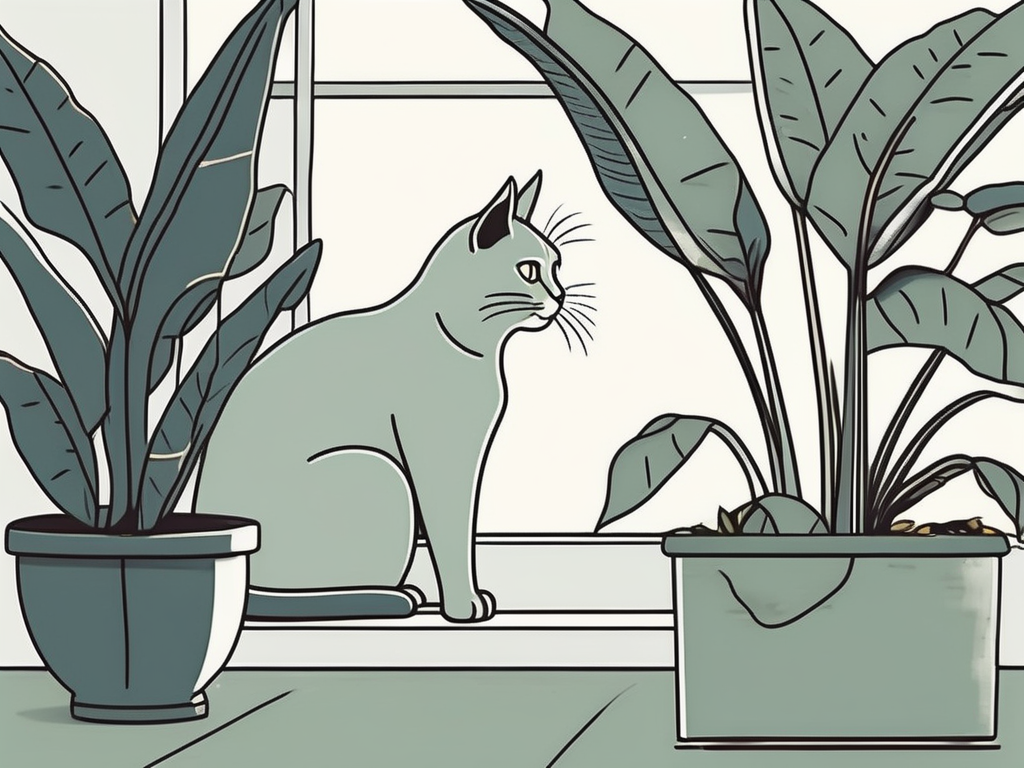
When you think about bringing a new plant into your home, the first thing that might cross your mind is how it will look with your decor. However, if you're a cat owner, there's another important factor to consider: Is this plant safe for my feline friend? One popular plant that often comes up in these discussions is the banana plant. It’s tropical, lush, and adds a beautiful touch to any room. But is it toxic to cats?
In this article, we'll talk about whether banana plants are safe for your furry companions. We'll also explore some general tips on choosing pet-friendly plants, how to maintain your banana plant for optimal health, and ways to integrate it into your home's interior design. By the end of this read, you'll have a clearer understanding of how to keep both your cats and your plants happy.
Are Banana Plants Toxic to Cats?
Let's address the big question right away: Are banana plants toxic to cats? The short answer is no, banana plants are not toxic to cats. According to the ASPCA, banana plants are listed as non-toxic to both cats and dogs. This means that if your cat decides to take a nibble out of your banana plant, you don't need to rush them to the vet.
However, while banana plants are not poisonous, that doesn't mean they're entirely risk-free. Cats are curious creatures, and even non-toxic plants can cause some digestive upset if ingested in large quantities. If your cat has a sensitive stomach, they might experience mild symptoms like vomiting or diarrhea after munching on any plant material.
To keep your plant and your pet safe, you might want to position the banana plant out of reach or use deterrents to discourage your feline from chewing on it. But in general, banana plants are a safe choice for homes with cats.
Why Choose a Banana Plant for Your Home?
Banana plants are not just for those who dream of a tropical paradise. They offer a lot more than just their aesthetic appeal. Here’s why you might consider adding one to your indoor garden:
- Aesthetic Appeal: With their large, glossy leaves, banana plants can make a bold statement in any room. They're perfect for creating that lush, tropical look.
- Air Purification: Like many other houseplants, banana plants help improve indoor air quality by filtering out toxins and releasing oxygen.
- Easy Maintenance: While banana plants do require some specific care to thrive, they're generally quite forgiving, making them suitable for both experienced plant parents and beginners.
- Non-toxic: As we’ve discussed, banana plants are safe for cats, which is a huge plus for pet owners.
Given these benefits, it's easy to see why banana plants are a popular choice for many plant people. They can elevate your living space while ensuring your furry friends are safe.
Creating a Cat-Friendly Plant Environment
Even if a plant isn't toxic, it’s essential to create an environment where your cat and plants can coexist peacefully. Here are some tips:
- Place Plants Strategically: Position your plants in areas that are less accessible to your cats. Use plant stands, wall mounts, or hanging planters to keep them out of reach.
- Provide Alternatives: Cats often chew on plants out of boredom or curiosity. Provide cat grass or catnip as an alternative to keep them entertained.
- Use Deterrents: You can use natural deterrents like citrus peels or diluted vinegar spray to discourage your cat from approaching the plants.
- Create a Cat Zone: Designate a specific area with cat-friendly plants and toys to keep your feline occupied and away from your more delicate plants.
By taking these steps, you can ensure both your plants and your cats thrive without getting in each other's way.
Basic Care for Your Banana Plant
Now that you know banana plants are safe for cats, let's explore how to take care of them. While they're relatively easy to maintain, banana plants do have specific needs to grow well indoors.
Light: Banana plants love bright, indirect light. Too much direct sunlight can scorch their leaves, while too little light can stunt their growth. A spot near a south or east-facing window is usually ideal.
Water: These plants prefer consistently moist soil, but they don't like to sit in water. Water when the top inch of soil feels dry, and ensure your pot has proper drainage to prevent root rot.
Humidity: As tropical plants, banana plants thrive in high humidity. If your home is dry, consider using a humidifier or placing a tray of water near the plant to increase humidity levels.
Temperature: Banana plants prefer warm temperatures, ideally between 75-95°F (24-35°C). Keep them away from drafts or cold windows during colder months.
By following these basic care tips, your banana plant will not only survive but thrive, adding a touch of the tropics to your home.
Dealing with Common Banana Plant Issues
Like any plant, banana plants can face a few challenges. Here are some common issues and how to deal with them:
- Yellowing Leaves: This can be a sign of overwatering. Ensure the pot has proper drainage and the soil isn't waterlogged.
- Brown Leaf Edges: This often indicates low humidity. Boost humidity around the plant by misting regularly or using a humidifier.
- Pests: Banana plants can attract pests like spider mites and aphids. Regularly check the leaves for signs of infestation and treat with insecticidal soap if necessary.
- Slow Growth: If your plant isn't growing, it might not be getting enough light. Try relocating it to a brighter spot.
By staying vigilant and addressing issues as they arise, you can keep your banana plant healthy and vibrant.
Incorporating Banana Plants Into Your Interior Design
Banana plants aren’t just about greenery—they can enhance your living space’s overall design. Here’s how to make the most of their beauty:
- Focal Point: Use your banana plant as a statement piece in the room. Its large, dramatic leaves can draw attention and serve as a natural focal point.
- Complementary Colors: Pair your banana plant with decor in complementary colors to create a cohesive look. Think earth tones, tropical prints, or even bold, contrasting hues.
- Mix and Match: Combine your banana plant with other houseplants of varying heights and textures to create a lush, layered effect.
- Furniture Placement: Place your banana plant near furniture pieces like a sofa or a reading chair to soften the lines and add a natural element to the space.
By thoughtfully incorporating your banana plant into your interior design, you can create a harmonious, inviting atmosphere that’s both stylish and welcoming.
Alternative Pet-Friendly Plants
If you're interested in expanding your plant collection, here are some other cat-safe options that pair beautifully with banana plants:
- Spider Plant: Known for their air-purifying abilities, spider plants are easy to care for and safe for cats.
- Areca Palm: Another tropical option, areca palms add a similar vibe to banana plants and are non-toxic to cats.
- Bamboo Palm: This plant offers a unique texture and is completely safe for feline friends.
- Boston Fern: With its lush, feathery fronds, the Boston fern is both beautiful and cat-friendly.
These plants can complement your banana plant and provide a diverse, pet-safe indoor garden that both you and your cat will love.
Keeping Cats Away from Plants
Despite your best efforts, you might find your cat occasionally chewing on your plants. Here are some additional strategies to help keep them away:
- Training: Use positive reinforcement to train your cat to stay away from plants. Reward them when they interact with their toys instead of your plants.
- Physical Barriers: Consider using decorative fences or screens around your plants to create a barrier.
- Repellents: Natural repellents like citrus sprays or diluted vinegar can deter cats without harming the plants.
- Distract and Redirect: Provide your cat with plenty of toys and activities to keep them occupied and less interested in your plants.
With patience and consistency, you can train your cat to coexist peacefully with your banana plant and other greenery.
Banana Plant Growth and Maintenance
Encouraging your banana plant to grow strong and healthy requires some regular maintenance. Here's what you need to know:
Pruning: Regularly trim any dead or yellowing leaves to encourage new growth and keep the plant looking neat.
Fertilization: During the growing season (spring and summer), feed your banana plant with a balanced fertilizer every two weeks to support its growth.
Repotting: Banana plants can grow quite large, so repotting every couple of years is necessary to provide space for their expanding root system. Choose a pot that is slightly larger than the current one to allow room for growth.
With these maintenance tips, your banana plant will flourish, providing you with a vibrant addition to your home decor.
Final Thoughts
To sum it all up, banana plants are not toxic to cats and can be a lovely addition to your home, providing aesthetic value and air purification benefits. With the right care and precautions, you can enjoy the beauty of a banana plant without compromising your cat’s safety.
At Cafe Planta, we're passionate about helping you find the perfect plants for your home, along with the accessories you need to keep them thriving. If you have any questions about plant care or want to share your plant journey with us, feel free to email us or reach out via Instagram. We're excited to support you in creating a beautiful, green sanctuary in your space.