Ever looked at a Polka Dot Begonia and thought, "Wow, what a stunning plant!"? You're not alone. With its striking spotted leaves and elegant growth habit, this plant has charmed its way into the hearts of many plant lovers. But as with many beautiful things in life, there's a question that naturally arises: Is the Polka Dot Begonia poisonous?
In this article, we'll unravel the mystery surrounding the Polka Dot Begonia's toxicity. Along the way, we'll explore its care requirements, share some styling ideas for your home, and touch on what you need to know to keep your pets and family safe. Whether you're a seasoned plant parent or just dipping your toes into the world of houseplants, there's something here for everyone.
Understanding the Polka Dot Begonia
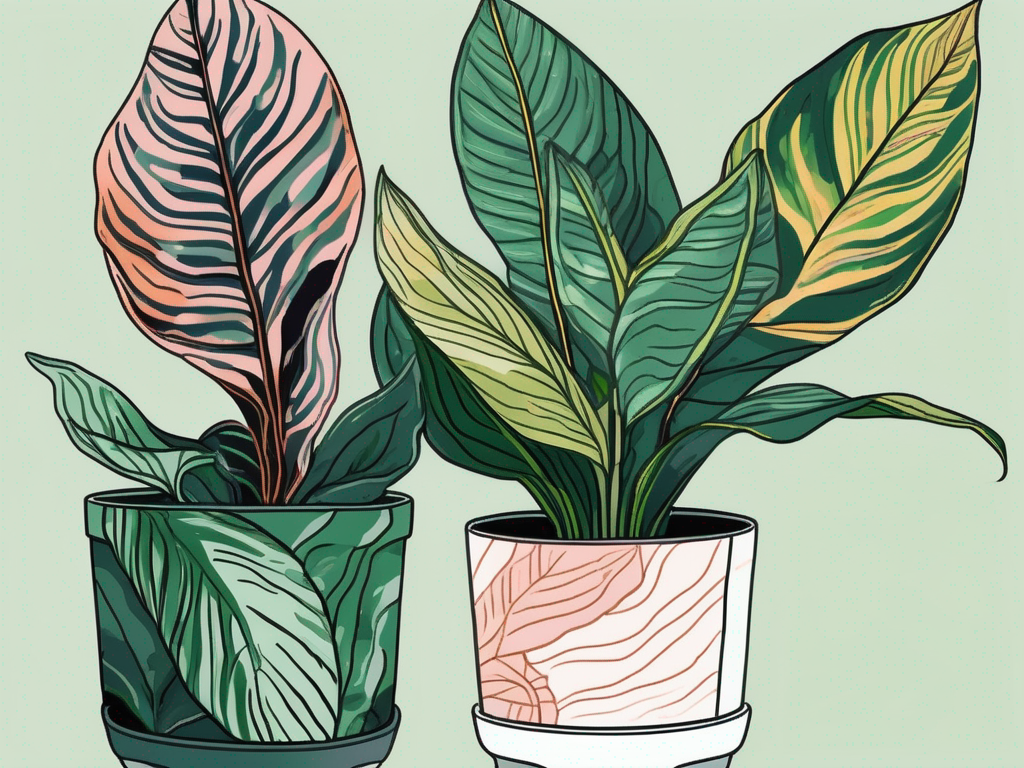
The Polka Dot Begonia, also known as Begonia maculata, is a standout member of the Begonia family. It's famous for its unique, angel-wing-shaped leaves adorned with polka dot patterns, which give it an almost whimsical appearance. Originating from the tropical forests of Brazil, this plant thrives in warm, humid environments. But don't worry, it can adapt to indoor conditions with the right care.
Light is crucial for the Polka Dot Begonia. It loves bright, indirect sunlight, which helps maintain its vibrant leaf patterns. Too much direct sunlight, though, can scorch those lovely leaves. Think of it as a friend who enjoys a sunny day but needs a bit of shade to avoid sunburn.
When it comes to watering, it's important to strike a balance. The soil should be kept moist but not soggy. Overwatering can lead to root rot, a common pitfall for many houseplants. A good rule of thumb is to let the top inch of soil dry out before watering again. This way, you're giving your plant just what it needs without drowning it.
Polka Dot Begonia: Toxicity Explained
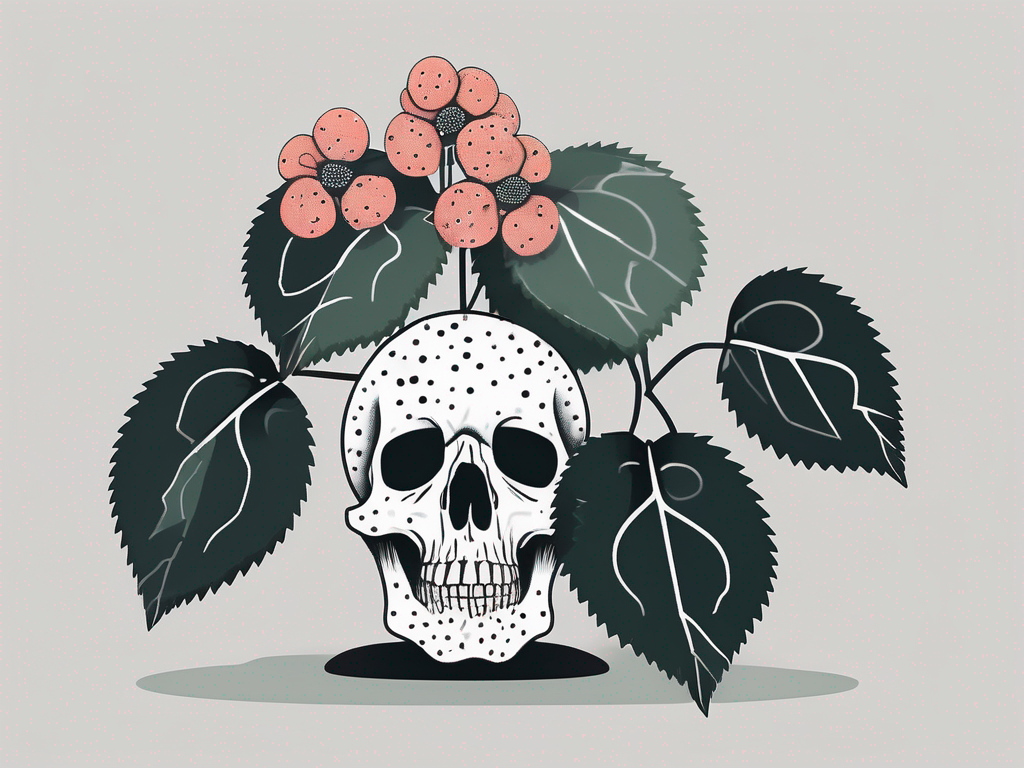
Now, onto the burning question: Is the Polka Dot Begonia poisonous? The short answer is yes, but let's break it down a bit. Like many Begonias, the Polka Dot Begonia contains soluble calcium oxalates. These compounds can cause irritation when ingested by pets or humans, leading to symptoms such as mouth and throat irritation, excessive drooling, and vomiting.
While these symptoms are usually mild and not life-threatening, they can be uncomfortable. The best course of action is to keep the plant out of reach of curious pets and small children. If ingestion does occur, it's wise to consult a healthcare professional or veterinarian for advice. Better safe than sorry, right?
Interestingly enough, despite its toxicity, the Polka Dot Begonia remains a popular choice for many plant lovers. Its striking appearance and relatively easy care requirements make it a worthwhile addition to any home, provided you take some precautions to keep everyone safe.
Caring for Your Polka Dot Begonia
So, you’ve decided to bring a Polka Dot Begonia into your home. Great choice! These plants can be quite rewarding with a little bit of TLC. Here's a quick guide to help you keep your plant happy and healthy.
- Light: As mentioned earlier, bright, indirect light is ideal. Too much direct sun can damage the leaves, while too little light can dull their colors.
- Water: Aim to keep the soil consistently moist. Allow the top inch to dry out between waterings. This will prevent root rot while ensuring your plant gets enough hydration.
- Humidity: Being tropical, the Polka Dot Begonia appreciates higher humidity. If your home is on the drier side, consider using a humidifier or placing a tray of water near the plant.
- Temperature: Keep it in a warm environment, ideally between 65°F and 75°F (18°C to 24°C). Avoid drafts or sudden temperature changes.
- Feeding: During the growing season (spring and summer), feed your Begonia with a balanced, water-soluble fertilizer every couple of weeks.
With these tips, your Polka Dot Begonia should thrive and continue to be a stunning focal point in your home.
Incorporating Polka Dot Begonia into Your Home Decor
Besides being a conversation starter, the Polka Dot Begonia can really elevate your home decor. Its unique appearance makes it a versatile piece that can fit into various design styles, from modern to bohemian.
For a minimalist look, consider placing your Begonia in a simple, neutral-colored pot. This will allow the plant's natural beauty to take center stage. Alternatively, if you're a fan of the eclectic style, go bold with a colorful or patterned pot that complements the dots on the leaves.
Hanging planters are another great option, especially if you're short on space. The cascading nature of the Polka Dot Begonia's growth habit looks stunning when allowed to drape over the edges of a hanging basket.
Pairing the Begonia with other plants can also create a lush indoor jungle. Consider mixing it with plants that have contrasting textures or colors, like ferns or snake plants. This will create a dynamic and visually interesting display.
Safety Tips for Pet Owners
If you have pets, especially those who like to nibble on plants, the Polka Dot Begonia requires a bit more planning. While it’s not deadly, ingestion can make your furry friends quite uncomfortable.
One effective strategy is to place the plant in areas that are difficult for pets to reach. High shelves or hanging planters can work well. Just make sure these locations still provide the necessary light conditions for your Begonia.
Training your pets to avoid plants can also be helpful, though it takes some patience. Sprinkling cayenne pepper or using pet-safe deterrent sprays around the plant can discourage curious critters.
If you notice any signs of ingestion, such as drooling or vomiting, contact your vet for guidance. They can provide advice on how to alleviate your pet's discomfort and ensure they recover quickly.
Dealing with Common Pests and Problems
Like any houseplant, the Polka Dot Begonia can fall victim to pests and other issues. The most common pests are spider mites and whiteflies, which can be a nuisance but are usually manageable with prompt action.
If you spot any tiny invaders, start by isolating the affected plant to prevent the pests from spreading. Then, you can try washing the leaves with a gentle soap solution or using an insecticidal soap or neem oil. Regularly checking your plants can help you catch any issues early and keep them from getting out of hand.
Root rot is another concern, often caused by overwatering. If you notice yellowing leaves and a soggy soil, it's time to take action. Remove the plant from its pot, trim away any affected roots, and repot in fresh, well-draining soil. Adjust your watering habits going forward to prevent recurrence.
Propagating Your Polka Dot Begonia
If you’ve fallen head over heels for your Polka Dot Begonia, why not try propagating it? It's a fun and rewarding process that allows you to grow new plants from cuttings.
To propagate, choose a healthy stem with a few leaves. Using a clean, sharp pair of scissors, cut just below a node (where the leaf meets the stem). Remove the lower leaves and place the cutting in a jar of water, ensuring the remaining leaves aren't submerged.
Place the jar in a spot with bright, indirect light and change the water every few days. In a few weeks, you should see roots beginning to form. Once the roots are a few inches long, you can pot the cutting in soil and care for it as you would a mature plant.
Propagation can be a great way to share your love of Polka Dot Begonias with friends or expand your own collection. Plus, watching new plants grow is always satisfying!
Choosing the Right Soil and Pot
The right soil and pot are crucial for the health of your Polka Dot Begonia. These plants prefer a well-draining potting mix, which helps prevent water from sitting around the roots. A mix designed for African violets or a general-purpose indoor potting mix with added perlite can work well.
When it comes to pots, choose one with drainage holes. This allows excess water to escape and prevents the dreaded root rot. The size of the pot is also important: too large, and the soil can retain too much moisture; too small, and the plant can become root-bound. A pot that's just slightly larger than the root ball is usually ideal.
Repotting should be done every couple of years or when you notice the plant outgrowing its current home. This gives the roots more room to grow and allows you to refresh the soil, ensuring your Begonia continues to thrive.
Final Thoughts
The Polka Dot Begonia, with its enchanting leaves and manageable care needs, is a wonderful addition to any home. While it's important to be mindful of its toxicity, this plant can coexist safely with pets and children with a few precautions. Remember to provide the right light, water, and humidity, and you'll have a thriving Begonia that's sure to impress.
At Cafe Planta, we love helping people discover the joy of houseplants. We offer a variety of plants, including the charming Polka Dot Begonia, along with care accessories and fun plant-themed apparel. If you have any questions, feel free to email us or reach out on Instagram. We're here to support your plant journey every step of the way!