Have you ever looked at your wax begonia and wondered if it's safe for your feline friend? Many pet owners find themselves in this predicament, trying to balance a love for houseplants with a safe environment for their cats. These charming plants are popular not just for their vibrant blooms but also for their easy care, making them a staple in many homes.
In this article, we'll explore whether wax begonias pose any risk to cats. We'll also touch on how to care for your plants and create a harmonious space that accommodates both your green thumb and your furry companions. So, let's get to the bottom of this plant-pet conundrum and ensure your home is both beautiful and safe.
Understanding Wax Begonias
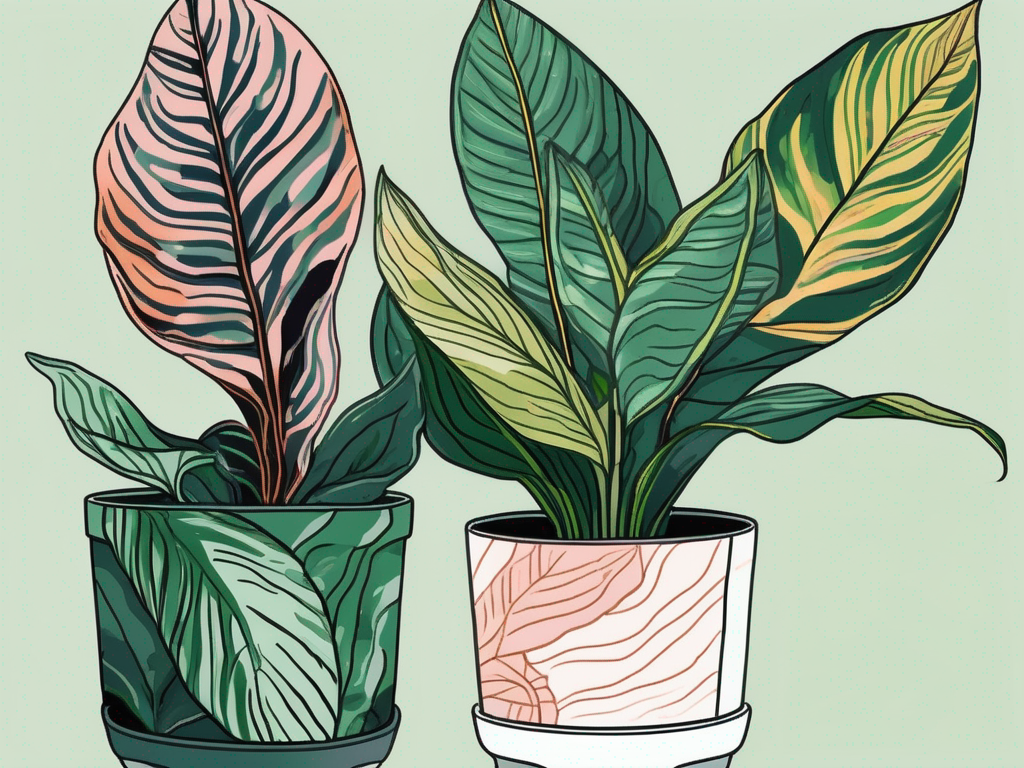
Wax begonias are a popular choice among plant lovers due to their stunning appearance and relatively low maintenance needs. Known scientifically as Begonia x semperflorens-cultorum, these plants are appreciated for their glossy leaves and bright blooms, which come in shades of red, pink, white, and even bicolor combinations. They add a splash of color to any indoor setting, which is why they're often a top pick for both beginners and seasoned plant parents.
The wax begonia is a perennial plant, meaning it can live for more than two years under the right conditions. It's a great choice for those who want a long-lasting addition to their indoor garden. They thrive in bright, indirect light and prefer a well-draining soil mix, which helps prevent root rot—a common issue with many houseplants. Regular watering is important, but be careful not to overdo it, as begonias don't like soggy soil.
With their manageable size and ability to adapt to various indoor environments, wax begonias are often found in living rooms, kitchens, or even office spaces. Their aesthetic appeal makes them a versatile choice for interior design, easily complementing a wide range of decor styles.
Are Wax Begonias Toxic to Cats?
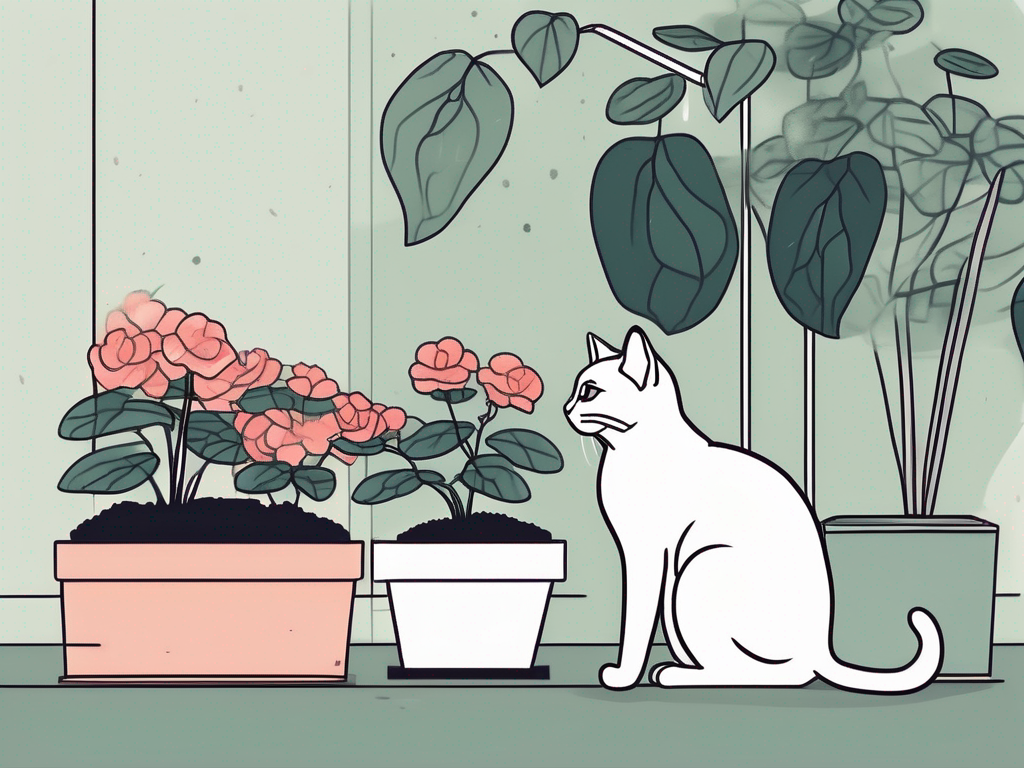
Now, onto the pressing question: are wax begonias toxic to cats? The short answer is yes. While they might be a feast for the eyes, they can pose a risk to your feline friends. Wax begonias contain soluble calcium oxalates, which can be harmful if ingested by cats. These compounds can cause irritation in the mouth and gastrointestinal tract, leading to symptoms like drooling, vomiting, and difficulty swallowing.
If you suspect your cat has nibbled on a wax begonia, it's important to keep an eye out for these symptoms. While the ingestion of a small amount might not be life-threatening, it can still cause discomfort and distress for your pet. In severe cases, or if you’re unsure about the amount ingested, it’s always best to consult with a veterinarian to ensure your cat receives appropriate care.
It's also worth noting that cats are curious creatures by nature. Even if a plant isn't immediately appealing, the texture or movement of leaves can entice a playful swat or nibble. This natural curiosity is why it's crucial to assess the safety of all plants within a cat-accessible space.
Creating a Cat-Friendly Plant Space
So, how do you keep your houseplants while ensuring your cats stay safe and healthy? The key is to create a cat-friendly plant space. This involves a little bit of strategy and creativity, but it's entirely doable. Start by positioning your wax begonias and other potentially toxic plants in spots that are out of reach for your cats. High shelves, hanging planters, or wall-mounted plant holders can be great solutions.
If your cat is particularly adventurous and finds a way to access these areas, consider using deterrents. You could try placing double-sided tape around the plant's base, as cats typically dislike the sticky texture. You might also consider using a deterrent spray, which is harmless to cats but discourages them from getting too close.
Another option is to introduce cat-friendly plants into your home. Cat grass, catnip, and certain types of ferns are not only safe but can also be enticing to cats, providing them with a dedicated plant to interact with. By offering these alternatives, you might find your cat is less interested in your wax begonias.
Choosing Pet-Safe Plants
While wax begonias are beautiful, they're not the only option for plant-loving cat owners. Plenty of pet-safe plants can add just as much beauty to your home without the worry. Here are some cat-friendly choices to consider:
- Spider Plant: Easy to care for and grows quickly, adding lush greenery to your space.
- Bamboo Palm: A bit of tropical flair that’s safe for cats.
- Boston Fern: A classic choice that’s non-toxic and adds a touch of elegance.
- Calathea: Known for its striking leaf patterns, this plant is safe for your furry friends.
- Areca Palm: Another palm variety that's safe and adds a beautiful touch to interiors.
These plants can provide the aesthetic appeal you're looking for while keeping your home a safe haven for cats. Plus, with the variety of shapes, sizes, and colors available, you're sure to find something that suits your taste and complements your decor.
Caring for Wax Begonias
If you've decided to keep wax begonias in your home, understanding their care requirements is important to ensure they thrive. As mentioned earlier, they prefer bright, indirect light. Direct sunlight can scorch their leaves, while too little light can result in fewer blooms. A north-facing window or a spot with filtered light is often ideal.
When it comes to watering, aim for a consistent schedule. Allow the top inch of soil to dry out before watering again. This helps prevent root rot, which is a common issue with over-watered begonias. During the growing season, typically spring and summer, you might need to water more frequently, while in the fall and winter, you can scale back a bit.
Fertilizing can also help keep your wax begonias in peak condition. Use a balanced, water-soluble fertilizer every 4-6 weeks during the growing season. This provides the nutrients they need to produce those stunning blooms and maintain healthy foliage.
Pruning is another aspect of care that can help your wax begonias look their best. Regularly remove dead or yellowing leaves, as well as spent blooms, to encourage new growth. This also helps maintain the plant's shape and prevents it from becoming too leggy.
Dealing with Pests and Diseases
Like any plant, wax begonias can occasionally face pest and disease issues. Common pests include aphids, spider mites, and whiteflies. These tiny invaders can be managed with regular inspection and prompt action. A gentle spray of water can dislodge them, or you can use insecticidal soap or neem oil for more persistent infestations.
Fungal diseases, such as powdery mildew or botrytis, can also affect wax begonias, especially in humid conditions. Ensuring good air circulation around the plants and avoiding overhead watering can help reduce the risk of these diseases. Removing affected leaves promptly can also prevent the spread of infection.
If you notice any signs of pests or disease, it's important to act quickly. Isolate the affected plant to prevent the issue from spreading to others, and follow appropriate treatment steps to nurse your begonia back to health.
Incorporating Wax Begonias into Your Interior Design
Wax begonias aren't just about their beauty; they're also a versatile tool for interior design. Their vibrant colors and lush foliage can add a touch of nature to any room, creating a warm and inviting atmosphere. Here are some ways to incorporate them into your home decor:
- Color Coordination: Pair the blooms with your existing color scheme. For instance, red begonias can complement warm-toned rooms, while pink or white varieties might suit more neutral or pastel palettes.
- Grouping Plants: Create a mini indoor garden by grouping begonias with other houseplants. This can create a focal point in a room, such as a living room corner or a kitchen window sill.
- Decorative Pots: Choose pots that enhance the aesthetic of your space. Sleek, modern pots can add a contemporary feel, while rustic or ceramic options might lend a bohemian touch.
- Vertical Gardens: Consider using wall-mounted planters or shelves to display your begonias, adding depth and visual interest to your decor.
By thinking creatively, you can use wax begonias to enhance your living space while enjoying their natural beauty.
Balancing Plant Care with Pet Safety
Maintaining a home that's both plant-filled and safe for pets can feel like a juggling act, but it's entirely achievable with a bit of planning. Start by educating yourself on which plants are safe and which pose risks to your pets. This knowledge allows you to make informed decisions about which plants to bring into your home.
Consider your cat's behavior, too. If your feline friend is particularly curious or mischievous, you might need to be more vigilant about plant placement and use deterrents more frequently. On the other hand, if your cat shows little interest in your plants, your job becomes a bit easier.
Ultimately, the goal is to create a harmonious environment where both your plants and pets can thrive. By understanding the needs and behaviors of both, you can enjoy all the benefits of indoor gardening without compromising your cat's safety.
Final Thoughts
Wax begonias are a beautiful addition to any home, but pet owners should be mindful of their potential risks. By understanding the needs of both your plants and pets, you can create a space that's both vibrant and safe.
At Cafe Planta, we're passionate about helping you find the perfect plants for your home. Whether you're looking for pet-friendly options or advice on plant care, we're here to help. Feel free to email us, message us on Instagram, or visit our shop to explore our collection. Let's connect and share our love of plants together!