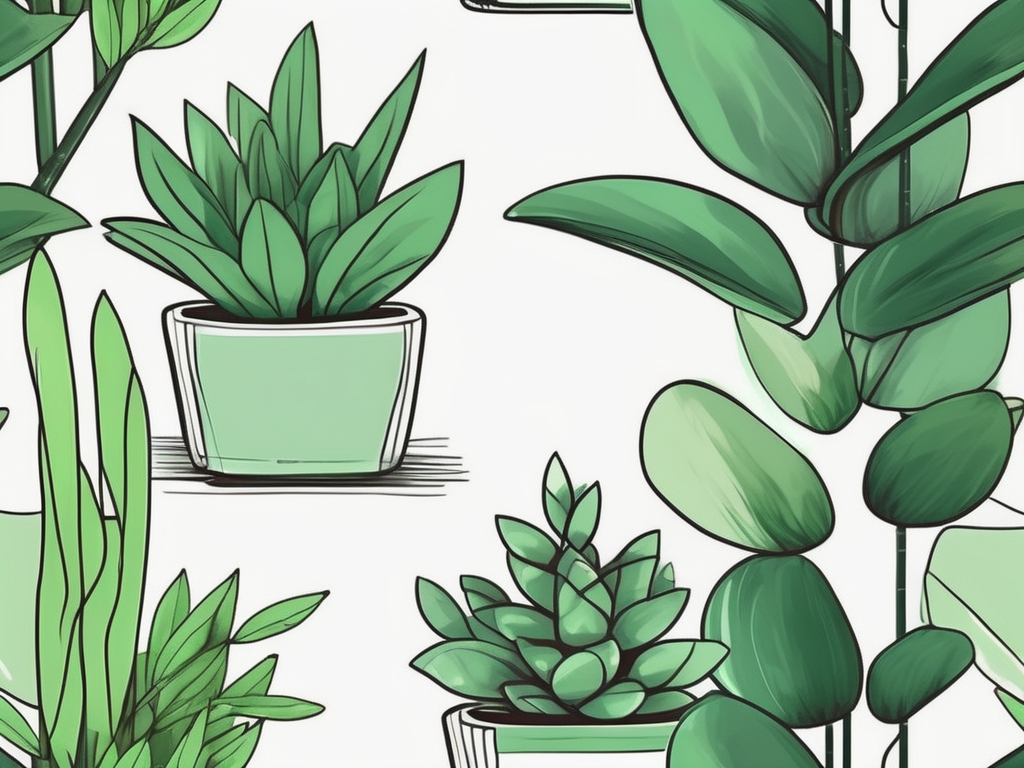
When it comes to adding a touch of green to your living space, two popular choices often come to mind: the Jade Plant and Lucky Bamboo. Both of these plants are not just beautiful but also known for their easy care. However, they have distinct characteristics that might make one more suitable for your home than the other.
In this post, we'll explore the differences between Jade Plants and Lucky Bamboo, covering everything from their care requirements to their symbolic meanings. Whether you're a seasoned plant parent or just starting your plant journey, this guide will help you make an informed decision about which plant to invite into your home.
Understanding Their Origins
Let's start with where these plants come from. The Jade Plant, also known as Crassula ovata, hails from South Africa. It's a succulent, meaning it's adapted to store water in its leaves, making it quite drought-resistant. This trait makes it a favorite among those who might forget to water their plants from time to time!
On the flip side, Lucky Bamboo, or Dracaena sanderiana, might surprise you with its name. Despite its bamboo-like appearance, it's not actually bamboo. Native to Central Africa, Lucky Bamboo thrives in water, which is a stark contrast to the Jade Plant's dry preference. This plant is often associated with feng shui, believed to bring good luck and positive energy to its surroundings.
Understanding these origins can give you a glimpse into their care needs, which we'll dive into next.
Appearance: Spotting the Differences
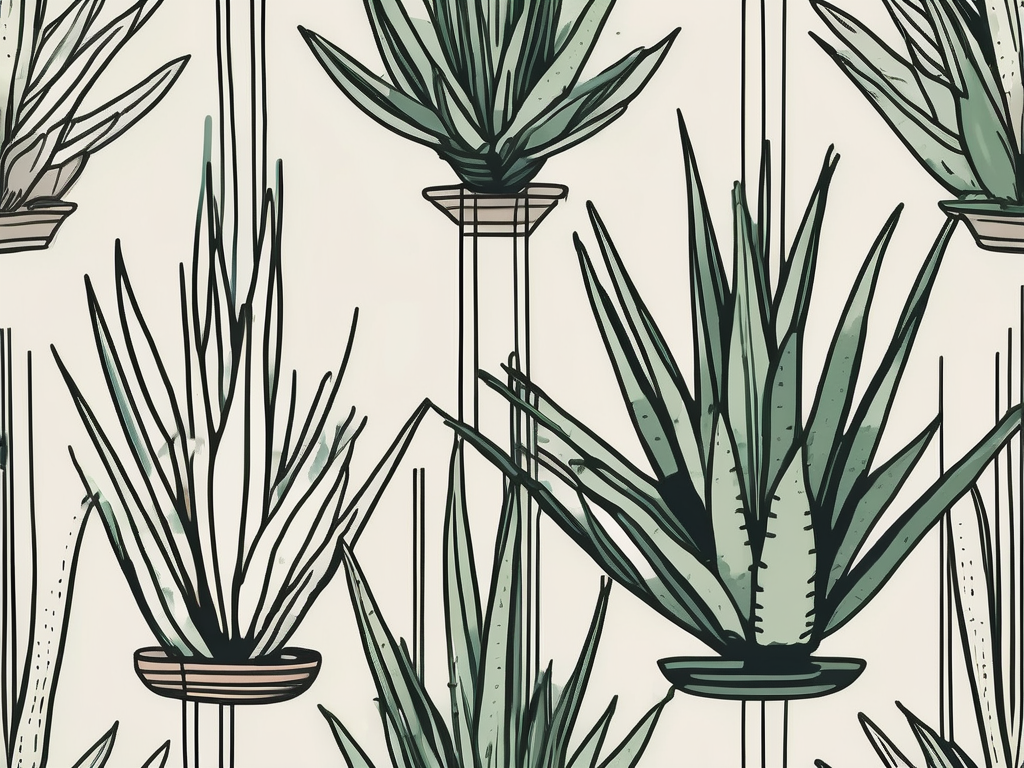
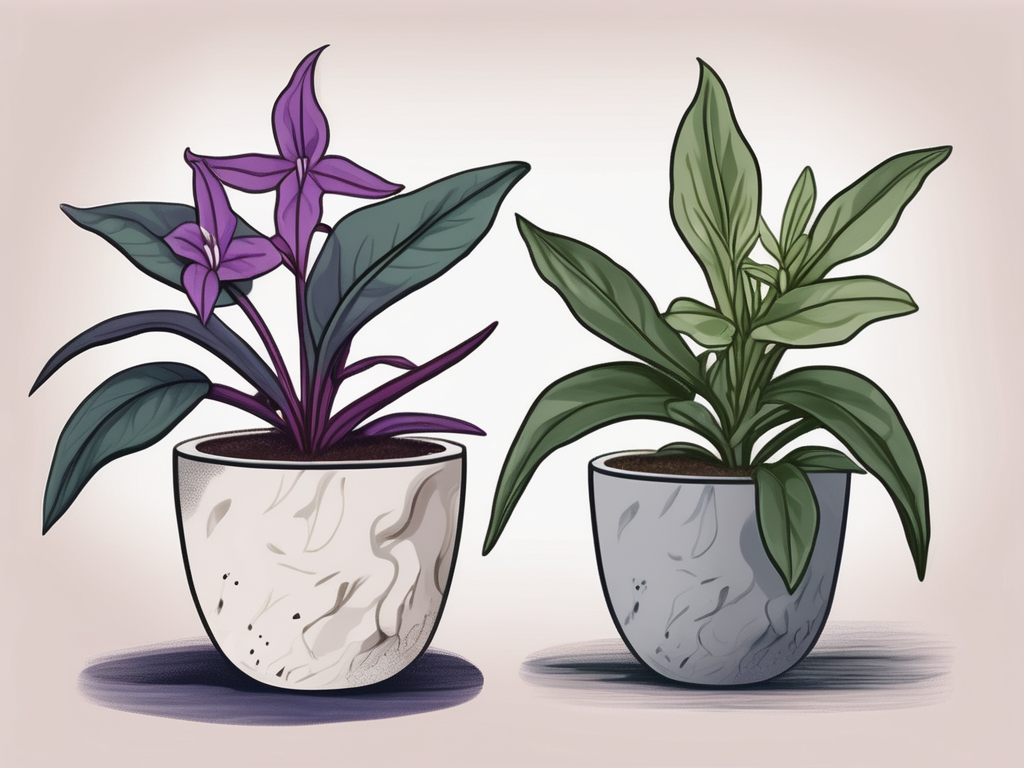
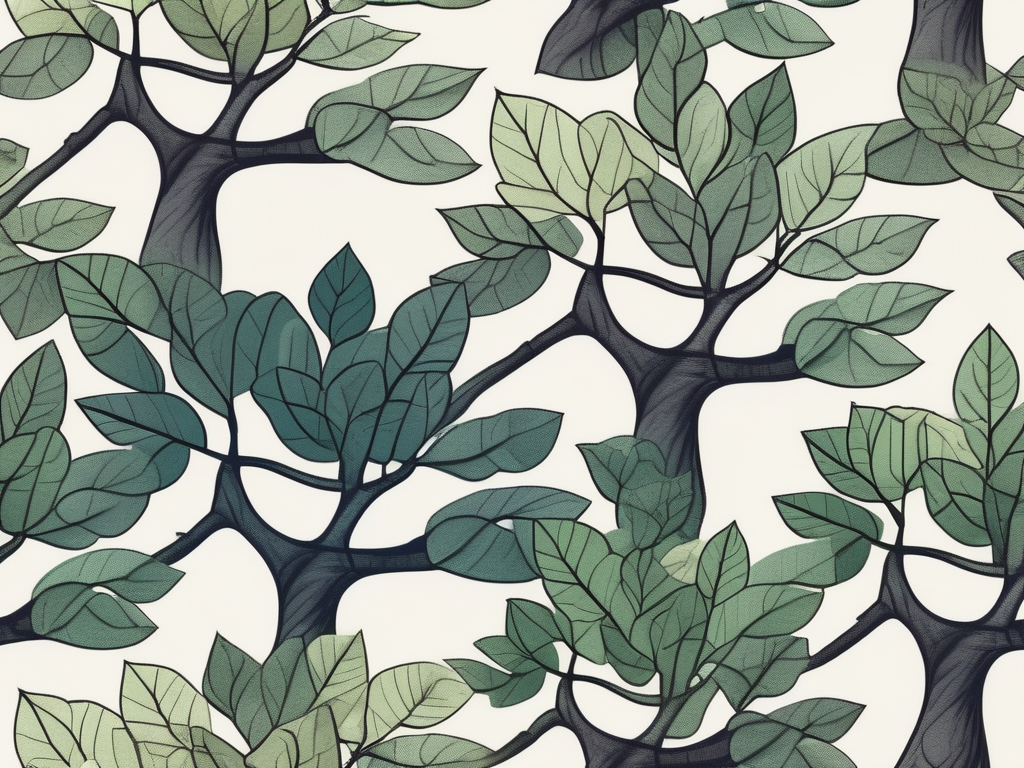
While both plants are visually appealing, they have unique looks that might suit different aesthetic preferences. The Jade Plant is a classic succulent with thick, fleshy leaves that can sometimes appear glossy. Its leaves are typically oval-shaped, and with proper sunlight, they can develop a beautiful red tinge along the edges.
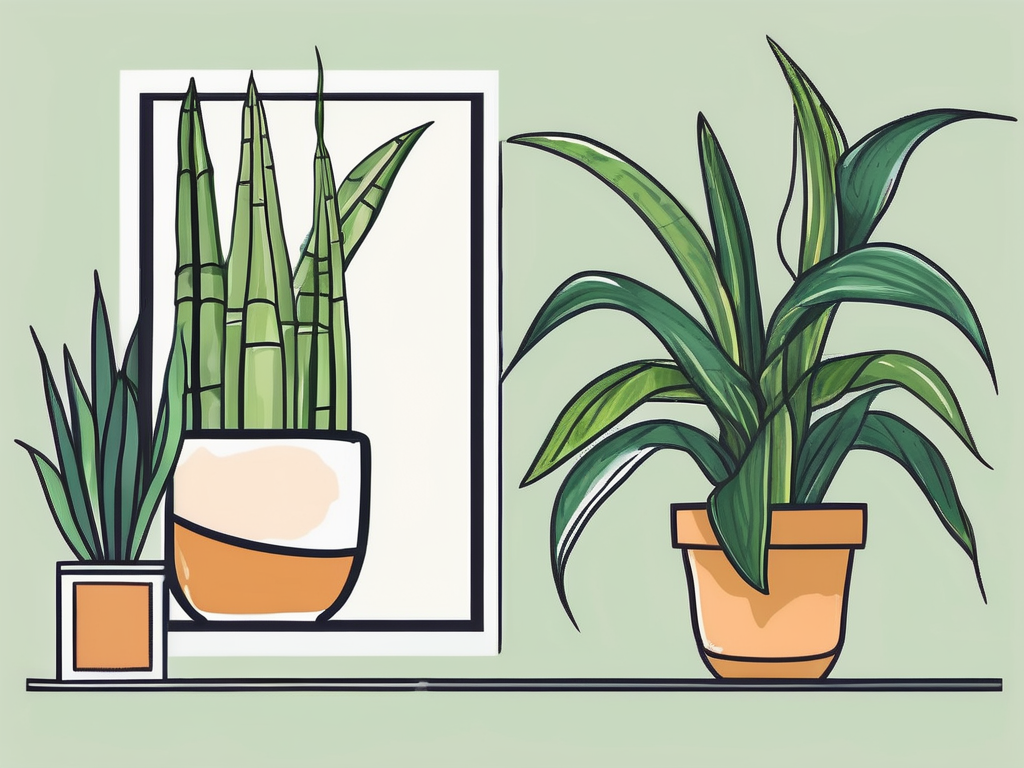
Lucky Bamboo, however, is known for its tall, slender stalks and narrow green leaves. It's often shaped into spirals or braided into intricate designs, thanks to its flexible nature. If you appreciate a more structured or artistic plant display, Lucky Bamboo might be your pick.
Choosing between these two might simply come down to the look you want to achieve in your space. Do you prefer the robust and bushy appearance of the Jade Plant or the sleek and elegant form of Lucky Bamboo?
Watering Needs: A Tale of Two Extremes
If you're someone who tends to overwater or underwater your plants, this section is crucial. Jade Plants prefer their soil to dry out completely between waterings. Overwatering can lead to root rot, a common issue with succulents. It's best to use the "soak and dry" method: water thoroughly and then wait until the soil is completely dry before watering again.
Lucky Bamboo, on the other hand, is quite the opposite. This plant can grow directly in water, making it ideal for those who might forget regular watering schedules. If you're growing it in soil, keep it consistently moist but not soggy. A clear vase with pebbles and water is a popular setup for Lucky Bamboo, allowing you to easily monitor the water level.
With these contrasting needs, it's clear that the choice between the two might depend on your watering habits. Are you more comfortable with a plant that thrives with infrequent watering, or do you prefer the simplicity of keeping water levels in check?
Light Requirements: Sun Lovers vs. Shade Seekers
Both Jade Plants and Lucky Bamboo have specific lighting preferences that need attention. Jade Plants love bright, indirect sunlight. If you have a sunny windowsill, a Jade Plant will be more than happy to bask there. Too little light, however, can cause them to become leggy and lose their compact shape.
Lucky Bamboo is more forgiving when it comes to lighting. It prefers indirect light and can tolerate lower light conditions than the Jade Plant. This makes it a great option for office spaces or rooms with less natural light. However, avoid direct sunlight, as it can scorch the leaves.
Thinking about where you plan to place your plant can help make the decision easier. Do you have a spot with ample sunlight, or are you looking to brighten up a dim corner?
Soil and Potting Preferences
When it comes to potting, these plants couldn't be more different. Jade Plants require well-draining soil, often a cactus or succulent mix, to prevent water from sitting around the roots. A pot with drainage holes is essential to avoid waterlogging.
Lucky Bamboo, typically grown in water, doesn't have soil needs in the traditional sense. If you choose to pot it in soil, a loose, well-draining potting mix works best. Remember to keep the soil consistently moist, mimicking its natural watery environment.
Understanding the potting and soil preferences of each plant can help you prepare the perfect home for your new green friend. Are you ready to deal with soil mixes, or does a simple water setup sound more appealing?
Temperature and Humidity: Ideal Conditions
Both Jade Plants and Lucky Bamboo enjoy warm environments, but they have their preferences. Jade Plants thrive in temperatures between 65-75°F (18-24°C). They can tolerate a bit of chill, but frost can be harmful, so they're best suited for indoor environments where temperatures are stable.
Lucky Bamboo prefers similar temperature ranges but is more forgiving of humidity variations. It can thrive in average home humidity levels, making it a versatile choice for different climates.
Consider the climate in your home or office. Is it consistent, or do you have fluctuations that might affect plant health? Matching your plant choice to your environment can save you some stress down the line.
Pests and Problem Solving
Like all plants, Jade Plants and Lucky Bamboo can face pest issues, but knowing what to watch for can keep them healthy. Jade Plants can attract mealybugs, spider mites, and aphids. Luckily, these pests can often be removed with a gentle wipe of a damp cloth or an insecticidal soap spray.
Lucky Bamboo is less prone to pests but can suffer from leaf yellowing if not cared for properly. This usually indicates poor water quality or lighting issues. Using filtered or distilled water can help prevent these problems.
Keeping an eye on your plants and addressing issues promptly can prevent more significant problems from developing. Are you ready to tackle any pest problems with confidence?
Symbolism and Cultural Significance
Beyond their physical attributes, both plants hold special meanings in different cultures. Jade Plants are often referred to as the "money tree" and are believed to bring prosperity and financial success, especially when placed in the southeast corner of a home or office.
Lucky Bamboo is heavily associated with feng shui, symbolizing good luck, health, and fortune. The number of stalks in your arrangement can carry different meanings, such as three for happiness or five for health.
These symbolic meanings can add an extra layer of enjoyment to your plant care routine. Do you prefer a plant that might bring financial growth or one that enhances luck and wellbeing?
Conclusion: Making Your Choice
Choosing between a Jade Plant and Lucky Bamboo ultimately depends on your lifestyle, environment, and personal preferences. Both have unique attributes and care requirements that make them suitable for different plant lovers.
At Cafe Planta, we believe in the joy that houseplants bring into our lives. Whether you're leaning towards the lushness of a Jade Plant or the elegance of Lucky Bamboo, we're here to help you cultivate your green space. If you have questions or need guidance, feel free to email us or connect with us on Instagram. Let's grow together!