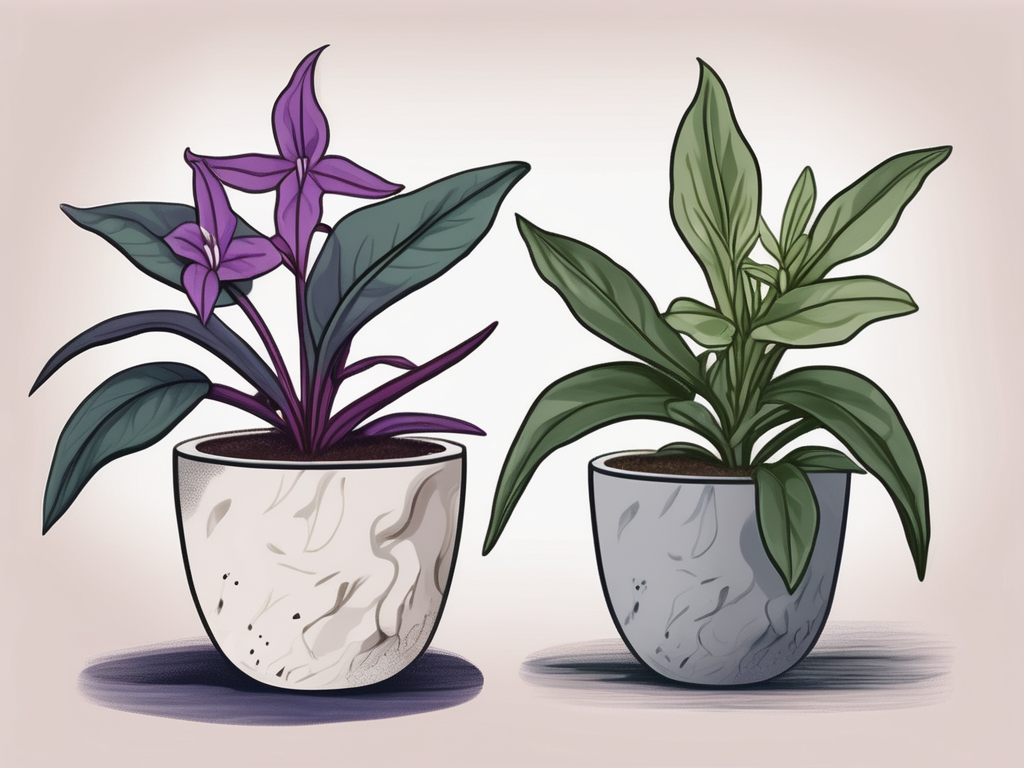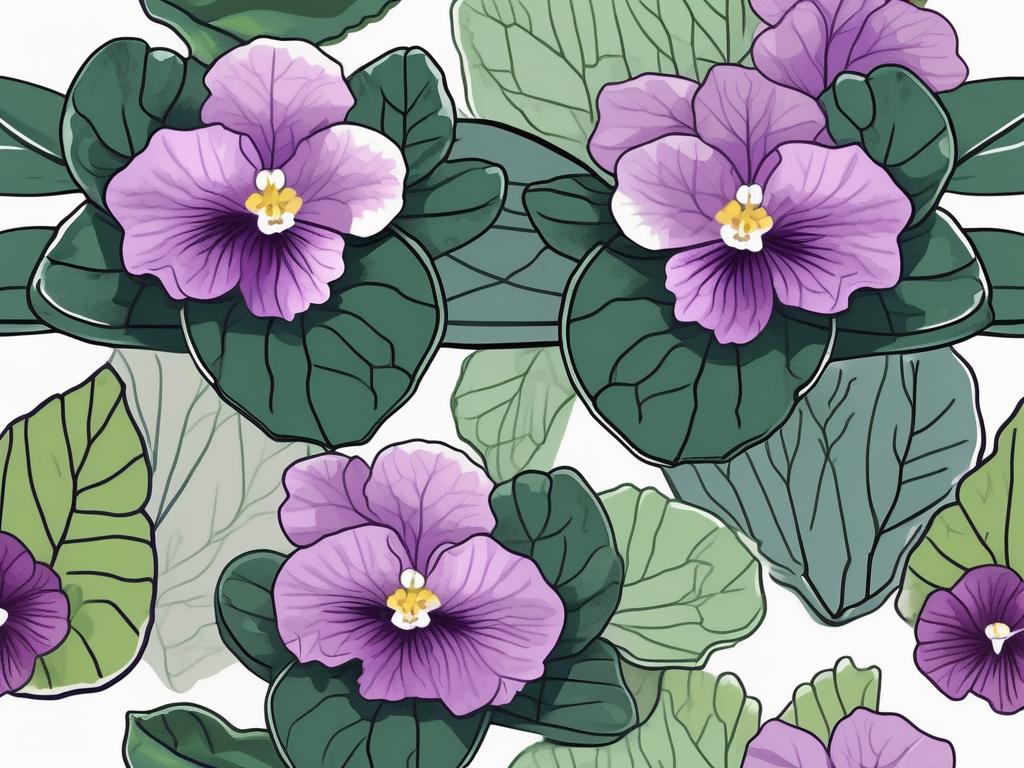
Choosing the right houseplant can sometimes feel like picking a new member of the family. Kalanchoes and African Violets are popular choices, each with their own unique charm. But how do they really stack up against each other? Let's get to know these two plants a bit better and see what makes them tick.
In this article, we'll look at the key differences between Kalanchoe and African Violet. We'll cover their origins, growing conditions, care requirements, and much more. By the end, you'll have a good idea of which plant might be right for you.
Getting to Know the Kalanchoe
Kalanchoes are a diverse group of succulent plants, originating from Madagascar and tropical Africa. Known for their thick, fleshy leaves and vibrant flowers, these plants have gained popularity for their low maintenance and resilience. If you’re someone who sometimes forgets to water your plants, a Kalanchoe might just be your best friend.
These plants come in various forms, from small, compact varieties to larger, sprawling types. They are often grown for their beautiful, long-lasting blooms that come in a range of colors like red, pink, yellow, and white. The flowers typically appear in clusters, adding a splash of color to any space.
One of the appealing traits of Kalanchoe plants is their ability to thrive in less-than-ideal conditions. They prefer bright, indirect sunlight but can tolerate lower light levels, making them a versatile choice for different indoor spaces. Their succulent nature means they store water in their leaves, so they don’t require frequent watering. In fact, overwatering is one of the few ways you can harm a Kalanchoe, so it's best to let the soil dry out between waterings.
If you're looking for a plant that's both beautiful and easy-going, Kalanchoe might be a great addition to your home. With minimal effort, you can enjoy its blooms for weeks at a time.
Introducing the African Violet
African Violets, on the other hand, are known for their delicate, velvety leaves and charming flowers. Native to Tanzania and adjacent southeastern Kenya in eastern tropical Africa, these plants have captured the hearts of many plant lovers around the world. Despite their name, they are not true violets, but they do bring a similar elegance to your indoor garden.
These plants are compact and usually flower multiple times a year, with blooms in shades of purple, blue, pink, and white. The flowers are small but abundant, creating a soft, colorful display that's hard to resist. Unlike Kalanchoe, African Violets thrive in moderate to bright indirect light. They are a bit more sensitive to their environment and require a consistent care routine to keep them happy.
One of the critical aspects of caring for African Violets is keeping their leaves dry. Watering from the bottom or using a self-watering pot can prevent water spots on the leaves, which can lead to mildew or rot. They also prefer a humid environment, so placing them on a pebble tray or using a humidifier can help them thrive.
African Violets can be a bit more demanding than Kalanchoes, but their beauty and charm make them a beloved choice for those willing to put in a little extra effort.
Lighting Needs: A Bright Debate
When it comes to lighting, both Kalanchoes and African Violets have their preferences, and understanding these can make a big difference in their growth and flowering.
Kalanchoe Lighting:
- Prefers bright, indirect sunlight but can tolerate some direct sunlight, especially in the morning.
- Avoid placing them in harsh, direct afternoon sun as it can scorch their leaves.
- Can adapt to lower light conditions, but this may affect their flowering potential.
African Violet Lighting:
- Thrives in moderate to bright indirect light.
- Direct sunlight can damage the leaves, leading to burns and discoloration.
- Artificial grow lights can be a good alternative if natural light is insufficient.
Both plants have their quirks when it comes to lighting, but with a little attention, you can find the perfect spot in your home for each.
Watering Wisdom: Keeping Your Plants Hydrated
Watering is a crucial part of plant care, and Kalanchoe and African Violets have different needs in this department.
Watering Kalanchoe:
- Less frequent watering is ideal. Let the soil dry out completely between waterings.
- Succulent nature means they are drought-tolerant and sensitive to overwatering.
- Water directly into the soil, avoiding the leaves to prevent rot.
Watering African Violet:
- Requires consistent moisture but not soggy soil.
- Bottom watering or using a self-watering pot helps keep the leaves dry.
- Prefers room temperature water to prevent shock.
Understanding these watering preferences can help you keep your plants thriving with minimal fuss.
Temperature and Humidity: Creating the Perfect Climate
Both Kalanchoe and African Violets have specific temperature and humidity requirements, which can influence their overall health and flowering.
Kalanchoe Temperature and Humidity:
- Prefers a temperature range of 60-85°F (15-29°C).
- Tolerates lower humidity levels but appreciates occasional misting.
- Protect from cold drafts and sudden temperature changes.
African Violet Temperature and Humidity:
- Thrives in temperatures between 65-75°F (18-24°C).
- Prefers higher humidity levels, around 50-60%.
- Avoid placing them near heating vents or air conditioners.
Creating the right environment for your plants can make all the difference in their growth and bloom cycle.
Soil and Potting: The Foundation of Healthy Growth
The choice of soil and potting can significantly influence the health and growth of your Kalanchoe and African Violet.
Kalanchoe Soil and Potting:
- Well-draining soil mix is crucial to prevent root rot.
- Cactus or succulent soil mixes work well.
- Choose a pot with drainage holes to allow excess water to escape.
African Violet Soil and Potting:
- Requires a light, airy soil mix that retains moisture without becoming soggy.
- Specialized African Violet mixes are available and recommended.
- Pot size should be proportionate to the plant size for optimal growth.
Providing the right soil and potting conditions can help your plants establish strong roots and flourish.
Pests and Diseases: Keeping Your Plants Healthy
Like any houseplants, Kalanchoe and African Violets are susceptible to pests and diseases. Knowing what to watch for can help you keep them healthy.
Kalanchoe Pests and Diseases:
- Common pests include aphids, mealybugs, and spider mites.
- Overwatering can lead to root rot and fungal infections.
- Regularly inspect leaves and stems for signs of pests or disease.
African Violet Pests and Diseases:
- Vulnerable to thrips, mites, and mealybugs.
- Leaf spotting and crown rot can occur due to excess moisture.
- Gently rinse leaves and use insecticidal soap for pest control.
Maintaining a regular care routine can help you catch and address these issues before they become serious.
Propagation: Growing Your Collection
Both Kalanchoe and African Violets can be propagated, allowing you to expand your plant collection or share with friends.
Propagating Kalanchoe:
- Leaf or stem cuttings are the most common methods.
- Allow cuttings to dry and callous over before planting in soil.
- Place in bright, indirect light and water sparingly until roots form.
Propagating African Violet:
- Leaf cuttings are the preferred propagation method.
- Cut a healthy leaf and place it in water or soil to root.
- Keep in a warm, humid environment until new growth appears.
With a little patience and care, you can enjoy the satisfaction of growing new plants from existing ones.
Designing with Kalanchoe and African Violet
Both plants offer unique styling opportunities in home decor, adding beauty and vibrancy to any space.
Decorating with Kalanchoe:
- Use as a centerpiece or accent plant in living areas.
- Pair with other succulents for a low-maintenance garden display.
- Bright blooms add a pop of color to neutral spaces.
Decorating with African Violet:
- Ideal for windowsills or tabletops where they can receive indirect light.
- Group different varieties for a colorful display.
- Use decorative pots to complement their delicate blooms.
Whether you prefer the boldness of a Kalanchoe or the elegance of an African Violet, both plants can enhance the aesthetic of your home.
Final Thoughts
Both Kalanchoe and African Violet bring their own charm and beauty to the table. While Kalanchoe is robust and easygoing, African Violets offer a delicate touch with a bit more care required. Whichever you choose, both can bring joy and color into your home.
At Cafe Planta, we love helping you find the perfect plants and accessories for your space. If you have any questions or need advice on plant care, feel free to email us or send a message on Instagram. We're here to support your plant journey and help you create a thriving indoor oasis.