If you're a fan of houseplants, you might find yourself often choosing between a Lipstick Plant and a Hoya. Both are beautiful, with their unique features, and they can add a touch of nature to any space. But how do you decide which one is right for you? Let's take a closer look at their differences and what makes each of these plants so special.
In this article, we'll explore everything from their care requirements to how they can complement your home decor. Whether you're a seasoned plant parent or just starting your green journey, you'll find some helpful insights to guide your choice.
Origins and Natural Habitat
Understanding where a plant comes from can give us valuable clues about how to care for it and what it might need to thrive in our homes. Let's start by delving into the origins and natural habitats of the Lipstick Plant and the Hoya.
The Lipstick Plant, or Aeschynanthus radicans, hails from the humid tropical rainforests of Southeast Asia. It's an epiphytic plant, which means it naturally grows on other plants or objects, using them for support while drawing nutrients and moisture from the air. In its native habitat, it enjoys high humidity and dappled sunlight filtering through the forest canopy.
On the other hand, Hoyas, often referred to as wax plants, belong to a diverse genus native to a range of tropical and subtropical regions, including parts of Asia and Australia. They're also epiphytes, thriving in similar conditions to the Lipstick Plant. However, Hoyas can be found in a wider variety of environments, from dense jungles to rocky cliffs.
In essence, both plants thrive in environments that mimic their natural habitats: warm, humid conditions with plenty of indirect light. Knowing their origins helps us understand their preferences, which can guide us in providing the best care for them in our homes.
Appearance and Growth Habit
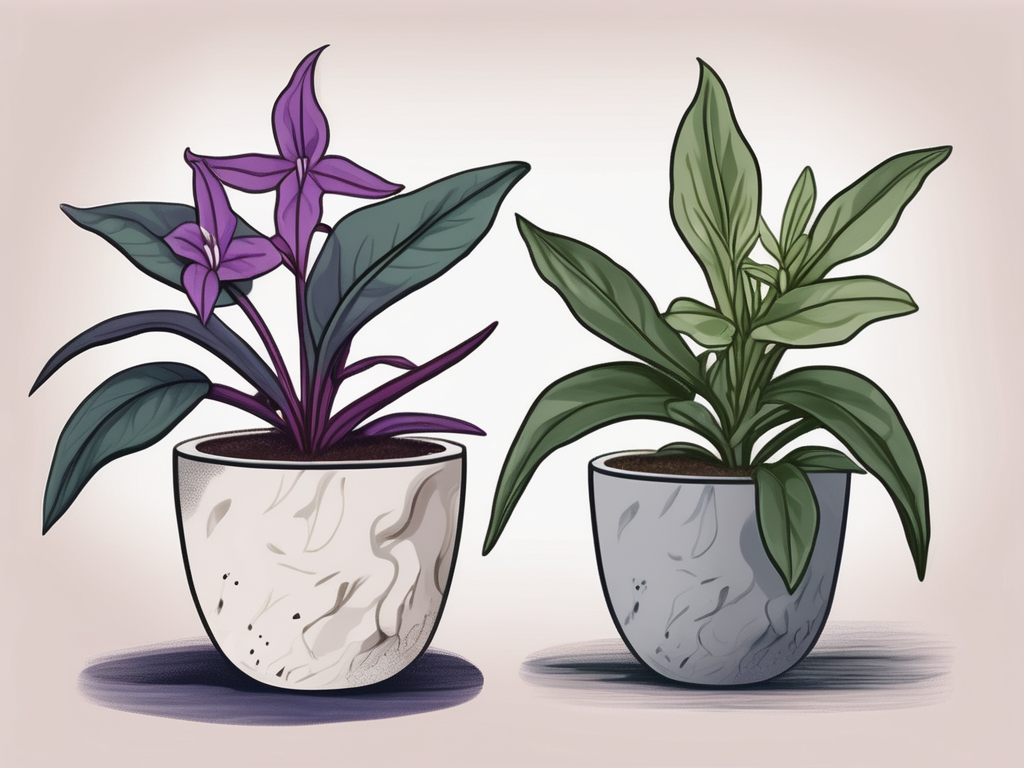
Now, let's talk about what really catches our eye: the appearance and growth habit of these plants. The Lipstick Plant gets its name from its vibrant tubular flowers that resemble a tube of lipstick. These flowers emerge from dark, waxy leaves that often cascade over the sides of hanging baskets or pots, creating a stunning display.
The growth habit of the Lipstick Plant is rather flexible. It can be encouraged to trail or climb, depending on how you choose to display it. This versatility in growth makes it a popular choice for hanging planters, where its trailing stems can create a lush, cascading effect.
Hoyas, in contrast, are known for their thick, waxy leaves and star-shaped flowers. The flowers often form clusters and possess a delightful fragrance, adding another layer of sensory enjoyment to having them in your home. Hoyas also have a trailing or climbing habit, and they can be trained to grow along trellises or left to spill over the edges of pots.
While both plants share a trailing nature, their foliage and flowers offer distinct aesthetic differences. The Lipstick Plant boasts bold, colorful blooms, while Hoyas captivate with their intricate, fragrant flowers and glossy leaves. Depending on your personal style and the ambiance you wish to create, one might appeal to you more than the other.
Light and Temperature Requirements
Providing the right light and temperature is crucial for the health and happiness of your plants. Both the Lipstick Plant and Hoyas have specific preferences that stem from their tropical origins.
Lipstick Plants thrive in bright, indirect light. They can tolerate some direct sunlight, especially in the morning or late afternoon, but too much can scorch their leaves. If your Lipstick Plant isn't blooming, it might not be getting enough light, so consider moving it to a brighter spot.
Hoyas also enjoy bright, indirect light, but they're a tad more forgiving when it comes to lighting conditions. They can adapt to lower light environments, although their growth might slow, and they might not flower as profusely. If you're looking to encourage blooming, a spot with plenty of indirect sunlight is ideal.
Temperature-wise, both plants prefer warm conditions. They thrive in temperatures between 60°F to 80°F (15°C to 27°C). Keep them away from cold drafts or sudden temperature changes, as these can stress the plants and hinder their growth.
In summary, both plants enjoy similar lighting and temperature conditions, but remember that the Lipstick Plant might demand a bit more light to show off its colorful blooms. Ensuring these conditions will keep your plants healthy and flourishing.
Watering and Humidity Needs
Watering can be a bit of an art, especially when it comes to tropical plants that aren't as thirsty as they might appear. Both the Lipstick Plant and Hoyas have specific watering needs that reflect their epiphytic nature.
For the Lipstick Plant, it's important to keep the soil consistently moist but not waterlogged. Allow the top inch or so of the soil to dry out between waterings. During the growing season (spring and summer), they'll need more frequent watering, while in the cooler months, you can cut back a bit.
Hoyas, on the other hand, are somewhat drought-tolerant. They prefer to dry out more between waterings, so be cautious not to overwater. A good rule of thumb is to water when the potting mix is dry at least halfway down. Overwatering is a common mistake with Hoyas, often leading to root rot, so err on the side of caution.
Both plants benefit from higher humidity levels, which mimic their natural habitats. If your home is on the drier side, especially during winter, consider using a humidifier or placing a tray of water near your plants. Misting can also help, but make sure it's not the sole source of humidity, as it evaporates quickly.
In essence, understanding the watering needs of these plants is key to keeping them happy. While the Lipstick Plant enjoys more consistent moisture, Hoyas require a bit of restraint and a well-draining potting mix to thrive.
Soil and Potting Considerations
Choosing the right soil and potting conditions is another important aspect of plant care that can greatly influence the health of your Lipstick Plant or Hoya.
Lipstick Plants prefer a rich, well-draining potting mix. You can use a standard houseplant mix and add some perlite or orchid bark to improve aeration and drainage. Given their epiphytic nature, they don't like to sit in soggy soil, so ensuring good drainage is crucial.
Hoyas, with their resilient nature, do well in a chunky, airy mix. Consider using a blend of orchid bark, perlite, and peat moss. This combination provides the aeration they need while retaining some moisture. A mix intended for orchids or succulents can also work well, as it prevents the roots from becoming waterlogged.
When it comes to pots, both plants do well in containers with drainage holes to prevent water from accumulating at the bottom. Repotting isn't frequently necessary for either plant, as they prefer being slightly root-bound. However, if you notice roots growing out of the drainage holes or circling the surface, it might be time for a new home.
Getting the soil and pot right for these plants can make all the difference. Remember, a well-draining mix is your friend here, ensuring that water doesn't linger around the roots longer than it should.
Pest and Disease Management
Even the most vigilant plant lovers encounter pests and diseases from time to time. Knowing what to look for and how to handle common issues can keep your Lipstick Plant and Hoya in top shape.
Both plants can fall victim to common houseplant pests like aphids, mealybugs, and spider mites. Regularly inspect your plants for signs of infestation, such as sticky residue, webbing, or discolored leaves. If you spot pests, a gentle solution of water and dish soap can help remove them. Neem oil is also a popular natural pesticide that can be effective.
In terms of diseases, overwatering is a common culprit. Root rot can occur if the plants are kept too wet, leading to yellowing leaves and wilting. Ensuring proper drainage and allowing the soil to dry out between waterings can prevent this issue.
Fungal infections can also arise in high humidity conditions, especially if airflow is poor. To mitigate this, make sure your plants have good air circulation and aren't packed too tightly with other plants. If you notice signs of fungal infection, such as black spots on the leaves, consider removing affected areas and treating with a fungicide.
By staying vigilant and taking proactive measures, you can keep pests and diseases at bay, ensuring your Lipstick Plant and Hoya remain healthy and vibrant.
Propagation Techniques
If you're looking to expand your plant collection or share the joy of these plants with friends, propagation is a rewarding process. Both the Lipstick Plant and Hoyas can be propagated with relative ease, making them great choices for plant lovers looking to multiply their green companions.
For the Lipstick Plant, stem cuttings are the way to go. Choose a healthy stem with a few leaves and cut just below a node (the point where leaves attach to the stem). Remove the lower leaves and place the cutting in water or directly into a potting mix. If using water, wait for roots to grow before transferring to soil. Keep the cutting in a warm, bright spot, and with patience, you'll see new growth.
Hoyas are also commonly propagated through stem cuttings. Like the Lipstick Plant, select a cutting with a few nodes and remove the lower leaves. You can root them in water or a potting mix designed for succulents. Hoyas can take a bit longer to root, so patience is key. Once roots are established, transplant the cutting into its own pot.
Propagation can be a fulfilling way to grow your plant family. With some basic tools and a little time, you'll have new plants to enjoy or share with fellow plant people.
Decorative Uses in Interior Design
Beyond their botanical beauty, both the Lipstick Plant and Hoyas offer exciting possibilities in home decor. Their trailing nature and vibrant features make them excellent choices for creating eye-catching displays.
The Lipstick Plant's cascading habit makes it ideal for hanging baskets or elevated shelves. You can also train it to climb a trellis, adding vertical interest to your space. The bright, tubular flowers can add a pop of color to any room, making it a focal point in your plant collection.
Hoyas, with their waxy leaves and unique flowers, also make stunning additions to any interior. Consider using them in macrame hangers or allowing them to climb along walls or window frames. Their fragrant blooms can add a sensory dimension to your decor, filling the room with a pleasant aroma.
Both plants work well in various styles, from bohemian to modern. Their adaptability and striking features allow them to fit into almost any aesthetic, bringing life and vibrancy to your home.
Final Thoughts
Deciding between a Lipstick Plant and a Hoya can be a delightful challenge. Both plants offer unique beauty and characteristics that can enhance any space. From their origins to their care requirements, understanding these differences can help you choose the one that best fits your lifestyle and home.
At Cafe Planta, we love sharing our passion for plants and helping you make the right choice. We offer a variety of houseplants and accessories to support your plant journey. If you have any questions about caring for your plants, feel free to email us or send a message on our Instagram. We're excited to help you create a thriving plant collection in your home. Happy planting!