Have you ever been chatting with fellow plant lovers and hesitated at the word "bromeliad"? You're definitely not alone. Pronouncing plant names, especially ones borrowed from Latin, can be a bit of a tongue twister. But worry not—getting the hang of bromeliad pronunciation is easier than you might think, and it can be quite fun!
This article will break down the pronunciation of "bromeliad" and share some tips to help you confidently talk about this stunning plant. Along the way, we'll also explore how you can care for bromeliads, and even incorporate them into your home decor. So, let's jump in and turn that bromeliad mumble into a clear, confident statement.
The Mystery Behind "Bromeliad"
The word "bromeliad" traces its roots back to the scientific name of the plant family Bromeliaceae, which was named after the Swedish botanist Olof Bromelius. Before we tackle pronunciation, it's worth noting that bromeliads are a diverse family that includes over 3,000 species, including the famous pineapple!
Pronunciation is often about breaking down the word into manageable parts. For "bromeliad," think of it as: bro-ME-lee-ad. Here's a breakdown of the syllables:
- Bro: This sounds just like the English word "bro," as in "brother."
- Me: Pronounced as "me," like the word for oneself.
- Lee: This sounds like "lee," similar to the name or the side sheltered from the wind.
- Ad: This is pronounced like "add," as in addition.
Try saying it slowly: bro-ME-lee-ad. With practice, it'll roll off your tongue naturally. Once you feel comfortable, you can move on to practicing in context, like "I love my bromeliad!" or "This bromeliad brightens up the room!"
Common Mispronunciations
Even confident plant people can trip up when it comes to plant names. Common mispronunciations of "bromeliad" include variations like "bromeeli-ad" or "brom-lee-ad." These usually stem from trying to speed through the word or merging syllables.
To avoid these pitfalls, remember to emphasize the "ME" part of the word. This is the key to keeping the rhythm of the word intact. A fun tip is to say it with a bit of flair—imagine you're a botanist presenting at a fancy conference. This can help slow you down and ensure each part of the word gets its moment to shine.
As with any skill, practice makes perfect. Try saying it in different contexts—while watering your plants, during plant swaps, or even when browsing plant shops. The more you use the word, the more natural it will feel.
Getting to Know the Bromeliad Family
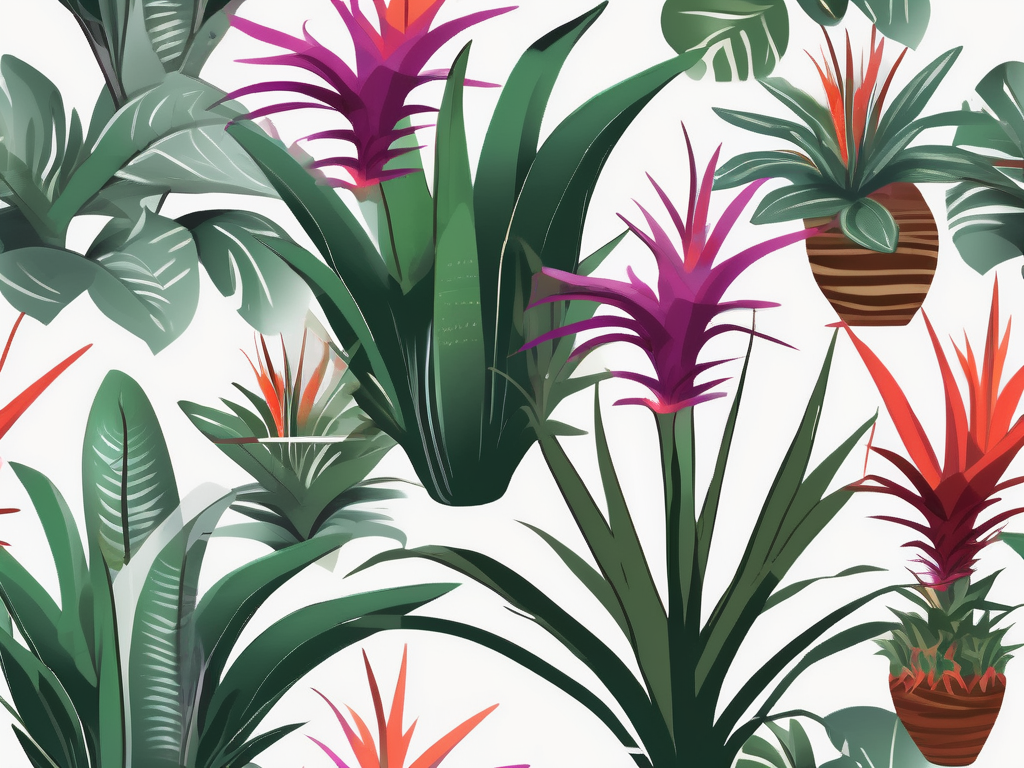
Now that we've tackled pronunciation, let's explore the bromeliad family a bit more. These plants are incredibly diverse, offering a range of colors, shapes, and sizes. From the popular Guzmania and Tillandsia (air plants) to the exotic Aechmea and Neoregelia, there's a bromeliad for everyone.
Bromeliads are native to tropical Americas, and they thrive in a wide array of environments—from rainforests to deserts. This adaptability makes them a fascinating addition to any plant collection. They are epiphytes, meaning they often grow on other plants, using their roots mainly for anchoring rather than nutrient absorption.
Here's a quick look at some popular bromeliads you might encounter:
- Guzmania: Known for their bright, vibrant bracts and rosette shape, these are great for indoor settings.
- Vriesea: Often featuring sword-like leaves and colorful inflorescences, they add a splash of color.
- Neoregelia: These have a stunning central cup that turns different colors when in bloom.
- Aechmea: Recognizable by their strikingly patterned leaves and dramatic flower spikes.
Each type has unique care requirements, so it's good to research the specific needs of your bromeliad species. Generally, they prefer bright, indirect light and high humidity, making them perfect for bathrooms or kitchens.
Caring for Your Bromeliad
Once you're comfortable pronouncing bromeliad, it's time to ensure your plant thrives. Fortunately, bromeliads are relatively low-maintenance, making them a favorite among seasoned plant lovers and newcomers alike.
Here are some general care tips to keep your bromeliad happy:
- Light: Bright, indirect light is ideal. Too much direct sunlight can scorch their leaves, while too little can hinder their growth.
- Watering: Bromeliads like to be watered in their central cup, often called a "tank." Keep the tank filled with water, and flush it out regularly to prevent stagnation. The soil should be kept moist but not waterlogged.
- Humidity: These plants thrive in high humidity environments. If your home is dry, consider misting the plant regularly or placing it near a humidifier.
- Soil: Use a well-draining mix, such as orchid bark or a specialized bromeliad mix, to mimic their natural habitat.
Remember that bromeliads are slow growers, so patience is key. They bloom once in their lifetime, usually for several months, before producing pups, which are small offsets that can be propagated to grow new plants.
Decorating with Bromeliads
Beyond their pronunciation and care, bromeliads offer endless possibilities for home decor. Their unique shapes and vivid colors can complement a variety of interior styles, from minimalistic to bohemian.
Bromeliads can be used in several creative ways:
- Table Centerpieces: A blooming bromeliad can serve as a stunning centerpiece for dining or coffee tables.
- Vertical Gardens: Use bromeliads in a vertical garden to create a living wall that's both functional and beautiful.
- Hanging Displays: Air plants (Tillandsia) can be hung using wire or string, adding an airy touch to any room.
- Bathroom Oasis: Due to their love of humidity, bromeliads are perfect for adding life to a bathroom space.
To make the most of their aesthetic appeal, consider pairing bromeliads with complementary plants like ferns or orchids. This not only enhances their beauty but also creates a lush, tropical vibe in your home.
Propagating Bromeliads
One of the exciting aspects of bromeliad care is propagation. After a bromeliad blooms, it will start producing pups, which are baby plants that grow from the base of the mother plant. These pups can be separated and grown into new plants.
Here's how you can propagate bromeliads:
- Wait until the pups are about one-third to one-half the size of the mother plant. This ensures they're mature enough to survive on their own.
- Carefully remove the pup by cutting it away from the mother plant. Use a sharp, sterilized knife or scissors to avoid damaging either plant.
- Plant the pup in a small pot with a well-draining bromeliad mix. Ensure it's stable and upright.
- Water the pup lightly, keeping the soil moist but not soggy. Mist regularly to maintain humidity.
Patience is key here, as bromeliads take time to develop into mature plants. But with a bit of care and attention, you'll soon have a whole family of bromeliads brightening up your space!
Common Bromeliad Problems and Solutions
Like any plant, bromeliads can face a few challenges. Luckily, most issues are easy to fix with some adjustments to their care routine.
Here are some common problems and their solutions:
- Brown Leaf Tips: This often indicates low humidity or too much direct sunlight. Try increasing the humidity around the plant or moving it to a spot with indirect light.
- Rotting Base: Overwatering can lead to root rot. Ensure the plant's pot has good drainage and avoid letting the soil stay soggy.
- No Blooms: Bromeliads are slow to bloom, but if yours isn't flowering at all, it might need more light. Consider moving it to a brighter spot.
If you're ever unsure about what's ailing your bromeliad, don't hesitate to reach out to fellow plant parents or visit a local plant shop for advice. Sometimes another pair of eyes can spot something you might have missed.
Enhancing Your Plant Knowledge
As you become more comfortable with bromeliads, you might find yourself eager to learn more about other plant families. The plant world is vast and full of wonders, offering endless opportunities to expand your knowledge and collection.
Here are a few ways to deepen your plant expertise:
- Join a Plant Group: Whether online or in-person, plant groups are a great way to connect with fellow plant people, share tips, and learn from each other.
- Visit Botanical Gardens: These are treasure troves of plant diversity, offering a chance to see rare species and gather inspiration for your own collection.
- Read Plant Books: There are countless books dedicated to plant care, offering in-depth knowledge and beautiful photography to inspire you.
Remember, plant parenting is a journey. Every plant you care for teaches you something new, whether it's about its specific needs or how to create the perfect environment for thriving growth.
Final Thoughts
Tackling the pronunciation of "bromeliad" might seem like a small victory, but it's one that opens the door to a deeper appreciation for plants and their unique characteristics. From pronunciation to care, to using them in your home decor, bromeliads are truly a joy to explore.
At Cafe Planta, we're here to support you on your plant journey. Whether you're looking for new additions to your collection or have questions about plant care, we're just a email or Instagram message away. Plants have a unique way of connecting us with nature and each other, and we're excited to share that journey with you!