When it comes to selecting houseplants, there's a world of options out there, each with its own charm and requirements. Two popular choices among plant people are the Peace Lily and the Prayer Plant. These plants not only add greenery to your space but also come with unique characteristics that can suit different lifestyles and home environments.
In this article, we'll compare these two lovely plants in various aspects such as care requirements, appearance, and their place in interior design. By the end, you'll have a better understanding of what makes each of them special and which might be the right fit for your home.
Appearance and Characteristics
First impressions matter, right? Let's start by looking at what makes these plants visually distinct.
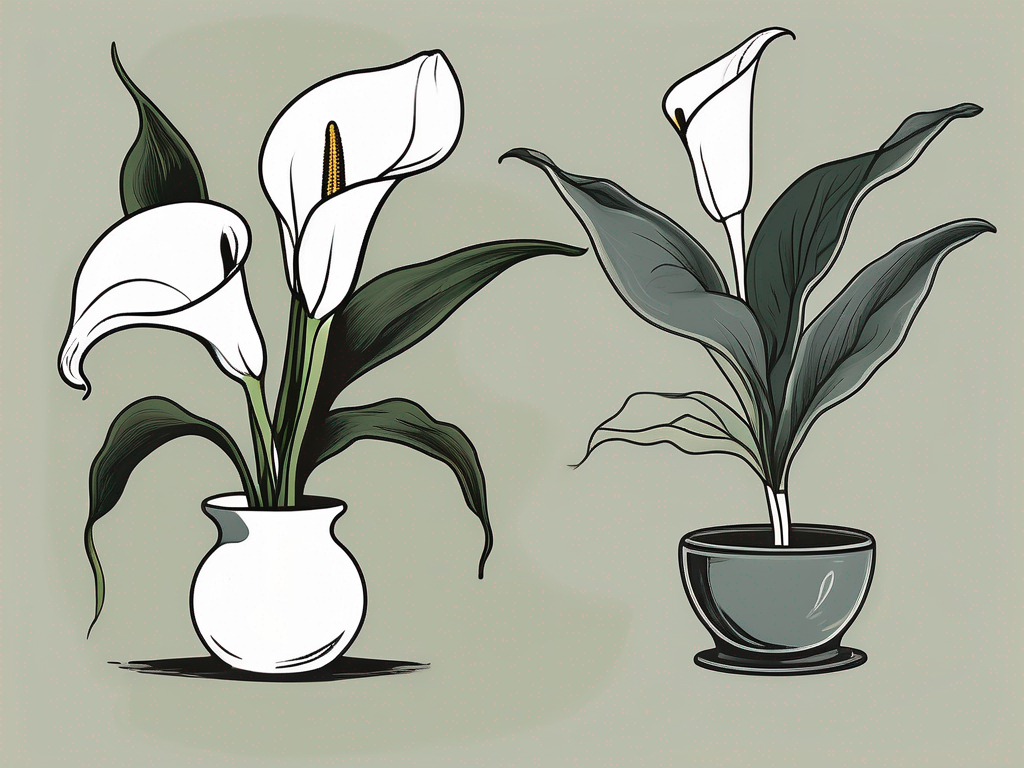
The Peace Lily, with its lush, dark green leaves and striking white blooms, is often associated with tranquility and purity. These blooms are not actual flowers but a special leaf bract that grows around a smaller flower cluster. The Peace Lily's elegant appearance makes it a popular choice for many homes and offices.
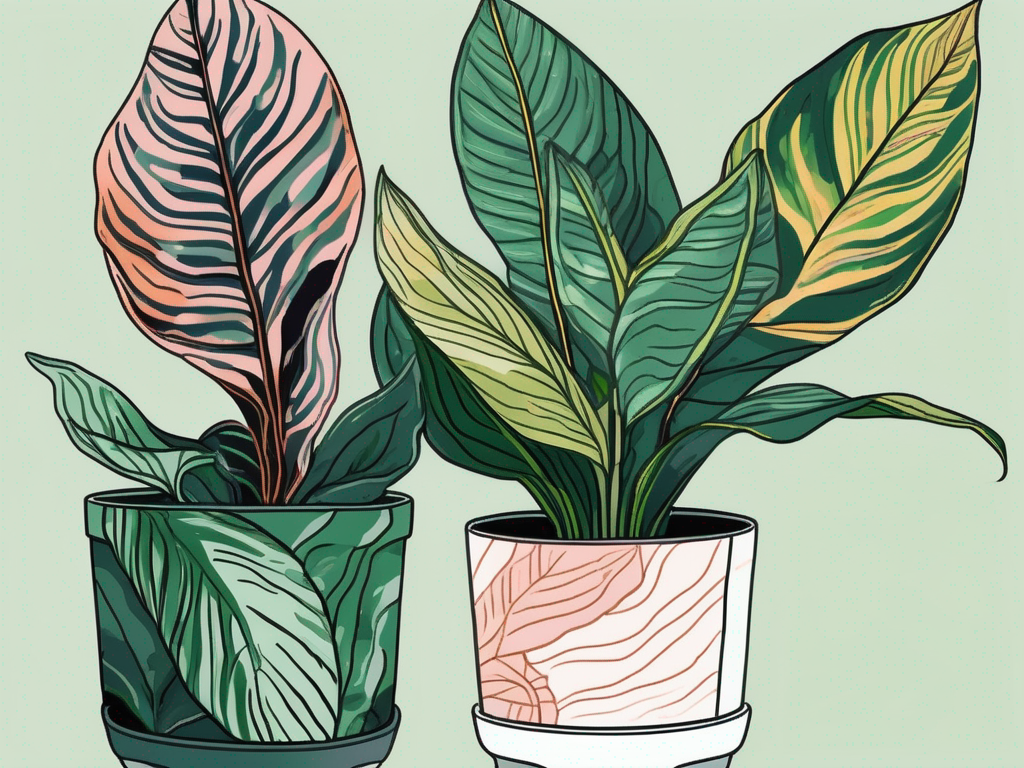
On the other hand, the Prayer Plant is known for its vibrant, patterned foliage. Its leaves feature a fascinating variety of colors, often combining greens with hints of red or purple. What's particularly intriguing about the Prayer Plant is its behavior—its leaves move in response to the light, folding up at night as if in prayer. This unique trait adds an element of dynamism and intrigue to your plant collection.
Light and Placement Needs
Where you place your plants can significantly affect their growth and health, so let's see what each of these beauties prefers.
Peace Lilies are quite forgiving when it comes to light. They thrive in low to moderate indirect light, making them perfect for those slightly dim corners of your home. However, they can tolerate brighter spots, provided they don't get direct sunlight, which can scorch their leaves.
The Prayer Plant, on the other hand, prefers bright but indirect light. It can survive in lower light conditions, but its colors are more vibrant when it receives adequate light. It's a bit like a finicky artist—give it the right spotlight, and it will show off its best colors.
Watering and Humidity Requirements
Watering is where the Peace Lily and the Prayer Plant have quite differing needs. Peace Lilies are notorious for their love of water. They like their soil to be consistently moist but not soggy. A good rule of thumb is to water them when the top inch of soil feels dry. They also enjoy high humidity, so if your home is a bit dry, consider misting them or placing a small humidifier nearby.
Prayer Plants, meanwhile, have a more moderate thirst. They prefer their soil to dry out a bit between waterings. Overwatering can lead to root rot, so it's essential to let the top inch of soil dry out before watering again. They also enjoy humid environments, similar to the Peace Lily, so a little extra humidity can go a long way in keeping them happy.
Soil and Potting
Both plants prefer well-draining soil, but there are some nuances to consider. Peace Lilies thrive in a rich, well-draining potting mix. You might consider adding some perlite or orchid bark to improve aeration if you find the soil too compact.
Prayer Plants enjoy a slightly different mix—a peat-based soil with good drainage is ideal. You can achieve this by mixing standard potting soil with some perlite or sand. Additionally, both plants benefit from being repotted every couple of years to refresh the soil and provide room for growth.
Feeding and Fertilization
Feeding these plants is relatively straightforward. Peace Lilies appreciate a balanced, water-soluble fertilizer every 6 to 8 weeks during the growing season (spring and summer). Be careful not to over-fertilize, as this can lead to fertilizer burn.
Prayer Plants also enjoy a regular feeding schedule during their growing months. A diluted, balanced liquid fertilizer every 4 to 6 weeks should suffice. As with the Peace Lily, it's essential to avoid over-fertilization.
Pest and Fungal Issues
When it comes to pests and diseases, both plants have their challenges. Peace Lilies can be susceptible to pests like spider mites and aphids. Regularly wiping the leaves with a damp cloth can help keep these pests at bay. Additionally, keep an eye out for signs of root rot, especially if the plant is overwatered.
Prayer Plants are also prone to pests like spider mites, as well as fungal issues like leaf spot. Ensuring good air circulation and avoiding water on the leaves can help minimize these problems. If you spot any pests, a gentle spray of insecticidal soap can be an effective treatment.
Propagation Techniques
Propagation is a fun and rewarding way to expand your plant collection. Peace Lilies are typically propagated through division. When repotting, you can separate the plant into smaller sections, each with its own root system, and pot them individually.
Prayer Plants, on the other hand, can be propagated through stem cuttings. Simply take a cutting with a few leaves and nodes, place it in water until roots develop, and then pot it in soil. This method is slightly more involved but can be a rewarding experience as you watch new roots grow.
Role in Interior Design
Both plants bring unique aesthetic qualities to a space, but they do so in different ways. Peace Lilies, with their elegant blooms and simple foliage, often exude a sense of calm and sophistication. They're perfect for minimalist spaces or as a serene focal point in a busy room.
Prayer Plants, with their vibrant, patterned leaves, add a burst of color and interest to any setting. They're great for creating a lively, dynamic environment and pair wonderfully with other colorful plants. Their unique leaf movement also adds a touch of whimsy to your decor.
Choosing the Right Plant for Your Home
Now that we've covered the main differences, how do you decide which plant is right for you? Consider your home environment and lifestyle. If you have a darker home or tend to forget to water your plants, a Peace Lily might be a better fit. They're more forgiving and can tolerate some neglect.
If you're someone who loves to watch plants grow and have a bit of a green thumb, the Prayer Plant could be your new best friend. Its vibrant colors and unique movements offer a rewarding experience for those who enjoy interactive plant care.
Final Thoughts
Both the Peace Lily and Prayer Plant offer unique characteristics that can brighten up any space. Understanding their care needs and how they fit into your lifestyle will help you choose the perfect plant for your home.
At Cafe Planta, we're passionate about helping you find the right plants and accessories for your home. Whether you're an experienced plant parent or just starting out, we're here to support you. Feel free to email us or reach out on Instagram with any plant care questions you might have!