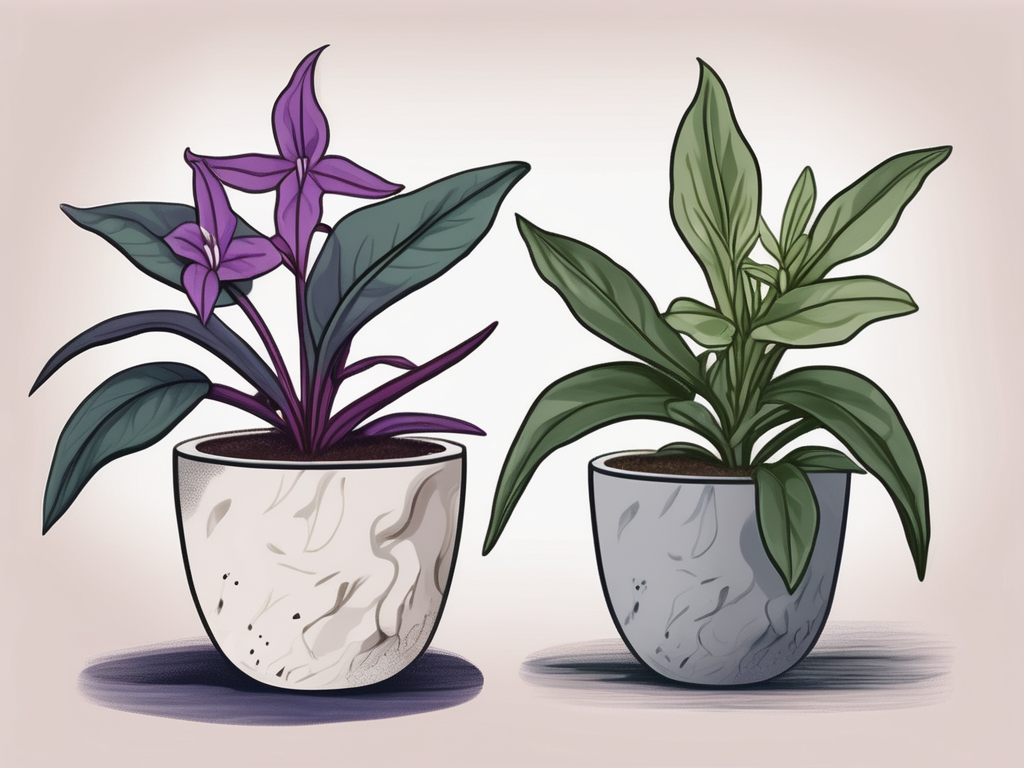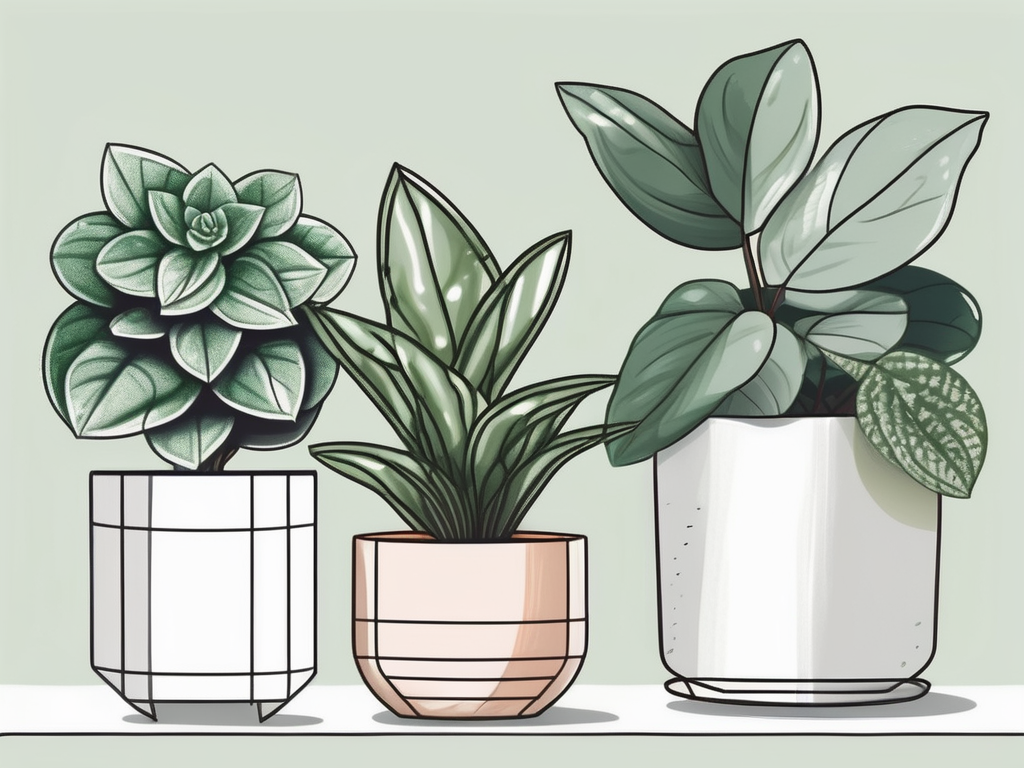
When it comes to houseplants, there's an overwhelming variety to choose from, each with its own charm and personality. Among these, Peperomia and Hoya stand out as popular choices for plant lovers looking to add some greenery to their homes. But what exactly sets these two apart?
In this article, we'll take a closer look at the key differences between Peperomia and Hoya plants. We'll explore their unique characteristics, care requirements, and how they can fit into your home's design. Whether you're a seasoned plant parent or just starting your plant journey, this guide will help you understand the nuances of these fascinating plants.
Origins and Natural Habitats
Understanding where a plant comes from can give us insights into its care needs and growth habits. Let's start by exploring the origins of Peperomia and Hoya.
Peperomia: A Tropical Wonder
Peperomia plants hail from the rainforests of South and Central America. With over 1,500 species, they are incredibly diverse, ranging from creeping to upright varieties. Imagine the lush, humid environment of a rainforest—that's where Peperomia feels most at home. This background explains their preference for warm, humid conditions and indirect light.
Interestingly, Peperomia plants are epiphytes, meaning they often grow on other plants in their natural habitat, much like orchids. This lifestyle requires them to develop certain adaptations, such as the ability to thrive with minimal soil and to store water in their fleshy leaves, which makes them relatively low-maintenance.
Hoya: The Wax Plant
Hoya, commonly known as the wax plant, originates from tropical and subtropical regions of Asia and Australia. These plants are also epiphytes, often found clinging to trees in the wild. Hoyas are known for their thick, waxy leaves and stunning star-shaped flowers, which can add a splash of color and fragrance to any room.
Their natural habitat is warm and humid, similar to Peperomia, but Hoyas are more tolerant of different lighting conditions. They can adapt to brighter environments, although they prefer indirect light, which makes them versatile for various indoor settings. The waxy texture of their leaves helps them conserve water, making them somewhat drought-resistant.
Appearance and Aesthetic Appeal
While both Peperomia and Hoya are attractive plants, they offer different visual appeals that suit various interior design styles.
Peperomia: Variety and Texture
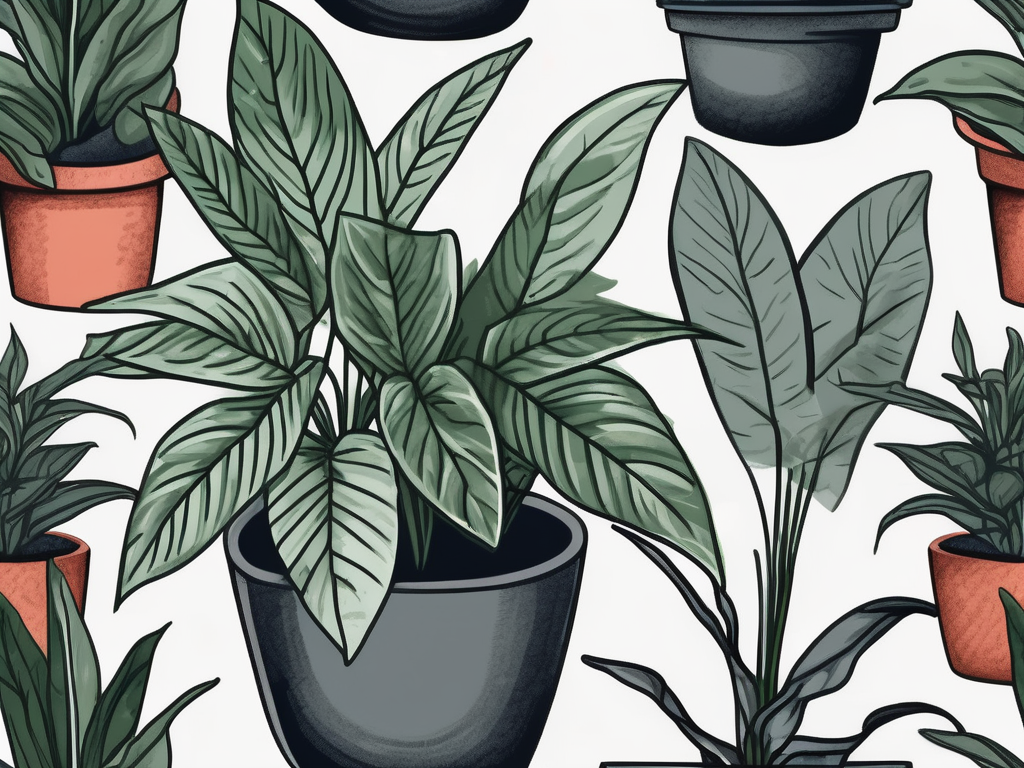
One of the most appealing aspects of Peperomia is its diversity. With a wide range of leaf shapes, sizes, and colors, there's a Peperomia for every taste. Some have heart-shaped leaves, while others boast rippled or textured foliage. Colors can vary from deep greens to silvers and reds, providing plenty of options for adding visual interest to your home.
The compact size and varied textures of Peperomia make them perfect for adding to small spaces, like shelves or desks. Their unique appearance can complement a modern interior with clean lines or bring a touch of the exotic to traditional settings. Plus, they're non-toxic to pets, so they're a safe choice for households with curious cats or dogs.
Hoya: Elegance and Charm
Hoya plants are known for their elegant, trailing vines and thick, glossy leaves. Their standout feature is undoubtedly their flowers, which are often fragrant and come in clusters resembling little stars. These blooms can be white, pink, or red, and they add a striking contrast to the plant's dense foliage.
Hoyas are fantastic for hanging baskets or training along trellises, making them a versatile option for adding height and drama to a room. Their classic appearance complements both vintage and contemporary decor, and the flowers can be a conversation starter when they bloom. Hoyas are also generally non-toxic, making them a safe option for homes with pets and children.
Caring for Peperomia
Now that we've covered the origins and aesthetic appeals, let's discuss the care requirements for each plant. Starting with Peperomia, we'll explore how to keep these charming plants thriving.
Light Requirements
Peperomia plants prefer bright, indirect light but can tolerate lower light conditions. Direct sunlight can scorch their leaves, so it's best to place them near a window with filtered light. If you're placing them in a room with less natural light, consider using a grow light to supplement their needs.
Watering Needs
An essential aspect of Peperomia care is not overwatering. These plants have succulent-like leaves that store water, so they prefer their soil to dry out a bit between waterings. Water them thoroughly, but allow the top inch of soil to dry before the next watering. Overwatering can lead to root rot, which is a common issue with Peperomia.
Humidity and Temperature
Given their tropical origins, Peperomia plants appreciate a bit of humidity. If your home is dry, especially in winter, consider misting the leaves occasionally or placing a humidifier nearby. They thrive in temperatures between 65°F to 80°F, so keep them away from drafty windows or air conditioning vents.
Soil and Potting
Peperomia prefers a well-draining potting mix. A mix designed for succulents or a combination of regular potting soil with perlite or sand can work well. Ensure the pot has drainage holes to prevent water from accumulating at the bottom, which can lead to root issues.
Caring for Hoya
Next, let's dive into the care needs of Hoya plants. While they share some similarities with Peperomia, there are distinct differences to keep in mind.
Light Requirements
Hoyas thrive in bright, indirect light but can also handle some direct sunlight, especially in the morning or late afternoon. If you notice your Hoya isn't blooming, it might benefit from a bit more light. However, be cautious of too much direct sun, as it can cause leaf burn.
Watering Needs
Like Peperomia, Hoya plants prefer to dry out between waterings. Their thick, waxy leaves retain moisture, so they don't need frequent watering. Let the top few inches of soil dry out before watering again. During the winter months, you can reduce watering even further.
Humidity and Temperature
Hoya plants enjoy humid environments, similar to their tropical origins. If your home is on the dry side, consider misting or using a humidity tray. They thrive in temperatures ranging from 60°F to 80°F, making them well-suited for most indoor environments.
Soil and Potting
Hoyas prefer a well-draining potting mix, similar to that of orchids. A mix of orchid bark, perlite, and peat can provide the right balance of drainage and moisture retention. Ensure your pot has good drainage to prevent waterlogging.
Common Pests and Problems
No plant is entirely immune to pests and problems, and both Peperomia and Hoya have their share of common issues. Let's look at what to watch out for and how to handle these challenges.
Peperomia Pests
Peperomia plants can occasionally attract pests like spider mites, mealybugs, and aphids. If you notice any signs of these pests, such as webbing, white fluff, or sticky residue on the leaves, it's crucial to act quickly. You can wipe the leaves with a damp cloth or use insecticidal soap to control minor infestations.
Peperomia Problems
One common problem with Peperomia is leaf drop, which can occur due to overwatering or sudden temperature changes. Ensure you allow the soil to dry between waterings and keep your plant away from drafts.
Hoya Pests
Hoya plants can also fall victim to mealybugs and aphids. Regularly inspect your plant for any signs of these pests and treat them with insecticidal soap or neem oil. Keeping your plant healthy and stress-free is the best preventative measure.
Hoya Problems
One issue Hoya owners might encounter is yellowing leaves, often a sign of overwatering. Ensure your Hoya's soil is well-draining and adjust your watering schedule if necessary. Additionally, if your Hoya isn't blooming, it might need more light or a change in humidity levels.
Designing with Peperomia and Hoya
Now that you're familiar with their care, let's talk about how to incorporate Peperomia and Hoya into your home's interior design.
Using Peperomia in Design
Peperomia's compact size and diverse foliage make them perfect for adding a pop of color and texture to small spaces. Consider placing them on windowsills, bookshelves, or coffee tables. Mix different varieties in a cluster for a stunning display of color and texture.
Using Hoya in Design
Hoyas are excellent for creating vertical interest in your home. Use them in hanging baskets or train them along a trellis or wall-mounted grid. Their trailing vines and vibrant flowers can add a touch of elegance to any room. They work well in bohemian or eclectic spaces, where their natural, flowing form can shine.
Choosing Between Peperomia and Hoya
If you're still on the fence about which plant to choose, consider your personal preferences and living environment.
Consider Your Space
If you have limited space or are looking for a compact plant, Peperomia might be the better choice. They fit easily into tight spots and can thrive in lower light conditions.
Consider Your Style
If you love the idea of a plant with trailing vines and stunning flowers, Hoya could be perfect for you. They're great for adding height and visual interest to a room.
Consider Your Care Routine
Both plants are relatively low-maintenance, but if you're worried about watering, Hoyas are slightly more forgiving due to their drought resistance.
Propagation of Peperomia and Hoya
Propagation is a fun way to expand your plant collection or share with friends. Let's explore how to propagate each plant.
Propagating Peperomia
Peperomia can be propagated through leaf cuttings or stem cuttings. Simply cut a healthy leaf or stem, let it dry for a day, then plant it in a well-draining potting mix. Keep the soil moist and provide indirect light until roots develop.
Propagating Hoya
Hoya is typically propagated through stem cuttings. Cut a section of the vine with at least two nodes, let it dry for a day, then plant it in a mix of perlite and peat. Keep the mix moist and place it in bright, indirect light until roots form.
Final Thoughts
Peperomia and Hoya each bring their unique charm and benefits to any plant collection. While Peperomia offers a variety of textures and compact growth, Hoya provides elegant vines and beautiful blooms. Understanding their distinct needs and characteristics can help you choose the best fit for your home.
At Cafe Planta, we're here to help you with all your plant needs. Whether you're looking for new additions or need advice on plant care, we're just an email or Instagram message away. We believe that plants have the power to bring people together and inspire us to connect with nature and each other. Let's grow together!