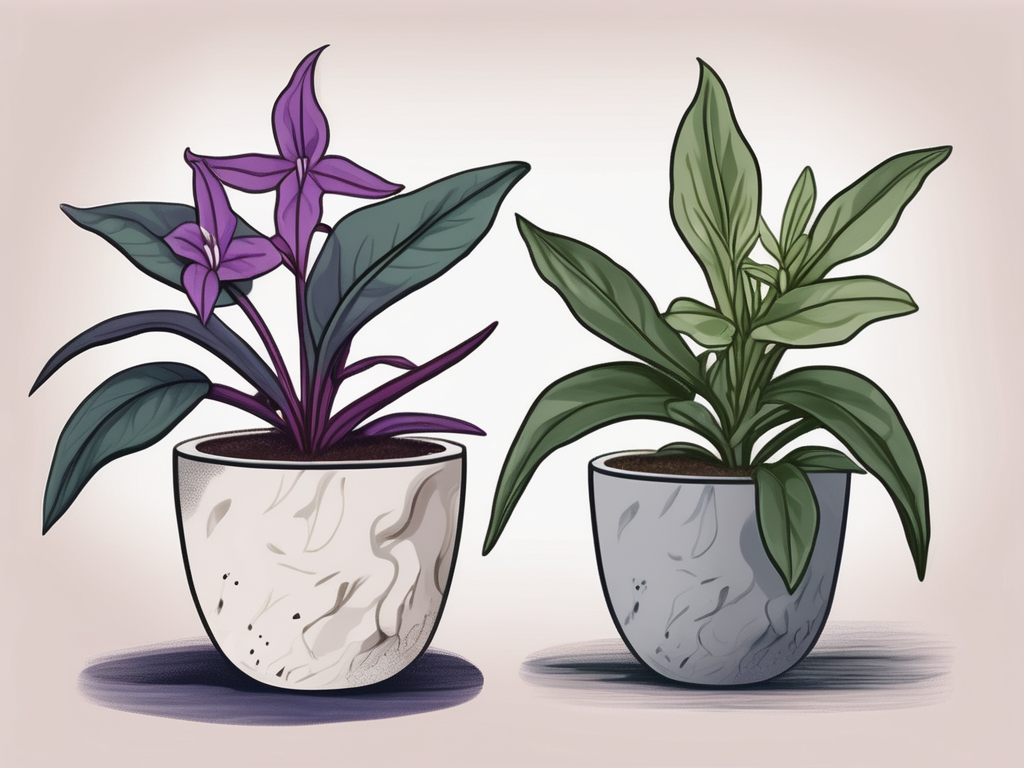
Have you ever stood in a nursery, feeling overwhelmed by the sheer variety of houseplants that seem to beckon you with their green allure? Among them, Peperomia and Pothos often catch the eye of both novice and seasoned plant lovers alike. These two types of plants are popular choices for indoor greenery, but they each have their unique charms and care requirements.
In this article, we'll take a closer look at the differences between Peperomia and Pothos, covering everything from their appearance to care tips. Whether you're trying to decide which plant to bring into your home or just want to better understand the ones you already have, stick around for some helpful insights and practical advice.
Appearance and Variety
First off, let's talk about looks. Peperomia and Pothos each boast a unique aesthetic, contributing to their popularity in home decor. If you're visualizing your future plant corner, understanding their appearances can help make your decision easier.
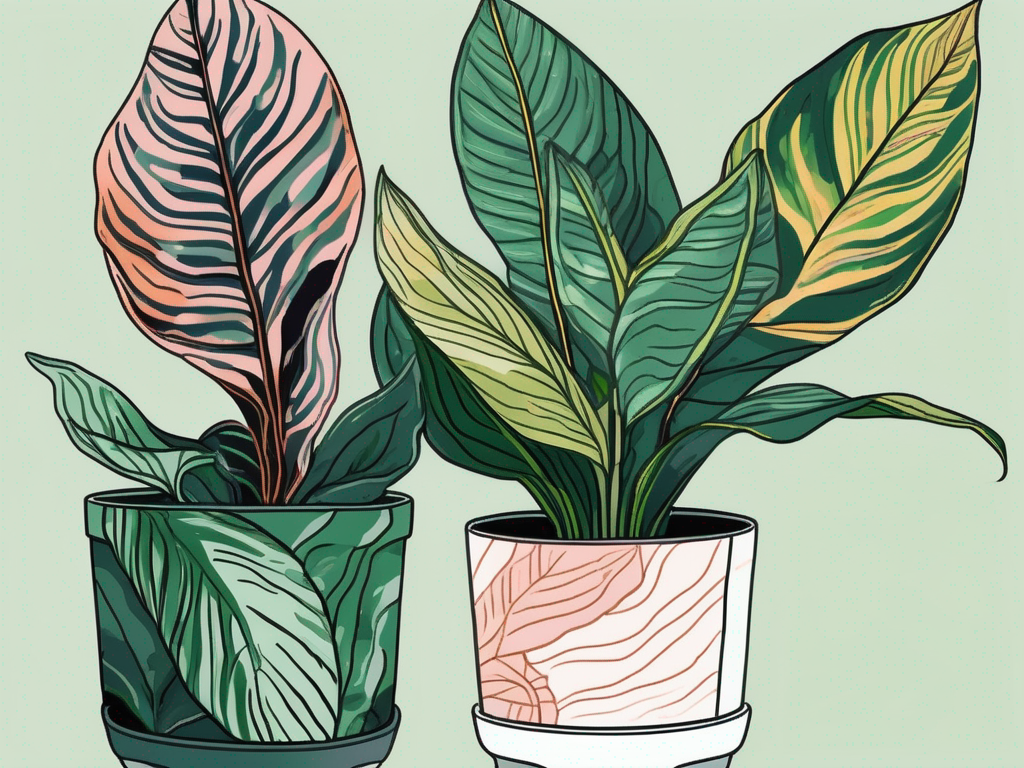
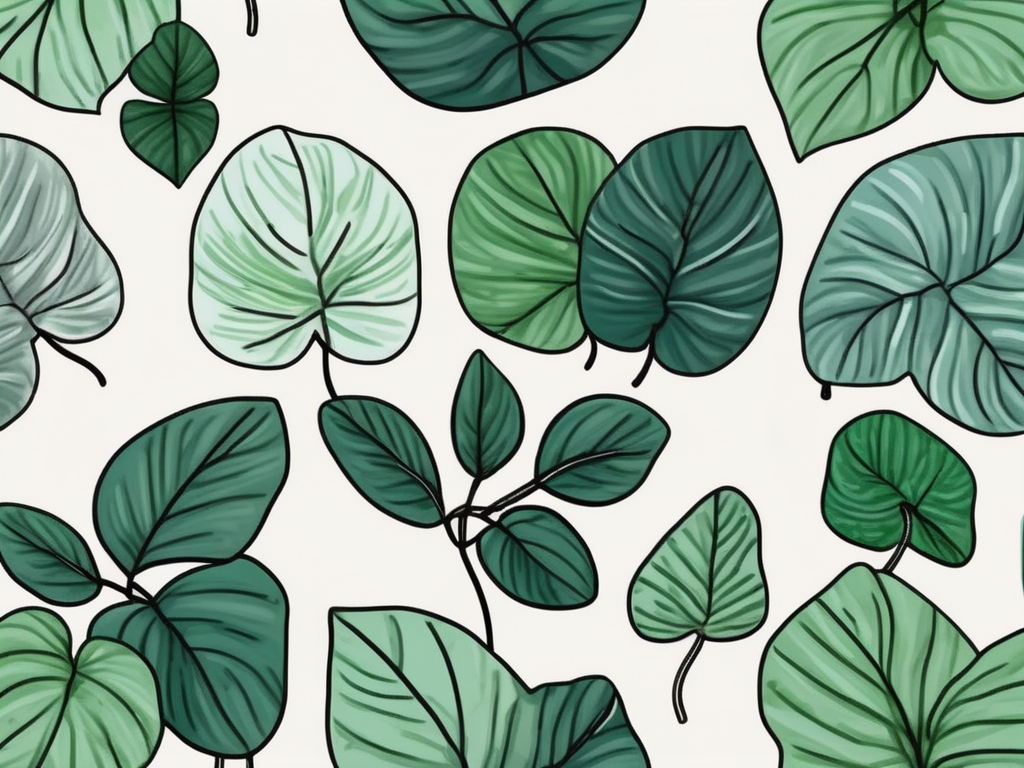
Peperomia: Often referred to as radiator plants, Peperomias are known for their thick, plump leaves that come in a multitude of shapes, sizes, and colors. From heart-shaped to ripple-textured, and solid green to variegated patterns with white or red accents, the variety within this genus is immense. You might find Peperomias that are small enough to fit on a desk or larger varieties that make a bold statement on a shelf.
Pothos: This plant is famous for its trailing vines and heart-shaped leaves, which can grow quite large. The most common types of Pothos, such as Golden Pothos, have green leaves with yellow variegation. However, there are also varieties like Marble Queen and Neon Pothos that offer different visual flair. These vines can be trained to climb or trail, making them versatile for hanging baskets or climbing across a living room wall.
In summary, if you're looking for a plant with a wide range of leaf shapes and colors, Peperomia might be your choice. If trailing vines with lush foliage are more your style, Pothos could be the winner.
Growth Habits
The way a plant grows can significantly influence how you incorporate it into your living space. Let's explore how Peperomia and Pothos differ in their growth habits.
Peperomia: Generally compact and slow-growing, Peperomias are perfect for small spaces or for those who prefer low-maintenance plants. Their growth is more contained, and they typically won't require frequent pruning or repotting. This makes them ideal for shelves, desks, or other spots where you might not want a plant taking over.
Pothos: On the flip side, Pothos are vigorous growers. These plants can quickly extend their vines, reaching impressive lengths if given the right conditions. They're excellent for adding a touch of greenery to vertical spaces, whether you let them cascade from a hanging planter or train them to climb up a support.
So, if you're after a plant that stays neat and tidy, Peperomia is a great pick. But, if you want something with more dramatic growth, Pothos will certainly deliver.
Light Requirements
Understanding your plant's light needs is crucial for keeping it healthy. Let's break down the light preferences for Peperomia and Pothos.
Peperomia: These plants are pretty adaptable when it comes to light. They thrive in bright, indirect light but can tolerate lower light conditions, just with slower growth. Direct sunlight, however, can scorch their leaves. If you're placing Peperomia on a windowsill, make sure it's filtered or morning sunlight.
Pothos: Pothos are also quite forgiving. They can survive in low-light conditions and are often recommended for spaces without much natural light, like offices or bathrooms. That said, they do best in bright, indirect light, which encourages more vigorous growth and vibrant foliage. Direct sunlight can bleach their leaves, so it's best avoided.
In essence, both plants are flexible with their lighting needs, but providing bright, indirect light will make them happiest and result in the best growth.
Watering Needs
Watering is one of the most common areas where plant care can go awry. Let's discuss the watering needs of Peperomia and Pothos to keep them thriving.
Peperomia: These plants prefer to dry out between waterings, so it's best to water them when the top inch of soil feels dry to the touch. Overwatering can lead to root rot, a common issue with Peperomia. When in doubt, err on the side of underwatering rather than overwatering.
Pothos: Pothos are a bit more tolerant when it comes to watering. They like their soil to dry out slightly between waterings. If you notice the leaves starting to droop, it's usually a sign they need a drink. However, like Peperomia, they don't like to sit in water, so be sure to use a well-draining soil mix.
In short, both plants prefer a similar watering schedule, but Pothos can handle a little bit more neglect if you forget a watering or two.
Soil and Potting
The right soil and potting setup can make a world of difference to your plant's health. Here's what you need to know for Peperomia and Pothos.
Peperomia: These plants prefer a well-draining soil mix. A typical potting mix with added perlite or orchid bark works well, as it allows air to reach the roots and helps prevent waterlogging. Peperomias don't require frequent repotting, typically only every couple of years or when they outgrow their current pot.
Pothos: Pothos are not too picky about their soil, but a well-draining mix is still essential to prevent root rot. A regular houseplant potting mix is usually sufficient. Pothos grow relatively quickly, so they may need repotting every year or so to give their roots more room to expand.
Overall, both plants appreciate a soil mix that drains well, but Pothos might demand a bit more attention in terms of repotting.
Pests and Problems
Even the hardiest plants can encounter pests and problems. Let’s see what challenges you might face with Peperomia and Pothos.
Peperomia: Generally, Peperomias are pretty resistant to pests. However, they can occasionally attract mealybugs or spider mites. These can usually be dealt with by wiping the leaves with a damp cloth or using insecticidal soap. Overwatering is a more common issue, leading to root rot, so be mindful of your watering schedule.
Pothos: Pothos can also attract pests like spider mites, especially in dry environments. Regularly misting the plant or using a humidifier can help prevent these pests. Yellowing leaves may indicate overwatering, while browning tips might suggest underwatering or too much direct sunlight.
In summary, both plants are relatively easy to care for when it comes to pests, but keeping an eye on them and maintaining proper watering can prevent most problems.
Propagation
Propagation can be a fun and rewarding part of plant care. Let's explore how you can propagate Peperomia and Pothos at home.
Peperomia: Propagating Peperomia is relatively simple and can be done using leaf or stem cuttings. Simply cut a healthy leaf or stem, let it dry for a day or two, and then plant it in moist soil. Keep the soil damp and provide bright, indirect light. Within a few weeks, you should see new growth.
Pothos: Propagating Pothos is even easier. Take a cutting just below a node (where the leaf meets the stem), and place it in water or soil. If using water, change it every few days to keep it fresh. Roots should develop within a couple of weeks, and once they're a few inches long, you can plant the cutting in soil.
Both plants are beginner-friendly when it comes to propagation, but Pothos might be slightly easier due to its rapid root development.
Decorating with Peperomia and Pothos
Plants not only improve air quality but also add beauty to our homes. Let's discuss how you can incorporate Peperomia and Pothos into your interior design.
Peperomia: Due to their compact size and variety, Peperomias are perfect for small spaces. They're great for adding a pop of color to bookshelves, desktops, or coffee tables. Mix and match different Peperomia varieties for an interesting display, or combine them with other small plants for a mini jungle effect.
Pothos: The trailing nature of Pothos makes them ideal for hanging planters or tall shelves. They can also be trained to climb up a trellis or wall, creating a striking vertical element in your decor. Because of their resilience, they're perfect for spaces that need a touch of green without much maintenance.
Ultimately, both plants can enhance your living space, but how you use them depends on your personal style and available space.
Final Thoughts
Peperomia and Pothos each bring something special to the table, whether it's Peperomia's diverse and compact charm or Pothos' dramatic trailing vines. Understanding their differences helps you make informed choices that align with your care preferences and interior design goals.
At Cafe Planta, we're here to help you nurture your plant family. From unique plant selections to essential care tips, our goal is to support your journey. If you have any questions or need advice, feel free to email us or drop a message on our Instagram. We're excited to help you cultivate a thriving home garden!