Philodendrons and caladiums are two of the most popular indoor plants, often catching the eye of both seasoned plant people and those just starting their plant journey. With their lush leaves and vibrant colors, it's no wonder these plants are beloved. But, if you've ever found yourself wondering what really sets them apart, you're not alone.
In this post, we're going to chat about the differences and similarities between philodendrons and caladiums. From their unique appearances to care requirements, we'll cover all the bases to help you decide which plant might be best for your home. Let's get started!
Appearance and Leaf Structure
First things first, let's talk about what you see when you look at these plants. Philodendrons and caladiums both have stunning foliage, but they present it quite differently.
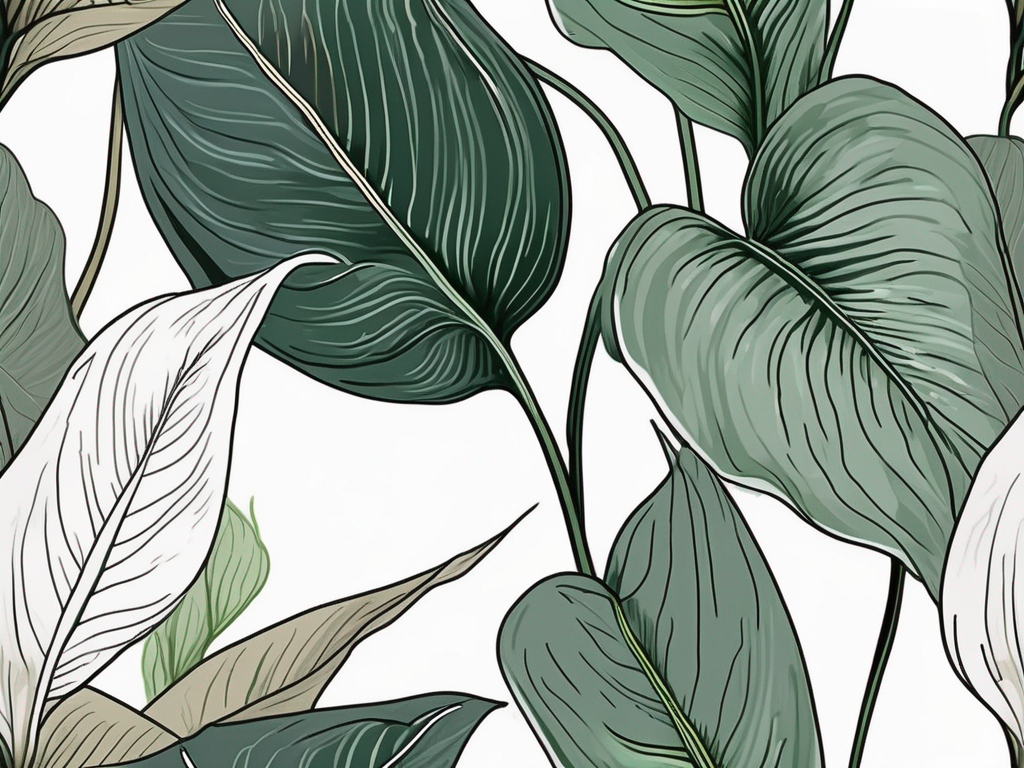
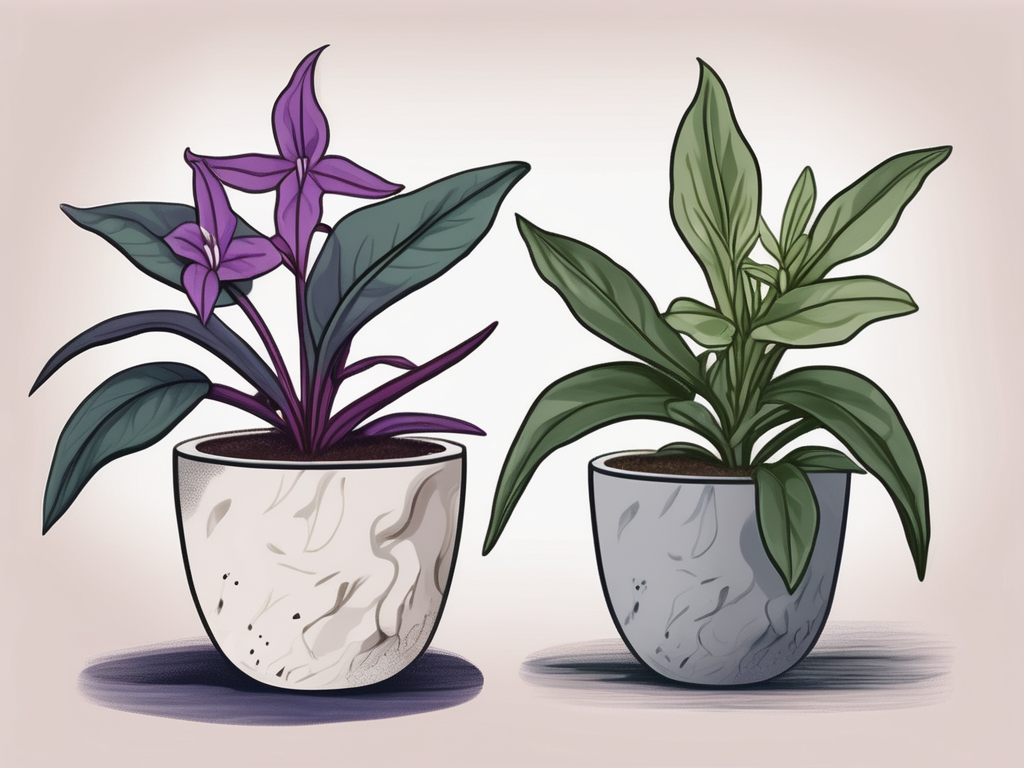
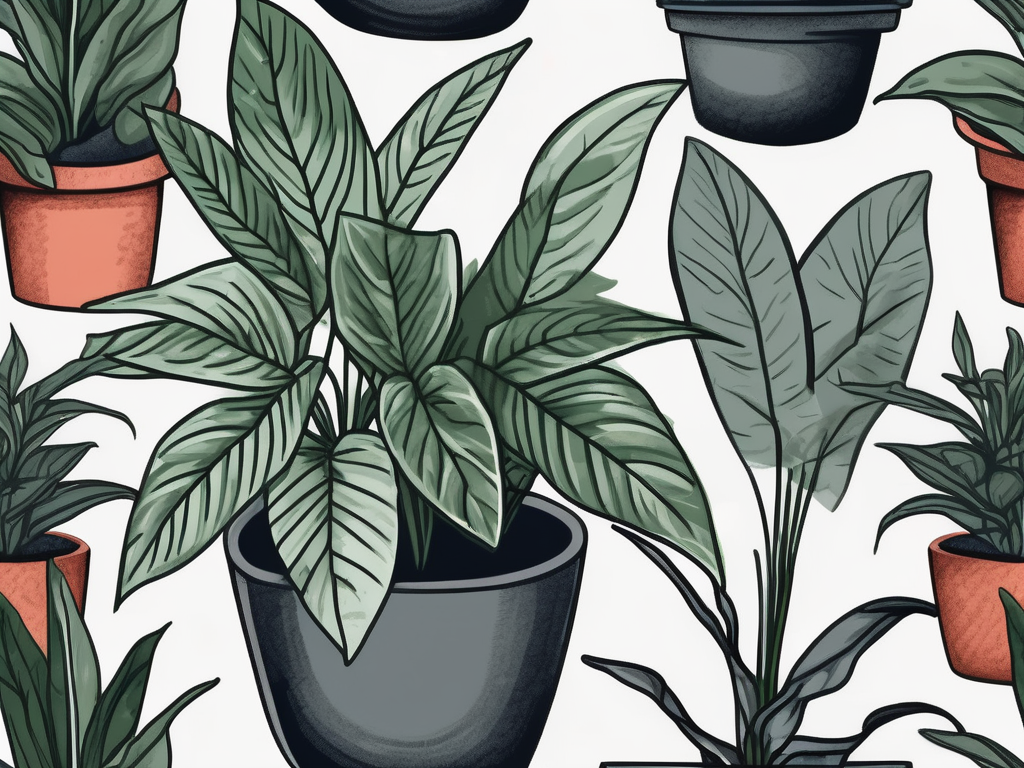
Philodendrons have a diverse range of leaf shapes and sizes, depending on the species. Typically, their leaves are more elongated and can be heart-shaped or oval. They're known for their glossy, deep green appearance, although you can also find varieties with variegated leaves. These leaves can make quite a statement, adding a touch of elegance to any room.
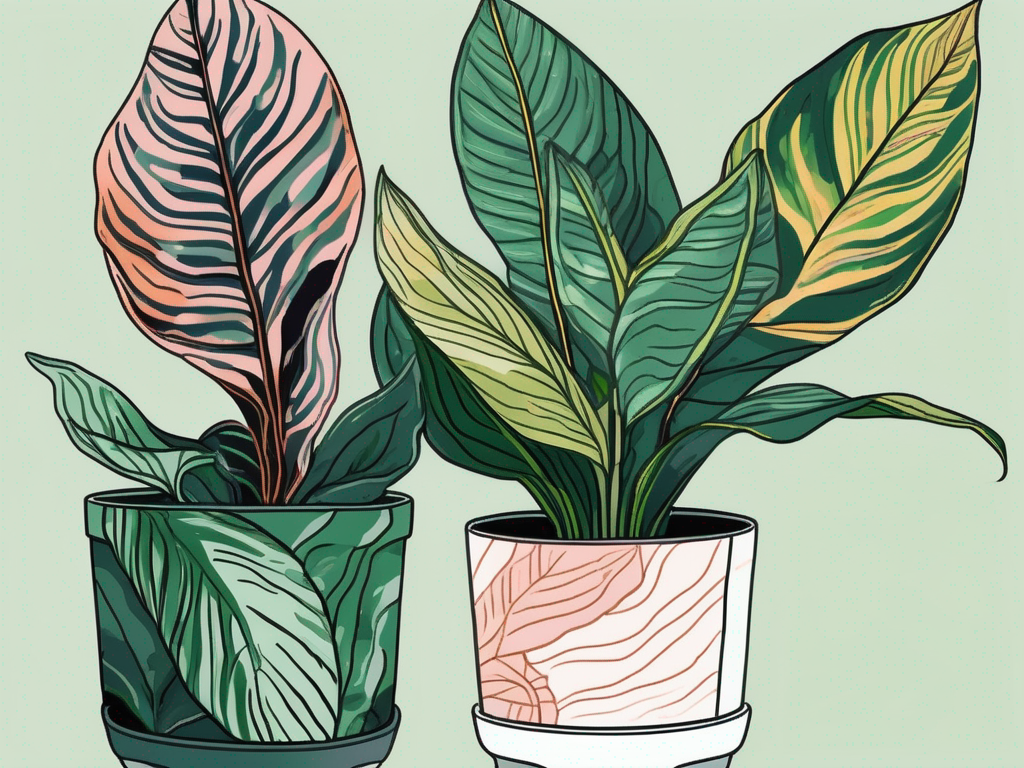
On the other hand, caladiums are all about color. Their leaves are usually large, arrowhead-shaped, and come in a dazzling array of patterns and hues—think reds, pinks, whites, and greens all mixed together. They’re like the party-goers of the plant world, bringing vibrancy and life to your space.
So, if you're looking for a plant that stands out with color, caladiums might be your go-to. But if you're seeking something with a more classic, sophisticated vibe, philodendrons could be just what your home needs.
Growth Habits
Understanding how these plants grow can also help you decide which one might be better suited to your home environment. Philodendrons are often climbers or trailers. They have aerial roots that can attach to structures, making them ideal for hanging baskets or training up a moss pole. This growth habit allows them to fill vertical spaces beautifully.
In contrast, caladiums are tuberous plants. They grow from bulbs and tend to be more compact, making them suitable for tabletops or as part of a mixed planting display. Their growth cycle is also seasonal, with a dormancy period in the cooler months. This means they can disappear for a bit, only to reemerge in full splendor when the weather warms up.
If you enjoy plants that climb and create lush, green walls, philodendrons might be the way to go. But if you prefer seasonal bursts of color and a plant that stays compact, caladiums could be your new favorite.
Light Requirements
When it comes to light, philodendrons and caladiums have different needs, which can be a deciding factor depending on the light conditions in your home.
Philodendrons are quite adaptable. They thrive in bright, indirect light but can also tolerate lower light conditions. This makes them a versatile choice for various spots around the house. Just avoid direct sunlight, as it can scorch their leaves.
Caladiums, however, prefer bright, indirect light and need more light than philodendrons to maintain their vibrant colors. Direct sunlight should also be avoided, as it can cause their leaves to burn. If you have a brightly lit room, caladiums will likely thrive there.
So, if you have a space with limited light, a philodendron might be more forgiving. But if you can provide plenty of indirect light, a caladium will reward you with its spectacular colors.
Watering Needs
Watering is a crucial aspect of plant care, and understanding the differences in watering needs can make all the difference in keeping your plants happy and healthy.
Philodendrons are generally low-maintenance when it comes to watering. They prefer their soil to dry out slightly between waterings. Over-watering can lead to root rot, so it's important to let the top inch of soil dry out before giving them more water. These plants are quite forgiving if you occasionally forget to water them.
Caladiums, on the other hand, prefer consistently moist soil, especially during the growing season. However, it’s important to ensure the soil is well-draining to prevent waterlogged conditions. During their dormant period, reduce watering significantly. They’ll take a little break from growing, but don’t worry—they’ll be back in action once the warmer weather rolls around.
If you’re someone who might forget to water occasionally, a philodendron could be your best bet. But if you’re diligent with your watering routine, a caladium might be a great choice.
Temperature and Humidity Preferences
Both philodendrons and caladiums hail from tropical regions, which means they have somewhat similar preferences when it comes to temperature and humidity.
Philodendrons are pretty robust and can handle a range of temperatures, although they prefer the warmth. They do best in temperatures between 65°F and 80°F and appreciate higher humidity but can adapt to household conditions.
Caladiums, being the tropical divas that they are, thrive in warmer temperatures—ideally between 70°F and 85°F. They also love high humidity, so if your home tends to be on the dry side, you might need to provide some extra humidity, perhaps with a humidifier or by placing a tray of water near the plant.
If your home environment is naturally warm and humid, either plant will likely do well. But if your space tends to be cooler or less humid, philodendrons might adapt more easily.
Soil and Potting Requirements
Choosing the right soil and potting conditions can set your plants up for success, and it's here where philodendrons and caladiums show some of their unique characteristics.
Philodendrons prefer a well-draining potting mix, often a blend designed for aroids. You can create your own by mixing regular potting soil with peat moss and perlite. This mix ensures good drainage and aeration, preventing the roots from sitting in water.
Caladiums, with their tuberous nature, prefer a rich, organic potting mix that retains moisture but also drains well. A mix of peat moss, perlite, and a bit of sand often works well. When planting caladium bulbs, make sure they're covered with soil and positioned with the growing points facing upwards.
If you’re a DIY soil mix enthusiast, you'll enjoy experimenting with the right potting mix for each of these plants. Just remember the key is to strike a balance between moisture retention and drainage.
Pest and Disease Management
Dealing with pests and diseases is part and parcel of being a plant parent. Both philodendrons and caladiums can fall victim to common houseplant issues, but with a little know-how, you can keep them healthy.
Philodendrons might attract pests like aphids, mealybugs, and spider mites. Regularly inspecting your plants and gently wiping the leaves with a damp cloth can prevent infestations. If pests are spotted, a mild insecticidal soap or neem oil can be effective.
Caladiums can also be susceptible to pests, including spider mites and aphids. Additionally, their bulbs can be prone to rot if the soil is too wet. Ensuring proper watering and maintaining good airflow around the plants can help prevent these issues. If pests do appear, treating them with insecticidal soap is a good way to tackle the problem.
Keeping an eye on your plants and responding quickly to any signs of trouble can go a long way in maintaining their health and beauty.
Propagation Techniques
If you've ever wanted to multiply your plant collection, propagation is a fun and rewarding way to do it. Both philodendrons and caladiums can be propagated, but the methods differ slightly.
Philodendrons are often propagated through stem cuttings. Simply cut a healthy piece of stem with a few leaves and nodes, and place it in water or directly into soil. If you choose water, wait for roots to develop before planting it in soil. It's a great way to share your plant with friends or to expand your own collection.
Caladiums are typically propagated by dividing the tubers. When the plant is dormant, gently remove it from the pot and separate the bulbs. Each bulb should have at least one growing point. Replant them in fresh soil, and soon enough, you'll have new plants emerging.
Propagation can be a delightful part of plant care, offering a chance to learn more about the life cycle of your plants and to share the joy of growing with others.
Decorating with Philodendrons and Caladiums
When it comes to interior design, both philodendrons and caladiums offer unique opportunities to beautify your space.
Philodendrons, with their trailing and climbing habits, can be used to create green walls or to add height and texture to a room. Hanging baskets or climbing structures can showcase their natural beauty and help fill vertical spaces.
Caladiums, with their bold colors and striking patterns, are perfect for adding a pop of color to a room. They can be used as statement pieces on tabletops or as part of a colorful plant arrangement. Their seasonal nature can also offer a refreshing change, as they retreat and reemerge throughout the year.
Whether you prefer the structured elegance of philodendrons or the vibrant flair of caladiums, incorporating these plants into your home decor can bring warmth and life to your living space.
Final Thoughts
So there you have it! Philodendrons and caladiums each bring something special to the table. Whether it's the climbing beauty of a philodendron or the vibrant, colorful display of a caladium, both plants have the potential to transform your space. Consider your home's lighting, your watering habits, and your personal style to decide which plant might be the perfect fit for you.
At Cafe Planta, we love helping plant lovers find the right plants and care accessories for their homes. If you have any questions or need advice, feel free to email us or reach out on Instagram. We're here to support you in creating a thriving plant collection that brings joy and connection to your everyday life.