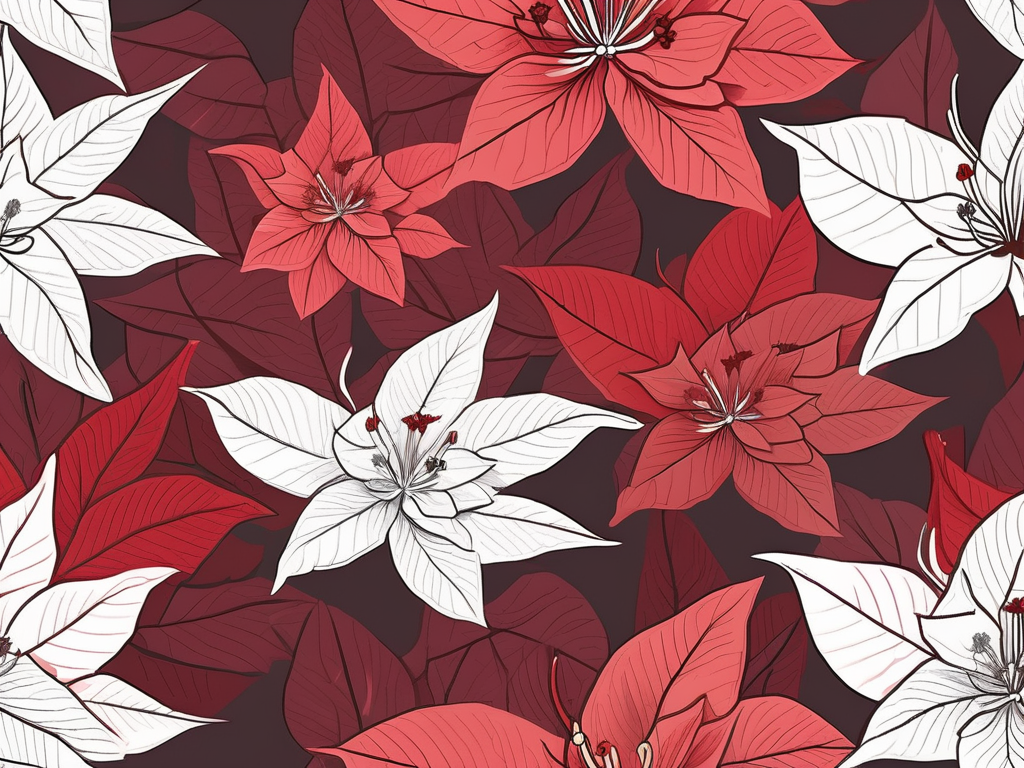
When it comes to holiday blooms, poinsettias and amaryllis often steal the show. Both plants are popular during the festive season, but they offer different aesthetics and require unique care routines. If you've ever wondered what sets these two apart, you're in the right place.
This article will walk you through the differences between poinsettias and amaryllis, covering everything from their origins and appearances to their care needs and how they can enhance your home decor. So, grab a cup of coffee and settle in for a friendly chat about these charming plants.
Origins and Background
Let's kick things off with a bit of background. Knowing where these plants come from can give us some insight into their needs and preferences. After all, understanding a plant's native habitat can help us replicate those conditions at home.
Poinsettias are native to Mexico, where they grow as shrubs in the wild. Their botanical name, Euphorbia pulcherrima, hints at their membership in the spurge family. These plants were introduced to the United States in the early 19th century by Joel Roberts Poinsett, the first U.S. ambassador to Mexico. Since then, they've become synonymous with Christmas, thanks to their bright red bracts, which many mistake for flowers.
Amaryllis, on the other hand, have their roots in South Africa. The genus name Hippeastrum is often used interchangeably with amaryllis, but true amaryllis (Amaryllis belladonna) are actually quite rare. Most of what we call amaryllis today are hybrids developed for their striking, trumpet-shaped flowers. These blooms are a favorite among gardeners for their ability to thrive indoors during winter.
Appearance and Aesthetic Appeal
Now that we know where these plants come from, let's talk about what they look like. While both poinsettias and amaryllis are visually stunning, they offer very different vibes.
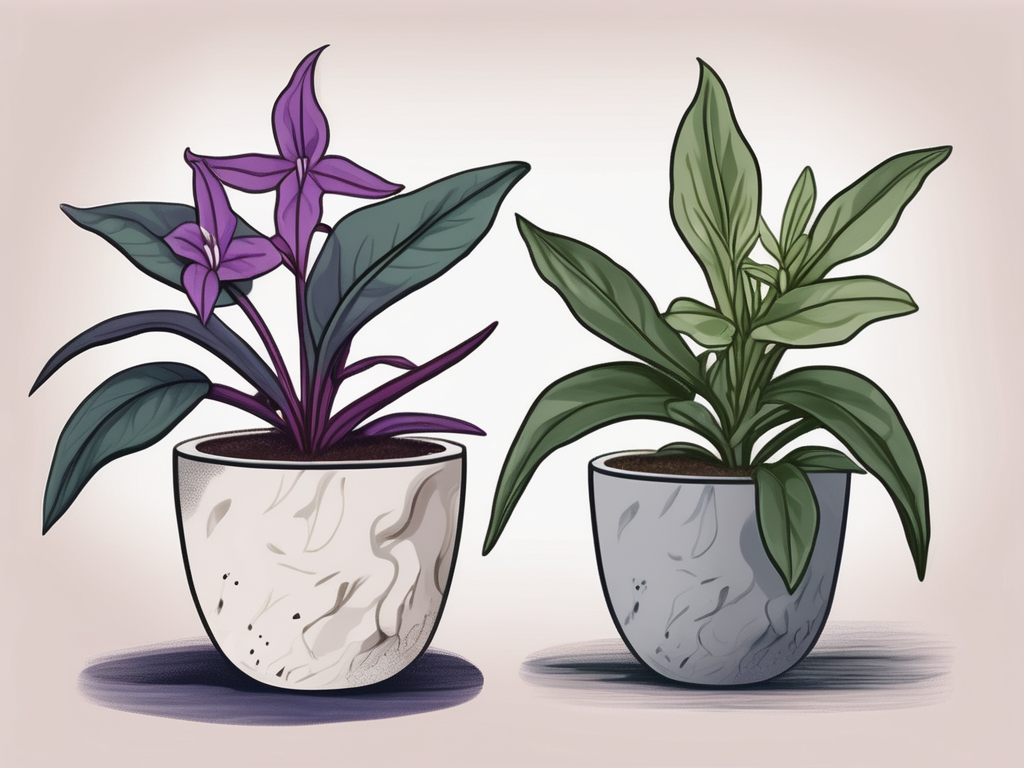
Poinsettias are best known for their colorful bracts, which are actually modified leaves. These bracts can be red, white, pink, or even speckled, and they surround the plant's small, less noticeable flowers. A well-cared-for poinsettia can be a showstopper in any room, adding a splash of color and a touch of holiday cheer.
Amaryllis, on the other hand, are all about the flowers. With their large, trumpet-shaped blooms, they make a bold statement. These flowers can be red, white, pink, or a combination of colors, and they often rise above the plant on tall, sturdy stems. Amaryllis blooms can last for several weeks, providing a long-lasting display of beauty.
When choosing between these two, consider the overall look you want to achieve. Do you prefer the lush, leafy appearance of poinsettias or the striking, architectural beauty of amaryllis? Both have their charm, so it really comes down to personal preference.
Light and Temperature Requirements
Understanding the light and temperature needs of poinsettias and amaryllis is crucial for keeping them healthy and vibrant. These plants have different preferences, so let's break it down.
Poinsettias thrive in bright, indirect light. They do best in a location that receives plenty of natural light but is protected from harsh, direct sunlight, which can scorch their leaves. As for temperature, poinsettias like it warm. They prefer temperatures between 65-75°F (18-24°C) and are sensitive to cold drafts. Keep them away from windows and doors that let in chilly air.
Amaryllis, meanwhile, need a bit more sunlight. They enjoy bright, direct light, especially when they're growing and blooming. A sunny windowsill is often the perfect spot for these plants. Temperature-wise, amaryllis are more forgiving. They prefer similar temperatures to poinsettias but can tolerate slightly cooler conditions, around 60-70°F (15-21°C).
In a nutshell, make sure your poinsettias are cozy and well-lit but out of direct sun, while amaryllis will appreciate a sunny spot and can handle a bit of a chill. Keeping these conditions in mind will go a long way in ensuring your plants thrive.
Watering and Soil Preferences
Watering can be a bit tricky when it comes to houseplants, and poinsettias and amaryllis are no exception. Let's look at what each plant prefers in terms of hydration and soil.
Poinsettias like their soil to be consistently moist but not soggy. The key is to water them thoroughly and then allow the top inch of soil to dry out before watering again. Overwatering is a common problem with poinsettias, leading to root rot and leaf drop. Make sure your pot has good drainage, and avoid letting the plant sit in standing water.
Amaryllis, on the other hand, have different needs. They prefer well-draining soil and should be watered more sparingly. When they're actively growing and blooming, water them when the top inch of soil feels dry. However, during their dormant period, which usually occurs after blooming, cut back on watering significantly. Allow the soil to dry out almost completely between waterings.
In terms of soil, both poinsettias and amaryllis do well in a light, well-draining potting mix. A general-purpose houseplant soil is usually sufficient, but you can add some sand or perlite to improve drainage if needed.
Fertilizing and Feeding
Feeding your plants is like giving them a little boost of energy, and both poinsettias and amaryllis have specific fertilizing needs. Let's see what each plant requires to keep them thriving.
Poinsettias benefit from regular feeding during their growing season, which typically spans from spring through fall. A balanced, water-soluble fertilizer applied every two to three weeks can help them maintain their vibrant color and lush foliage. However, stop fertilizing once they come into bloom during the holiday season, as they don't need extra nutrients at this time.
Amaryllis also appreciate a bit of extra nutrition, especially during their active growth and blooming phases. Use a balanced liquid fertilizer every two to four weeks while the plant is growing and flowering. Once the flowers have faded and the plant begins to go dormant, stop fertilizing until new growth appears.
Remember, more is not always better when it comes to fertilizing. Follow the instructions on your fertilizer package, and avoid over-fertilizing, which can lead to salt buildup in the soil and harm your plants.
Pest and Disease Management
No one likes to see their beloved plants suffering from pests or diseases, but it's a reality that plant parents sometimes have to face. Let's explore how to keep your poinsettias and amaryllis healthy and pest-free.
Poinsettias are susceptible to a few common pests, such as whiteflies, aphids, and spider mites. These tiny invaders can be managed with regular inspections and prompt action. If you notice any pests, try rinsing the plant with water or using insecticidal soap to get rid of them. Keep an eye out for signs of root rot, which can occur if the plant is overwatered and the soil stays too wet for too long.
Amaryllis can also fall victim to pests like spider mites and aphids. Regularly check your plants for any signs of infestation and treat them promptly. A gentle spray of water or insecticidal soap can often do the trick. In terms of diseases, watch out for fungal infections, which can cause bulb rot. Good drainage and avoiding overwatering are your best defenses against these issues.
Both plants will benefit from a bit of TLC in terms of cleaning. Wipe down their leaves with a damp cloth to remove dust and keep them looking their best. A healthy plant is usually more resilient to pests and diseases, so keep up with regular care to keep your plants thriving.
Decorating with Poinsettias and Amaryllis
One of the joys of having houseplants is the way they can transform your living space, and poinsettias and amaryllis are no exception. These plants offer different aesthetics, so let's chat about how you can incorporate them into your home decor.
Poinsettias are a holiday classic, often used as centerpieces or accents around the home. Their vibrant colors and lush foliage make them perfect for adding a festive touch to your living room, entryway, or even your dining table. Consider using them in groups for a more dramatic effect, or pair them with other seasonal decorations for a cohesive look.
Amaryllis, with their tall, elegant blooms, make stunning focal points. Place them on a mantel, a side table, or a sunny windowsill where they can be admired. Their bold flowers can stand alone or be paired with other plants and decor items to create a striking display. Amaryllis blooms also make excellent cut flowers, so consider snipping a few stems for a vase arrangement.
Whether you prefer the classic charm of poinsettias or the dramatic flair of amaryllis, both plants can add beauty and warmth to your home during the holiday season and beyond. Experiment with different arrangements and placements to find what works best for your space and style.
Long-Term Care and Re-blooming
While poinsettias and amaryllis are often associated with the holiday season, both plants can be enjoyed year-round with the right care. Let's talk about how to keep them thriving long-term and how to encourage re-blooming.
After the holidays, many people toss their poinsettias, but with a little effort, you can keep them going. Once the colorful bracts begin to fade, cut back the plant to about 6 inches, and continue to care for it as a houseplant. Come spring, you can move it outdoors to a sheltered spot and continue regular care. To encourage re-blooming, poinsettias need a period of darkness each day for about eight weeks, starting in the fall. This means placing them in a dark room or covering them for 12-14 hours each night.
Amaryllis are a bit easier when it comes to re-blooming. After the flowers fade, cut back the flower stalks but leave the foliage intact. Continue to water and fertilize the plant while it grows. In late summer or early fall, allow the plant to go dormant by gradually reducing water. Once the leaves have died back, store the bulb in a cool, dark place for about eight weeks. After this rest period, repot the bulb, give it a good drink, and place it in a sunny spot. With any luck, your amaryllis will reward you with another round of stunning blooms.
Both plants require a bit of patience when it comes to re-blooming, but the effort is well worth it. Enjoy the process and celebrate your success when those colorful blooms return.
Final Thoughts
Poinsettias and amaryllis each bring their own unique charm to the table, offering vibrant color and beauty to your home. Whether you prefer the lush, leafy display of poinsettias or the striking blooms of amaryllis, both plants have something special to offer.
At Cafe Planta, we love helping plant people create beautiful, thriving spaces. If you have any questions about your plants or need some care tips, feel free to email us or reach out on Instagram. We're here to help you connect with nature and build a plant collection you love.